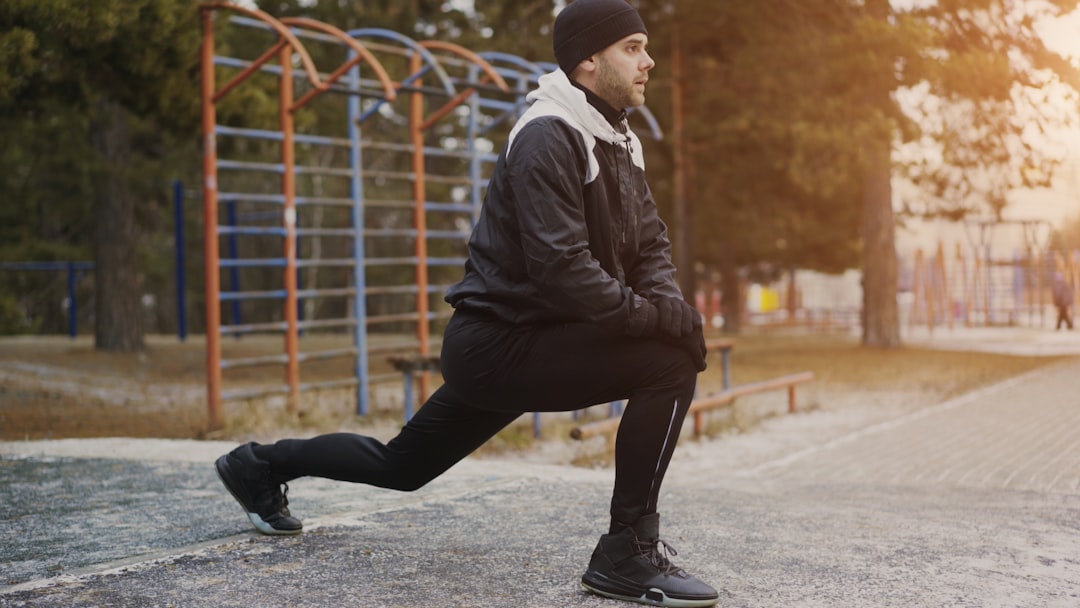
For older adults, maintaining robust leg strength is not merely about physical vanity; it is a cornerstone of independent living, mobility, and overall quality of life. As you age, muscle mass, particularly in the lower extremities, naturally decreases if not actively maintained. This phenomenon, known as sarcopenia, can lead to a decline in balance, an increased risk of falls, and a reduced capacity to perform daily activities. Think of your legs as the pillars supporting your entire edifice; if they weaken, the whole structure becomes precarious. This article will guide you through five essential leg-strengthening exercises, offering practical advice and detailing their benefits to help you fortify your lower body.
The chair stand, often underestimated in its simplicity, is a powerful exercise that directly translates to everyday movements. Imagine rising from a comfortable armchair or a park bench; this is precisely what a chair stand simulates and strengthens. It is a fundamental benchmark of functional leg strength. To learn effective strategies for fall prevention, watch this informative video.
How to Perform the Chair Stand:
- Setup: Begin by selecting a sturdy chair with no wheels and placing it against a wall for added stability. Sit on the edge of the chair with your feet flat on the floor, hip-width apart, and your knees bent at approximately a 90-degree angle. Your shoulders should be relaxed, and your posture upright.
- Execution: Lean your torso slightly forward, engaging your core muscles. Drive through your heels and the balls of your feet simultaneously, pushing yourself up until you are standing upright. Avoid using your hands to push off your knees or the chair if possible. Maintain control and avoid locking your knees at the top.
- Descent: Slowly and deliberately lower yourself back into the chair, controlling the movement rather than allowing gravity to pull you down. Aim for a smooth, controlled descent, ensuring your glutes gently touch the chair before you initiate the next repetition.
- Progression: As you gain strength, you can increase the difficulty by trying a lower chair, holding a light weight (a dumbbell or a water bottle) to your chest, or performing the exercise more slowly to emphasize eccentric control.
Benefits of the Chair Stand:
- Improved Sit-to-Stand Transition: This exercise directly enhances your ability to move from sitting to standing, a critical activity of daily living.
- Quadriceps and Gluteal Activation: It effectively targets your quadriceps (front of your thighs) and gluteal muscles (buttocks), essential for walking, climbing stairs, and maintaining balance.
- Enhanced Balance and Stability: By strengthening these key muscle groups, you improve your overall balance and reduce your risk of falls.
- Lower Impact on Joints: Compared to exercises like squats with heavy weights, the chair stand offers a lower-impact alternative, making it suitable for individuals with joint concerns.
For older adults looking to improve their leg strength and overall mobility, incorporating specific exercises into their routine can be highly beneficial. A related article that provides valuable insights and recommendations on this topic can be found at Explore Senior Health. This resource offers a variety of leg strengthening exercises tailored for seniors, helping them maintain independence and enhance their quality of life.
2. The Wall Push-Off: Anchoring Your Stability
The wall push-off is an excellent exercise for strengthening your calves and improving ankle stability, a crucial component of fall prevention. Imagine your calves as the shock absorbers and propulsion systems for your lower body; strengthening them provides a more resilient and responsive base.
How to Perform the Wall Push-Off:
- Setup: Stand facing a sturdy wall, placing your palms flat against it at shoulder height, approximately arm’s length away. Your feet should be hip-width apart and positioned about a foot or two from the wall.
- Execution: Keeping your back straight and your core engaged, slowly lean forward, bending your elbows and allowing your chest to move closer to the wall. Maintain control as you lower yourself toward the wall.
- Push Back: Using the strength in your arms and shoulders, push yourself back to the starting position, straightening your elbows. Focus on controlling the movement throughout.
- Progression: To increase the challenge, you can perform this exercise on one leg, or gradually increase your distance from the wall, requiring more strength to push back. You can also vary the angle of your body to target different muscle fibers.
Benefits of the Wall Push-Off:
- Calf Strength Development: This exercise specifically targets your gastrocnemius and soleus muscles in your calves, which are vital for walking, running, and maintaining upright posture.
- Improved Ankle Stability: Strong calves contribute directly to better ankle stability, reducing the likelihood of sprains and enhancing your balance.
- Enhanced Propulsion for Walking: Powerful calf muscles provide the push-off phase during gait, making walking more efficient and less strenuous.
- Accessible and Low Impact: Requiring no special equipment, the wall push-off is an accessible exercise that is gentle on your joints.
3. The Modified Lunge: Sculpting Single-Leg Prowess
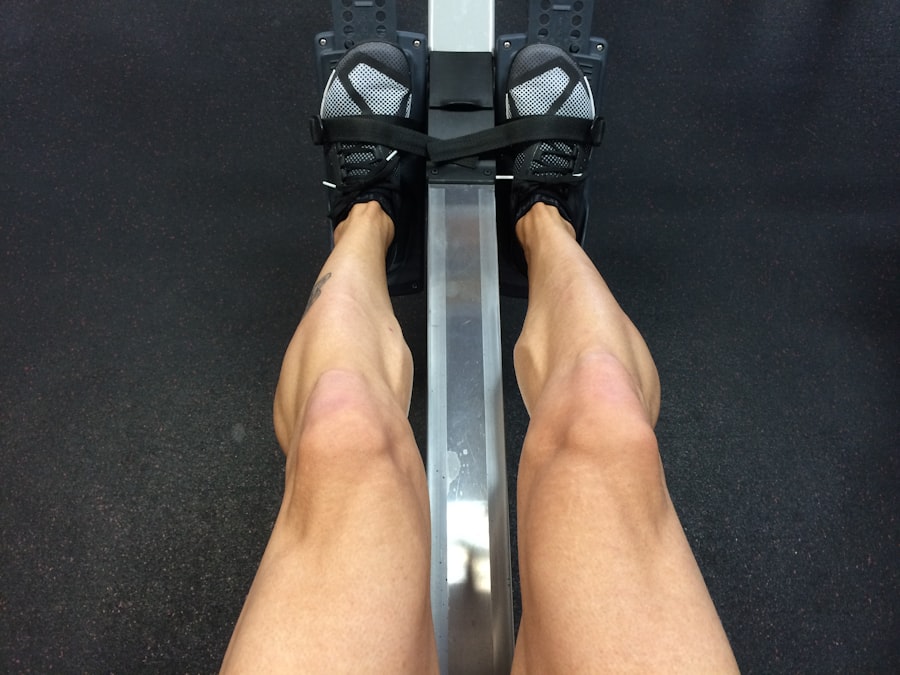
The lunge, when adapted for older adults, becomes a powerful tool for developing single-leg strength and improving dynamic balance. Think of it as training each leg to act as an independent, stable unit, crucial for navigating uneven terrain or stepping over obstacles.
How to Perform the Modified Lunge:
- Setup: Stand tall with your feet hip-width apart. For added stability, you can place a hand on a sturdy chair or a wall.
- Execution: Take a controlled step forward with one leg, lowering your hips until both knees are bent at approximately a 90-degree angle. Ensure your front knee is directly above your ankle and your back knee hovers just above the floor. Keep your torso upright and your core engaged.
- Return: Push off with your front foot, engaging your glutes and hamstrings, to return to the starting position. Maintain control throughout the movement and avoid using momentum.
- Progression: As you become stronger, you can gradually increase the depth of the lunge, perform it without external support, or hold light dumbbells at your sides. You can also introduce reverse lunges, stepping backward instead of forward.
Benefits of the Modified Lunge:
- Unilateral Strength Development: Lunges specifically target and strengthen each leg independently, addressing muscular imbalances that can arise from bilateral exercises.
- Improved Balance and Coordination: The single-leg focus of the lunge significantly enhances your dynamic balance and coordination, vital for preventing falls.
- Strengthens Quadriceps, Hamstrings, and Glutes: This compound exercise works multiple major muscle groups in your legs, leading to comprehensive lower body strength.
- Functional Movement Pattern: The lunge mimics movements encountered in daily life, such as walking, climbing stairs, and stepping over obstacles, making it highly functional.
4. The Calf Raise: Igniting Your Propulsion System
Calf raises are a targeted exercise to strengthen the muscles in the back of your lower legs, often overlooked but incredibly important for mobility and balance. Consider your calves as the spring mechanisms that propel you forward and upward during movement.
How to Perform the Calf Raise:
- Setup: Stand upright with your feet hip-width apart. For support, you can hold onto a wall, a sturdy chair, or a counter.
- Execution: Slowly and deliberately raise yourself up onto the balls of your feet, lifting your heels as high as comfortably possible. Hold this elevated position for a brief moment, feeling the contraction in your calf muscles.
- Descent: Control your descent, slowly lowering your heels back to the floor. Avoid collapsing onto your heels; aim for a smooth, controlled movement.
- Progression: To increase intensity, perform the calf raise on one leg at a time, or stand on a slightly elevated surface (like a step) to allow for a greater range of motion, creating a deeper stretch in the calf muscles at the bottom of the movement. You can also hold a light weight in one hand while performing single-leg calf raises.
Benefits of the Calf Raise:
- Enhanced Ankle Strength and Stability: Strong calves provide crucial support for your ankles, reducing the risk of sprains and improving overall stability.
- Improved Gait Efficiency: Powerful calf muscles contribute to a more efficient walking stride, providing the necessary push-off power.
- Better Balance: By strengthening the muscles responsible for maintaining an upright posture and absorbing impact, calf raises contribute significantly to improved balance and fall prevention.
- Increased Blood Circulation: Engaging these muscles promotes better blood flow in your lower legs, which can be beneficial for overall cardiovascular health.
Incorporating leg strengthening exercises into the daily routine can significantly enhance mobility and balance for older adults. A helpful resource that provides additional insights on this topic is an article available at Explore Senior Health, which discusses various exercises tailored to improve leg strength and overall fitness. Engaging in these activities not only promotes physical health but also boosts confidence in daily activities, making it easier for seniors to maintain their independence.
5. The Hamstring Curl (Assisted or Machine): Flexing Your Rear Power
| Exercise | Target Muscle Groups | Recommended Sets & Reps | Benefits for Older Adults | Precautions |
|---|---|---|---|---|
| Chair Squats | Quadriceps, Glutes, Hamstrings | 2-3 sets of 10-15 reps | Improves leg strength and balance, reduces fall risk | Use a sturdy chair; avoid knee pain |
| Seated Leg Extensions | Quadriceps | 2-3 sets of 10-15 reps per leg | Strengthens knee extensors, enhances mobility | Avoid locking the knee; perform controlled movements |
| Standing Calf Raises | Calves (Gastrocnemius, Soleus) | 2-3 sets of 10-20 reps | Improves ankle strength and balance | Hold onto a support for stability |
| Step-Ups | Quadriceps, Glutes, Hamstrings | 2 sets of 8-12 reps per leg | Enhances functional strength and coordination | Use a low step; ensure stable surface |
| Side Leg Raises | Hip Abductors (Gluteus Medius) | 2-3 sets of 10-15 reps per side | Improves hip stability and balance | Perform slowly to avoid momentum |
The hamstring muscles, located at the back of your thighs, are crucial for knee flexion, hip extension, and overall leg power. While often overshadowed by the quadriceps, strong hamstrings are vital for functional movement and preventing muscle imbalances. Think of them as the brakes and accelerators for your lower body.
How to Perform the Hamstring Curl (Assisted or Machine):
- Assisted Hamstring Curl (Bodyweight):
- Setup: Lie face down on a mat with your legs extended. You can place your hands under your forehead for comfort.
- Execution: Slowly bend one knee, bringing your heel towards your glutes as far as comfortable. Focus on engaging your hamstring muscles.
- Descent: Control the movement as you slowly extend your leg back to the starting position.
- Progression: To increase difficulty, you can place a light ankle weight on your ankle or use a resistance band wrapped around your ankles, securing one end to a stable object.
- Hamstring Curl Machine:
- Setup: Adjust the machine according to your height and body proportions. Lie face down on the bench, ensuring your knees are just off the edge and the ankle pad rests comfortably against your lower calves/Achilles tendon.
- Execution: Grasp the handles for stability. Slowly curl your legs upward, bringing your heels towards your glutes, feeling the contraction in your hamstrings.
- Descent: Control the movement as you slowly extend your legs back to the starting position, ensuring full range of motion without letting the weight stack crash.
- Progression: Gradually increase the weight as your strength improves, while always maintaining good form.
Benefits of the Hamstring Curl:
- Targeted Hamstring Strength: This exercise specifically isolates and strengthens your hamstrings, which are often underdeveloped compared to the quadriceps.
- Improved Knee Stability: Strong hamstrings help stabilize the knee joint, working in conjunction with the quadriceps to prevent injury.
- Enhanced Hip Extension: Hamstrings are vital for powerful hip extension, a movement critical for walking, running, and climbing stairs.
- Reduced Risk of Injury: By strengthening the posterior chain of your legs, you can help prevent muscle imbalances that might otherwise lead to pain or injury in your knees and lower back.
General Recommendations and Considerations:
- Consult Your Healthcare Provider: Before embarking on any new exercise program, it is imperative to consult your doctor or a physical therapist, especially if you have pre-existing health conditions or mobility limitations. They can provide personalized guidance and ensure the exercises are appropriate for your individual needs.
- Warm-up and Cool-down: Always begin your workout with a 5-10 minute warm-up of light aerobic activity (e.g., walking in place, arm circles) to prepare your muscles. Conclude with a 5-10 minute cool-down, incorporating gentle stretches for your legs.
- Form Over Quantity: Prioritize correct form over simply completing a high number of repetitions. Incorrect form can lead to injury and diminish the effectiveness of the exercise. If you are unsure about your form, consider consulting a certified personal trainer.
- Listen to Your Body: Pay attention to any pain or discomfort. Exercise should feel challenging, but not painful. If you experience sharp pain, stop the exercise immediately. Soreness is normal, especially when starting a new routine, but it should be a dull ache, not acute pain.
- Consistency is Key: Like tending a garden, consistent effort yields the best results. Aim to perform these exercises 2-3 times per week, with at least one day of rest in between sessions to allow for muscle repair and growth.
- Progressive Overload: To continue making progress, you need to gradually increase the challenge. This can be done by increasing repetitions, sets, resistance (e.g., light weights), or slowing down the movement.
- Hydration and Nutrition: Support your muscle strengthening efforts with adequate hydration and a balanced diet rich in protein, which is essential for muscle repair and growth.
By diligently incorporating these five leg-strengthening exercises into your routine, you are not just building muscle; you are investing in your long-term independence, mobility, and fundamental capacity to enjoy life to its fullest. Strong legs are your passport to navigating the world with confidence and grace, allowing you to continue standing tall and moving freely for years to come.
WATCH THIS 🛑 WARNING: One Fall Could Cost You $18,000 This Month
FAQs
What are leg strengthening exercises for older adults?
Leg strengthening exercises for older adults are physical activities designed to improve muscle strength, endurance, and balance in the legs. These exercises help maintain mobility, reduce the risk of falls, and enhance overall quality of life.
Why is leg strength important for older adults?
Leg strength is crucial for older adults because it supports daily activities such as walking, climbing stairs, and standing up from a chair. Strong leg muscles also help prevent falls and injuries by improving balance and stability.
What are some common leg strengthening exercises suitable for older adults?
Common leg strengthening exercises for older adults include seated leg lifts, wall squats, heel raises, step-ups, and chair stands. These exercises can be modified to match individual fitness levels and mobility.
How often should older adults perform leg strengthening exercises?
It is generally recommended that older adults perform leg strengthening exercises two to three times per week, allowing rest days in between for muscle recovery. Consistency is key to seeing improvements.
Are leg strengthening exercises safe for older adults with health conditions?
Most leg strengthening exercises are safe for older adults, including those with chronic health conditions, but it is important to consult a healthcare provider before starting any new exercise program to ensure safety and appropriate modifications.
Can leg strengthening exercises help prevent falls in older adults?
Yes, leg strengthening exercises improve muscle strength and balance, which are critical factors in fall prevention. Regular practice can reduce the likelihood of falls and related injuries.
Do older adults need special equipment for leg strengthening exercises?
Many leg strengthening exercises for older adults can be done using body weight alone or with simple equipment like resistance bands or light ankle weights. Chairs and walls can also be used for support during exercises.
How can older adults stay motivated to do leg strengthening exercises?
Setting realistic goals, exercising with a partner or group, tracking progress, and choosing enjoyable activities can help older adults stay motivated to maintain a regular leg strengthening routine.