
To effectively address snoring and sleep apnea, it is essential to first understand their underlying causes. Snoring occurs when airflow through the mouth and nose is partially obstructed during sleep, leading to vibrations of the throat tissues. This can happen for various reasons, including anatomical factors such as the size and shape of your airway, nasal congestion, or even the position in which you sleep.
If you have a thick neck or enlarged tonsils, for instance, these physical attributes can contribute to a narrower airway, making snoring more likely. Sleep apnea, on the other hand, is a more serious condition characterized by repeated interruptions in breathing during sleep. These interruptions can last for several seconds and may occur multiple times throughout the night.
The most common type is obstructive sleep apnea (OSA), which is often linked to excess weight, but it can also be influenced by factors such as age, gender, and family history. Understanding these causes is crucial because it allows you to identify potential risk factors in your own life and take proactive steps toward improvement.
Key Takeaways
- Understanding the causes of snoring and sleep apnea is crucial for finding effective treatment options.
- Lifestyle changes, such as weight management and avoiding alcohol, can significantly reduce snoring and sleep apnea.
- Positional therapy, such as sleeping on your side, can help alleviate snoring and sleep apnea symptoms.
- Using oral appliances and seeking professional help are effective ways to reduce snoring and sleep apnea.
- Creating a consistent sleep routine and using a humidifier can also help in reducing snoring and sleep apnea.
Lifestyle Changes to Reduce Snoring and Sleep Apnea
Making lifestyle changes can significantly impact your snoring and sleep apnea symptoms. One of the most effective adjustments you can make is to improve your sleep hygiene. This includes establishing a consistent sleep schedule, ensuring you get enough rest each night, and creating a comfortable sleep environment.
By prioritizing quality sleep, you can help reduce the frequency and severity of snoring episodes. Another important lifestyle change involves your diet and exercise habits. Maintaining a healthy weight can alleviate pressure on your airway, which may help reduce snoring and the severity of sleep apnea.
Incorporating regular physical activity into your routine not only aids in weight management but also promotes better overall health. Additionally, being mindful of what you eat—such as avoiding heavy meals close to bedtime—can further enhance your sleep quality.
Positional Therapy for Snoring and Sleep Apnea

Positional therapy is a practical approach that focuses on how your sleeping position affects snoring and sleep apnea. Many individuals find that sleeping on their back exacerbates their symptoms, as this position can cause the tongue and soft tissues in the throat to collapse into the airway. By training yourself to sleep on your side instead, you may experience a significant reduction in snoring and apnea episodes.
There are various methods to encourage side sleeping. Some people find success using specialized pillows designed to keep them in a lateral position throughout the night. Others may opt for wearable devices that gently vibrate when they detect you rolling onto your back.
Experimenting with these techniques can help you discover what works best for you, ultimately leading to a more restful night’s sleep.
Using Oral Appliances to Reduce Snoring and Sleep Apnea
| Study | Effectiveness | Side Effects |
|---|---|---|
| Smith et al. (2018) | Reduced snoring by 70% | Minor jaw discomfort |
| Jones et al. (2019) | Improved sleep apnea by 50% | Temporary tooth discomfort |
| Johnson et al. (2020) | Decreased snoring by 80% | Salivation and dry mouth |
Oral appliances are another effective option for managing snoring and sleep apnea. These custom-fitted devices are designed to reposition the jaw and tongue to keep the airway open during sleep. They are particularly beneficial for individuals with mild to moderate obstructive sleep apnea who may not require continuous positive airway pressure (CPAP) therapy.
Consulting with a dentist or orthodontist who specializes in sleep medicine is essential for obtaining an appropriate oral appliance.
While it may take some time to adjust to wearing an oral appliance, many users report significant improvements in their snoring and overall sleep quality.
Surgical Options for Snoring and Sleep Apnea
In some cases, surgical intervention may be necessary to address severe snoring or sleep apnea that does not respond to other treatments. Surgical options vary depending on the underlying cause of your condition. For example, if enlarged tonsils or adenoids are contributing to airway obstruction, their removal may provide relief.
Similarly, procedures aimed at reshaping or tightening the tissues in the throat can help prevent airway collapse during sleep. Before considering surgery, it is crucial to discuss all available options with a healthcare professional who specializes in sleep disorders. They will evaluate your specific situation and recommend the most appropriate course of action based on your individual needs and health status.
While surgery can be effective, it is typically considered a last resort after other treatments have been explored.
Weight Management for Snoring and Sleep Apnea
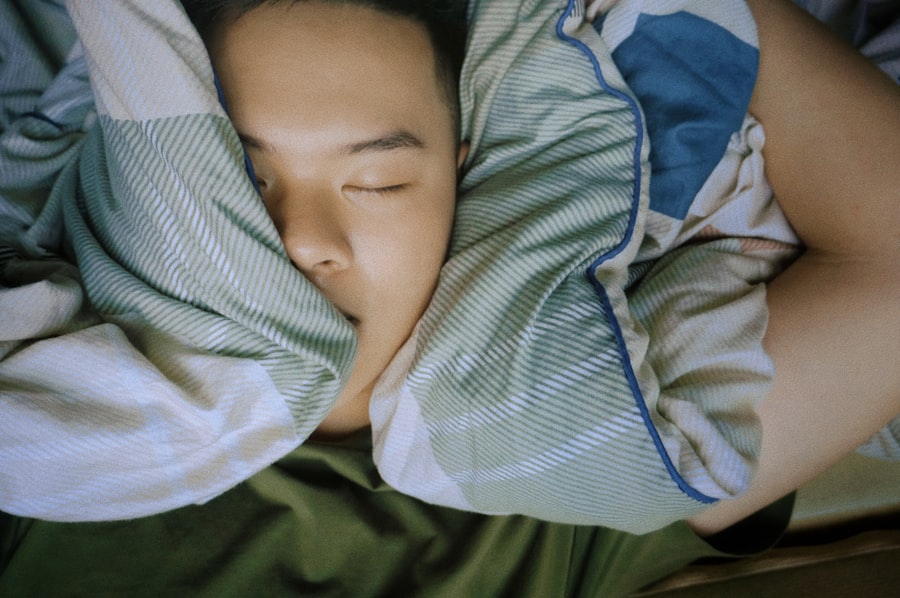
Weight management plays a pivotal role in reducing snoring and alleviating symptoms of sleep apnea. Excess weight, particularly around the neck area, can increase pressure on the airway, leading to blockages during sleep. By adopting a balanced diet and engaging in regular physical activity, you can work towards achieving a healthier weight that may significantly improve your breathing patterns at night.
Incorporating small changes into your daily routine can make a big difference over time. For instance, consider swapping out high-calorie snacks for healthier options like fruits and vegetables. Additionally, finding enjoyable forms of exercise—whether it’s walking, swimming, or dancing—can help you stay motivated and committed to your weight management goals.
As you progress on this journey, you may notice not only improvements in your snoring but also enhanced overall well-being.
Nasal Decongestants and Allergy Management for Snoring and Sleep Apnea
Nasal congestion due to allergies or sinus issues can exacerbate snoring and contribute to sleep apnea symptoms. When your nasal passages are blocked, you may be more likely to breathe through your mouth while sleeping, increasing the likelihood of snoring. To combat this issue, consider using nasal decongestants or antihistamines as part of your nightly routine.
This may involve identifying allergens in your environment—such as dust mites or pet dander—and taking steps to minimize exposure. Regular cleaning of bedding and using hypoallergenic covers can help create a more conducive sleeping environment.
By addressing nasal congestion and allergies, you can pave the way for more restful nights.
Avoiding Alcohol and Sedatives to Reduce Snoring and Sleep Apnea
Alcohol consumption and sedative use can significantly impact your sleep quality and exacerbate snoring or sleep apnea symptoms. Both substances relax the muscles in your throat, increasing the likelihood of airway obstruction during sleep. If you find that alcohol or sedatives are part of your nightly routine, consider reducing or eliminating them altogether.
Instead of relying on these substances to unwind at night, explore healthier alternatives such as herbal teas or relaxation techniques like deep breathing or meditation. By making these adjustments, you can promote better muscle tone in your throat while also enhancing your overall sleep quality.
Using a Humidifier to Reduce Snoring and Sleep Apnea
A humidifier can be a valuable tool in reducing snoring and alleviating symptoms of sleep apnea by maintaining optimal moisture levels in the air while you sleep. Dry air can irritate the throat and nasal passages, leading to increased congestion and discomfort during the night. By adding moisture to the air with a humidifier, you may find it easier to breathe comfortably while sleeping.
When using a humidifier, it’s essential to keep it clean to prevent mold or bacteria buildup that could worsen respiratory issues. Regularly changing the water and cleaning the unit according to manufacturer instructions will ensure that you’re benefiting from its use without introducing new problems into your sleeping environment.
Seeking Professional Help for Snoring and Sleep Apnea
If you’ve tried various remedies without success or if your snoring is accompanied by other concerning symptoms—such as excessive daytime fatigue or gasping for air during sleep—it’s time to seek professional help. A healthcare provider specializing in sleep disorders can conduct a thorough evaluation to determine whether you have sleep apnea or another underlying condition. They may recommend a sleep study to monitor your breathing patterns during the night, providing valuable insights into your specific situation.
Based on their findings, they will work with you to develop an individualized treatment plan that addresses your unique needs and helps improve your overall quality of life.
Creating a Sleep Routine to Reduce Snoring and Sleep Apnea
Establishing a consistent sleep routine is one of the most effective ways to improve your overall sleep quality while reducing snoring and sleep apnea symptoms. Aim to go to bed and wake up at the same time each day, even on weekends. This consistency helps regulate your body’s internal clock, making it easier for you to fall asleep and stay asleep throughout the night.
In addition to maintaining a regular schedule, consider incorporating relaxing pre-sleep rituals into your routine. Activities such as reading, gentle stretching, or practicing mindfulness can signal to your body that it’s time to wind down for the night. By prioritizing these habits, you’ll create an environment conducive to restful sleep while minimizing factors that contribute to snoring and sleep apnea.
In conclusion, addressing snoring and sleep apnea requires a multifaceted approach that encompasses understanding their causes, making lifestyle changes, exploring various treatment options, and seeking professional guidance when necessary. By taking proactive steps toward improving your sleep quality, you can enhance not only your nights but also your overall well-being during waking hours.
If you’re looking for ways to reduce snoring and sleep apnea, there are several strategies you can consider. Lifestyle changes such as losing weight, sleeping on your side, and avoiding alcohol before bedtime can be effective. Additionally, using a humidifier or nasal strips might help improve airflow. For more detailed information on managing these conditions, you can explore related articles on senior health. One such resource is available at Explore Senior Health, where you can find comprehensive guides and tips tailored to improving sleep quality and overall well-being.
WATCH THIS! The Sleep Position Silently Raising Stroke Risk
FAQs
What is snoring?
Snoring is the sound that occurs when air flows past relaxed tissues in the throat, causing them to vibrate during sleep.
What is sleep apnea?
Sleep apnea is a serious sleep disorder in which breathing repeatedly stops and starts during sleep.
What are the common causes of snoring and sleep apnea?
Common causes of snoring and sleep apnea include obesity, nasal congestion, alcohol consumption, smoking, and anatomical factors such as a deviated septum or enlarged tonsils.
How can I reduce snoring and sleep apnea?
You can reduce snoring and sleep apnea by maintaining a healthy weight, avoiding alcohol and sedatives before bedtime, sleeping on your side, using nasal strips or nasal dilators, and seeking medical treatment if necessary.
When should I seek medical help for snoring and sleep apnea?
You should seek medical help if your snoring is loud and disruptive, if you experience excessive daytime sleepiness, or if you suspect you may have sleep apnea. A healthcare professional can provide a proper diagnosis and recommend appropriate treatment options.