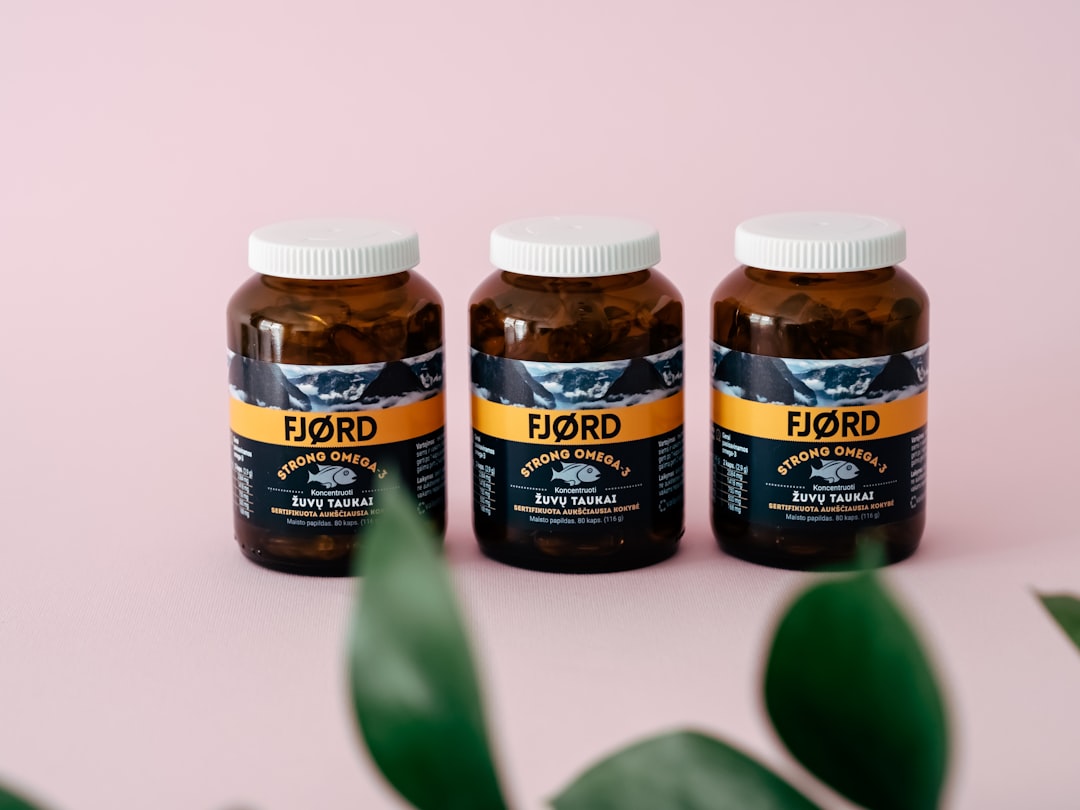
You stand at the precipice of understanding a fundamental nutrient, one that orchestrates a symphony of biological processes within your very being. Omega-3 fatty acids, often discussed yet frequently misunderstood, are not merely a dietary supplement; they are foundational building blocks, integral to your health and longevity. This exploration will peel back the layers, revealing the profound impact these essential fats have, ensuring you grasp their significance beyond superficial marketing claims. You are about to embark on a journey into the cellular world, where the subtle dance of molecules translates into tangible benefits for your mind and body.
To truly appreciate the power of omega-3s, you must first understand their chemical genesis. These are polyunsaturated fatty acids, defined by the presence of multiple double bonds in their carbon chain. The “omega-3” designation itself points to the position of the first double bond, located three carbons from the methyl (omega) end of the molecule. This seemingly minor structural detail holds immense implications for your physiological processes.
Essentiality: Why Your Body Can’t Make Them
Your body is a remarkable chemical factory, synthesizing countless compounds vital for life. However, there are certain molecules it cannot construct from simpler precursors, and omega-3 fatty acids are a prime example. You must obtain them through your diet; therefore, they are classified as “essential fatty acids.” This essentiality underscores their critical role—without a dependable dietary supply, your body operates at a deficit, impacting cellular function across numerous systems.
The Three Primary Types: EPA, DHA, and ALA
While the term “omega-3” acts as an umbrella, it encompasses a family of distinct fatty acids, each with its own unique biochemical contributions:
- Alpha-linolenic Acid (ALA): The Plant-Based Precursor. You encounter ALA predominantly in plant sources like flaxseeds, chia seeds, walnuts, and some vegetable oils. Your body possesses the enzymatic machinery to convert a portion of ALA into EPA and, to a lesser extent, DHA. However, this conversion process is often inefficient, particularly for DHA, and can be influenced by various factors, including the ratio of omega-6 fatty acids in your diet. Think of ALA as the raw material, and EPA and DHA as the refined products your body needs most directly.
- Eicosapentaenoic Acid (EPA): The Anti-Inflammatory Maestro. EPA is primarily found in marine sources, particularly fatty fish. It serves as a precursor to eicosanoids, signaling molecules that play crucial roles in inflammation, blood clotting, and blood vessel dilation. Specifically, EPA gives rise to series-3 prostaglandins and series-5 leukotrienes, which generally exert less pro-inflammatory effects compared to their omega-6 derived counterparts. You can consider EPA as a biological dimmer switch, helping to regulate the intensity of inflammatory responses.
- Docosahexaenoic Acid (DHA): The Brain and Eye Architect. Also abundant in fatty fish, DHA is a primary structural component of your brain, retina, and other nerve tissues. It constitutes a significant percentage of the fatty acids in your cerebral cortex, suggesting its indispensable role in cognitive function, learning, and memory. For your eyes, DHA is concentrated in the photoreceptor membranes, crucial for maintaining optimal vision. Imagine DHA as the meticulously laid bricks of a complex building, essential for its structural integrity and functional capacity.
Omega-3 fatty acids are essential nutrients that play a crucial role in maintaining heart health, reducing inflammation, and supporting brain function. For those interested in learning more about the benefits of Omega-3s, a related article can be found at Explore Senior Health, which provides insights into how these fatty acids can improve overall well-being, especially in older adults.
Impact on Cardiovascular Health: Protecting Your Heart
The cardiovascular system, a sprawling network of arteries and veins tirelessly pumping blood throughout your body, is profoundly influenced by the presence of adequate omega-3s. Their actions are multifaceted, addressing several key risk factors for heart disease. You are essentially providing your heart with an internal shield, fortifying its function from within.
Triglyceride Reduction: A Cornerstone Benefit
High triglyceride levels are an independent risk factor for cardiovascular disease. Omega-3 fatty acids, particularly EPA and DHA, exhibit a potent ability to lower serum triglyceride concentrations. This occurs through several mechanisms, including the inhibition of triglyceride synthesis in the liver and an increase in fatty acid oxidation. You are, in essence, encouraging your body to burn fats for energy rather than storing them in excess.
Blood Pressure Regulation: A Gentle Hand
While not a panacea for hypertension, omega-3s can contribute to modest reductions in blood pressure, particularly in individuals with elevated levels. This effect is thought to be mediated by their impact on endothelial function, improving the elasticity of blood vessels, and potentially through their influence on kidney function and the nervous system. Consider omega-3s as a subtle hand, gently guiding your blood pressure towards a healthier range.
Anti-Arrhythmic Effects: Stabilizing the Heart’s Rhythm
Certain types of omega-3s, especially DHA, have been shown to possess anti-arrhythmic properties. They can stabilize cardiac cell membranes, making them less susceptible to erratic electrical activity that can lead to dangerous heart rhythms. This contributes to a more stable, predictable heartbeat, reducing your risk of life-threatening events. You are, in effect, providing a steadying presence for one of your body’s most vital organs.
Anti-inflammatory and Anti-Thrombotic Actions: Broad Protection
Beyond these specific mechanisms, omega-3s exert broader protective effects. Their anti-inflammatory properties help to mitigate chronic inflammation within the arterial walls, a key driver of atherosclerosis (hardening of the arteries). Additionally, they can reduce platelet aggregation, making your blood less prone to forming clots that could block arteries and trigger heart attacks or strokes. You are actively reducing the “wear and tear” on your circulatory system and preventing blockages.
Cognitive Function and Mental Health: Unlocking Brain Potential

Your brain, a marvel of biological engineering, is heavily reliant on a steady supply of omega-3s, particularly DHA. From the earliest stages of development to the complexities of adult cognition and the challenges of aging, these fats play an indispensable role in maintaining its structure and function. You are investing in the very hardware that defines your thoughts, memories, and emotions.
Brain Development: The Foundation for Intelligence
During fetal development and early childhood, DHA accumulates rapidly in the brain and retina. It is critical for the proper formation of neural membranes, synaptogenesis (the formation of connections between neurons), and overall neurological development. For expecting mothers, sufficient DHA intake is paramount, laying the groundwork for a child’s cognitive abilities and visual acuity. Think of DHA as the scaffolding essential for constructing a complex intellectual infrastructure.
Memory and Learning: Sustaining Cognitive Prowess
In adulthood, omega-3s contribute to maintaining cognitive function, particularly aspects related to memory, learning, and executive function. They are involved in neuroplasticity, the brain’s ability to reorganize itself by forming new neural connections, which is fundamental to adapting and learning. Studies suggest that higher omega-3 intake correlates with improved cognitive performance and potentially a reduced risk of age-related cognitive decline. You are, in essence, lubricating the gears of your mental machinery, ensuring smooth and efficient operation.
Mood Regulation and Mental Well-being: A Beacon of Hope
A substantial body of research explores the link between omega-3 fatty acids and mental health. While not a standalone cure, omega-3 supplementation has shown promise as an adjunctive treatment for various mood disorders, including depression and anxiety. Mechanisms proposed include their anti-inflammatory effects within the brain, their influence on neurotransmitter systems (such as serotonin and dopamine), and their role in cell membrane fluidity, which can impact receptor function. You are providing a form of nutritional support that can help stabilize the often-turbulent landscape of mental and emotional states.
Neuroprotection: Guarding Against Decline
Omega-3s exert neuroprotective effects, potentially guarding against damage from oxidative stress and inflammation, both of which are implicated in neurodegenerative diseases. By maintaining the integrity of neuronal membranes and promoting healthy cellular signaling, they may contribute to preserving brain health as you age. Consider omega-3s as a protective sheath around your delicate neural pathways, safeguarding them against environmental and age-related insults.
Inflammation and Immune Response: Balancing the Body’s Defenses

Inflammation is a double-edged sword. While acute inflammation is a vital protective response to injury or infection, chronic low-grade inflammation is a silent orchestrator of numerous diseases. Omega-3 fatty acids, particularly EPA, play a pivotal role in modulating this delicate balance, ensuring your immune system responds appropriately without overreacting. You are effectively providing your body with a sophisticated thermostat for its inflammatory responses.
The Eicosanoid Pathway: A Molecular Crossroads
Central to inflammation is the eicosanoid pathway. Omega-6 fatty acids, prominent in many Western diets, are converted into pro-inflammatory eicosanoids (e.g., series-2 prostaglandins, series-4 leukotrienes). Conversely, EPA gives rise to less inflammatory or anti-inflammatory eicosanoids (e.g., series-3 prostaglandins, series-5 leukotrienes). A healthy balance between omega-6 and omega-3 intake is therefore crucial, as these fatty acids compete for the same enzymes in the eicosanoid cascade. You are, in a sense, influencing which biochemical branch your body takes at this critical juncture.
Resolvins and Protectins: The “Stop” Signals of Inflammation
Beyond simply reducing pro-inflammatory mediators, omega-3 fatty acids are also precursors to specialized pro-resolving mediators (SPMs) such as resolvins, protectins, and maresins. These lipid mediators actively promote the resolution of inflammation, helping to “turn off” the inflammatory response and restore tissue homeostasis. They are the body’s natural clean-up crew, signalling the end of an inflammatory episode. You are not just inhibiting inflammation; you are actively encouraging its graceful exit once its purpose is served.
Immune Cell Function: Fine-Tuning Defenses
Omega-3s can also modulate the function of various immune cells, including macrophages, T-cells, and B-cells. They can influence cytokine production, cell proliferation, and even antigen presentation. This fine-tuning of immune responses can have implications for autoimmune diseases, allergies, and the body’s overall ability to defend itself against pathogens. You are providing your immune cells with the intelligence to act effectively and judiciously.
Implications for Chronic Diseases: A Widespread Influence
The anti-inflammatory effects of omega-3s have broad implications for a host of chronic diseases where inflammation is a key driver. This includes conditions like rheumatoid arthritis, inflammatory bowel disease, asthma, and even certain cancers. While not a cure, incorporating adequate omega-3s into your diet can be a valuable strategy in managing and potentially mitigating the progression of these conditions. You are empowering your body to better combat the underlying mechanisms of many insidious illnesses.
Omega-3 fatty acids are essential nutrients that play a crucial role in maintaining heart health and supporting brain function. For those interested in learning more about the benefits of these fatty acids, a related article can provide valuable insights into their impact on overall well-being. You can explore this further by visiting this informative page, which discusses various aspects of Omega-3s and their importance in a balanced diet.
Sources and Supplementation: Ensuring Adequate Intake
| Metric | Value | Unit | Notes |
|---|---|---|---|
| Recommended Daily Intake (Adults) | 250-500 | mg EPA + DHA | Combined eicosapentaenoic acid (EPA) and docosahexaenoic acid (DHA) |
| Typical Omega-3 Content in Salmon | 1,500-2,000 | mg per 100g | Wild Atlantic salmon |
| Omega-3 to Omega-6 Ratio (Ideal) | 1:1 to 1:4 | Ratio | Balance important for reducing inflammation |
| Alpha-Linolenic Acid (ALA) Conversion Rate to EPA/DHA | 5-10% | Percentage | Varies by individual and gender |
| Omega-3 Content in Flaxseed Oil | 50-60 | g per 100g | Rich in ALA |
| Half-life of EPA in Blood | 37 | hours | Time EPA remains active in bloodstream |
| Half-life of DHA in Blood | 46 | hours | Time DHA remains active in bloodstream |
| Omega-3 Fatty Acids in Fish Oil Capsules | 300-1,000 | mg per capsule | Varies by brand and formulation |
Given the essential nature of omega-3s, understanding how to maintain an adequate intake is paramount. Your diet is the primary conduit, but sometimes, supplementation becomes a practical and effective strategy. You are responsible for providing your body with this vital nutrient, and knowing your options is key.
Dietary Sources: Nature’s Bounty
The richest and most bioavailable sources of EPA and DHA are fatty fish. Consider them as concentrated packets of these beneficial fats. Examples include:
- Salmon: Wild-caught salmon typically boasts higher omega-3 content than farmed varieties.
- Mackerel: A small, oily fish that is an excellent source.
- Sardines: Often underestimated, sardines are a very concentrated and sustainable source.
- Herring: Another fatty fish with a high omega-3 concentration.
- Anchovies: Small but mighty, these fish are packed with omega-3s.
- Tuna: While some tuna contains omega-3s, larger varieties like albacore can contain higher mercury levels, so moderation is advised.
For ALA, your plant-based options are plentiful:
- Flaxseeds and Flaxseed Oil: Among the richest plant sources of ALA.
- Chia Seeds: Another excellent source, often added to smoothies and yogurts.
- Walnuts: Provide a good balance of healthy fats, including ALA.
- Soybeans and Soybean Oil: Contain ALA, though often alongside higher omega-6 levels.
- Canola Oil: A cooking oil that offers a modest amount of ALA.
You are encouraged to diversify your dietary intake to ensure a broad spectrum of nutrients, including omega-3s.
Supplementation: When Diet Alone Isn’t Enough
Despite best efforts, dietary intake of omega-3s may sometimes fall short, especially for those who dislike fish or have specific health needs. This is where supplementation becomes a valuable tool.
- Fish Oil Supplements: These are the most common source, typically providing EPA and DHA. Look for products that are molecularly distilled to remove contaminants like mercury and PCBs, and check for third-party testing certifications (e.g., IFOS, Labdoor) to ensure purity and potency. You are seeking a clean, concentrated form of these essential fats.
- Algal Oil Supplements: For vegetarians and vegans, algal oil derived from microalgae is an excellent direct source of DHA, and often EPA. This bypasses the need for plant-based ALA conversion, offering a direct supply. This is a direct source, circumventing the lower conversion rates associated with ALA.
- Cod Liver Oil: While a good source of omega-3s, it also contains significant amounts of Vitamin A and D. While beneficial in moderation, excessive intake can lead to vitamin A toxicity, so monitor your total intake carefully. You are seeking balanced nutrition, not an overdose of any single nutrient.
Dosage and Considerations: Tailoring to Your Needs
There isn’t a single universal dosage, as needs vary based on age, health status, and specific conditions. General recommendations typically range from 250-500 mg of combined EPA and DHA daily for healthy adults. However, for specific conditions like high triglycerides or inflammatory diseases, higher dosages (e.g., 1,000-4,000 mg combined EPA and DHA) may be recommended by a healthcare professional.
- Omega-6 to Omega-3 Ratio: While both are essential, the typical Western diet is heavily skewed towards omega-6 fatty acids (found in many vegetable oils, processed foods). An ideal ratio is considered to be closer to 1:1 or 4:1 (omega-6 to omega-3), whereas many modern diets are 10:1 or even 20:1. This imbalance can promote a pro-inflammatory state. You are striving for a harmonious equilibrium, not an overwhelming dominance by one side.
- Interactions and Side Effects: Omega-3 supplements are generally well-tolerated. Potential side effects can include fishy aftertaste, gastrointestinal upset, and in very high doses, an increased risk of bleeding (though this is rare at commonly recommended dosages). If you are on blood-thinning medication or have a bleeding disorder, consult your doctor before taking high doses of omega-3s. You must remain vigilant and consider your individual health profile.
In conclusion, you now possess a comprehensive understanding of omega-3 fatty acids, moving beyond the superficial to grasp their profound impact on your body’s intricate systems. You are empowered with the knowledge to make informed dietary choices and, if necessary, to select the right supplements to nurture your cardiovascular health, optimize your cognitive function, and fine-tune your immune responses. Embrace this knowledge; it is a powerful tool for safeguarding your well-being.

WATCH NOW ▶️ Brain fog fish oil alternative
FAQs
What are Omega-3 fatty acids?
Omega-3 fatty acids are a group of essential polyunsaturated fats that play a crucial role in brain function, heart health, and inflammation regulation. They are considered essential because the body cannot produce them, so they must be obtained through diet or supplements.
What are the main types of Omega-3 fatty acids?
The three main types of Omega-3 fatty acids are ALA (alpha-linolenic acid), found in plant oils; EPA (eicosapentaenoic acid); and DHA (docosahexaenoic acid), both primarily found in marine oils such as fish and algae.
What are the health benefits of Omega-3 fatty acids?
Omega-3 fatty acids have been shown to support cardiovascular health by reducing triglycerides, lowering blood pressure, and decreasing the risk of heart disease. They also contribute to brain health, reduce inflammation, and may improve symptoms of depression and anxiety.
Which foods are rich sources of Omega-3 fatty acids?
Rich dietary sources of Omega-3s include fatty fish like salmon, mackerel, sardines, and anchovies. Plant-based sources include flaxseeds, chia seeds, walnuts, and hemp seeds, which primarily provide ALA.
Are there any risks or side effects associated with Omega-3 supplements?
Omega-3 supplements are generally safe when taken at recommended doses. However, high doses may increase the risk of bleeding, interact with blood-thinning medications, or cause digestive issues. It is advisable to consult a healthcare provider before starting supplementation.