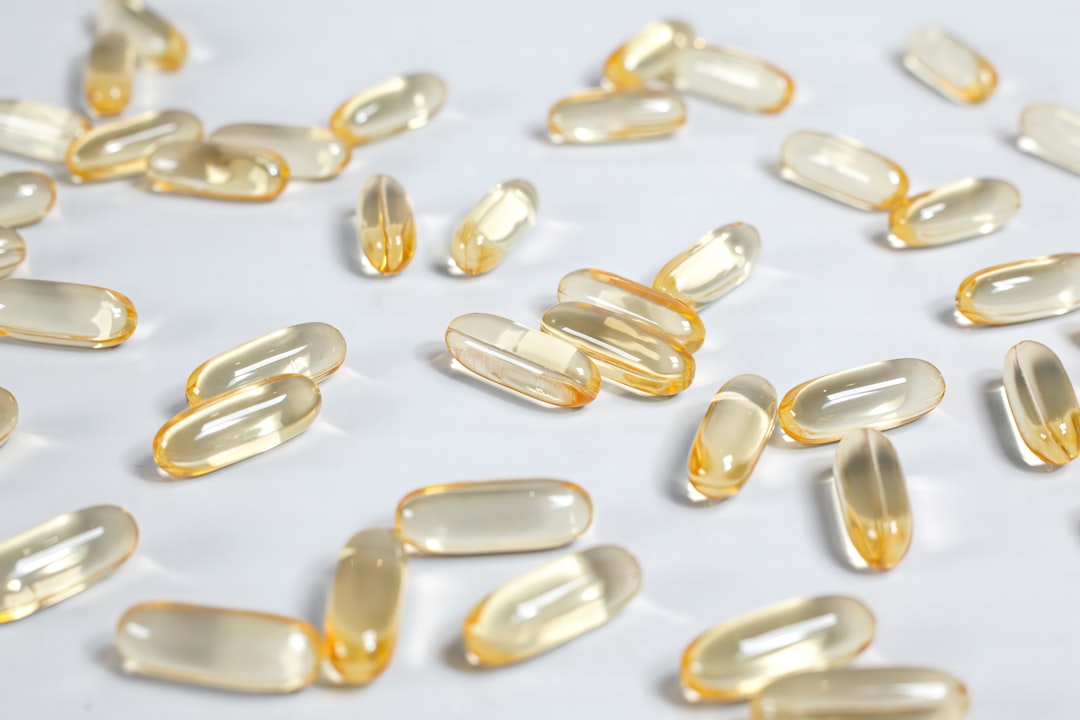
You’ve reached a point where you’re considering proactive steps to optimize your well-being. The vast landscape of natural health offers a compelling avenue for this exploration: nutritional supplements. These concentrated doses of vitamins, minerals, herbs, and other bioactive compounds are not a panacea, but rather an intricate toolset designed to complement a balanced lifestyle. Think of your body as a complex machine; supplements can act as specialized lubricants, cleaning agents, or even replacement parts for those aspects of your internal machinery that might be performing suboptimally. This guide will delve into the science and practical application of natural supplements, empowering you to make informed decisions for your health journey.
The term “natural supplements” encompasses a broad spectrum of products. These are distinct from pharmaceutical drugs, as their primary purpose is to supplement the diet, not to treat, cure, or prevent disease. However, their influence on physiological processes can be profound. Your journey into supplementation begins with a foundational understanding of what these products are and what they are not.
Defining Dietary Supplements
A dietary supplement, as defined by the Food and Drug Administration (FDA) in the United States, is a product intended to supplement the diet and contains one or more dietary ingredients (including vitamins, minerals, herbs or other botanicals, amino acids, and other substances). These products are ingested orally in forms such as tablets, capsules, powders, softgels, gelcaps, or liquids. It is crucial to remember that this definition highlights supplementation, not replacement. A varied and nutrient-rich diet remains the cornerstone of good health.
Regulatory Considerations
The regulatory framework for dietary supplements differs significantly from that for prescription and over-the-counter drugs. In many countries, including the United States, supplements do not undergo pre-market approval for efficacy or safety by regulatory bodies before they are sold to the public. Manufacturers are responsible for ensuring their products are safe and accurately labeled. This distinction places a greater onus on you, the consumer, to exercise due diligence in selecting reputable brands and understanding the scientific basis for any claims made. You are the ultimate gatekeeper of what enters your body.
The Role of Evidence-Based Decision Making
Navigating the world of supplements requires a critical eye. Anecdotal evidence, while sometimes compelling, should not be the sole basis for your choices. Instead, prioritize products and claims that are supported by rigorous scientific research, including randomized controlled trials and meta-analyses. Think of scientific research as a sturdy bridge crossing a chasm of uncertainty; it provides a reliable path forward. Be wary of exaggerated claims or promises of miraculous cures, as these often lack scientific backing.
Natural supplements have gained popularity among those seeking alternative health solutions, particularly in the realm of senior health. For a deeper understanding of how these supplements can impact overall well-being, you can explore an insightful article on the topic at Explore Senior Health. This resource provides valuable information on various natural supplements, their benefits, and considerations for older adults looking to enhance their health naturally.
Essential Supplements for Foundational Health
While individual needs vary significantly, certain supplements address common deficiencies or support fundamental physiological processes that are beneficial for a broad population. These “bedrock” supplements lay the groundwork for overall well-being.
Vitamin D: The Sunshine Vitamin
Vitamin D is a fat-soluble vitamin crucial for bone health, immune function, and mood regulation. Your body synthesizes Vitamin D when your skin is exposed to sunlight, earning it the moniker “the sunshine vitamin.” However, factors like geographic location, skin pigmentation, extended indoor time, and seasonal changes can make adequate sun exposure challenging.
Bone Health and Calcium Absorption
Vitamin D plays a critical role in regulating calcium and phosphate levels in the body, essential for maintaining strong bones and teeth. Without adequate Vitamin D, your body cannot efficiently absorb calcium from your diet, leading to conditions like osteomalacia in adults and rickets in children. Consider Vitamin D and calcium as two gears in a complex machine; they must work in concert for optimal function.
Immune System Modulation
Emerging research highlights Vitamin D’s role in modulating the immune system. It influences both innate and adaptive immune responses, potentially reducing the risk and severity of various infections and chronic inflammatory diseases. A well-tuned immune system, partially supported by Vitamin D, acts as your body’s personal defense force, ready to repel invaders.
Dosage and Monitoring
The recommended daily allowance (RDA) for Vitamin D in adults is typically 600-800 International Units (IU), though many experts advocate for higher doses, especially for individuals with confirmed deficiency. A simple blood test can determine your Vitamin D levels, allowing for personalized supplementation strategies.
Omega-3 Fatty Acids: Essential Fats
Omega-3 fatty acids, particularly eicosapentaenoic acid (EPA) and docosahexaenoic acid (DHA), are polyunsaturated fats considered “essential” because your body cannot produce them; you must obtain them through your diet or supplementation. They are primarily found in fatty fish like salmon, mackerel, and sardines.
Cardiovascular Health
Omega-3s are renowned for their cardiovascular benefits. They can help lower triglyceride levels, reduce blood pressure, improve endothelial function (the lining of your blood vessels), and possess anti-inflammatory properties that contribute to cardiac health. Think of Omega-3s as a clean-up crew for your cardiovascular system, actively working to maintain its smooth operation.
Brain Function and Cognitive Health
DHA is a major structural component of the brain, particularly in areas involved in memory, learning, and cognitive function. Adequate intake of Omega-3s is associated with improved cognitive performance and may play a role in reducing the risk of neurodegenerative diseases. Your brain, the command center of your body, thrives on these essential fats.
Inflammation Reduction
Chronic inflammation is a silent aggressor, contributing to a myriad of health issues from autoimmune diseases to metabolic disorders. Omega-3 fatty acids possess potent anti-inflammatory properties, acting as natural balancers in your body’s immune response.
Magnesium: The Master Mineral
Magnesium is an essential mineral involved in over 300 biochemical reactions in your body, yet surveys suggest a significant portion of the population may not consume adequate amounts. It’s a true multi-tasker, playing a role in nerve function, muscle contraction, blood sugar control, blood pressure regulation, and bone development.
Energy Production and Muscle Function
Magnesium is critical for ATP (adenosine triphosphate) production, the primary molecule for storing and transferring energy in cells. It also plays a vital role in muscle relaxation, helping to prevent cramps and spasms. Without sufficient magnesium, your internal energy supply chain can falter.
Stress Reduction and Sleep Quality
Magnesium contributes to the regulation of neurotransmitters that are closely linked to mood and sleep. It can help calm the nervous system, reduce anxiety, and improve sleep quality. Imagine magnesium as a natural tranquilizer, gently guiding your body towards relaxation.
Bioavailability and Forms
Different forms of magnesium have varying bioavailability (how well your body absorbs it). Magnesium citrate, glycinate, and malate are generally well-absorbed, while magnesium oxide is less bioavailable but can be useful for constipation.
Specialized Supplements for Targeted Support

Beyond foundational health, specific natural supplements can address particular concerns or support specialized bodily functions. These are often used for a defined period or by individuals with specific lifestyle factors or health goals.
Probiotics: Gut Microbiome Support
The human gut is a complex ecosystem teeming with trillions of microorganisms, collectively known as the gut microbiota. Probiotics are live microorganisms that, when administered in adequate amounts, confer a health benefit on the host. They are the “good bacteria” that help maintain a healthy balance in your digestive tract.
Digestive Health
Probiotics can aid in digestion, improve nutrient absorption, and alleviate symptoms of various digestive issues, including irritable bowel syndrome (IBS), constipation, and diarrhea. They help maintain the delicate balance of your internal garden, ensuring beneficial flora thrive.
Immune System Enhancement
A significant portion of your immune system resides in your gut. Probiotics can interact with immune cells, influencing immune responses and potentially boosting your body’s defense mechanisms. A healthy gut microbiome acts as a formidable first line of defense.
Strain Specificity
The benefits of probiotics are often strain-specific. Look for products that clearly list the specific bacterial strains (e.g., Lactobacillus acidophilus NCFM, Bifidobacterium lactis HN019) and their colony-forming units (CFUs).
Adaptogens: Stress Resilience
Adaptogens are unique herbs or mushrooms that help your body adapt to various stressors, whether physical, chemical, or biological. They promote homeostasis, helping your body maintain equilibrium under pressure. Think of them as internal shock absorbers, buffering your response to life’s bumps and jolts.
Ashwagandha: Ancient Wisdom for Modern Stress
Ashwagandha (Withania somnifera) is a prominent adaptogen in Ayurvedic medicine. It is traditionally used to reduce stress and anxiety, improve sleep, and enhance cognitive function. Its calming properties can help temper the body’s overactive stress response.
Rhodiola Rosea: Energy and Stamina
Rhodiola Rosea is an adaptogen known for its ability to improve physical and mental performance, reduce fatigue, and enhance resilience to stress. It can be particularly beneficial for individuals facing demanding physical or intellectual challenges.
Siberian Ginseng (Eleuthero): Broad Spectrum Support
Siberian Ginseng (Eleuthero senticosus) is another well-researched adaptogen that helps improve stamina, reduce fatigue, and support immune function. It acts as a general tonic, assisting your body in maintaining balance during periods of heightened demand.
Smart Supplementation: Best Practices

Embarking on a supplementation regimen requires thoughtful consideration and adherence to best practices to maximize benefits and minimize potential risks. Reckless supplementation can be as unhelpful as neglecting your health altogether.
Consult with a Healthcare Professional
Before starting any new supplement regimen, especially if you have existing health conditions, are pregnant or breastfeeding, or are taking medications, consult with a doctor, registered dietitian, or a qualified natural health practitioner. They can help assess your individual needs, identify potential interactions, and guide you towards safe and effective choices. Consider them your navigational charts in the vast ocean of health.
Quality Over Quantity
The supplement market is vast and varied. Prioritize reputable brands that adhere to good manufacturing practices (GMPs), provide third-party testing for purity and potency, and are transparent about their ingredients. A higher price tag doesn’t always guarantee quality, but an unusually low price can be a red flag. Invest in quality; your health is worth it.
Dosage and Timing
Follow recommended dosages on product labels unless otherwise directed by a healthcare professional. More is not always better, and excessive doses can sometimes lead to adverse effects. Pay attention to timing instructions, as some supplements are best taken with food, while others are more effective on an empty stomach. Proper dosage and timing are like finely tuning an instrument; they ensure optimal performance.
Synergy and Interactions
Be aware of potential synergistic effects (where supplements enhance each other’s benefits) and adverse interactions (where supplements or medications interfere with each other). For example, Vitamin D and K2 often work synergistically for bone and cardiovascular health. Conversely, certain supplements can interact with blood thinners or other medications. Always disclose all supplements and medications you are taking to your healthcare provider.
Patience and Consistency
The effects of natural supplements are rarely instantaneous. It often takes consistent use over weeks or even months to observe tangible benefits. Think of building health as cultivating a garden; consistent care and patience yield the best results. Don’t expect immediate miracles; instead, embrace the journey of gradual improvement.
Natural supplements have gained popularity among those seeking alternative ways to enhance their health and well-being. Many individuals are turning to these supplements to support various aspects of their health, from boosting immunity to improving cognitive function. For a deeper understanding of how natural supplements can play a role in senior health, you can explore a related article that discusses their benefits and potential risks. This informative piece can be found at Explore Senior Health, where you will find valuable insights into making informed choices about natural supplements.
Conclusion
| Supplement | Common Use | Typical Dosage | Potential Benefits | Possible Side Effects |
|---|---|---|---|---|
| Turmeric (Curcumin) | Anti-inflammatory, antioxidant | 500-2000 mg/day | Reduces inflammation, may improve joint health | Stomach upset, nausea, dizziness |
| Omega-3 Fatty Acids (Fish Oil) | Heart health, brain function | 1000-3000 mg/day | Supports cardiovascular health, reduces triglycerides | Fishy aftertaste, bleeding risk at high doses |
| Probiotics | Digestive health | 1-10 billion CFU/day | Improves gut flora balance, supports immune system | Bloating, gas, mild digestive discomfort |
| Vitamin D | Bone health, immune support | 600-2000 IU/day | Enhances calcium absorption, supports immune function | Hypercalcemia if overdosed, nausea |
| Magnesium | Muscle function, relaxation | 200-400 mg/day | Reduces muscle cramps, supports nerve function | Diarrhea, stomach upset |
Natural supplements, when used judiciously and with an informed perspective, can serve as powerful allies in your pursuit of optimal health. They are not substitutes for a nutrient-rich diet, regular exercise, adequate sleep, and stress management, but rather potent enhancers that can fill nutritional gaps, support physiological processes, and bolster your body’s resilience. By understanding the science, making evidence-based decisions, and working collaboratively with healthcare professionals, you can strategically leverage the power of natural supplements to boost your health and cultivate a more vibrant, resilient you. Your journey towards enhanced well-being is a personal one, and equipped with knowledge, you are better prepared to navigate its intricate pathways.

WATCH NOW ▶️ Brain fog fish oil alternative
FAQs
What are natural supplements?
Natural supplements are products derived from natural sources such as plants, minerals, and herbs, intended to enhance health and provide nutrients that may be missing from the diet.
Are natural supplements safe to use?
While many natural supplements are generally considered safe when used as directed, their safety can vary depending on the product, dosage, and individual health conditions. It is important to consult a healthcare professional before starting any supplement.
Can natural supplements replace prescription medications?
Natural supplements are not intended to replace prescription medications. They may support overall health but should not be used as a substitute for treatments prescribed by a healthcare provider.
How are natural supplements regulated?
In many countries, natural supplements are regulated as dietary supplements rather than drugs. This means they are subject to less stringent testing and approval processes, but manufacturers must ensure their products are safe and properly labeled.
Do natural supplements have proven health benefits?
Some natural supplements have scientific evidence supporting their health benefits, while others lack rigorous research. It is important to review credible studies and consult healthcare professionals to understand the effectiveness of specific supplements.