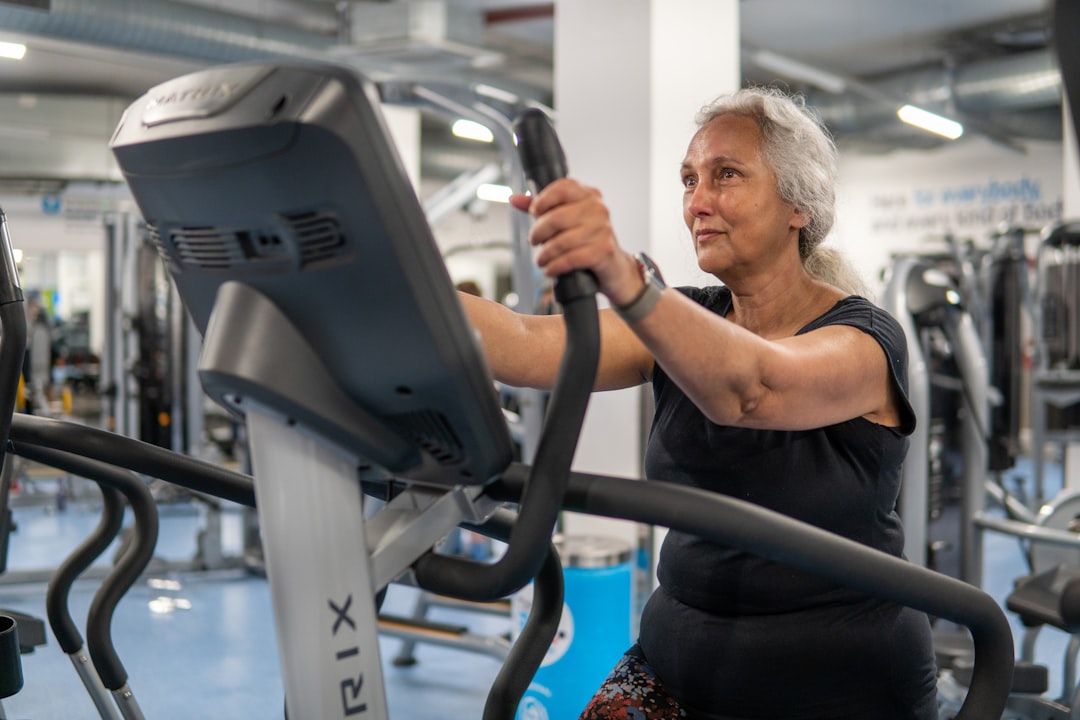
Strength training, often perceived as a pursuit for the young and athletic, holds profound benefits for individuals aged 75 and above. This age group, more than any other, stands to gain significant improvements in quality of life, functional independence, and overall health through targeted resistance exercise. While the physiological landscape changes with age, the body’s capacity to adapt and build muscle remains remarkably intact, albeit requiring a nuanced and informed approach.
As you age, particularly beyond your mid-sixties, your body undergoes a series of predictable, though not entirely unavoidable, changes. Understanding these changes is crucial for designing an effective and safe strength training program. You are not simply a younger version of yourself with more wrinkles; your internal machinery has different operating parameters.
Sarcopenia: The Silent Thief of Muscle
One of the most significant changes you face is sarcopenia, the progressive and generalized loss of skeletal muscle mass and strength. This isn’t merely cosmetic; it’s a fundamental shift that impacts nearly every aspect of your physical existence. Imagine your muscle mass as your body’s savings account; with sarcopenia, you’re experiencing a steady withdrawal without sufficient deposits.
- Rate of Loss: Studies indicate that muscle mass can decline by 3-8% per decade after the age of 30, with this rate accelerating significantly after 60. By 75, this cumulative loss can be substantial.
- Impact on Strength: The loss of muscle mass directly correlates with a reduction in muscle strength, a condition known as dynapenia. You might find everyday tasks that were once trivial, like opening a jar or climbing stairs, becoming increasingly challenging.
- Metabolic Consequences: Muscle is metabolically active tissue. A reduction in muscle mass can lead to a slower metabolism, making weight management more difficult and contributing to increased body fat.
Bone Density and Osteoporosis
Your muscles are not isolated entities; they are integrally connected to your skeletal system. As you age, particularly if you are female, you are at an increased risk of osteoporosis, a condition characterized by weakened and brittle bones. Picture your bones as a scaffolding; with osteoporosis, the struts become thinner and more fragile.
- Weight-Bearing Exercise: Strength training, particularly exercises that involve lifting weights or your own body weight, places mechanical stress on your bones. This stress signals to your osteoblasts (bone-building cells) to lay down new bone tissue, thereby improving or maintaining bone mineral density.
- Reduced Fracture Risk: Stronger bones are less likely to fracture in the event of a fall. Given that falls are a leading cause of injury and disability in older adults, this is a paramount benefit.
Connective Tissue Changes
Your tendons and ligaments, the connective tissues that link muscles to bones and bones to bones, also undergo changes with age. They can become less elastic and more prone to injury. Think of these tissues as rubber bands; with age, they become stiffer and less pliable.
- Gradual Progression: A well-structured strength training program for seniors emphasizes gradual progression, allowing these tissues to adapt slowly and safely, reducing the risk of strains and sprains.
- Improved Joint Stability: Stronger muscles surrounding a joint act as natural stabilizers, mitigating the impact of less resilient connective tissues.
For seniors over 75, engaging in muscle-building activities can significantly enhance overall health and mobility. A related article that provides valuable insights on this topic is available at Explore Senior Health. This resource offers practical tips and exercises tailored for older adults, emphasizing the importance of strength training in maintaining independence and improving quality of life.
Core Principles of Strength Training for Seniors
Engaging in strength training at 75+ requires adherence to specific principles that prioritize safety, effectiveness, and long-term adherence. This is not about pushing your limits to achieve peak performance, but rather about optimizing your functional capacity and improving your quality of life.
Gradual Progression: The Tortoise, Not The Hare
You wouldn’t expect a sapling to bear the weight of a mature oak. Similarly, your body needs time to adapt to new stressors. Gradual progression is perhaps the most critical principle for seniors. You are building a new foundation, not trying to outrace someone.
- Starting Light: Begin with very light weights or resistance. Your focus should be on mastering proper form before increasing the load.
- Incremental Increases: Increase resistance, repetitions, or sets slowly over weeks or months. A 5% increase every few weeks might be appropriate, rather than a 20% jump.
- Listening to Your Body: Differentiate between muscle fatigue (good) and joint pain (bad). If you experience pain, stop the exercise and re-evaluate your form or reduce the load.
Emphasis on Form and Technique
Correct form is paramount to prevent injury and ensure that the target muscles are effectively engaged. Think of proper form as the blueprint for safe and effective construction; deviation can lead to structural flaws.
- Qualified Guidance: Consider working with a certified personal trainer specializing in older adults. They can help you learn proper technique and provide personalized modifications.
- Slow and Controlled Movements: Avoid jerky or momentum-driven movements. Each repetition should be controlled through the full range of motion.
- Mirror Feedback: Utilize mirrors to observe your posture and movement pattern, ensuring alignment.
Full Body Approach: A Balanced Foundation
Relying on a balanced, full-body approach ensures that all major muscle groups are adequately stimulated. Focusing on only a few muscle groups is like trying to build a stable house with only a few strong walls.
- Compound Exercises: Prioritize multi-joint exercises such as squats (bodyweight or assisted), lunges, push-ups (wall or knee variations), rows (resistance band or light dumbbell), and shoulder presses. These movements mimic daily activities and engage multiple muscle groups simultaneously.
- Antagonist Muscle Pairing: Ensure you train opposing muscle groups (e.g., biceps and triceps, quadriceps and hamstrings) to prevent muscular imbalances that could lead to postural issues or injuries.
Rest and Recovery: The Unsung Hero
Muscle growth and adaptation occur primarily during rest, not during the workout itself. Adequate recovery is your body’s repair workshop.
- Adequate Sleep: Aim for 7-9 hours of quality sleep per night.
- Rest Days: Allow at least 48 hours between training sessions for the same muscle group. This might mean training 2-3 times per week on non-consecutive days.
- Active Recovery: Light activities such as walking or gentle stretching on rest days can promote blood flow and aid recovery.
Essential Strength Training Exercises for 75+
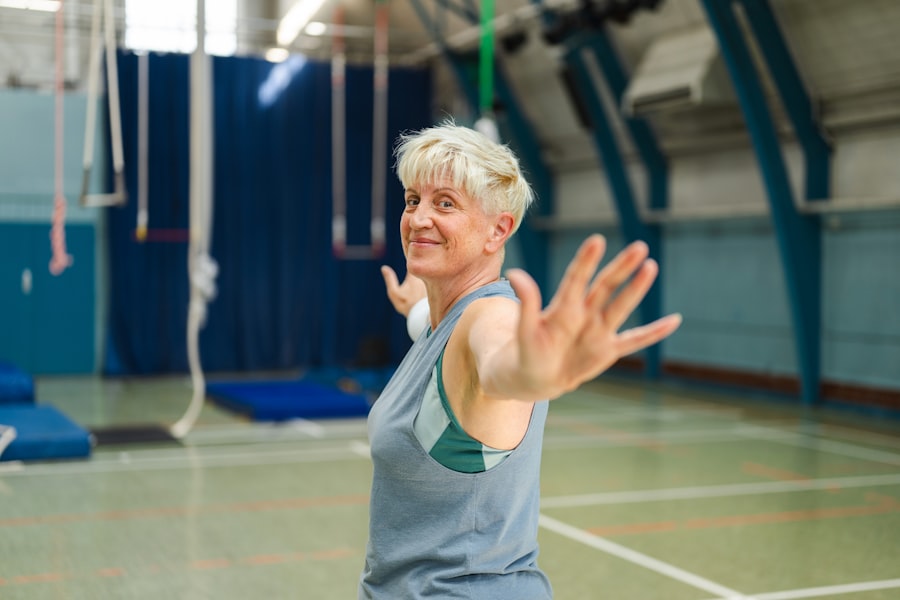
While specific exercises should be tailored to individual capabilities and health conditions, a core set of movements forms the foundation of an effective program for older adults. These exercises focus on improving functional strength relevant to daily living.
Lower Body Strength: Your Pillars of Independence
Your lower body muscles are crucial for mobility, balance, and preventing falls. Strengthening these muscles directly translates to improved ability to walk, climb stairs, and sit/stand independently. Imagine your legs as the engines that power your daily life.
- Chair Squats/Sit-to-Stands:
- Execution: Begin by sitting on a sturdy chair with your feet shoulder-width apart. Lean slightly forward, engage your core, and push through your heels to stand up, then slowly and controlled, sit back down. For increased challenge, reduce the height of the chair or hold a light weight to your chest.
- Benefits: Directly improves the ability to stand up from a seated position, critical for daily tasks.
- Glute Bridges:
- Execution: Lie on your back with knees bent and feet flat on the floor, hip-width apart. Engage your glutes and lift your hips off the floor until your body forms a straight line from shoulders to knees. Hold briefly, then slowly lower.
- Benefits: Strengthens glutes and hamstrings, crucial for hip extension and walking stability.
- Calf Raises:
- Execution: Stand upright, holding onto a chair or wall for balance. Slowly raise yourself onto the balls of your feet, lifting your heels as high as comfortable. Hold for a second, then slowly lower.
- Benefits: Strengthens calf muscles, vital for pushing off the ground during walking and improving balance.
Upper Body Strength: Enhancing Reach and Grip
Upper body strength allows you to carry groceries, open doors, reach for objects on shelves, and maintain good posture. Think of your arms as the tools you use to interact with your environment.
- Wall Push-ups:
- Execution: Stand facing a wall, about arm’s length away, with your hands flat on the wall slightly wider than shoulder-width apart. Lean into the wall, bending your elbows, then push yourself back to the starting position.
- Benefits: Strengthens chest, shoulders, and triceps; a safe alternative to floor push-ups.
- Resistance Band Rows:
- Execution: Secure a resistance band around a sturdy object at chest height or loop it under your feet while seated. Hold the ends of the band with both hands, palms facing each other. Pull your elbows back towards your torso, squeezing your shoulder blades together. Slowly release.
- Benefits: Strengthens back muscles, improving posture and counteracting hunched shoulders.
- Bicep Curls (light dumbbells or resistance band):
- Execution: Stand or sit with a light dumbbell in each hand, palms facing forward. Keeping your elbows tucked into your sides, curl the weights up towards your shoulders. Slowly lower.
- Benefits: Strengthens biceps, essential for lifting and carrying.
Core Strength: The Center of Your Universe
A strong core—comprising your abdominal, back, and hip muscles—is the bedrock of all movement and stability. It’s your body’s central pillar.
- Bird-Dog:
- Execution: Start on your hands and knees, hands directly under your shoulders, knees under your hips. Simultaneously extend one arm straight forward and the opposite leg straight back, keeping your back flat and hips level. Hold briefly, then slowly return to the starting position. Alternate sides.
- Benefits: Improves core stability, balance, and coordination without placing strain on the back.
- Plank (modified on knees or at an incline):
- Execution: Start in a push-up position, but resting on your forearms instead of hands. Keep your body in a straight line from head to heels (or knees if modified). Engage your abdominal muscles to prevent your hips from sagging or rising too high.
- Benefits: Develops isometric strength in the entire core, improving postural endurance.
Designing Your Strength Training Program
Creating a structured program will help you stay consistent and track your progress. Think of it as mapping your journey to better health.
Frequency, Sets, and Reps
- Frequency: Aim for 2-3 strength training sessions per week on non-consecutive days. This allows for adequate muscle recovery.
- Sets: Start with 1-2 sets per exercise. As you get stronger, you can gradually increase to 2-3 sets.
- Reps: For general strength and endurance, aim for 8-15 repetitions per set. The last few reps should feel challenging, but you should still be able to maintain good form.
- Rest Between Sets: Allow 60-90 seconds of rest between sets to catch your breath and allow your muscles to recover somewhat.
Equipment Options
You don’t need a fancy gym membership to start. Many effective exercises can be done with minimal equipment.
- Bodyweight: Your own body weight provides excellent resistance for many foundational exercises (chair squats, wall push-ups, planks, glute bridges).
- Resistance Bands: Versatile, portable, and inexpensive, resistance bands offer varying levels of resistance for a wide range of exercises.
- Light Dumbbells/Hand Weights: Start with 1-5 lb weights and gradually increase as you get stronger. Water bottles or canned goods can serve as temporary substitutes.
- Ankle Weights: Can be used to add resistance to leg exercises.
- Sturdy Chair: Essential for support and modifying exercises.
Warm-up and Cool-down
Never skip these vital components; they are the bookends of a safe and effective workout.
- Warm-up (5-10 minutes): Light cardiovascular activity (walking in place, arm circles) and dynamic stretches (leg swings, torso twists) to increase blood flow to muscles and improve joint mobility. Think of it as gently waking up your body.
- Cool-down (5-10 minutes): Static stretches (holding a stretch for 20-30 seconds) for the muscles you just worked. This helps improve flexibility and reduce muscle soreness. Picture it as gracefully winding down your engine.
For seniors over 75, engaging in muscle-building activities can significantly enhance their overall health and well-being. A related article that provides valuable insights on this topic can be found at Explore Senior Health, where you can discover effective strategies tailored specifically for older adults. Incorporating strength training into their routine not only helps in maintaining muscle mass but also improves balance and reduces the risk of falls, making it an essential aspect of healthy aging.
Safety Considerations and Medical Clearance
| Metric | Value/Range | Notes |
|---|---|---|
| Recommended Weekly Resistance Training | 2-3 sessions | Focus on major muscle groups with moderate intensity |
| Average Muscle Mass Loss per Year (Sarcopenia) | 1-2% after age 50 | Can be slowed or reversed with training |
| Protein Intake | 1.2-1.5 g/kg body weight/day | Higher than younger adults to support muscle synthesis |
| Typical Strength Gain in 12 Weeks | 10-30% | Varies based on training intensity and adherence |
| Rest Between Sets | 1.5-3 minutes | Allows adequate recovery for seniors |
| Balance and Flexibility Training | 2-3 times per week | Important to reduce fall risk |
| Common Exercises | Squats, leg press, bicep curls, seated rows | Use machines or bodyweight for safety |
| Hydration Recommendation | At least 1.7 liters/day | Important to maintain during exercise |
| Typical Training Duration per Session | 30-45 minutes | Includes warm-up and cool-down |
Your safety is paramount. Before embarking on any new exercise program, particularly at 75+, it is imperative to consult with your physician. They can provide personalized recommendations based on your unique health profile.
Physician Consultation
- Before You Begin: A medical check-up will identify any underlying conditions (heart disease, arthritis, uncontrolled blood pressure, balance issues) that might require modifications or pose contraindications to certain exercises.
- Medication Review: Discuss your current medications, as some can affect your heart rate, blood pressure, or ability to exercise.
- Specialized Referrals: Your doctor might recommend consulting with a physical therapist or an exercise physiologist who can design a tailored program and address specific concerns.
Listening to Your Body and Modifying Exercises
Your body will provide feedback; learn to interpret it.
- Pain vs. Discomfort: Muscle fatigue and light soreness after a workout are normal. Sharp, sudden, or persistent pain in joints, muscles, or bones is not. If you experience pain, stop the exercise immediately.
- Energy Levels: On days when you feel particularly fatigued, reduce the intensity or duration of your workout, or take a rest day. Consistency over perfection is key.
- Balance Issues: If balance is a concern, perform exercises near a sturdy support (wall, railing) or while seated.
By embracing strength training with a mindful and purposeful approach, you can significantly enhance your physical capabilities, maintain your independence, and improve your overall quality of life well into your 70s and beyond. It’s not about turning back the clock, but about making the most of the time you have, with strength, vitality, and resilience. Your muscles, like well-tended garden, will respond to nourishment and care, blooming with renewed vigor.

WATCH NOW ▶️ STOP Working Out: The 3-Step “Kitchen Protocol” to Rebuild Muscle After 60
FAQs
1. Is it safe for seniors over 75 to engage in muscle building exercises?
Yes, it is generally safe for seniors over 75 to engage in muscle building exercises, provided they have medical clearance from their healthcare provider. Tailored programs that focus on proper technique, gradual progression, and appropriate intensity can help minimize the risk of injury.
2. What types of muscle building exercises are recommended for seniors over 75?
Recommended exercises for seniors over 75 often include resistance training using light weights, resistance bands, or bodyweight exercises. Examples include seated leg lifts, wall push-ups, and resistance band rows. These exercises help improve strength, balance, and mobility.
3. How often should seniors over 75 perform muscle building workouts?
Seniors over 75 are generally advised to perform muscle strengthening activities at least two times per week, allowing for rest days in between sessions. Consistency and gradual progression are key to building muscle safely and effectively.
4. What are the benefits of muscle building for seniors over 75?
Muscle building can help seniors over 75 improve muscle mass, strength, bone density, balance, and overall functional ability. This can lead to better mobility, reduced risk of falls, enhanced independence, and improved quality of life.
5. Are there any special considerations for nutrition when building muscle after age 75?
Yes, adequate protein intake is important for muscle repair and growth in seniors over 75. It is also essential to stay hydrated and consume a balanced diet rich in vitamins and minerals. Consulting a healthcare provider or dietitian can help tailor nutrition plans to individual needs.