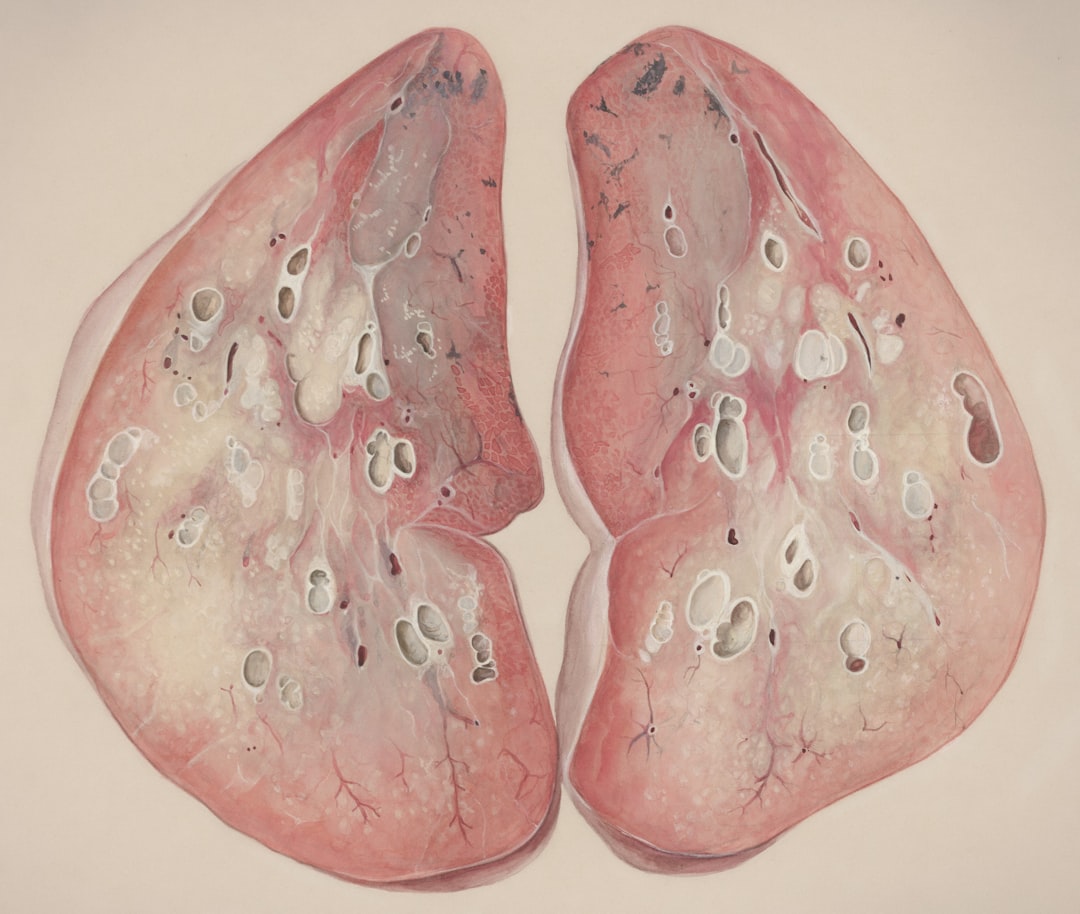
The liver is one of the most vital organs in your body, playing a crucial role in maintaining overall health. It functions as a powerhouse of metabolism, processing nutrients from the food you consume and converting them into energy. This organ is responsible for detoxifying harmful substances, producing bile to aid in digestion, and storing essential vitamins and minerals.
You might not realize it, but the liver also synthesizes proteins that are critical for blood clotting and immune function. Its multifaceted roles make it an indispensable component of your body’s intricate system. Moreover, the liver acts as a filter, removing toxins and waste products from your bloodstream.
This detoxification process is essential for preventing the buildup of harmful substances that could lead to serious health issues. When you think about your overall well-being, it’s important to recognize that a healthy liver is foundational to your body’s ability to function optimally. By understanding the liver’s diverse roles, you can appreciate why maintaining its health is crucial for your longevity and quality of life.
Key Takeaways
- The liver plays a crucial role in detoxifying the body, producing bile for digestion, and storing essential nutrients.
- Aging can impact liver function, leading to decreased metabolism of medications and increased susceptibility to liver diseases.
- Fatigue can be a sign of liver health issues, as the liver is responsible for energy production and detoxification.
- Jaundice, characterized by yellowing of the skin and eyes, is a common indicator of liver dysfunction and should not be ignored.
- Abdominal pain can be a symptom of liver issues, as the liver is located in the upper right portion of the abdomen.
- Swelling and fluid retention, especially in the abdomen and legs, can be signs of liver sluggishness and should be evaluated by a healthcare professional.
- Changes in appetite and digestive issues can be linked to liver health, as the liver produces bile to aid in digestion.
- Skin changes and itchiness can be potential symptoms of liver problems, as the liver plays a role in filtering toxins from the blood.
- Mental fog and difficulty concentrating can be related to liver health, as the liver helps regulate blood sugar levels and remove toxins from the body.
- Understanding the link between liver health and overall well-being is important, as the liver impacts many bodily functions.
- Seeking medical attention for suspected liver issues is crucial for early detection and treatment of liver diseases.
Recognizing the Impact of Aging on Liver Function
As you age, your liver undergoes various changes that can affect its functionality. The natural aging process can lead to a decrease in liver size and blood flow, which may impair its ability to perform essential tasks. You might notice that your body processes medications differently as you get older, which can be attributed to these changes in liver function.
This alteration can lead to an increased risk of drug toxicity or reduced effectiveness of certain medications, making it essential to monitor your liver health as you age. Additionally, age-related conditions such as obesity, diabetes, and hypertension can further strain your liver. These factors can contribute to fatty liver disease and other hepatic disorders, which may go unnoticed until they become more severe.
Being aware of how aging impacts your liver can empower you to take proactive steps in maintaining its health, such as adopting a balanced diet, engaging in regular physical activity, and avoiding excessive alcohol consumption.
Fatigue and Its Connection to Liver Health
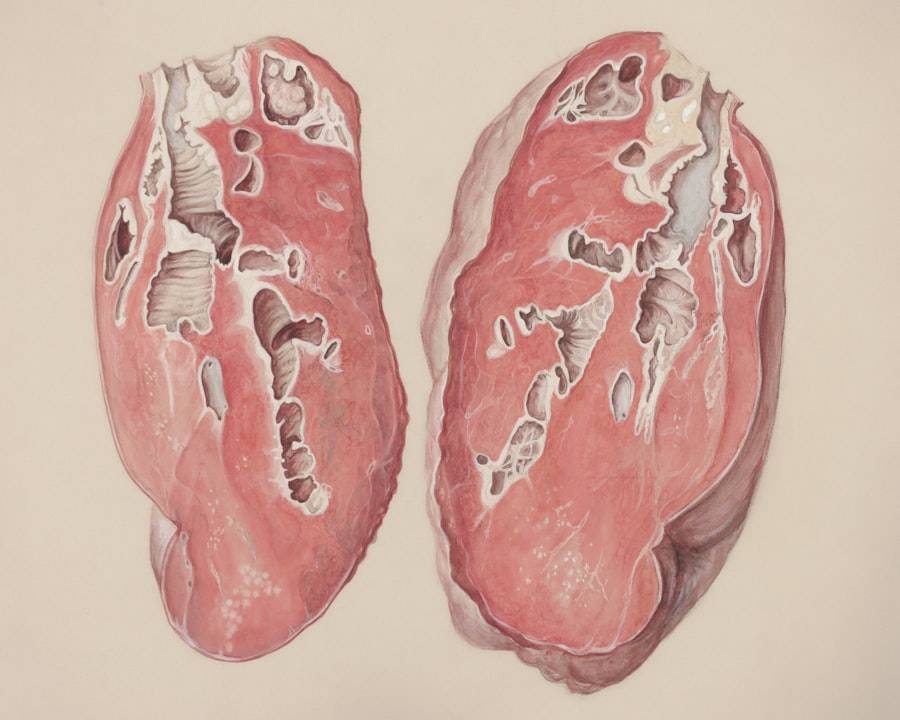
Fatigue is a common complaint among many individuals, but when it becomes persistent, it may signal underlying health issues, including liver dysfunction. Your liver plays a significant role in energy metabolism; therefore, when it is not functioning optimally, you may experience a noticeable drop in energy levels. If you find yourself feeling unusually tired despite getting adequate rest, it could be time to consider the health of your liver as a potential contributing factor.
Moreover, fatigue related to liver issues often comes hand-in-hand with other symptoms such as weakness or malaise. You might feel as though you are constantly running on empty, which can significantly impact your daily life and productivity. Recognizing this connection between fatigue and liver health can prompt you to seek medical advice sooner rather than later, allowing for early intervention and better management of any potential liver-related conditions.
Jaundice: A Common Indicator of Liver Dysfunction
| Metrics | Data |
|---|---|
| Prevalence of Jaundice | Common in liver dysfunction |
| Cause of Jaundice | Buildup of bilirubin in the blood |
| Symptoms of Jaundice | Yellowing of skin and eyes, dark urine, pale stools |
| Diagnosis of Jaundice | Blood tests, liver function tests, imaging studies |
| Treatment of Jaundice | Addressing underlying liver condition, medication, lifestyle changes |
Jaundice is one of the most recognizable signs of liver dysfunction and occurs when there is an excess of bilirubin in your bloodstream. This yellow pigment is produced during the breakdown of red blood cells and is typically processed by a healthy liver. If you notice a yellowing of your skin or the whites of your eyes, it may indicate that your liver is struggling to perform its duties effectively.
This symptom should never be ignored, as it can be a clear signal that something is amiss with your liver health. In addition to jaundice, you may experience other symptoms such as dark urine or pale stools, which can further indicate liver issues. Understanding these signs can help you take timely action to address potential problems before they escalate into more serious conditions.
If you observe any symptoms of jaundice, it’s crucial to consult with a healthcare professional who can provide appropriate testing and guidance on how to manage your liver health effectively.
Abdominal Pain and its Relationship to Liver Issues
Abdominal pain can manifest in various forms and may be linked to numerous health concerns, including liver problems. If you experience discomfort or pain in the upper right quadrant of your abdomen, where the liver is located, it could be an indication of inflammation or other issues affecting this vital organ. You might describe this pain as a dull ache or sharp sensation, and it may be accompanied by other symptoms such as nausea or bloating.
Understanding the relationship between abdominal pain and liver health is essential for early detection of potential issues. If the pain persists or worsens over time, it’s advisable to seek medical attention. A healthcare professional can conduct tests to determine whether your liver is functioning properly or if there are underlying conditions that need to be addressed.
Being proactive about abdominal pain can lead to timely interventions that may prevent more severe complications down the line.
Swelling and Fluid Retention as Signs of Liver Sluggishness
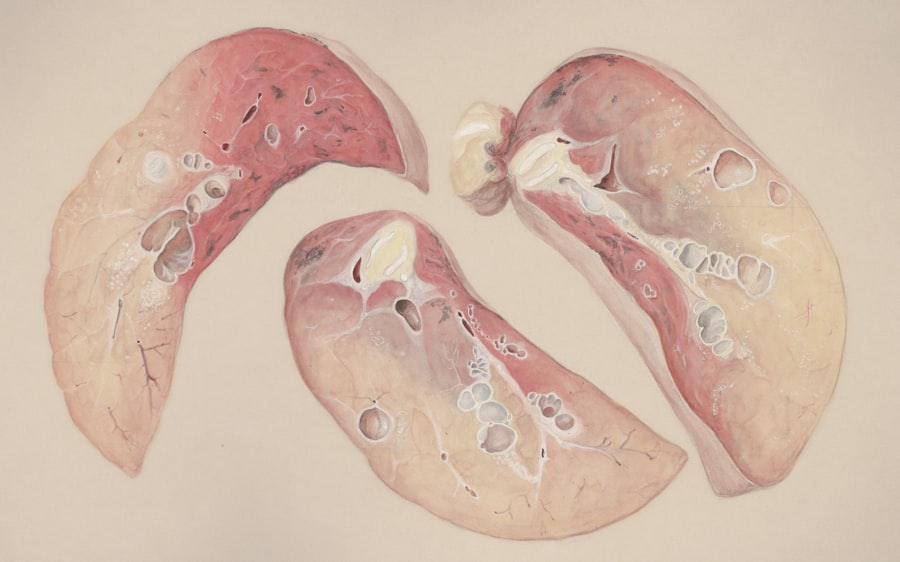
Swelling and fluid retention are often overlooked symptoms that can indicate liver sluggishness or dysfunction. When your liver is not working efficiently, it may struggle to produce proteins necessary for maintaining fluid balance in your body. As a result, you might notice swelling in your legs, ankles, or abdomen—conditions known as edema or ascites.
These symptoms can be uncomfortable and may affect your mobility and overall quality of life. Recognizing these signs early on is crucial for addressing potential liver issues before they escalate. If you find yourself experiencing unexplained swelling or fluid retention, it’s important to consult with a healthcare provider who can evaluate your symptoms and recommend appropriate tests.
By understanding the connection between these physical changes and liver health, you empower yourself to take charge of your well-being.
Changes in Appetite and Digestive Issues
Your appetite and digestive health are closely linked to the functioning of your liver. When the liver is compromised, you may experience changes in appetite—either an increase or decrease—that can affect your overall nutrition and energy levels. You might find that certain foods no longer appeal to you or that you feel full after consuming only small amounts of food.
These changes can lead to nutritional deficiencies if not addressed promptly. In addition to appetite changes, digestive issues such as bloating, gas, or diarrhea may arise when your liver is not functioning optimally. The liver produces bile, which is essential for digesting fats; if bile production is impaired, it can lead to digestive discomfort.
Being aware of these changes allows you to take proactive steps toward improving your liver health through dietary adjustments and lifestyle modifications.
Skin Changes and Itchiness as Potential Liver Symptoms
Skin changes can often serve as an external indicator of internal health issues, particularly concerning the liver. If you notice unusual skin conditions such as rashes, discoloration, or itchiness, it may be worth considering the state of your liver. The organ plays a significant role in detoxification; when it becomes overwhelmed or dysfunctional, toxins can accumulate in the bloodstream and manifest as skin irritations.
Itchiness, known medically as pruritus, is particularly common among individuals with liver disease due to the buildup of bile salts in the bloodstream. This uncomfortable sensation can significantly impact your quality of life and may lead to scratching that further irritates the skin. If you experience persistent skin changes or itchiness alongside other symptoms related to liver dysfunction, seeking medical advice is essential for proper diagnosis and treatment.
Mental Fog and Difficulty Concentrating
Mental fog and difficulty concentrating are often overlooked symptoms that can be linked to liver health.
You might find yourself struggling with memory lapses or feeling mentally sluggish—symptoms that can interfere with daily tasks and responsibilities.
This cognitive impairment can be frustrating and may lead you to question whether it’s simply stress or fatigue causing these issues. However, understanding that there could be a connection between mental fog and liver health encourages you to explore this possibility further. If these symptoms persist or worsen over time, consulting with a healthcare professional can help identify any underlying issues related to your liver function.
Understanding the Link Between Liver Health and Overall Well-being
Your overall well-being is intricately connected to the health of your liver. As one of the body’s primary detoxification organs, a healthy liver ensures that harmful substances are efficiently processed and eliminated from your system. When the liver is compromised, it can lead to a cascade of health issues that affect not only physical health but also mental and emotional well-being.
By prioritizing liver health through lifestyle choices such as maintaining a balanced diet, exercising regularly, managing stress levels, and avoiding excessive alcohol consumption, you can significantly enhance your overall quality of life. Understanding this link empowers you to take proactive steps toward better health outcomes while fostering a greater appreciation for the vital role your liver plays in maintaining balance within your body.
Seeking Medical Attention for Suspected Liver Issues
If you suspect that you may have liver issues based on any of the symptoms discussed—such as fatigue, jaundice, abdominal pain, swelling, changes in appetite or digestion—it’s crucial not to delay seeking medical attention. Early intervention can make a significant difference in managing potential liver conditions effectively before they progress into more serious complications. A healthcare professional will likely conduct a thorough evaluation that includes blood tests and imaging studies to assess your liver function accurately.
By taking this step seriously and advocating for your health, you position yourself for better outcomes and improved quality of life. Remember that being proactive about your health is one of the best ways to ensure long-term well-being; don’t hesitate to reach out for help if you have concerns about your liver health.
As we age, maintaining liver health becomes increasingly important, especially since a sluggish liver can lead to various health issues in older adults. Symptoms such as fatigue, digestive problems, and unexplained weight gain are often associated with a sluggish liver. For a more comprehensive understanding of how liver health impacts seniors, you can explore an insightful article on this topic by visiting Explore Senior Health. This resource provides valuable information on recognizing symptoms and adopting lifestyle changes to support liver function in older adults.
WATCH THIS! 🧃The 60-Year Liver Lie: Why Your “Healthy” Juice Is Destroying Your Liver
FAQs
What are the common symptoms of a sluggish liver in older adults?
Common symptoms of a sluggish liver in older adults may include fatigue, unexplained weight loss, loss of appetite, nausea, abdominal pain and swelling, yellowing of the skin and eyes (jaundice), and dark urine.
What causes a sluggish liver in older adults?
A sluggish liver in older adults can be caused by various factors such as alcohol abuse, fatty liver disease, hepatitis B or C, cirrhosis, certain medications, and other underlying health conditions.
How is a sluggish liver diagnosed in older adults?
A sluggish liver in older adults can be diagnosed through a combination of physical examination, medical history review, blood tests to check liver function, imaging tests such as ultrasound or MRI, and sometimes a liver biopsy.
What are the potential complications of a sluggish liver in older adults?
Complications of a sluggish liver in older adults may include liver failure, portal hypertension, liver cancer, and an increased risk of infections due to compromised immune function.
What are the treatment options for a sluggish liver in older adults?
Treatment for a sluggish liver in older adults may involve lifestyle changes such as a healthy diet and exercise, managing underlying health conditions, medications to manage symptoms, and in some cases, liver transplant for severe liver damage. It is important for older adults with a sluggish liver to work closely with their healthcare provider to develop a personalized treatment plan.