As you age, the significance of protein in your diet becomes increasingly paramount. Protein is not just a building block for muscles; it plays a crucial role in various bodily functions, including hormone production, immune response, and tissue repair. For older adults, maintaining an adequate protein intake is essential for overall health and well-being.
It helps in preserving muscle mass, which is vital for mobility and independence. As you navigate through the later stages of life, understanding the importance of protein can empower you to make informed dietary choices that support your health. Moreover, protein is instrumental in preventing sarcopenia, a condition characterized by the loss of muscle mass and strength that often accompanies aging.
This condition can lead to frailty and increased risk of falls, which can significantly impact your quality of life. By prioritizing protein in your meals, you can help mitigate these risks and maintain a more active lifestyle. Recognizing the multifaceted benefits of protein can motivate you to incorporate it into your daily routine, ensuring that you remain strong and resilient as you age.
Key Takeaways
- Protein is essential for older adults as it plays a crucial role in maintaining muscle mass, bone health, immune function, and weight management.
- As people age, their protein needs may increase due to factors such as decreased muscle mass, reduced appetite, and impaired absorption of nutrients.
- The recommended daily protein intake for older adults is around 1.0-1.2 grams of protein per kilogram of body weight to support muscle maintenance and overall health.
- High-quality protein sources for older adults include lean meats, poultry, fish, eggs, dairy products, legumes, and nuts, which provide essential amino acids and nutrients.
- Adequate protein intake is important for maintaining muscle strength, bone health, immune function, and promoting satiety, which can help with weight management in older adults.
How Age Affects Protein Needs
As you grow older, your body undergoes various physiological changes that can affect your protein needs. One significant change is the decrease in muscle mass and strength, which typically begins around the age of 30 and accelerates after 60. This decline necessitates a higher protein intake to help preserve muscle tissue and support recovery from injuries or illnesses.
Additionally, your body may become less efficient at utilizing protein, meaning that you might require more of it to achieve the same benefits as when you were younger. Furthermore, age-related changes in metabolism can also influence your protein requirements. As your metabolism slows down, your body may not process nutrients as effectively, making it crucial to focus on high-quality protein sources.
This shift emphasizes the need for a well-balanced diet that includes sufficient protein to support your body’s changing needs. By understanding how age affects your protein requirements, you can take proactive steps to ensure that you are meeting your nutritional needs effectively.
Recommended Daily Protein Intake for Older Adults
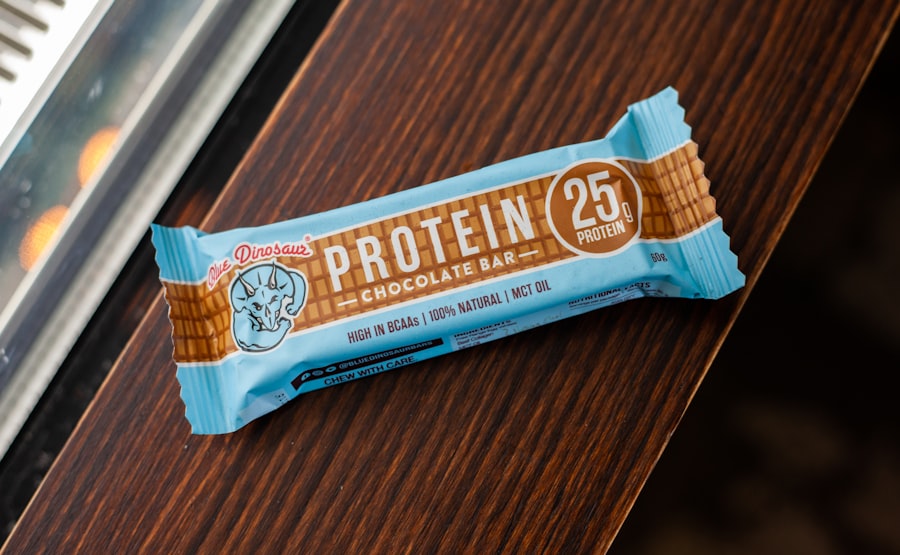
Determining the right amount of protein for your daily intake can be challenging, especially with varying recommendations based on individual health conditions and activity levels. Generally, experts suggest that older adults aim for a daily protein intake of 1.0 to 1.2 grams per kilogram of body weight. For example, if you weigh 70 kilograms (about 154 pounds), your target protein intake would be between 70 to 84 grams per day.
This amount can help support muscle maintenance and overall health. It’s important to note that these recommendations may vary based on factors such as physical activity levels, existing health conditions, and specific dietary needs. If you are physically active or recovering from an illness or surgery, your protein requirements may be higher.
Therefore, it’s essential to assess your individual circumstances and adjust your protein intake accordingly. By being mindful of these guidelines, you can better tailor your diet to meet your unique needs as an older adult.
Sources of High-Quality Protein for Older Adults
| Source | Protein Content (per 100g) | Other Nutrients |
|---|---|---|
| Chicken Breast | 31g | Vitamin B6, niacin, phosphorus |
| Greek Yogurt | 10g | Calcium, probiotics |
| Salmon | 25g | Omega-3 fatty acids, vitamin D |
| Eggs | 13g | Vitamin D, choline |
| Quinoa | 14g | Fiber, iron, magnesium |
Incorporating high-quality protein sources into your diet is vital for meeting your nutritional needs as an older adult. Animal-based proteins such as lean meats, poultry, fish, eggs, and dairy products are excellent options because they contain all essential amino acids required for optimal health. These sources are particularly beneficial for muscle maintenance and repair, making them ideal choices for those looking to preserve their strength as they age.
Plant-based proteins also offer a wealth of options for those who prefer vegetarian or vegan diets. Foods such as legumes, beans, lentils, tofu, tempeh, nuts, and seeds provide substantial protein content along with additional nutrients like fiber and healthy fats. While plant-based proteins may not always contain all essential amino acids in one source, combining different types throughout the day can help ensure you receive a complete amino acid profile.
By diversifying your protein sources, you can enjoy a balanced diet that supports your health and well-being.
The Role of Protein in Muscle Maintenance and Strength
One of the most critical roles of protein in your diet is its contribution to muscle maintenance and strength. As you age, muscle mass naturally declines due to various factors such as hormonal changes and decreased physical activity. Consuming adequate amounts of protein helps counteract this decline by providing the necessary building blocks for muscle repair and growth.
This is particularly important if you engage in resistance training or other forms of exercise aimed at building strength. Incorporating protein-rich foods into your meals can enhance muscle synthesis and recovery after workouts. Research indicates that spreading protein intake throughout the day—rather than consuming it all at once—can be more effective in promoting muscle health.
Aim to include a source of protein in each meal and snack to maximize its benefits. By prioritizing protein in your diet, you can support your muscle health and maintain functional independence as you age.
Protein’s Impact on Bone Health in Older Adults
In addition to its role in muscle maintenance, protein plays a significant part in supporting bone health as you age. Adequate protein intake is essential for maintaining bone density and reducing the risk of osteoporosis—a condition characterized by weak and brittle bones that can lead to fractures. Studies have shown that higher protein consumption is associated with better bone health outcomes in older adults.
Moreover, protein works synergistically with other nutrients such as calcium and vitamin D to promote bone strength. When combined with weight-bearing exercises, a diet rich in protein can help enhance bone mineral density and reduce the likelihood of falls and fractures. By focusing on both protein intake and overall nutrition, you can take proactive steps toward maintaining strong bones throughout your later years.
Protein and Its Effect on Satiety and Weight Management
Another important aspect of protein is its ability to promote satiety and aid in weight management. As you age, maintaining a healthy weight becomes increasingly important for overall health and reducing the risk of chronic diseases.
Incorporating high-protein foods into your meals can lead to better appetite control and improved dietary choices overall. When you feel satisfied after eating, you’re less likely to reach for unhealthy snacks or overindulge at mealtimes. Additionally, a higher protein intake can help preserve lean muscle mass while promoting fat loss during weight management efforts.
By focusing on protein-rich foods, you can create a balanced approach to eating that supports both weight management and overall health.
Protein’s Role in Supporting Immune Function in Older Adults
As you age, maintaining a robust immune system becomes increasingly vital for overall health. Protein plays a crucial role in supporting immune function by providing the necessary building blocks for antibodies and other immune cells that help defend against infections and diseases. A well-functioning immune system is essential for older adults who may be more susceptible to illnesses due to age-related changes.
Incorporating adequate protein into your diet can enhance your body’s ability to respond to infections and recover from illnesses more effectively. Additionally, certain amino acids found in proteins have been shown to have immunomodulatory effects, further supporting immune health. By prioritizing protein-rich foods in your meals, you can bolster your immune system and promote better health outcomes as you age.
Potential Risks of Inadequate Protein Intake for Older Adults
Failing to meet your protein needs can lead to several adverse health outcomes as you age. Inadequate protein intake may result in muscle wasting, increased frailty, and a higher risk of falls or injuries due to weakened muscles. Additionally, insufficient protein can negatively impact bone health, leading to an increased risk of osteoporosis and fractures.
Moreover, low protein intake can compromise immune function, making you more susceptible to infections and illnesses. It may also contribute to unintentional weight loss or malnutrition if not addressed promptly. Recognizing the potential risks associated with inadequate protein consumption is crucial for maintaining optimal health as an older adult.
By being proactive about your dietary choices and ensuring sufficient protein intake, you can mitigate these risks effectively.
Tips for Meeting Protein Needs in Older Adults
Meeting your protein needs doesn’t have to be complicated; there are several practical strategies you can implement to ensure you’re getting enough in your diet. Start by incorporating a variety of high-quality protein sources into each meal—this could include eggs at breakfast, lean meats or fish at lunch or dinner, and legumes or nuts as snacks throughout the day. Planning meals ahead of time can also help ensure that you’re including sufficient protein-rich foods.
Consider experimenting with different recipes that highlight protein-rich ingredients or trying new cooking methods that make these foods more appealing.
Additionally, consider using protein supplements if you’re struggling to meet your needs through food alone; however, it’s best to consult with a healthcare professional before starting any supplementation regimen.
Consulting with a Healthcare Professional about Protein Needs
As you navigate the complexities of dietary needs as an older adult, consulting with a healthcare professional can provide valuable insights tailored specifically to you. A registered dietitian or nutritionist can assess your individual circumstances—such as existing health conditions or dietary restrictions—and help create a personalized nutrition plan that meets your unique protein requirements. Regular check-ins with healthcare professionals can also help monitor any changes in your health status or nutritional needs over time.
They can provide guidance on adjusting your diet based on factors such as physical activity levels or recovery from illness or surgery. By seeking professional advice, you empower yourself with knowledge that supports optimal health through proper nutrition as you age. In conclusion, understanding the importance of protein for older adults is essential for maintaining overall health and well-being as you age.
By recognizing how age affects your protein needs and incorporating high-quality sources into your diet, you can support muscle maintenance, bone health, immune function, and weight management effectively. Taking proactive steps toward meeting your nutritional needs will empower you to enjoy a healthier lifestyle throughout your later years.
As we age, maintaining adequate protein intake becomes increasingly important to support muscle mass, bone health, and overall vitality. Older adults often face challenges in meeting their protein requirements due to changes in appetite, digestion, and dietary habits. An insightful article on this topic can be found on Explore Senior Health, which delves into the specific protein needs of seniors and offers practical advice on how to incorporate sufficient protein into their diets. For more detailed information, you can read the full article by visiting Explore Senior Health.
WATCH THIS! 🛑 The 5 “Healthy” Habits Quietly Destroying Your Independence After 60
FAQs
What are protein requirements for older adults?
Protein requirements for older adults are higher than those for younger adults, as aging is associated with a decline in muscle mass and strength. The recommended dietary allowance (RDA) for protein for adults over 50 is 0.8 grams per kilogram of body weight per day.
Why are protein requirements higher for older adults?
Protein requirements are higher for older adults because of age-related muscle loss, known as sarcopenia. Consuming adequate protein can help maintain muscle mass, strength, and function in older adults.
What are good sources of protein for older adults?
Good sources of protein for older adults include lean meats, poultry, fish, eggs, dairy products, legumes, nuts, and seeds. These foods provide high-quality protein as well as essential nutrients for overall health.
How can older adults meet their protein requirements?
Older adults can meet their protein requirements by including protein-rich foods in their meals and snacks. Eating a variety of protein sources throughout the day can help ensure adequate intake.
What are the potential risks of not meeting protein requirements for older adults?
Not meeting protein requirements can lead to muscle loss, weakness, impaired immune function, and slower recovery from illness or injury in older adults. It can also increase the risk of fractures and other health complications.