
Muscle loss, known medically as sarcopenia, and heart disease are two intertwined conditions that can significantly impact your quality of life as you age. Fortunately, you possess the agency to actively combat these physiological changes. This guide will illuminate the pathways you can take to reverse muscle loss and mitigate the risks and progression of heart disease, offering actionable strategies and a foundational understanding of how these systems interact within your body.
Your body is a complex ecosystem, and the health of your muscles and your heart are deeply connected. Think of your muscles as the engine of your body, generating the force needed for movement and metabolic activity. Your heart, in turn, is the dedicated pump that delivers the fuel – oxygen and nutrients – essential for that engine to function efficiently. When one falters, the other is inevitably affected.
The Silent Erosion: Sarcopenia and Its Consequences
Sarcopenia is not a sudden collapse but a gradual erosion of muscle mass and function that often begins in your 30s and accelerates significantly after age 50. It’s like a fine sand slipping through your fingers, imperceptible at first, but with cumulative effects. This loss isn’t merely about aesthetics; it translates to reduced strength, poorer balance, increased risk of falls and fractures, and a diminished capacity for daily activities. Furthermore, skeletal muscle is metabolically active. It burns calories, helps regulate blood sugar, and plays a role in hormone production. As muscle mass declines, so too does your metabolic rate, contributing to weight gain and increasing the risk of other age-related diseases.
The Age-Related Decline in Muscle Proteins
With age, you experience a natural decline in the synthesis of muscle proteins, the very building blocks of muscle tissue. Simultaneously, the rate of muscle protein breakdown can increase. This imbalance creates a net loss, akin to a leaky bucket where you’re not replenishing the water as fast as it’s escaping. Hormonal changes, particularly a decrease in testosterone and growth hormone, also contribute to this process.
The Vicious Cycle: Reduced Mobility and Muscle Atrophy
As you lose muscle mass and strength, your mobility suffers. This reduced physical activity, in turn, leads to further muscle disuse and atrophy, creating a self-perpetuating cycle. Like a dormant road, unused muscle tissue begins to deteriorate, its pathways becoming overgrown and less accessible. This cycle directly impacts your cardiovascular health because a weaker musculature requires less oxygen and nutrients, leading the heart to adapt and potentially weaken over time.
The Heart’s Burden: Cardiovascular Disease and Its Risk Factors
Heart disease encompasses a broad range of conditions affecting the heart and blood vessels. It’s a leading cause of death globally, and its development is often a slow burn, influenced by a multitude of factors that you can often modify. Consider your cardiovascular system a sophisticated network of pipes and a tireless pump. When the pipes become clogged or the pump weakens, the entire system is compromised.
Sarcopenia as a Predictor and Contributor to Heart Disease
Emerging research strongly links sarcopenia to an increased risk of developing and worsening cardiovascular disease. This connection is not coincidental. Your muscles, especially the large muscles in your legs and torso, act as a crucial “peripheral pump,” assisting blood circulation back to the heart. When these muscles weaken, this pumping action is diminished, placing a greater workload on your heart and potentially contributing to conditions like heart failure. Imagine trying to move a large volume of water with a weaker hose; the pump has to work harder.
Lifestyle Factors Fueling the Fire
Several modifiable lifestyle factors contribute significantly to the development of heart disease. These include:
- Unhealthy Diet: Diets high in saturated and trans fats, sodium, and added sugars can lead to elevated cholesterol levels, high blood pressure, and weight gain, all detrimental to heart health. This is like pouring sludge into your intricate pipe system.
- Physical Inactivity: A sedentary lifestyle, as mentioned, contributes to both muscle loss and cardiovascular deconditioning. The principle of “use it or lose it” is acutely relevant here.
- Smoking: Smoking damages blood vessels, increases blood pressure, and reduces the oxygen-carrying capacity of your blood, turning your pristine waterways into polluted rivers.
- Obesity: Excess body fat, particularly visceral fat around the organs, is a major risk factor for heart disease, contributing to inflammation and insulin resistance.
- Uncontrolled Hypertension and Diabetes: High blood pressure forces your heart to work harder, while diabetes can damage blood vessels and nerves that control heart function.
For those looking to reverse muscle loss and combat heart disease, a comprehensive approach that includes diet, exercise, and lifestyle changes is essential. A related article that provides valuable insights on this topic can be found at Explore Senior Health. This resource offers practical tips and strategies to help individuals regain strength and improve cardiovascular health, making it a great starting point for anyone seeking to enhance their well-being.
Strategies for Reversing Muscle Loss: Building Your Foundation
Fortunately, the process of muscle loss is not an irreversible decree of fate. Through targeted interventions, you can stimulate muscle protein synthesis and rebuild lost mass, effectively shoring up your body’s engine.
The Cornerstone: Resistance Training
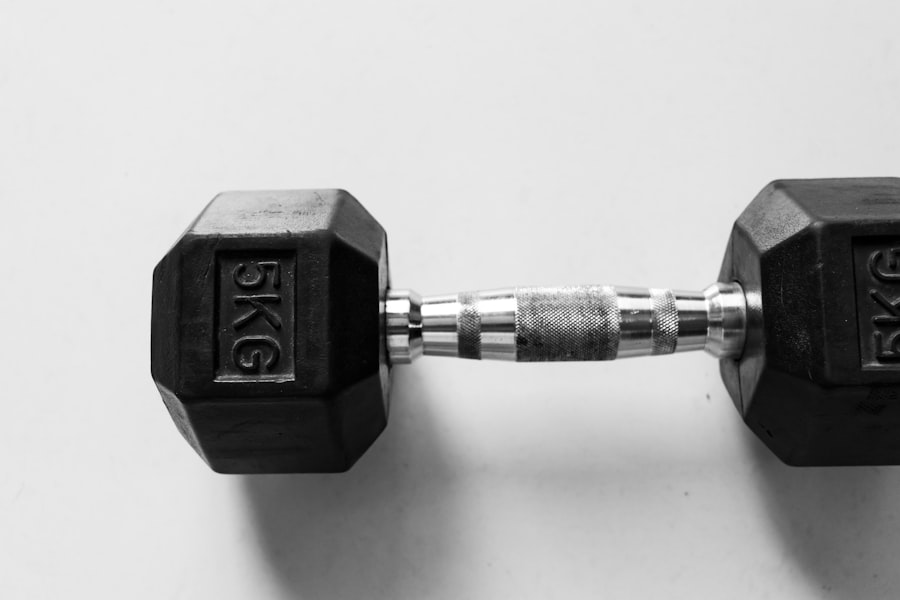
Resistance training, also known as strength training or weight training, is the most effective method for building and maintaining muscle mass. It involves challenging your muscles against an external force, forcing them to adapt and grow stronger. Think of it as recalibrating your engine’s power output.
Progressive Overload: The Key to Growth
The principle of progressive overload is paramount. This means gradually increasing the demands on your muscles over time. This can be achieved by:
- Increasing Weight: Lifting heavier weights as you get stronger.
- Increasing Repetitions: Performing more repetitions with a given weight.
- Increasing Sets: Doing more sets of an exercise.
- Decreasing Rest Periods: Shortening the time between sets.
- Increasing Training Frequency: Working out a particular muscle group more often.
This gradual escalation ensures your muscles are consistently challenged, preventing plateaus and promoting continuous adaptation. It’s like gradually increasing the stress on a bridge to reinforce its structure.
Compound Exercises: Maximizing Efficiency
Prioritize compound exercises that work multiple muscle groups simultaneously. These are highly efficient and mimic natural movement patterns. Examples include:
- Squats: Engage quadriceps, hamstrings, glutes, and core.
- Deadlifts: Work the entire posterior chain (hamstrings, glutes, back) and forearms.
- Bench Press: Targets the chest, shoulders, and triceps.
- Overhead Press: Primarily works the shoulders and triceps.
- Rows (Barbell or Dumbbell): Engages the back muscles, biceps, and forearms.
These movements are like well-orchestrated symphonies involving multiple instruments, delivering a comprehensive workout.
Proper Form and Technique: Preventing Injury
Emphasize correct form over lifting heavy weights. Poor technique can lead to injuries, which will derail your progress. Seek guidance from a certified personal trainer or consult reputable resources to learn the proper execution of each exercise. This is like learning to drive a car safely before attempting highway speeds.
Nutritional Pillars: Fueling Muscle Repair and Growth
Adequate nutrition is the indispensable partner to resistance training, providing the raw materials for muscle repair and growth.
Protein: The Building Blocks
Protein is essential for muscle protein synthesis. Aim for a daily intake of 1.6 to 2.2 grams of protein per kilogram of body weight, spread throughout the day. This ensures a consistent supply of amino acids for muscle repair. Consider your protein intake like ensuring your construction site has a constant delivery of bricks.
- Lean Meats: Chicken, turkey, lean beef.
- Fish: Salmon, tuna, cod.
- Eggs: A complete protein source.
- Dairy Products: Milk, yogurt, cheese.
- Plant-Based Sources: Lentils, beans, tofu, tempeh, nuts, seeds.
Carbohydrates: Energy for Performance
Complex carbohydrates are your primary energy source, fueling your workouts and aiding in muscle recovery. Focus on whole grains, fruits, and vegetables. This is like providing high-octane fuel for your engine.
Healthy Fats: Hormonal Balance and Inflammation Control
Healthy fats, such as those found in avocados, nuts, seeds, and olive oil, are crucial for hormone production and reducing inflammation, both of which are important for muscle health and overall well-being. These are like the essential lubricants that keep your engine running smoothly.
Hydration: The Unsung Hero
Proper hydration is vital for all bodily functions, including muscle performance and recovery. Dehydration can impair muscle strength and lead to fatigue. Drink plenty of water throughout the day.
Strategies for Improving Heart Health: Fortifying Your Pump

Addressing muscle loss often has a beneficial ripple effect on heart health. However, specific strategies are also crucial for directly strengthening your cardiovascular system.
Aerobic Exercise: The Heart’s Workout
Aerobic exercise, also known as cardiovascular exercise, strengthens your heart muscle, improves its efficiency, and enhances circulation. It’s like putting your pump through rigorous conditioning.
Moderate-Intensity Aerobic Activity
Aim for at least 150 minutes of moderate-intensity aerobic activity per week, or 75 minutes of vigorous-intensity activity, or an equivalent combination. Moderate intensity means you can talk, but not sing, during the activity.
- Brisk Walking: An accessible and effective option.
- Cycling: Indoors or outdoors.
- Swimming: A low-impact, full-body workout.
- Dancing: An enjoyable way to get your heart rate up.
- Jogging/Running: For those who can tolerate it.
High-Intensity Interval Training (HIIT)
HIIT involves short bursts of intense exercise followed by brief recovery periods. It can be highly effective for improving cardiovascular fitness in a shorter amount of time. However, consult your doctor before starting HIIT, especially if you have pre-existing heart conditions. This is like giving your pump short, powerful sprints to build its capacity.
Dietary Modifications for a Healthy Heart
Your diet plays a pivotal role in managing blood pressure, cholesterol levels, and inflammation, all key factors in heart disease.
The DASH Diet and Mediterranean Diet
These dietary patterns are consistently recommended for improving heart health.
- DASH (Dietary Approaches to Stop Hypertension) Diet: Emphasizes fruits, vegetables, whole grains, lean proteins, and low-fat dairy, while limiting saturated and total fat, cholesterol, and red meat.
- Mediterranean Diet: Rich in fruits, vegetables, whole grains, legumes, nuts, seeds, olive oil, and fish, with moderate consumption of poultry and dairy, and limited red meat and sweets.
These diets are like a rigorous cleaning and maintenance schedule for your cardiovascular plumbing.
Limiting Sodium Intake
Excess sodium can lead to increased blood pressure. Read food labels carefully and aim to consume no more than 2,300 milligrams of sodium per day, or even less if you have high blood pressure.
Reducing Saturated and Trans Fats
These fats contribute to elevated LDL (“bad”) cholesterol levels, a major risk factor for heart disease. Limit your intake of fatty meats, fried foods, and processed snacks.
Increasing Fiber Intake
Soluble fiber, found in oats, beans, and fruits, can help lower LDL cholesterol. Aim for at least 25-30 grams of fiber per day.
Managing Stress and Prioritizing Sleep
Chronic stress and insufficient sleep can negatively impact both muscle and heart health.
Stress Management Techniques
Utilize techniques such as mindfulness meditation, deep breathing exercises, yoga, or spending time in nature to manage stress. Chronic stress is like a constant rattling of your engine and a tightening of your pipes.
Aim for Quality Sleep
Prioritize 7-9 hours of quality sleep per night. Adequate sleep is crucial for muscle repair, hormone regulation, and cardiovascular recovery. Think of sleep as the nightly pit stop for essential system maintenance.
Medical Monitoring and Professional Guidance
While self-management is powerful, it’s crucial to integrate medical oversight into your plan.
Regular Check-ups with Your Physician
Your doctor can assess your overall health, identify any underlying conditions, and provide personalized recommendations. This is your primary mechanic, performing regular diagnostics.
Blood Pressure and Cholesterol Monitoring
Regularly monitoring your blood pressure and cholesterol levels is essential for managing cardiovascular risk. Your doctor can advise on target ranges and necessary interventions.
Screening for Sarcopenia and Cardiovascular Issues
Discuss with your doctor any concerns you have about muscle loss or potential heart issues. They can recommend appropriate screening tests, such as muscle strength assessments or cardiac evaluations.
Consulting Specialists
Depending on your individual needs, you may benefit from consulting specialists such as:
- Cardiologist: For specialized assessment and management of heart conditions.
- Registered Dietitian: To develop a personalized nutrition plan.
- Physical Therapist or Certified Personal Trainer: To guide your exercise program and ensure proper technique.
These specialists act as specialized mechanics, fine-tuning specific components of your system.
To effectively combat muscle loss and heart disease, it is essential to adopt a holistic approach that includes proper nutrition and regular exercise. Engaging in strength training can help rebuild muscle mass, while a heart-healthy diet rich in fruits, vegetables, and whole grains can significantly improve cardiovascular health. For more insights on maintaining overall well-being as you age, you can explore this informative article on senior health. It offers valuable tips and strategies to enhance your quality of life and prevent common health issues. Check it out here: senior health.
The Synergy of Lifestyle Changes: A Holistic Approach
| Metrics | Reversing Muscle Loss | Reversing Heart Disease |
|---|---|---|
| Exercise | Resistance training, weight lifting | Cardiovascular exercise, such as walking or cycling |
| Diet | High protein intake, balanced diet | Low-fat, low-sodium diet, rich in fruits and vegetables |
| Supplements | Protein supplements, creatine | Omega-3 fatty acids, Coenzyme Q10 |
| Medical Treatment | Physical therapy, hormone replacement therapy | Medications, surgery, cardiac rehabilitation |
Reversing muscle loss and improving heart health is not about isolated actions but about embracing a holistic approach that integrates multiple lifestyle modifications.
Consistency is Key: The Long Game
The benefits of exercise and healthy eating are cumulative. While you may see initial improvements, sustained commitment is necessary for long-term success. Think of it as tending a garden; consistent watering and weeding yield a bountiful harvest.
Embracing Healthy Habits as a Lifestyle
Shift your mindset from viewing these changes as temporary diets or exercise regimens to adopting them as permanent lifestyle choices. This integration into your daily life makes the changes sustainable.
The Psychological Impact: Empowerment and Well-being
Beyond the physical benefits, actively working to improve your health can profoundly boost your psychological well-being. You gain a sense of control over your body and its aging process. This empowerment is a powerful force multiplier for continued healthy living.
Overcoming Plateaus and Setbacks
There will be times when progress seems to slow or when you encounter setbacks. It’s important to remain patient and persistent. These are temporary bumps in the road, not dead ends. Learning from these experiences and adjusting your approach is part of the journey.
The Future You: A Stronger, Healthier You
By proactively addressing muscle loss and prioritizing heart health, you are investing in a future where you can maintain your independence, enjoy a higher quality of life, and reduce your risk of debilitating chronic diseases. You are not merely aging; you are actively shaping a more resilient and vibrant future you. You are building a robust vessel capable of navigating the seas of life with strength and vitality.
FAQs
1. What causes muscle loss and heart disease?
Muscle loss can be caused by aging, lack of physical activity, poor nutrition, and certain medical conditions. Heart disease can be caused by factors such as high blood pressure, high cholesterol, smoking, diabetes, and obesity.
2. How can muscle loss be reversed?
Muscle loss can be reversed through regular strength training exercises, consuming adequate protein, and maintaining a balanced diet. It is important to consult with a healthcare professional before starting any new exercise or diet regimen.
3. What lifestyle changes can help prevent heart disease?
Lifestyle changes that can help prevent heart disease include quitting smoking, maintaining a healthy weight, engaging in regular physical activity, eating a balanced diet low in saturated fats and cholesterol, and managing stress.
4. Can heart disease be reversed?
While heart disease cannot be completely reversed, lifestyle changes and medical treatments can help manage the condition and prevent it from worsening. These may include medications, surgical procedures, and lifestyle modifications.
5. What are some dietary recommendations for reversing muscle loss and heart disease?
Dietary recommendations for reversing muscle loss and heart disease include consuming adequate protein for muscle repair and growth, increasing intake of fruits and vegetables for heart health, and reducing intake of processed foods, saturated fats, and added sugars. It is important to work with a healthcare professional or registered dietitian to create a personalized nutrition plan.