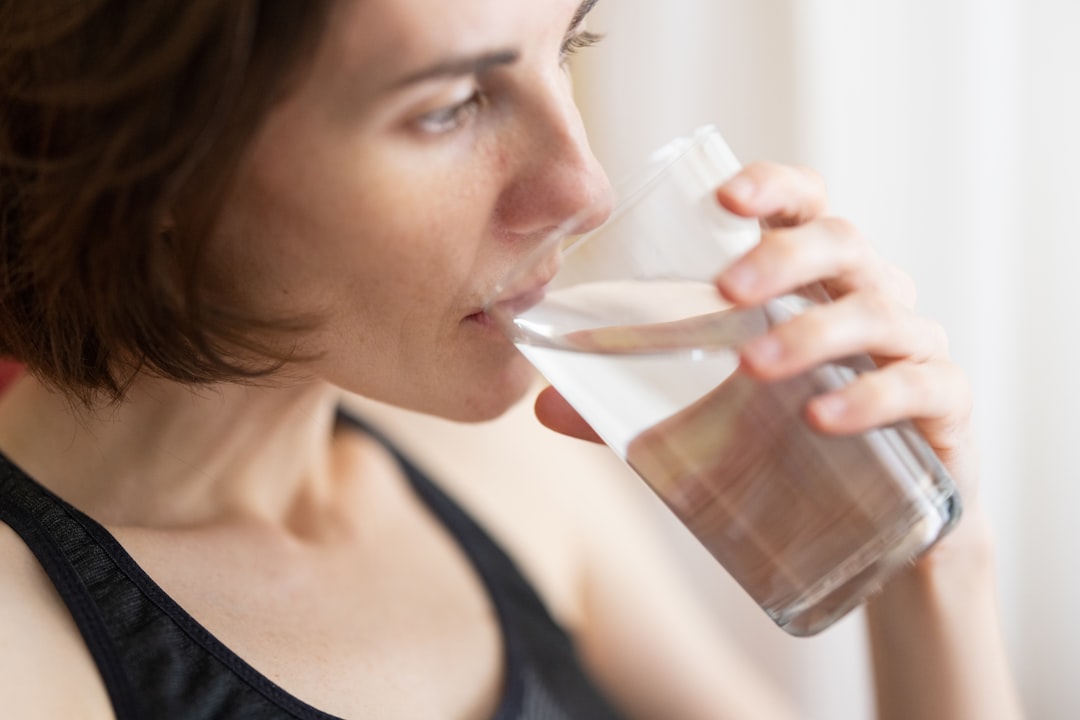
As you age, the importance of staying hydrated becomes increasingly critical. Hydration plays a vital role in maintaining overall health, particularly for seniors. Your body relies on water for nearly every function, from regulating temperature to facilitating digestion and nutrient absorption.
When you are adequately hydrated, your organs function optimally, and your energy levels remain stable. Conversely, dehydration can lead to a host of health issues, including urinary tract infections, kidney stones, and even confusion or cognitive decline. Therefore, prioritizing hydration is essential for maintaining your quality of life as you grow older.
For seniors, the consequences of dehydration can be more severe due to age-related changes in body composition and kidney function. As you age, your body’s ability to conserve water diminishes, making it crucial to be proactive about your fluid intake.
By recognizing the importance of hydration and making it a priority in your daily routine, you can significantly enhance your overall well-being and longevity.
Key Takeaways
- Hydration is crucial for seniors as it helps maintain proper bodily functions and overall health.
- Low thirst in seniors is common and can lead to dehydration if not addressed.
- Signs of dehydration in seniors include dry mouth, sunken eyes, and dizziness.
- Increasing hydration in seniors with low thirst can be achieved by offering small, frequent sips of water and flavored beverages.
- Choosing the right beverages for hydration involves opting for water, herbal teas, and low-sugar drinks.
Understanding Low Thirst in Seniors
Low thirst sensation is a common issue among seniors that can complicate the already critical task of staying hydrated. As you age, your body’s thirst mechanism may not function as effectively as it once did. This diminished thirst response can lead to a lack of awareness regarding your hydration needs.
You might find yourself forgetting to drink water or not feeling thirsty even when your body requires fluids. Understanding this phenomenon is essential for addressing hydration challenges in older adults. Additionally, various factors contribute to low thirst in seniors.
Medications, chronic illnesses, and changes in taste perception can all play a role in reducing your desire to drink. For instance, certain medications may have side effects that suppress thirst or lead to dry mouth, making it less likely for you to reach for a glass of water. Recognizing these factors can help you take proactive steps to ensure you are meeting your hydration needs despite the challenges posed by low thirst.
Signs of Dehydration in Seniors

Recognizing the signs of dehydration is crucial for seniors and their caregivers alike. Dehydration can manifest in various ways, and being aware of these symptoms can help you take action before the situation escalates. Common signs include dry mouth, fatigue, dizziness, and dark-colored urine.
If you notice that you are feeling unusually tired or lightheaded, it may be time to assess your fluid intake.
Another important sign to watch for is changes in skin elasticity.
You can perform a simple test by pinching the skin on the back of your hand; if it doesn’t return to its normal position quickly, it may indicate dehydration. Furthermore, seniors may experience increased heart rate or rapid breathing as the body struggles to maintain adequate blood volume. By being vigilant about these signs and symptoms, you can take proactive measures to address dehydration before it leads to more serious health complications.
Tips for Increasing Hydration in Seniors with Low Thirst
| Tip | Description |
|---|---|
| Offer flavored water | Provide options like fruit-infused water to make it more appealing |
| Set reminders | Use alarms or reminders to prompt seniors to drink water throughout the day |
| Provide water-rich foods | Include foods with high water content such as fruits and vegetables in their diet |
| Use smaller cups | Offer smaller cups to make it easier for seniors to drink smaller amounts more frequently |
| Monitor urine color | Encourage seniors to monitor their urine color to ensure they are adequately hydrated |
If you find yourself struggling with low thirst, there are several strategies you can implement to increase your hydration levels effectively. One effective approach is to incorporate hydration into your daily routine by setting specific times for drinking fluids. For instance, you might decide to drink a glass of water with each meal or snack.
This simple habit can help ensure that you are consistently consuming enough fluids throughout the day without relying solely on your thirst cues. Another helpful tip is to make drinking water more appealing. You can infuse your water with fruits like lemon, cucumber, or berries to enhance its flavor and make it more enjoyable to drink.
Additionally, consider keeping a water bottle nearby as a visual reminder to sip throughout the day. By making hydration a more engaging experience, you can combat low thirst and improve your overall fluid intake.
Choosing the Right Beverages for Hydration
When it comes to hydration, not all beverages are created equal. While water is undoubtedly the best choice for staying hydrated, there are other options that can contribute positively to your fluid intake. Herbal teas and clear broths are excellent alternatives that provide hydration while also offering additional health benefits.
For instance, herbal teas can be soothing and may even have anti-inflammatory properties, making them a great choice for seniors looking to enhance their hydration. However, it’s essential to be cautious about certain beverages that may not be as beneficial for hydration. Sugary drinks and caffeinated beverages can lead to increased urination and may not effectively contribute to your overall fluid balance.
Instead, focus on beverages that are low in sugar and caffeine while providing essential nutrients. By making informed choices about what you drink, you can optimize your hydration efforts and support your health as you age.
Incorporating Hydrating Foods into the Diet
In addition to beverages, incorporating hydrating foods into your diet is an excellent way to boost your overall fluid intake. Many fruits and vegetables have high water content and can significantly contribute to your hydration needs. For example, cucumbers, watermelon, oranges, and strawberries are all delicious options that not only provide hydration but also offer essential vitamins and minerals.
You might consider adding these hydrating foods into salads, smoothies, or snacks throughout the day. Not only will this help keep you hydrated, but it will also enhance the nutritional quality of your meals. By being mindful of the foods you consume and choosing those with high water content, you can create a well-rounded approach to hydration that supports your health and well-being.
Creating a Hydration Schedule
Establishing a hydration schedule can be an effective way to ensure that you are meeting your fluid needs consistently throughout the day. You might start by determining how much water you should aim to drink daily based on your individual health needs and activity level. Once you have a target in mind, break it down into manageable portions throughout the day.
For example, if your goal is to drink eight glasses of water daily, consider setting reminders for yourself every couple of hours to have a glass of water or another hydrating beverage. This structured approach can help combat low thirst by creating a routine that encourages regular fluid intake without relying solely on your thirst cues.
Using Reminder Systems for Hydration
In our fast-paced lives, it’s easy to forget about staying hydrated, especially when low thirst is an issue. Utilizing reminder systems can be an effective strategy for ensuring that you drink enough fluids throughout the day. You might consider using smartphone apps designed specifically for tracking water intake or setting alarms on your phone as gentle nudges to remind you when it’s time to hydrate.
Alternatively, physical reminders can also be beneficial. Placing sticky notes in visible areas around your home or using a dedicated water bottle with time markers can serve as visual cues that prompt you to drink more frequently. By implementing these reminder systems into your daily routine, you can create an environment that supports better hydration habits.
Managing Medications that Affect Thirst
If you are taking medications that impact your thirst response or fluid balance, it’s essential to manage these effects proactively. Certain medications may lead to dry mouth or decreased thirst sensation, making it even more challenging to stay hydrated. If you suspect that your medications are affecting your hydration levels, consider discussing this with your healthcare provider.
Your doctor may be able to adjust your medication regimen or suggest alternative treatments that have less impact on your thirst response. Additionally, they may provide guidance on how to counteract these effects through dietary changes or other strategies aimed at improving hydration. By taking an active role in managing your medications and their side effects, you can better support your hydration needs.
Seeking Medical Advice for Persistent Low Thirst
If you find that low thirst persists despite implementing various strategies for increasing hydration, it may be time to seek medical advice. Persistent low thirst could be indicative of underlying health issues that require attention. Your healthcare provider can conduct assessments and tests to determine if there are any medical conditions contributing to this problem.
In some cases, addressing underlying health issues may significantly improve your thirst response and overall hydration levels. Your doctor may also recommend specific interventions tailored to your individual needs or refer you to specialists who can provide further support. By being proactive about seeking medical advice when necessary, you can take important steps toward improving your hydration status and overall health.
Prioritizing Hydration for Senior Health
In conclusion, prioritizing hydration is essential for maintaining optimal health as you age. Understanding the importance of staying hydrated and recognizing the challenges posed by low thirst can empower you to take proactive steps toward better fluid intake. By implementing strategies such as creating a hydration schedule, choosing hydrating foods and beverages wisely, and utilizing reminder systems, you can significantly enhance your overall well-being.
Remember that staying hydrated is not just about drinking water; it encompasses a holistic approach that includes dietary choices and lifestyle habits. By making hydration a priority in your daily routine and seeking medical advice when necessary, you can support your health and enjoy a higher quality of life as a senior. Embrace these practices today and take charge of your hydration journey for a healthier tomorrow.
Staying adequately hydrated is crucial for seniors, especially those who experience low thirst, as it helps maintain overall health and prevent complications such as urinary tract infections and kidney stones. One effective strategy is to incorporate foods with high water content, like cucumbers and watermelon, into their diet. Additionally, setting regular reminders to drink water and using flavor enhancers can make hydration more appealing. For more detailed hydration tips and strategies tailored for seniors, you can explore a related article on this topic by visiting Explore Senior Health.
WATCH THIS! 🛑 The 5 “Healthy” Habits Quietly Destroying Your Independence After 60
FAQs
What are some common reasons why seniors may have low thirst?
As people age, their sense of thirst may decrease, leading to lower water intake. Additionally, certain medications, medical conditions, and cognitive impairments can also contribute to reduced thirst in seniors.
Why is staying hydrated important for seniors?
Proper hydration is essential for seniors as it helps maintain healthy bodily functions, such as regulating body temperature, aiding digestion, and supporting kidney function. Dehydration can lead to serious health issues, including urinary tract infections, confusion, and falls.
What are some hydration tips for seniors with low thirst?
– Encourage frequent sips of water throughout the day, even if not feeling thirsty.
– Offer hydrating foods such as fruits, vegetables, and soups.
– Set reminders to drink water at regular intervals.
– Use flavored water or herbal teas to make hydration more appealing.
– Monitor urine color to ensure adequate hydration.
How much water should seniors aim to drink each day?
While individual water needs vary, a general guideline for seniors is to aim for 8-10 cups of water per day. However, this can also include water from foods and other beverages.
What are some signs of dehydration in seniors?
Signs of dehydration in seniors may include dry mouth, dark urine, dizziness, confusion, fatigue, and decreased urine output. It’s important to seek medical attention if any of these symptoms are present.