
Recognizing chronic dehydration in the elderly is crucial for maintaining their overall health and well-being. As you age, your body undergoes various changes that can affect its ability to retain and utilize water effectively. This makes older adults particularly vulnerable to dehydration, which can lead to a cascade of health issues if not addressed promptly.
Understanding the importance of hydration is essential, as it plays a vital role in numerous bodily functions, including temperature regulation, joint lubrication, and nutrient absorption. By being vigilant about hydration levels, you can help prevent serious complications that may arise from chronic dehydration. Moreover, recognizing chronic dehydration early can significantly improve the quality of life for elderly individuals.
Dehydration can lead to confusion, fatigue, and even more severe cognitive impairments. When you are aware of the signs and symptoms of dehydration, you can take proactive measures to ensure that your loved ones remain hydrated. This not only enhances their physical health but also contributes to their mental and emotional well-being.
In essence, being proactive about hydration can lead to a more vibrant and fulfilling life for the elderly.
Key Takeaways
- Chronic dehydration in the elderly can lead to serious health complications and should be recognized and addressed promptly.
- Common causes of dehydration in the elderly include medication side effects, decreased thirst sensation, and mobility issues.
- Signs and symptoms of chronic dehydration in the elderly may include dry mouth, sunken eyes, confusion, and low blood pressure.
- Untreated chronic dehydration in the elderly can result in urinary tract infections, kidney stones, and even cognitive decline.
- Risk factors for chronic dehydration in the elderly include age-related changes in the body, chronic illnesses, and limited access to fluids.
Common Causes of Dehydration in the Elderly
Several factors contribute to dehydration in the elderly, making it essential for you to be aware of these common causes. One significant factor is the natural decline in thirst sensation that occurs with age. As you grow older, your body may not signal thirst as effectively, leading to reduced fluid intake.
This diminished thirst response can result in older adults forgetting to drink water or not realizing they need to hydrate, especially if they are not actively engaged in physical activities. Additionally, certain medical conditions prevalent among the elderly can exacerbate dehydration. For instance, chronic illnesses such as diabetes or kidney disease can increase fluid loss through urination.
Understanding these causes allows you to take preventive measures and encourage adequate fluid intake among elderly individuals.
Signs and Symptoms of Chronic Dehydration in the Elderly

Being able to identify the signs and symptoms of chronic dehydration is vital for ensuring timely intervention. You may notice that an elderly person exhibits dry mouth or cracked lips, which are often early indicators of dehydration. Additionally, changes in skin elasticity can be a telltale sign; if the skin does not quickly return to its normal position when pinched, it may indicate a lack of hydration.
These physical signs are essential for you to monitor closely. Cognitive symptoms are also prevalent in cases of chronic dehydration. You might observe confusion, irritability, or even disorientation in an elderly individual who is dehydrated.
These symptoms can easily be mistaken for other age-related issues or cognitive decline, making it crucial for you to consider hydration as a potential underlying factor. By being vigilant about these signs, you can help ensure that your loved ones receive the care they need before their condition worsens.
Effects of Chronic Dehydration on the Elderly
| Effects of Chronic Dehydration on the Elderly |
|---|
| 1. Increased risk of urinary tract infections |
| 2. Impaired cognitive function |
| 3. Constipation and digestive issues |
| 4. Increased risk of falls and fractures |
| 5. Worsening of existing medical conditions |
| 6. Reduced kidney function |
The effects of chronic dehydration on the elderly can be profound and far-reaching. When you consider how vital water is for bodily functions, it becomes clear that a lack of hydration can lead to serious health complications. For instance, dehydration can impair kidney function, leading to urinary tract infections or even kidney stones.
These conditions can be particularly painful and may require medical intervention, which could have been avoided with proper hydration. Furthermore, chronic dehydration can significantly impact cognitive function. You may notice that an elderly person becomes more forgetful or struggles with concentration when they are not adequately hydrated.
This cognitive decline can lead to a decreased quality of life and may even exacerbate existing mental health issues such as anxiety or depression. By understanding these effects, you can take proactive steps to ensure that your loved ones remain hydrated and healthy.
Risk Factors for Chronic Dehydration in the Elderly
Several risk factors contribute to chronic dehydration in the elderly, making it essential for you to be aware of them. One significant risk factor is mobility issues; older adults who have difficulty moving may find it challenging to access fluids regularly. This limitation can lead to prolonged periods without adequate hydration, increasing the risk of dehydration.
Another critical risk factor is social isolation. Many elderly individuals live alone or have limited social interactions, which can result in decreased motivation to drink fluids. You might find that an elderly person who is socially isolated may forget to hydrate or may not feel encouraged to do so without reminders from family or friends.
Recognizing these risk factors allows you to provide better support and ensure that hydration remains a priority.
Consequences of Untreated Chronic Dehydration in the Elderly
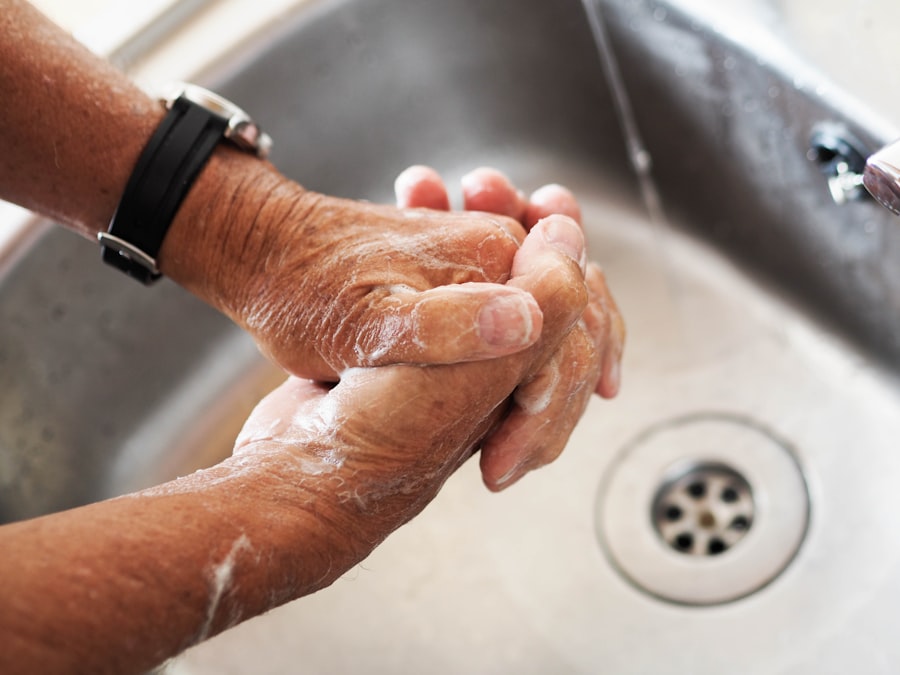
The consequences of untreated chronic dehydration in the elderly can be severe and life-altering. If left unaddressed, dehydration can lead to serious complications such as kidney failure or electrolyte imbalances, which can have devastating effects on overall health. You may find that an elderly individual who has been chronically dehydrated experiences a rapid decline in their physical condition, requiring hospitalization or extensive medical treatment.
Moreover, untreated chronic dehydration can exacerbate existing health conditions. For instance, individuals with heart disease may experience increased strain on their cardiovascular system due to inadequate fluid levels. This strain can lead to complications such as heart failure or arrhythmias.
By recognizing the potential consequences of untreated dehydration, you can take proactive steps to ensure that your loved ones receive the necessary care and attention they need.
How to Monitor Hydration Levels in the Elderly
Monitoring hydration levels in the elderly is essential for preventing chronic dehydration. One effective method is to encourage regular fluid intake throughout the day rather than relying on large quantities at once. You might consider setting reminders or using visual cues such as water bottles placed in visible locations to prompt drinking.
Keeping track of daily fluid intake can also help you identify patterns and make adjustments as needed. Another useful approach is to observe physical signs of hydration status regularly. You can check for dry skin or monitor urine color; pale yellow urine typically indicates adequate hydration while darker urine suggests a need for more fluids.
Additionally, keeping an eye on weight changes can provide insight into hydration levels; sudden weight loss may indicate fluid loss due to dehydration. By employing these monitoring techniques, you can help ensure that elderly individuals maintain optimal hydration levels.
Preventing Chronic Dehydration in the Elderly
Preventing chronic dehydration in the elderly requires a proactive approach that emphasizes education and awareness. You should encourage older adults to drink fluids regularly throughout the day, even if they do not feel thirsty. Providing a variety of hydrating options such as water, herbal teas, and broths can make it easier for them to meet their fluid needs while also catering to their preferences.
Creating a supportive environment is also crucial for preventing dehydration. You might consider involving family members or caregivers in establishing a routine that includes regular hydration breaks during meals or social activities. Additionally, educating those around elderly individuals about the importance of hydration can foster a culture of awareness and support that prioritizes fluid intake.
Treatment Options for Chronic Dehydration in the Elderly
When addressing chronic dehydration in the elderly, various treatment options are available depending on the severity of the condition. For mild cases, simply increasing oral fluid intake may suffice; encouraging water consumption or offering electrolyte-rich beverages can help restore hydration levels effectively. You might also consider incorporating hydrating foods into their diet, such as fruits and vegetables with high water content.
In more severe cases of dehydration, medical intervention may be necessary. Healthcare providers may recommend intravenous (IV) fluids to rapidly replenish lost fluids and electrolytes. This method is particularly effective for individuals who are unable to drink adequately due to illness or cognitive impairment.
By understanding these treatment options, you can advocate for appropriate care when needed.
The Role of Caregivers in Recognizing and Addressing Chronic Dehydration in the Elderly
Caregivers play a vital role in recognizing and addressing chronic dehydration among the elderly. As someone who may be responsible for an older adult’s daily care, you have a unique opportunity to monitor their hydration status closely. Being attentive to changes in behavior or physical appearance allows you to identify potential issues early on and take action before they escalate.
Additionally, caregivers can implement strategies that promote hydration as part of daily routines. Encouraging regular fluid intake during meals or providing easy access to beverages throughout the day are simple yet effective ways to support hydration efforts. By fostering an environment where hydration is prioritized, caregivers can significantly impact the health and well-being of elderly individuals under their care.
When to Seek Medical Attention for Chronic Dehydration in the Elderly
Knowing when to seek medical attention for chronic dehydration in the elderly is crucial for preventing serious complications. If you notice persistent signs of dehydration such as extreme thirst, dry mouth, confusion, or decreased urine output, it is essential to consult a healthcare professional promptly. These symptoms may indicate that immediate intervention is necessary.
In cases where an elderly individual exhibits severe symptoms such as rapid heartbeat, low blood pressure, or fainting spells, seeking emergency medical attention is critical. These signs could indicate a more severe level of dehydration that requires urgent care and treatment. By being vigilant and proactive about recognizing these warning signs, you can help ensure that your loved ones receive timely medical attention when needed.
In conclusion, recognizing and addressing chronic dehydration in the elderly is vital for maintaining their health and quality of life. By understanding its causes, symptoms, effects, and treatment options, you can play an active role in promoting proper hydration among older adults. Your vigilance and support can make a significant difference in their overall well-being and longevity.
Chronic dehydration in the elderly is a significant health concern that can lead to various complications, including urinary tract infections, kidney stones, and even cognitive impairments. Recognizing the signs of chronic dehydration, such as dry mouth, fatigue, and decreased urine output, is crucial for timely intervention. For more detailed information on this topic, you can refer to a related article on Explore Senior Health, which provides insights into the causes, symptoms, and preventive measures for dehydration in older adults. This resource is invaluable for caregivers and family members who want to ensure the well-being of their elderly loved ones.
WATCH THIS! 🛑 The 5 “Healthy” Habits Quietly Destroying Your Independence After 60
FAQs
What are the signs of chronic dehydration in elderly individuals?
Some signs of chronic dehydration in elderly individuals include dry mouth, sunken eyes, low urine output, dark-colored urine, dizziness, confusion, and rapid heart rate.
Why are elderly individuals more prone to chronic dehydration?
Elderly individuals are more prone to chronic dehydration due to age-related changes in the body, decreased sensation of thirst, certain medications, and underlying health conditions such as diabetes or kidney disease.
How can chronic dehydration impact the health of elderly individuals?
Chronic dehydration can lead to serious health complications in elderly individuals, including urinary tract infections, kidney stones, constipation, confusion, and an increased risk of falls.
What are some strategies to prevent chronic dehydration in elderly individuals?
Strategies to prevent chronic dehydration in elderly individuals include encouraging regular fluid intake, offering fluids with meals and snacks, monitoring urine color, and adjusting medications that may contribute to dehydration.
When should a healthcare professional be consulted for suspected chronic dehydration in an elderly individual?
A healthcare professional should be consulted if an elderly individual shows signs of chronic dehydration, as they may require medical intervention to address the underlying causes and prevent further complications.