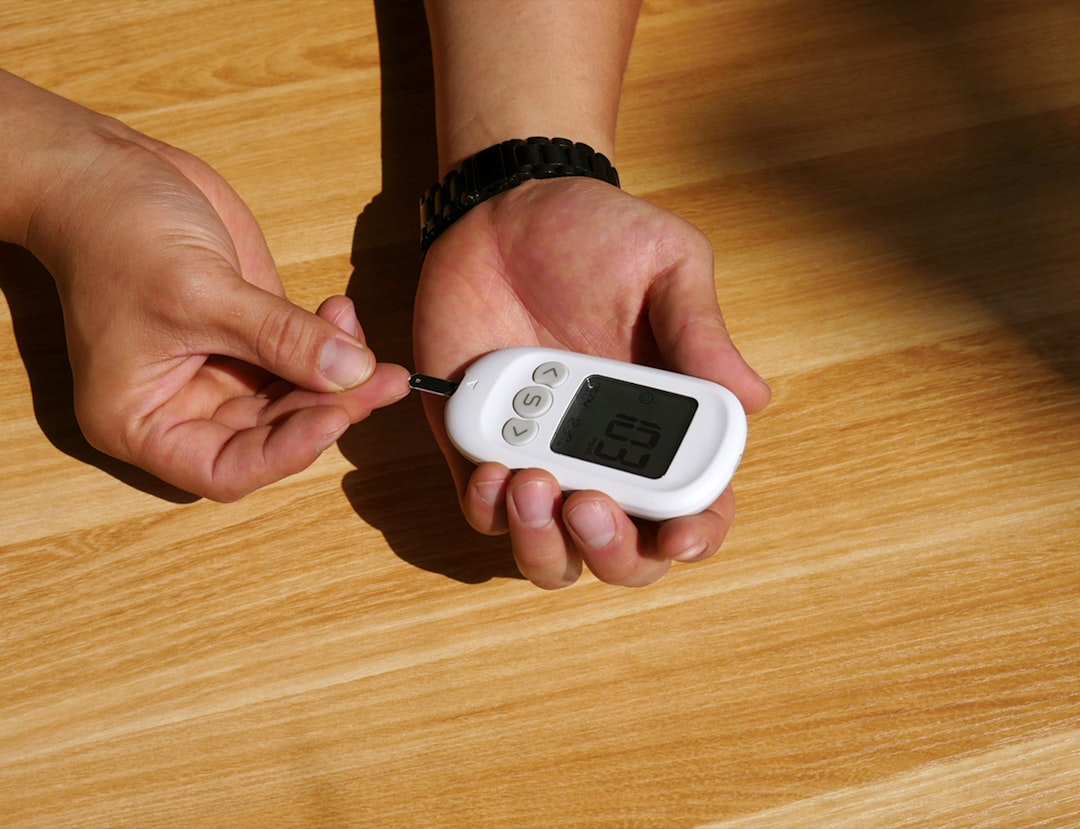
You wake up. The alarm blares, or the sunlight filters through your blinds. You stretch, perhaps sigh, and then it happens. A familiar tightness in your chest, a faint thrumming behind your eyes. Your blood pressure, you know, is likely climbing, a morning surge that you’ve become intimately aware of. Managing these morning blood pressure spikes is a crucial aspect of maintaining cardiovascular health, and understanding its nuances can empower you to take proactive steps.
You might wonder why your blood pressure behaves this way. It’s not just you; this is a common physiological occurrence for many. Several factors contribute to this daily rise, and recognizing them is the first step in effective management.
The Circadian Rhythm of Your Blood Pressure
Your body operates on an internal clock, the circadian rhythm, and your cardiovascular system is no exception. This rhythm dictates a natural pattern of physiological changes throughout the 24-hour cycle. For blood pressure, this typically means a dip during sleep, followed by a gradual ascent in the hours leading up to waking, and peaking shortly after. This early morning elevation is often referred to as the “morning surge.”
- The Role of Hormones: Several hormones play a critical role in this morning rise. Cortisol, often dubbed the “stress hormone,” begins to increase in the early morning hours, prompting your body to wake up and become active. This hormonal shift can lead to an increase in heart rate and blood pressure. Adrenaline also plays a part, further preparing your body for the day’s activities by constricting blood vessels and elevating blood pressure.
- Changes in the Autonomic Nervous System: Your autonomic nervous system, which controls involuntary bodily functions like heart rate and blood vessel diameter, also undergoes changes in the morning. The sympathetic nervous system, responsible for the “fight or flight” response, becomes more active, leading to vasoconstriction (narrowing of blood vessels) and a subsequent increase in blood pressure.
Pre-Existing Conditions and Morning Spikes
If you have a diagnosed condition like hypertension (high blood pressure), these morning surges can be more pronounced or contribute to a higher baseline reading. Your body’s ability to regulate blood pressure may already be compromised, making it more susceptible to these diurnal fluctuations.
- Essential Hypertension: For individuals with essential hypertension, the cause of which is unknown, the morning spike can be a significant contributor to overall daily blood pressure. This is especially true if your evening medication is wearing off by morning, or if your condition makes you more sensitive to the natural morning hormonal changes.
- Secondary Hypertension: If your high blood pressure is caused by another underlying medical condition, such as kidney disease or thyroid problems, the morning spike can be exacerbated by the poorly controlled primary condition.
- The Impact of Sleep Apnea: Sleep apnea, a condition where breathing repeatedly stops and starts during sleep, can significantly disrupt sleep quality and lead to increased sympathetic nervous system activity. This chronic stress on your body can result in more severe morning blood pressure spikes.
The Influence of Lifestyle Factors
Beyond inherent biological rhythms, your daily habits and choices significantly influence the intensity of your morning blood pressure readings. What you do (or don’t do) in the evening and immediately upon waking can have a direct impact.
- Dietary Choices: Your diet, particularly in the hours leading up to sleep and during your first meal of the day, plays a vital role. High sodium intake, especially in the evening, can lead to fluid retention and subsequently higher blood pressure in the morning. Conversely, a diet rich in potassium and magnesium can help regulate blood pressure.
- Alcohol and Caffeine Consumption: The timing and amount of alcohol and caffeine you consume can also affect your morning blood pressure. Alcohol can disrupt sleep and lead to dehydration, both of which can contribute to elevated readings. Caffeine, a stimulant, can temporarily increase blood pressure, and its effects might linger into the morning.
- Smoking: Nicotine is a vasoconstrictor and can significantly raise blood pressure. If you smoke, especially shortly after waking or before bed, you are likely contributing to your morning spikes.
If you’re looking for effective strategies to reduce morning blood pressure spikes, you might find valuable insights in the article available at Explore Senior Health. This resource offers practical tips and lifestyle changes that can help manage blood pressure levels, particularly during the early hours of the day when fluctuations are most common. By incorporating these recommendations into your routine, you can work towards achieving better overall cardiovascular health.
Strategies for Immediate Morning Management
When that first conscious moment brings awareness of rising blood pressure, you need immediate, actionable strategies. These are interventions you can implement right away to mitigate the surge.
The Power of Hydration
Dehydration can shock your system and contribute to increased blood pressure. Starting your day with adequate fluid intake is a simple yet effective tactic.
- Water is Your Ally: The most straightforward and beneficial approach is to drink a glass of water upon waking. This rehydrates your body after a night of insensible fluid loss and can help to slightly lower blood pressure.
- Consider Electrolytes: For some individuals, especially those who have been sweating or have lost electrolytes, a glass of water with a pinch of sea salt or a mild electrolyte drink can be beneficial. However, be mindful of sodium intake if you have a sodium-restricted diet. Avoid sugary sports drinks that can have the opposite effect.
Mindful Breathing and Relaxation Techniques
Your mental state is intrinsically linked to your physical health, including blood pressure. Cultivating a sense of calm can dampen the morning surge.
- Deep Diaphragmatic Breathing: Before even getting out of bed, dedicate a few minutes to slow, deep breaths. Inhale deeply through your nose, allowing your abdomen to expand, and exhale slowly through your mouth. This type of breathing activates the parasympathetic nervous system, promoting relaxation and counteracting the sympathetic drive.
- Progressive Muscle Relaxation: Gently tense and then release different muscle groups in your body, starting from your toes and moving upwards. This practice helps you become more aware of muscle tension and consciously release it, which can have a calming effect on your entire system.
- Short Meditation or Mindfulness: Even a five-minute guided meditation or a simple period of focused awareness on your breath can help to quiet racing thoughts and reduce the stress response that can contribute to blood pressure elevation.
Gentle Physical Activity
While strenuous exercise immediately upon waking might overstimulate your system, gentle movement can be beneficial.
- Stretching: Perform gentle stretches while still in bed or upon rising. Focus on movements that promote circulation and release tension in your neck, shoulders, and back.
- Light Walking: If you have the space and inclination, a short, slow walk around your home or immediate surroundings can stimulate blood flow and help to normalize your blood pressure. Avoid any forms of exercise that feel strenuous or cause you to feel breathless.
Incorporating Long-Term Lifestyle Modifications

While immediate strategies are important, the most effective way to manage morning blood pressure spikes lies in sustained, healthy lifestyle choices. These are the foundations upon which your cardiovascular well-being is built.
Dietary Adjustments for Blood Pressure Control
What you eat forms the bedrock of your health. Strategic dietary changes can have a profound and lasting impact on your blood pressure.
- Embrace the DASH Diet: The Dietary Approaches to Stop Hypertension (DASH) diet is specifically designed to lower blood pressure. It emphasizes fruits, vegetables, whole grains, lean protein, and low-fat dairy, while limiting saturated and total fat, cholesterol, and red meat. This approach naturally reduces sodium intake and increases the intake of minerals like potassium, magnesium, and calcium, all crucial for blood pressure regulation.
- The Sodium Strategy: Reducing your sodium intake is paramount. Most of the sodium we consume comes from processed and restaurant foods. Focus on preparing meals at home using fresh ingredients and limiting pre-packaged meals, canned goods, and processed meats. Read food labels carefully and aim for foods with lower sodium content.
- Potassium’s Balancing Act: Potassium helps to balance out the effects of sodium and relaxes blood vessel walls. Excellent sources include bananas, sweet potatoes, spinach, beans, and yogurt.
- Magnesium’s Role in Vessels: Magnesium can help relax blood vessels. Incorporate nuts, seeds, leafy green vegetables, and whole grains into your diet to boost your magnesium intake.
- Healthy Fats are Crucial: Opt for unsaturated fats found in olive oil, avocados, nuts, and seeds. Limit saturated fats found in fatty meats and full-fat dairy.
Regular Exercise for Cardiovascular Health
Consistency is key when it comes to exercise. It strengthens your heart, improves circulation, and helps your body manage stress.
- Aerobic Activity is Essential: Aim for at least 150 minutes of moderate-intensity aerobic exercise or 75 minutes of vigorous-intensity aerobic exercise per week. This could include brisk walking, jogging, swimming, cycling, or dancing.
- Strength Training Benefits: Incorporate strength training exercises at least two days a week. Building muscle mass can improve your metabolism and contribute to overall cardiovascular health.
- The Importance of Consistency: It’s not about sporadic bursts of intense activity. Regular, moderate exercise is far more beneficial for long-term blood pressure management than infrequent, strenuous workouts.
- Finding Activities You Enjoy: To maintain a consistent routine, choose physical activities that you genuinely enjoy. This makes it more likely that you’ll stick with them long-term.
Stress Management and Mental Well-being
The impact of stress on blood pressure cannot be overstated. Chronic stress can lead to persistent elevation, and morning spikes can be amplified by an anxious start to the day.
- Identify Your Stressors: Become aware of the situations, thoughts, and emotions that trigger your stress response. Once identified, you can begin to develop strategies to manage them.
- Prioritize Sleep Hygiene: Poor sleep is a significant contributor to stress and elevated blood pressure. Establish a regular sleep schedule, create a relaxing bedtime routine, and ensure your bedroom is dark, quiet, and cool.
- Mindfulness and Meditation: Regular practice of mindfulness and meditation can train your brain to be less reactive to stressors and promote a greater sense of calm.
- Engage in Hobbies and Social Connections: Make time for activities that you find enjoyable and that bring you joy. Nurturing positive social connections can also provide support and reduce feelings of isolation, which can be stress-amplifying.
- Therapeutic Support: If you find it difficult to manage stress on your own, consider seeking professional help from a therapist or counselor. They can provide you with effective coping mechanisms and strategies.
The Role of Medication and Medical Consultation

While lifestyle changes are the cornerstone of managing morning blood pressure spikes, there are times when medical intervention is necessary. Never underestimate the importance of your healthcare provider in this journey.
When to Seek Professional Guidance
Don’t hesitate to discuss your morning blood pressure concerns with your doctor. They are your best resource for diagnosis, personalized advice, and treatment plans.
- Regular Check-ups are Key: Attend all scheduled medical appointments. Your doctor will monitor your blood pressure over time and identify any concerning trends, including persistent morning spikes.
- Report All Symptoms: Be open and honest with your doctor about any symptoms you experience, including headaches, dizziness, visual disturbances, or chest discomfort, especially if they occur in the morning.
- Home Blood Pressure Monitoring: Your doctor may recommend that you monitor your blood pressure at home. This provides valuable data on how your blood pressure fluctuates throughout the day, including those crucial morning readings. Keep a detailed log of your readings, noting the time of day and any relevant factors (e.g., you just woke up, you’ve had caffeine).
- Understanding Your Readings: Don’t just look at the numbers. Ask your doctor to explain what your blood pressure readings mean in the context of your overall health.
Understanding Blood Pressure Medications
If lifestyle modifications alone are not sufficient, your doctor may prescribe medication. It’s crucial to understand how these medications work and to take them as directed.
- Timing is Crucial with Medications: For individuals experiencing significant morning blood pressure spikes, your doctor might adjust the timing of your medication or prescribe a medication specifically designed to provide coverage during those critical hours. Some medications have a longer half-life, meaning they provide consistent coverage. Others may be taken closer to bedtime to exert their full effect in the morning.
- Common Medication Classes: Your doctor might prescribe diuretics, beta-blockers, ACE inhibitors, ARBs, or calcium channel blockers. Each class works differently to lower blood pressure.
- Adherence is Non-Negotiable: Taking your medication exactly as prescribed is vital for its effectiveness. Do not skip doses, even if you feel well. Suddenly stopping medication can lead to dangerous blood pressure surges.
- Potential Side Effects: Be aware of potential side effects and report any that concern you to your doctor. They can often adjust the dosage or switch you to a different medication if necessary.
The Importance of a Personalized Plan
There is no one-size-fits-all approach to managing blood pressure. Your doctor will tailor a plan to your specific needs, considering your age, overall health, other medical conditions, and lifestyle.
- Collaboration with Your Doctor: View your healthcare provider as a partner in managing your health. Communicate openly, ask questions, and work together to create a sustainable plan.
- Regular Review of Your Plan: Your health needs can change over time. It’s important to have regular follow-up appointments to review your treatment plan and make adjustments as needed.
- Don’t Self-Medicate: Never attempt to diagnose or treat your high blood pressure with over-the-counter medications or supplements without consulting your doctor. Some supplements can interact with blood pressure medications or have their own adverse effects.
If you’re looking for effective strategies to manage morning blood pressure spikes, you might find it helpful to explore related topics that delve deeper into lifestyle changes and dietary adjustments. For instance, a comprehensive article on this subject can provide valuable insights and practical tips. You can read more about it in this informative piece on senior health, which discusses various methods to maintain stable blood pressure levels throughout the day. Check it out here: senior health.
Monitoring and Tracking Your Progress
| Technique | Effectiveness |
|---|---|
| Regular exercise | Helps to lower blood pressure overall and reduce morning spikes |
| Healthy diet | Low in sodium and high in potassium can help reduce blood pressure spikes |
| Stress management | Reducing stress through techniques like meditation can help lower blood pressure |
| Medication adherence | Taking prescribed medications consistently can help control blood pressure spikes |
Effective management requires diligent monitoring and a commitment to tracking your progress. This data provides valuable insights and motivates you to stay on course.
The Value of Home Blood Pressure Monitoring
Investing in a reliable home blood pressure monitor can be a game-changer. It empowers you with real-time data and helps you understand the effectiveness of your interventions.
- Choosing a Reliable Monitor: Opt for an automated, upper-arm cuff monitor that has been clinically validated. Wrist monitors can be less accurate.
- The Right Technique Matters: Ensure you are using the monitor correctly. Sit quietly for at least five minutes before taking a reading, rest your arm on a table at heart level, and avoid talking during the measurement.
- Consistent Measurement Times: Establish a routine for taking your blood pressure, ideally at the same times each day. This is especially important for tracking morning spikes. For instance, take a reading immediately upon waking, before eating or drinking anything.
- Recording Your Readings: Keep a dedicated logbook or use a smartphone app to record your readings. Note the date, time, systolic and diastolic pressure, and your pulse. Jot down any factors that might have influenced the reading, such as stress levels, recent exercise, or a late night.
Recognizing Warning Signs and When to Seek Immediate Help
While managing your blood pressure is crucial, it’s also important to recognize when your situation might require immediate medical attention.
- Sudden, Severe Headaches: A sudden, intense headache, particularly if it feels different from your usual headaches, can be a sign of a hypertensive crisis.
- Chest Pain or Tightness: Any new or worsening chest pain, or a feeling of tightness or pressure in your chest, warrants immediate medical evaluation.
- Shortness of Breath: Difficulty breathing, especially if it’s sudden and unexplained, can be a serious symptom.
- Blurred Vision or Vision Changes: Experiencing unexplained blurred vision, double vision, or sudden loss of vision needs prompt medical attention.
- Numbness or Weakness: Sudden numbness or weakness in the face, arm, or leg, especially on one side of the body, can indicate a stroke.
- Confusion or Difficulty Speaking: Any sudden confusion, difficulty speaking, or slurred speech should be treated as a medical emergency.
Adjusting Your Strategies Based on Data
Your home blood pressure readings are not just numbers; they are feedback. Use them to inform your approach.
- Identify Patterns: Review your logs regularly to identify patterns in your morning blood pressure. Are there specific days or times when spikes are more common?
- Correlate with Lifestyle: Try to correlate your readings with your diet, sleep, stress levels, and exercise. This will help you pinpoint what factors are most influencing your blood pressure.
- Share Data with Your Doctor: Bring your blood pressure logs to your appointments. This detailed information is invaluable for your doctor to assess the effectiveness of your current treatment plan.
- Be Patient with Progress: Blood pressure management is often a journey, not a race. Understand that it may take time to see significant improvements. Celebrate small victories and stay consistent with your efforts. By actively monitoring and understanding your blood pressure, you are taking a powerful step towards better cardiovascular health.
FAQs
What are morning blood pressure spikes?
Morning blood pressure spikes are temporary increases in blood pressure that occur in the early morning hours, typically between 6 a.m. and 9 a.m. These spikes are a natural part of the body’s circadian rhythm, but for some people, they can be more pronounced and potentially harmful.
What causes morning blood pressure spikes?
Morning blood pressure spikes can be caused by a variety of factors, including the body’s natural release of stress hormones upon waking, changes in the body’s fluid balance overnight, and the impact of morning activities such as eating breakfast and getting ready for the day.
How can I reduce morning blood pressure spikes?
To reduce morning blood pressure spikes, it’s important to maintain a healthy lifestyle, including regular exercise, a balanced diet, and stress management techniques. Additionally, taking medication as prescribed by a healthcare professional and monitoring blood pressure regularly can help manage morning spikes.
What are the potential risks of morning blood pressure spikes?
For some individuals, frequent and severe morning blood pressure spikes can increase the risk of heart attack, stroke, and other cardiovascular events. It’s important to monitor and manage blood pressure to reduce these risks.
When should I seek medical advice for morning blood pressure spikes?
If you experience frequent and severe morning blood pressure spikes, or if you have concerns about your blood pressure levels, it’s important to seek medical advice from a healthcare professional. They can provide personalized recommendations and treatment options to help manage morning blood pressure spikes.