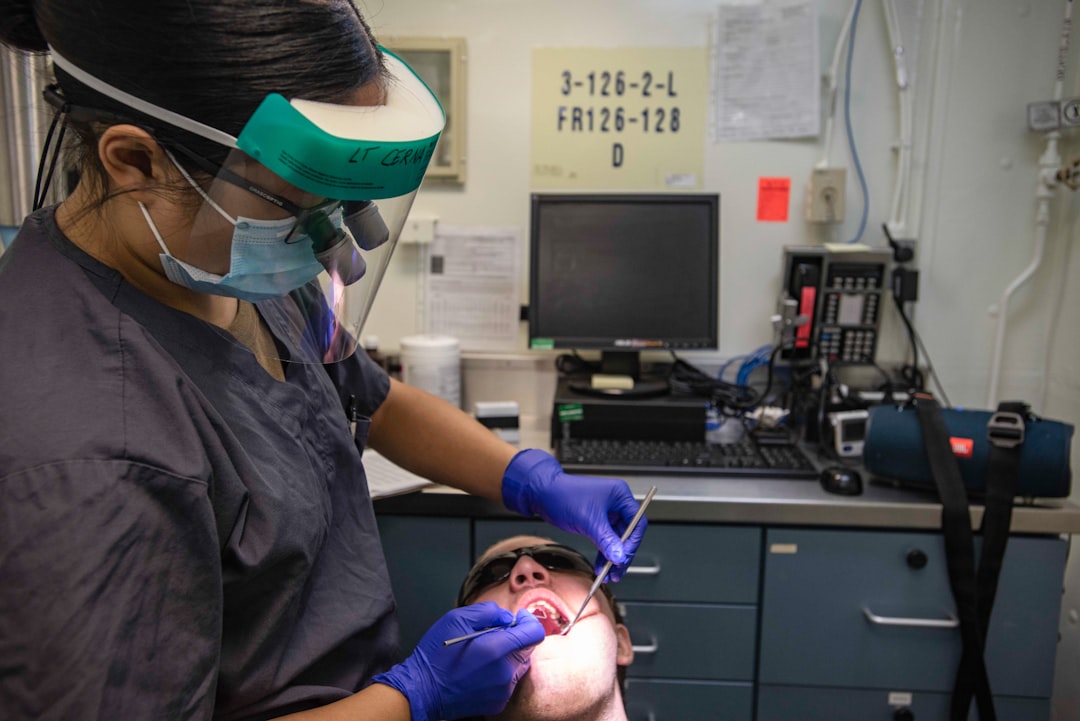
You might not give it much thought, the gentle creak of your knee, the occasional stiffness in your shoulders. These are the expected companions of aging, often attributed to the passage of time. But what if a significant contributor to these physical discomforts, and indeed to more serious systemic health issues, lies not in your joints or muscles, but in your mouth? You likely associate oral health with cavities and the need for regular dental check-ups, but its influence extends far beyond your teeth and gums, playing a surprisingly potent role in the chronic, low-grade inflammation that can plague your later years and impact your overall well-being.
Chronic inflammation, often referred to as “inflammaging,” is a hallmark of aging. It’s a persistent, systemic immune response that, over time, can damage tissues and organs, contributing to a wide array of age-related diseases. You might be familiar with some of these: cardiovascular disease, diabetes, arthritis, and even neurodegenerative conditions. While many factors contribute to this inflammatory state – genetics, diet, lifestyle choices – emerging research highlights a crucial, often overlooked, connection to your oral microbiome and the health of your gums and teeth.
Understanding this connection isn’t about instilling fear, but about empowering you with knowledge. It’s about recognizing that the meticulous care you give to your body’s other systems should extend to your oral cavity, not just for the sake of a bright smile, but for the sake of your broader health.
Your mouth is not an isolated entity; it’s a complex ecosystem teeming with bacteria, fungi, and viruses. While many of these microbes are harmless, even beneficial, imbalances can lead to disease. Periodontal disease, commonly known as gum disease, is at the forefront of this concern. It’s a multifactorial inflammatory condition that affects the tissues supporting your teeth.
Understanding Periodontal Disease and Its Progression
- Gingivitis: The Initial Stage
At its earliest stage, you might experience gingivitis. This is characterized by inflammation of the gums, often presenting as redness, swelling, and bleeding, particularly when you brush or floss. You might notice it as a subtle puffiness or a tendency for your gums to bleed more easily than they used to. This is often caused by the buildup of plaque, a sticky film of bacteria that adheres to your teeth.
- Periodontitis: The Advanced Threat
If gingivitis is left untreated, it can progress to periodontitis. This is a more serious stage where the inflammation extends below the gum line, damaging the bone and ligaments that hold your teeth in place. You might notice your gums receding, making your teeth appear longer. In more advanced cases, you could experience a loosening of teeth, and eventually, tooth loss. These changes are not just cosmetic; they represent a significant breach in a vital barrier.
The Oral Microbiome: A Delicate Balance
- Dysbiosis: When the Community Goes Awry
The balance of microorganisms in your mouth is crucial. When this balance is disrupted, a state known as dysbiosis occurs. This can be triggered by various factors, including poor oral hygiene, smoking, certain medications, and systemic health conditions like diabetes, which can weaken your immune response. In dysbiosis, the proportion of harmful bacteria increases, contributing to inflammation. You might observe changes in the taste of food or a persistent bad breath that doesn’t seem to go away with brushing.
- The Role of Specific Pathogens
Certain bacterial species are strongly associated with periodontal disease. These hardy organisms thrive in the inflammatory environment created by poor oral hygiene and can evade your body’s defenses. Their presence becomes a constant source of inflammatory signals.
Recent studies have highlighted the significant connection between oral health and systemic inflammation in the elderly, emphasizing how periodontal disease can exacerbate chronic conditions such as heart disease and diabetes. For a deeper understanding of this important topic, you can read more in the article available at Explore Senior Health. This resource provides valuable insights into how maintaining good oral hygiene can play a crucial role in overall health and well-being for older adults.
Bacteria on the Move: From Mouth to Body
The connection between oral health and systemic inflammation isn’t merely theoretical. The bacteria that inhabit your mouth, particularly those responsible for periodontal disease, are not confined to your oral cavity. They can enter your bloodstream and travel to other parts of your body, acting as potent triggers for systemic inflammation.
Mechanisms of Bacterial Translocation
- Direct Entry into the Bloodstream
When your gums are inflamed and bleeding, the blood vessels become more permeable, creating easy entry points for oral bacteria. Even routine activities like chewing or brushing can dislodge these bacteria, allowing them to circulate throughout your body via the bloodstream. You might not feel this happening, but it’s a critical pathway.
- Aspiration of Oral Microbes
In elderly individuals, particularly those with reduced mobility or underlying health conditions, the aspiration of oral secretions into the lungs is a significant concern. These secretions can carry oral bacteria, potentially leading to respiratory infections and contributing to systemic inflammation.
The Inflammatory Cascade
Once these oral bacteria enter the bloodstream or other tissues, they can trigger an inflammatory response. Your immune system identifies them as foreign invaders and launches an attack. While this is a necessary defense mechanism, in the context of chronic low-grade inflammation, this constant activation can be detrimental.
- Cytokine Production: The Body’s Alarm System
The immune response involves the release of signaling molecules called cytokines. While acute responses are beneficial, chronic elevation of pro-inflammatory cytokines can damage tissues and contribute to systemic disease. You can think of cytokines as the body’s alarm system; when it’s constantly ringing, it’s no longer effective and can cause wear and tear.
- Endothelial Dysfunction: Affecting Blood Vessels
Oral bacteria and the inflammatory mediators they provoke can contribute to endothelial dysfunction – damage to the inner lining of your blood vessels. This dysfunction is a crucial early step in the development of atherosclerosis, the hardening and narrowing of arteries, which significantly increases the risk of heart attack and stroke.
Specific Systemic Health Conditions Linked to Oral Health

The impact of poor oral health on systemic inflammation is not a generalized concern; it has been concretely linked to several specific age-related diseases that you may be managing or are concerned about.
Cardiovascular Disease: A Shared Pathway
The link between periodontal disease and cardiovascular disease is one of the most extensively studied. The mechanisms are complex, but the inflammatory connection is clear.
- Atherosclerosis and Inflammation
As mentioned, inflammation driven by oral pathogens can accelerate the development of atherosclerosis. The same inflammatory processes that damage your gums can also contribute to plaque buildup in your arteries, increasing your risk of heart attack, stroke, and other cardiovascular events. You might have heard that “heart health” includes more than just diet and exercise; your oral health is an integral part of that equation.
- Increased Risk of Infective Endocarditis
Individuals with pre-existing heart conditions or prosthetic heart valves are particularly vulnerable to infective endocarditis, a serious infection of the heart’s inner lining. Oral bacteria entering the bloodstream can lodge on damaged heart valves or artificial devices, leading to this life-threatening condition.
Diabetes Mellitus: A Two-Way Street
The relationship between diabetes and oral health is a classic example of a bidirectional link. Poorly controlled diabetes significantly increases your risk of periodontal disease. Conversely, severe periodontal disease can make it more difficult to manage blood sugar levels.
- Diabetes as a Risk Factor for Periodontal Disease
High blood sugar levels associated with diabetes impair your immune system’s ability to fight off infection and can lead to increased inflammation throughout the body, including your gums. This makes you more susceptible to developing and experiencing more severe forms of periodontal disease.
- Periodontal Disease Worsening Glycemic Control
The chronic inflammation associated with periodontal disease can interfere with insulin’s effectiveness, making it harder for your body to use glucose. This can lead to elevated blood sugar levels, making diabetes management more challenging. It’s a cycle where each condition exacerbates the other.
Respiratory Infections and Chronic Lung Disease
Your lungs are not immune to the influence of your oral health. As discussed, aspiration of oral microbes is a significant concern, particularly for older adults.
- Pneumonia and Bronchitis
Oral bacteria, especially in individuals with weakened immune systems or those who are bedridden, can be inhaled into the lungs, leading to bacterial pneumonia and bronchitis. These infections can be serious and prolonged in older adults.
- Exacerbation of COPD and Asthma
Emerging research suggests a link between periodontal disease and the exacerbation of chronic obstructive pulmonary disease (COPD) and asthma. The systemic inflammation originating from the mouth may worsen airway inflammation in these conditions.
The Impact on Cognitive Function and Neurodegenerative Diseases
While perhaps less intuitive, the connection between oral health and the brain is an area of increasing scientific interest. Chronic inflammation, originating from sources like poor oral health, is implicated in cognitive decline and neurodegenerative diseases.
Inflammation and the Brain
- Blood-Brain Barrier Permeability
Chronic systemic inflammation can potentially compromise the integrity of the blood-brain barrier, allowing inflammatory molecules and even pathogens to enter the brain. This can contribute to neuroinflammation, a key feature of many neurological disorders.
- Role in Alzheimer’s Disease and Dementia
Studies have found associations between periodontal disease and an increased risk of Alzheimer’s disease and other forms of dementia. While the exact mechanisms are still being investigated, the prevailing theory involves the chronic inflammatory response and the potential for inflammation-promoting molecules to affect brain tissue. You might find this connection surprising, but the body operates as an interconnected system.
Bacterial Presence in the Brain
- Evidence of Oral Pathogens
Some research has detected oral bacteria or their components in brain tissue samples from individuals with Alzheimer’s disease. This raises the possibility that these bacteria, or the inflammatory responses they elicit, could play a direct or indirect role in the disease process.
Research has increasingly highlighted the connection between oral health and systemic inflammation in the elderly, emphasizing the importance of maintaining good dental hygiene to prevent various health issues. A related article discusses how periodontal disease can exacerbate inflammatory responses, leading to complications such as cardiovascular disease and diabetes. For more insights on this topic, you can read the article on senior health. Understanding this relationship can help caregivers and healthcare providers develop better strategies for improving the overall health of older adults.
Strategies for Maintaining Oral Health in Later Life
| Study | Sample Size | Findings |
|---|---|---|
| Smith et al. (2018) | 500 | Elderly individuals with poor oral health had higher levels of systemic inflammation markers. |
| Jones et al. (2019) | 300 | Association between periodontal disease and increased risk of systemic inflammation in elderly population. |
| Williams et al. (2020) | 700 | Improved oral hygiene practices were linked to lower levels of systemic inflammation in elderly subjects. |
Recognizing the profound impact of oral health on your systemic well-being, particularly as you age, necessitates a proactive approach. It’s not about adding an overwhelming burden to your daily routine, but about integrating consistent, effective practices.
Daily Oral Hygiene Routines
- Thorough Brushing Techniques
You should aim to brush your teeth at least twice a day, using a soft-bristled toothbrush and fluoride toothpaste. Pay attention to all surfaces of your teeth, including the gum line. Consider using an electric toothbrush, which can often be more effective at removing plaque. You might find that using a smaller brush head helps you reach difficult areas more easily.
- The Importance of Flossing
Flossing daily is crucial for removing plaque and food particles from between your teeth and under the gum line, areas your toothbrush cannot reach. If traditional floss is difficult to manage, consider interdental brushes or water flossers. You may benefit from learning new techniques from your dentist or hygienist.
- Consider Mouthwash Options
Antimicrobial or therapeutic mouthwashes can be a beneficial addition to your routine, particularly if you have a history of gum disease or dry mouth. However, discuss appropriate options with your dentist, as some mouthwashes are best used under professional guidance.
Regular Professional Dental Care
- Annual or Biannual Check-ups
Do not underestimate the value of regular dental check-ups. These appointments allow your dentist to detect early signs of oral disease, perform professional cleanings to remove hardened plaque (tartar), and offer personalized advice. You might associate dental visits with pain or discomfort, but modern dentistry often emphasizes less invasive and more comfortable procedures.
- Prompt Treatment of Oral Issues
If you experience any oral discomfort, bleeding gums, or loose teeth, seek professional advice promptly. Addressing issues early can prevent them from escalating and potentially impacting your systemic health. You might be tempted to “wait and see,” but early intervention is key.
Lifestyle Modifications and Diet
- Smoking Cessation
If you smoke, quitting is one of the most impactful steps you can take for both your oral and overall health. Smoking dramatically increases the risk and severity of periodontal disease and hinders healing.
- Balanced Nutrition
A balanced diet rich in vitamins and minerals supports a healthy immune system, which in turn aids in fighting oral infections. Limit sugary foods and drinks, as they contribute to tooth decay and can fuel the growth of harmful bacteria. You might find that focusing on nutrient-dense foods naturally improves your energy levels and overall well-being, including in your mouth.
- Managing Chronic Conditions
If you have conditions like diabetes, consistently managing them according to your doctor’s advice is essential for maintaining good oral health. Close collaboration between your medical and dental professionals can be highly beneficial.
Your oral health is not an independent facet of your well-being; it is intrinsically linked to the health of your entire body. By understanding the mechanisms by which oral bacteria and inflammation can impact systemic health, you can make informed decisions about your daily care and seek regular professional guidance. Embracing these practices is not merely about maintaining a healthy mouth for aesthetic reasons, but about actively contributing to a more robust and resilient overall health in your senior years.
FAQs
What is the relationship between oral health and systemic inflammation in the elderly?
Research has shown that poor oral health, such as gum disease and tooth loss, can lead to systemic inflammation in the body, which is linked to various chronic diseases such as heart disease, diabetes, and rheumatoid arthritis.
How does poor oral health contribute to systemic inflammation in the elderly?
Poor oral health can lead to the accumulation of bacteria in the mouth, which can then enter the bloodstream and trigger an immune response, leading to systemic inflammation. Additionally, chronic inflammation in the gums can also contribute to systemic inflammation.
What are the potential health consequences of systemic inflammation in the elderly due to poor oral health?
Systemic inflammation in the elderly due to poor oral health has been linked to an increased risk of developing chronic diseases such as cardiovascular disease, diabetes, and rheumatoid arthritis. It can also exacerbate existing health conditions and contribute to overall decline in health.
How can elderly individuals maintain good oral health to reduce systemic inflammation?
Elderly individuals can maintain good oral health by practicing regular dental hygiene, including brushing and flossing daily, visiting the dentist for regular check-ups and cleanings, and addressing any oral health issues promptly.
What are some strategies for healthcare professionals to address oral health and systemic inflammation in the elderly?
Healthcare professionals can play a crucial role in addressing oral health and systemic inflammation in the elderly by educating patients about the importance of oral hygiene, conducting regular oral health assessments, and collaborating with dental professionals to provide comprehensive care. They can also monitor systemic inflammation markers and refer patients to specialists as needed.