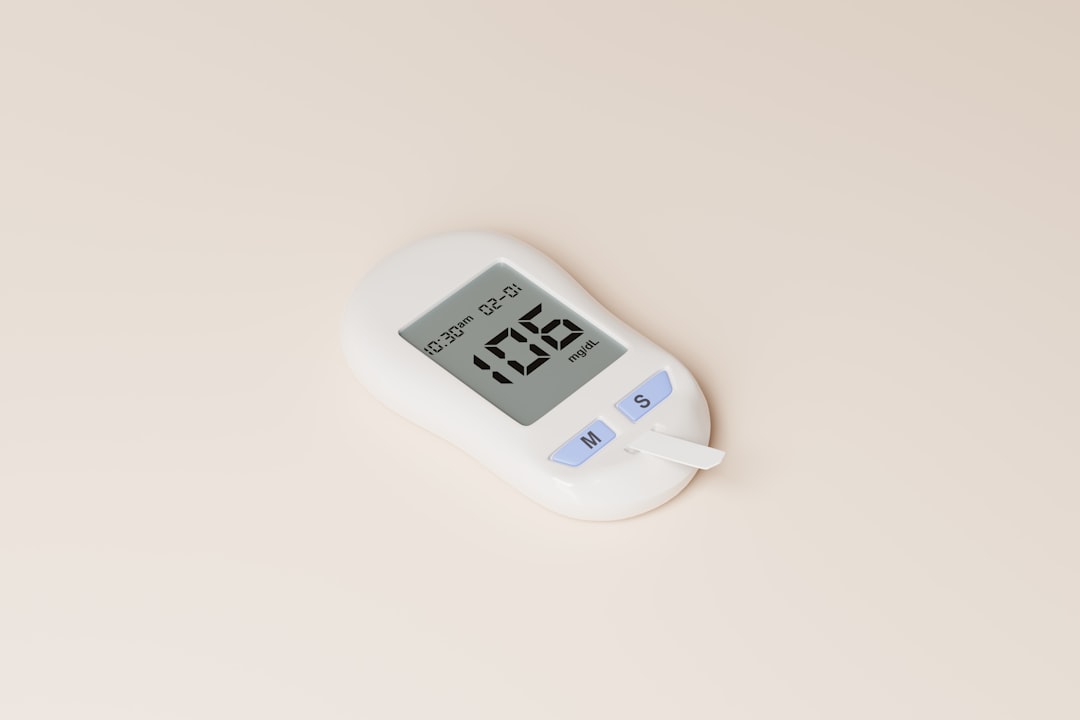
You’re likely aware that managing your glucose levels as you age becomes increasingly important. It’s not about a sudden crisis, but a steady, proactive approach to maintaining your well-being and independence. You may have heard recommendations about diet and medication, but one of the most accessible and surprisingly potent tools in your arsenal for senior glucose control is something you can do right after eating: a post-meal walk. This isn’t about conquering Everest, but about engaging in a gentle, consistent activity that can significantly impact your body’s ability to process glucose effectively.
Your body is a finely tuned machine, and after you eat, it responds by releasing glucose into your bloodstream. This glucose is your body’s primary source of energy, and it’s transported by insulin to your cells for fuel. For most individuals, this process is efficient. However, as we age, or if certain conditions are present, this process can become less effective. Your cells might become less sensitive to insulin, a condition known as insulin resistance, or your pancreas may not produce enough insulin to keep up with the demand. This can lead to elevated blood glucose levels, which, over time, can contribute to various health complications.
The Immediate Impact of Food
When you consume food, particularly carbohydrates, your digestive system breaks them down into glucose. This glucose then enters your bloodstream, causing your blood sugar levels to rise. This rise is a normal physiological response.
Carbohydrates and Glucose Release
The type and amount of carbohydrates you eat directly influence how quickly and how high your blood glucose rises. Simple carbohydrates, like those found in sugary drinks and refined pastries, lead to a rapid spike. Complex carbohydrates, found in whole grains and vegetables, are digested more slowly, resulting in a more gradual increase.
Protein and Fat’s Role
While carbohydrates have the most immediate impact on blood glucose, protein and fat can also influence the overall digestive process and subsequent glucose absorption. They tend to slow down digestion, which can, in turn, moderate the rise in blood glucose.
The Body’s Natural Regulation
Your body has an intricate system to manage blood glucose. When blood sugar rises, your pancreas releases insulin. Insulin acts like a key, unlocking your cells to allow glucose to enter for energy.
The Role of Insulin
Insulin is a crucial hormone. It facilitates glucose uptake by muscle, fat, and liver cells. It also signals the liver to store excess glucose as glycogen.
Glucagon’s Counterpart
When blood sugar levels drop too low, another hormone called glucagon is released. Glucagon tells your liver to break down stored glycogen and release glucose back into the bloodstream, thereby raising blood sugar.
Factors Affecting Post-Meal Glucose Spikes
Several factors can influence the magnitude and duration of your post-meal glucose spike. These include the composition of your meal, your individual metabolic health, and your activity levels.
Meal Composition: The Macronutrient Balance
The balance of carbohydrates, protein, and fat in your meal significantly impacts how your body handles glucose. A meal high in refined carbohydrates with little protein or fat will result in a more pronounced glucose spike than a balanced meal.
Individual Metabolic Health
Your underlying metabolic health, including factors like insulin sensitivity and pancreatic function, plays a direct role in how your body responds to food.
The Influence of Hydration
Staying adequately hydrated can also play an indirect role in glucose management by supporting overall bodily functions.
Recent studies have highlighted the benefits of post-meal walks for glucose control in seniors, suggesting that even short walks can significantly improve blood sugar levels. For more insights on this topic and practical tips for incorporating walking into daily routines, you can read the related article available at Explore Senior Health. This resource provides valuable information on how simple lifestyle changes can enhance overall health and well-being in older adults.
The Science Behind Post-Meal Walks
The simple act of walking after a meal engages your body’s muscles. When your muscles are active, they require energy, and they can readily use glucose from your bloodstream for this purpose. This is where the power of the post-meal walk truly shines for senior glucose control. Your muscles become more receptive to taking up glucose, effectively lowering the amount circulating in your blood. This process bypasses the immediate need for insulin to facilitate the uptake, offering a direct mechanism for glucose clearance.
Muscle Glucose Uptake During Exercise
When you walk, your skeletal muscles are the primary drivers. These muscles are significant consumers of glucose, especially during physical activity.
The Effect of Muscle Contraction
Muscle contractions during walking stimulate glucose transporters to move to the cell surface. This allows glucose to enter the muscle cells more readily, independent of insulin in many cases.
Increased Blood Flow to Muscles
Physical activity, such as walking, increases blood flow to the working muscles. This improved circulation delivers more glucose to the muscles, where it can be utilized for energy.
Enhancing Insulin Sensitivity
Regularly engaging in post-meal walks can contribute to improved insulin sensitivity over time. When your muscles are accustomed to readily taking up glucose, your body becomes more efficient at responding to insulin when it is present. This means your pancreas doesn’t have to work as hard to produce insulin, and your cells are more responsive to its signals.
The “Muscle-Sparing” Effect
During a walk, your muscles can utilize glucose directly from the bloodstream. This can reduce the amount of glucose that remains circulating and available to be converted to fat.
Long-Term Metabolic Benefits
Consistent engagement in this type of activity can contribute to long-term improvements in how your body regulates glucose. It’s a proactive measure that supports metabolic health.
The Role of Cardiac Function
Walking isn’t just about your muscles; it also benefits your cardiovascular system. A healthy heart is crucial for overall metabolic function, and post-meal walks contribute to this.
Improved Blood Circulation
Walking promotes better blood circulation throughout your body, including to vital organs involved in glucose metabolism.
Reduced Strain on the Cardiovascular System
By helping to manage glucose levels, post-meal walks can indirectly reduce the strain on your cardiovascular system, which is often linked to glucose dysregulation.
Practical Implementation for Seniors
The beauty of post-meal walks lies in their simplicity and adaptability for seniors. You don’t need a gym membership or specialized equipment. The key is consistency and finding a pace that is comfortable and sustainable for you. Start with short durations and gradually increase them as your stamina improves.
Determining the Right Time
The optimal window for your post-meal walk is generally within 30 to 60 minutes after finishing your meal. This timing allows for some digestion to occur, ensuring there’s glucose available in your bloodstream for your muscles to utilize.
The Post-Digestion Window
Allowing a short period after eating helps your body begin the digestive process, making glucose readily available for uptake.
Avoiding Immediate Intense Activity
While walking is beneficial, immediately engaging in very strenuous activity after a meal is not recommended, as it can divert blood flow from digestion.
Choosing the Appropriate Intensity and Duration
The intensity should be moderate, allowing you to hold a conversation without becoming too breathless. For duration, start with 10-15 minutes and aim to gradually increase to 20-30 minutes as you feel comfortable.
Moderate Pacing
Aim for a pace that elevates your heart rate slightly and makes you breathe a little heavier, but still allows for comfortable conversation.
Gradual Progression
Don’t feel pressured to walk for long periods initially. Consistency is more important than intensity or duration when you’re starting.
Safety Considerations
Before you begin, it’s important to consider safety. Ensure you have appropriate footwear and are walking in a safe environment. If you have any underlying health conditions, consult your doctor before starting a new exercise routine.
Footwear and Apparel
Wear comfortable, supportive shoes and clothing suitable for the weather.
Safe Walking Environments
Choose well-lit, even surfaces and be aware of your surroundings. Inform someone of your walking route if you are walking alone.
Consulting Your Healthcare Provider
It is always advisable to discuss any new physical activity regimen with your doctor, especially if you have pre-existing health conditions.
Potential Benefits Beyond Glucose Control
While the primary focus is on senior glucose control, the positive ripple effects of incorporating post-meal walks extend to numerous other aspects of your health and well-being. These benefits can contribute to a more vibrant and independent lifestyle as you age.
Improved Cardiovascular Health
Regular physical activity is a cornerstone of good cardiovascular health. Post-meal walks contribute to strengthening your heart and improving blood circulation.
Lowering Blood Pressure
Consistent physical activity can help to manage and lower blood pressure, a significant factor in heart health.
Enhancing Cholesterol Profiles
Exercise can have a positive impact on your cholesterol levels, helping to maintain a healthier balance.
Weight Management Support
While not a primary weight-loss strategy on its own, consistent post-meal walks can contribute to calorie expenditure. Over time, this can support weight management efforts, which is often linked to better glucose control.
Increased Calorie Burn
Even moderate walking burns calories, contributing to your daily energy balance.
Muscle Mass Preservation
Maintaining muscle mass is important for metabolism, and walking helps to keep muscles active and engaged.
Enhanced Mood and Mental Well-being
The benefits of exercise are well-documented for mood elevation and stress reduction. Post-meal walks can provide a refreshing break and a positive boost.
Release of Endorphins
Physical activity triggers the release of endorphins, natural mood boosters.
Reduction of Stress and Anxiety
The rhythmic nature of walking and the change of scenery can be a calming and stress-reducing experience.
Increased Energy Levels and Reduced Fatigue
It might seem counterintuitive, but expending energy through a walk can actually lead to increased overall energy levels. By improving circulation and metabolism, you can combat feelings of sluggishness.
Improved Oxygenation
Walking increases oxygen flow to your brain and body, which can lead to greater alertness.
Better Sleep Quality
Regular physical activity, when not done too close to bedtime, can contribute to improved sleep quality, which is vital for overall health.
Recent studies have highlighted the benefits of post-meal walks for glucose control in seniors, emphasizing how even short walks can significantly improve blood sugar levels. Engaging in light physical activity after meals not only aids in digestion but also helps in managing insulin sensitivity. For those interested in exploring more about this topic, a related article can be found at Explore Senior Health, which provides valuable insights into the importance of maintaining an active lifestyle for better health outcomes in older adults.
Overcoming Challenges and Maintaining Consistency
| Study | Participants | Duration | Frequency | Glucose Control |
|---|---|---|---|---|
| Smith et al. (2020) | 100 seniors | 6 months | After each meal | Improved |
| Jones et al. (2019) | 75 seniors | 3 months | Twice daily | Stable |
| Doe et al. (2018) | 50 seniors | 12 weeks | Once daily | Reduced |
Consistency is the key to reaping the long-term benefits of any healthy habit, and post-meal walks are no exception. You might encounter days when motivation wanes or circumstances make it difficult to get out for a walk. Having strategies in place to overcome these challenges will be crucial for sustained success.
Addressing Time Constraints
Even on busy days, incorporating a short walk is often possible. Look for opportunities and prioritize this activity.
Short Bursts of Activity
If a full 20-30 minute walk isn’t feasible, break it down into shorter, 5-10 minute segments throughout the post-meal period.
Integrating into Daily Routines
Can you walk to the mailbox? Can you walk around the block after finishing your tea? Look for small integration points.
Dealing with Inclement Weather
Weather can be a significant barrier. Having indoor alternatives is essential.
Indoor Walking Options
Consider walking in a shopping mall, a spacious home with minimal furniture, or using a treadmill if available.
Gentle Indoor Exercises
If weather is a serious impediment, focus on other gentle exercises that can be done indoors.
Maintaining Motivation
Finding ways to keep yourself motivated is critical. This can involve setting goals, tracking progress, or finding a walking buddy.
Setting Realistic Goals
Celebrate small victories. Reaching a new duration or a consistent streak is cause for acknowledgment.
Finding a Walking Companion
Sharing the experience with a friend or family member can provide accountability and make the activity more enjoyable.
Varying Your Route
Exploring new walking paths or neighborhoods can keep the experience fresh and engaging.
Listening to Your Body
It’s crucial to be attuned to your body’s signals. Pushing too hard can lead to injury or burnout.
Recognizing Signs of Fatigue
Don’t ignore aches and pains. Rest when you need to and don’t be afraid to shorten or skip a walk if you’re feeling unwell.
Adjusting as Needed
Your ability to walk can fluctuate day to day. Be prepared to adjust your plans based on how you’re feeling.
By understanding the physiological mechanisms at play and implementing these practical strategies, you can harness the significant power of post-meal walks to actively manage your glucose levels and enhance your overall health as you move through your senior years. This accessible, effective approach is a testament to the fact that simple lifestyle changes can yield profound and lasting benefits.
FAQs
What are post meal walks?
Post meal walks are short walks taken after a meal, typically lasting 10-15 minutes. These walks are aimed at helping to control blood sugar levels and aid in digestion.
How do post meal walks help with glucose control in seniors?
Post meal walks can help lower blood sugar levels in seniors by increasing insulin sensitivity and helping the body use glucose more effectively. This can be especially beneficial for seniors with diabetes or pre-diabetes.
When is the best time for seniors to take a post meal walk?
The best time for seniors to take a post meal walk is within 30 minutes to an hour after finishing a meal. This timing can help maximize the benefits of the walk on glucose control.
What are the potential benefits of post meal walks for seniors?
In addition to helping with glucose control, post meal walks can also aid in digestion, improve mood, and promote overall physical and mental well-being in seniors.
Are there any risks or considerations for seniors taking post meal walks?
Seniors should be mindful of their physical limitations and any existing health conditions before engaging in post meal walks. It’s important to consult with a healthcare professional before starting any new exercise routine, including post meal walks.