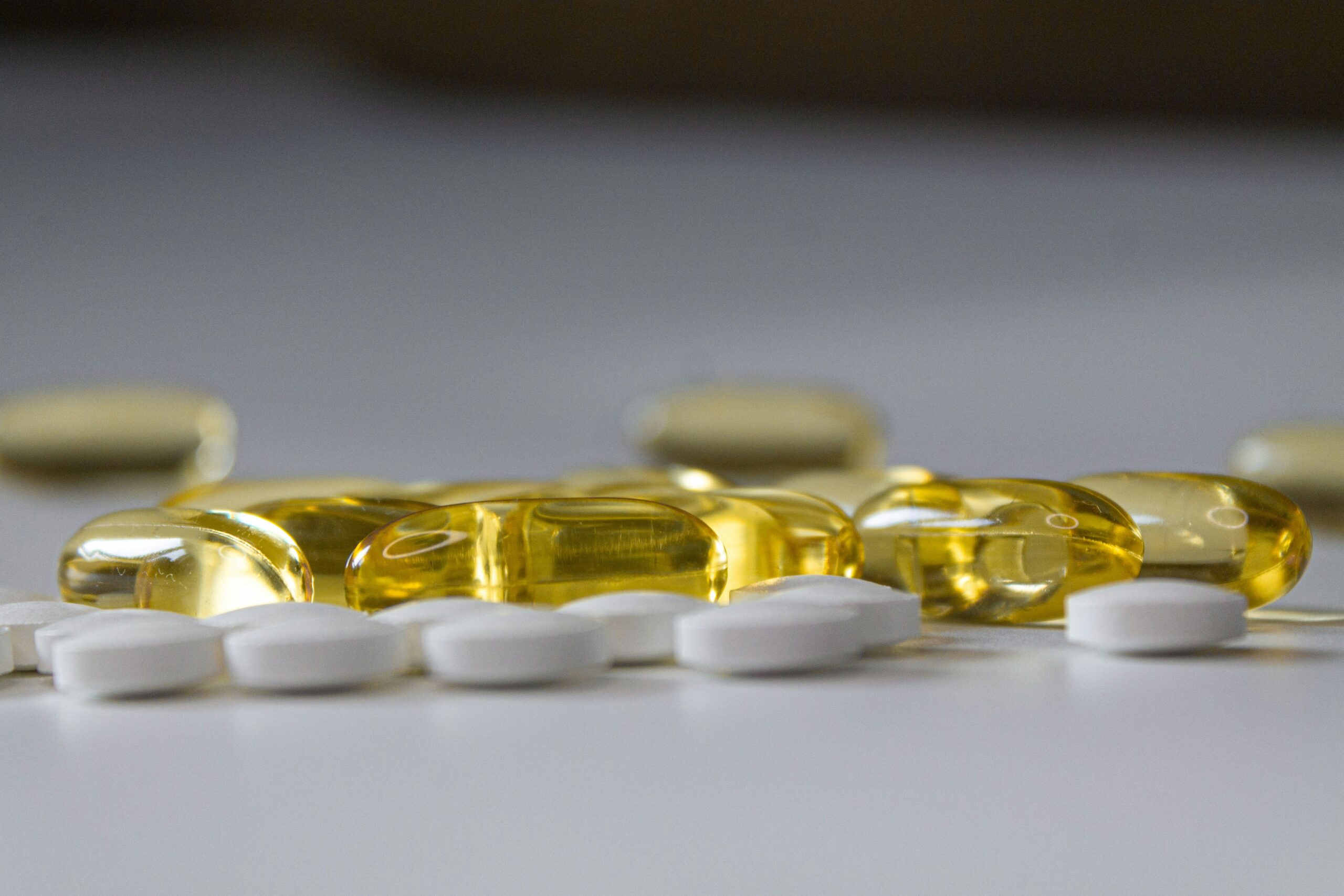
You’ve likely heard of omega-3 fatty acids. They’re lauded for a variety of health benefits, from supporting brain function to improving heart health. Among their many attributed roles, a significant area of focus is their potential to mitigate artery inflammation. Understanding this connection can empower you to make informed dietary and lifestyle choices. This article will delve into how omega-3s interact with the inflammatory processes within your arteries, exploring the mechanisms, contributing factors, and practical ways you can incorporate these beneficial fats into your diet.
Before we discuss how omega-3s can help, it’s crucial to understand what artery inflammation is and why it’s a concern. Artery inflammation, also known as atherosclerosis or hardening of the arteries, is a chronic condition that develops over time. It’s not an acute, sudden event, but rather a gradual buildup of plaque within your artery walls. This plaque, composed of cholesterol, fat, calcium, and other substances, can narrow and stiffen your arteries, restricting blood flow.
The Inflammatory Cascade
At its core, artery inflammation is an inflammatory response. When the inner lining of your arteries, the endothelium, becomes damaged or irritated, your body initiates an inflammatory process. This can be triggered by various factors, including high blood pressure, high cholesterol, smoking, and insulin resistance.
Endothelial Dysfunction: The Initial Insult
The endothelium plays a vital role in maintaining vascular health. It regulates blood pressure, prevents blood clots, and controls the passage of substances into and out of the artery wall. When the endothelium becomes dysfunctional, it loses its ability to perform these critical functions effectively. This dysfunction can manifest as reduced nitric oxide production, an essential molecule that helps relax blood vessels, and increased production of molecules that promote inflammation.
The Role of Oxidized LDL Cholesterol
One of the key players in triggering and sustaining artery inflammation is oxidized low-density lipoprotein (LDL) cholesterol, often referred to as “bad” cholesterol. When LDL cholesterol particles become oxidized, they become more likely to penetrate and accumulate within the artery wall. This accumulation elicits an immune response.
Immune Cells Enter the Fray
The presence of oxidized LDL cholesterol signals to your body that there’s a problem. Immune cells, particularly monocytes, are attracted to the site of injury. These monocytes enter the artery wall and transform into macrophages.
Macrophages: Guardians Turned Problematic
Macrophages are intended to engulf and remove harmful substances. However, in the context of artery inflammation, they can become overwhelmed by the oxidized LDL cholesterol. They engulf so much of it that they transform into foam cells, a hallmark of atherosclerotic plaque.
Cytokines and Chemokines: The Inflammatory Messengers
As the immune response progresses, macrophages and other cells within the artery wall release pro-inflammatory signaling molecules called cytokines and chemokines. These molecules further amplify the inflammatory cascade, attracting more immune cells and contributing to the ongoing damage to the artery wall.
The Progression of Atherosclerosis
The sustained inflammatory process leads to the gradual thickening and hardening of the artery wall. This plaque formation is not static; it can grow, rupture, and cause serious health problems.
Plaque Growth and Narrowing
As the plaque continues to build up, it narrows the lumen of the artery, reducing blood flow to vital organs like the heart and brain. This can lead to symptoms such as chest pain (angina) during exertion or shortness of breath.
Plaque Rupture and Thrombosis
A particularly dangerous event is plaque rupture. The fibrous cap that covers the plaque can become thin and fragile. If it ruptures, the contents of the plaque are exposed to the bloodstream, triggering the formation of a blood clot (thrombus). This clot can completely block the artery, leading to a heart attack if it occurs in a coronary artery or a stroke if it occurs in an artery supplying the brain.
Recent studies have highlighted the potential benefits of omega-3 fatty acids in reducing artery inflammation, making them a topic of great interest in cardiovascular health research. For a deeper understanding of how these essential fats can impact vascular health, you can explore a related article that discusses their role in managing inflammation and promoting heart health. To read more, visit this article.
Omega-3 Fatty Acids: A Natural Anti-Inflammatory Force
Now that you have a basic understanding of artery inflammation, let’s explore how omega-3 fatty acids can play a beneficial role in addressing it. Omega-3s are a group of polyunsaturated fatty acids that are essential for human health. This means your body cannot produce them on its own, and you must obtain them through your diet. The three primary types of omega-3s are alpha-linolenic acid (ALA), eicosapentaenoic acid (EPA), and docosahexaenoic acid (DHA). ALA is primarily found in plant-based foods like flaxseeds and walnuts, while EPA and DHA are predominantly found in fatty fish. Your body can convert some ALA into EPA and DHA, but this conversion is often inefficient.
Mechanisms of Action: How Omega-3s Combat Inflammation
Omega-3 fatty acids exert their anti-inflammatory effects through several key mechanisms within the body, particularly at the cellular level and in modulating inflammatory signaling pathways.
Modulating Eicosanoid Production
One of the most significant ways omega-3s work is by influencing the production of eicosanoids. Eicosanoids are potent signaling molecules derived from fatty acids, and they play a critical role in regulating inflammation, blood clotting, and blood vessel tone. Your body produces different types of eicosanoids from omega-6 fatty acids (like arachidonic acid) and omega-3 fatty acids.
From Pro-inflammatory to Anti-inflammatory Eicosanoids
When your diet is rich in omega-6 fatty acids and low in omega-3s, the body tends to produce eicosanoids that promote inflammation. These are often referred to as “2-series” prostaglandins and thromboxanes. In contrast, when omega-3s, particularly EPA and DHA, are present in sufficient quantities, they compete with omega-6 fatty acids for the same enzymes involved in eicosanoid synthesis. This leads to the production of less inflammatory “3-series” prostaglandins and “5-series” leukotrienes. These omega-3 derived eicosanoids possess anti-inflammatory and anti-thrombotic properties.
Suppressing Pro-inflammatory Cytokine Production
As noted earlier, cytokines are critical messengers in the inflammatory process, driving the recruitment of immune cells and amplifying the inflammatory response within artery walls. Research indicates that omega-3 fatty acids can significantly reduce the production of several key pro-inflammatory cytokines.
Reducing TNF-alpha and IL-1 Beta
Specifically, EPA and DHA have been shown to inhibit the production and activity of tumor necrosis factor-alpha (TNF-alpha) and interleukin-1 beta (IL-1 beta). These are potent pro-inflammatory cytokines that play a central role in the initiation and perpetuation of atherosclerosis. By dampening the signals sent by these cytokines, omega-3s can help to de-escalate the inflammatory response within the arteries.
Promoting Resolution of Inflammation
Inflammation is a necessary process for healing and defense, but it needs to be properly resolved to prevent chronic damage. Omega-3 fatty acids also play a role in the body’s natural mechanisms for resolving inflammation.
Lipoxins and Resolvins: The Resolution Mediators
Through complex biochemical pathways, EPA and DHA are converted into specialized pro-resolving mediators (SPMs), including lipoxins and resolvins. These molecules actively promote the shutdown of inflammation by signaling immune cells to leave the affected site and by enhancing the clearance of inflammatory debris. This active resolution phase is crucial for preventing ongoing tissue damage and promoting repair.
Improving Endothelial Function
Beyond directly reducing inflammation, omega-3s can also contribute to overall vascular health by improving endothelial function. A healthy endothelium is crucial for preventing the initial stages of atherosclerosis.
Enhancing Nitric Oxide Bioavailability
As mentioned, nitric oxide (NO) is a molecule that helps relax blood vessels, promoting healthy blood flow. Endothelial dysfunction is characterized by reduced NO production. Omega-3 fatty acids have been shown to improve the function of endothelial nitric oxide synthase (eNOS), the enzyme responsible for producing NO, thereby increasing its availability. This can lead to improved vasodilation and reduced blood pressure.
Sources of Omega-3 Fatty Acids: Dietary Choices Matter

Incorporating adequate amounts of omega-3 fatty acids into your diet is essential for harnessing their artery inflammation-relieving properties. Fortunately, there are several excellent sources available across different food groups.
Fatty Fish: The Premier Source of EPA and DHA
For direct and potent sources of EPA and DHA, fatty fish are unparalleled. These oily fish accumulate omega-3s from their diet (algae), making them a rich and readily absorbable source.
Recommended Fish Varieties
When choosing fish, opt for those that are naturally high in omega-3s. This includes:
- Salmon: Wild-caught salmon generally contains higher levels of omega-3s compared to farmed salmon, though both are good sources.
- Mackerel: Particularly Atlantic mackerel.
- Herring: Another very rich source of EPA and DHA.
- Sardines: Small, oily fish that are packed with omega-3s and often more affordable.
- Anchovies: Similar to sardines, these are small, oily, and nutrient-dense.
- Trout: Rainbow trout is a good option.
Consumption Frequency
Health organizations typically recommend consuming at least two servings of fatty fish per week. A serving size is generally considered to be about 3-4 ounces (cooked). Prioritize fish lower in mercury, especially if you are pregnant or breastfeeding.
Plant-Based Sources of ALA: The Foundation
While direct EPA and DHA are ideal, alpha-linolenic acid (ALA) from plant-based sources serves as an important foundation. Your body can convert some ALA into EPA and DHA, although this conversion rate can vary.
Key ALA-Rich Foods
You can find ALA in a variety of common and accessible foods:
- Flaxseeds: These tiny seeds are a powerhouse of ALA. It’s best to consume them ground for optimal absorption.
- Chia Seeds: Another excellent source of ALA, chia seeds also provide fiber and other nutrients.
- Walnuts: A delicious and convenient source of ALA, offering healthy fats and antioxidants.
- Hemp Seeds: These seeds provide a good balance of omega-3 and omega-6 fatty acids, along with protein.
- Soybeans and Edamame: A good plant-based protein source that also contributes ALA.
- Certain Vegetable Oils: Canola oil and soybean oil contain ALA, but it’s generally better to get your fats from whole food sources.
Maximizing ALA Absorption
For seeds like flax and chia, grinding them before consumption significantly improves the body’s ability to absorb the ALA.
Omega-3 Supplements: When Diet Falls Short
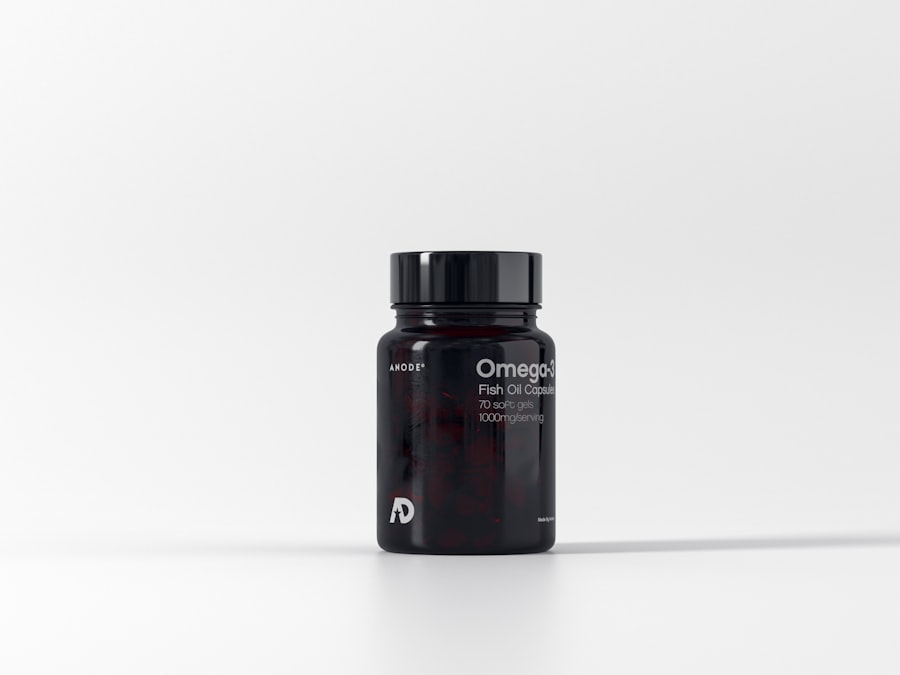
For individuals who do not regularly consume fatty fish or struggle to incorporate sufficient ALA-rich foods into their diet, omega-3 supplements can be a viable option. These supplements typically contain EPA and DHA, often derived from fish oil, krill oil, or algal oil.
Types of Supplements
- Fish Oil: The most common type, derived from the tissues of oily fish.
- Krill Oil: Extracted from krill, small crustaceans. Krill oil contains omega-3s bound to phospholipids, which some studies suggest may enhance absorption.
- Algal Oil: Derived from algae, these supplements are suitable for vegetarians and vegans and provide direct EPA and DHA without any fish.
Choosing the Right Supplement
When selecting an omega-3 supplement, pay attention to the following:
- EPA and DHA Content: Look for supplements that clearly list the amounts of EPA and DHA per serving. The specific ratio may vary depending on the intended benefit.
- Purity and Third-Party Testing: Choose reputable brands that undergo third-party testing for contaminants such as heavy metals and PCBs.
- Form: Supplements come in softgels, liquids, and chewables. Choose a form that you find palatable.
- Dosage: The recommended dosage can vary. It’s advisable to consult with your healthcare provider to determine the appropriate amount for your individual needs.
Lifestyle Factors and Omega-3 Synergy
While omega-3 fatty acids are potent allies in combating artery inflammation, their effectiveness is often amplified when integrated into a broader healthy lifestyle. Addressing other risk factors can create a more robust defense against cardiovascular disease.
The Importance of a Balanced Diet
Your overall dietary pattern plays a significant role in influencing inflammation. Focusing on whole, unprocessed foods is key.
Reducing Inflammatory Foods
Certain foods can contribute to chronic inflammation, counteracting the benefits of omega-3s. These include:
- Processed Meats: Often high in saturated fat and sodium.
- Refined Carbohydrates: Sugary drinks, white bread, and pastries.
- Trans Fats: Found in some margarines, fried foods, and baked goods.
- Excessive Saturated Fats: Found in red meat and full-fat dairy.
Embracing Anti-inflammatory Foods
Complement your omega-3 intake with other foods that possess anti-inflammatory properties:
- Fruits and Vegetables: Rich in antioxidants and phytonutrients.
- Whole Grains: Provide fiber and complex carbohydrates.
- Nuts and Seeds: Offer healthy fats, fiber, and micronutrients.
- Lean Proteins: Such as poultry and legumes.
Regular Physical Activity: A Crucial Companion
The benefits of physical activity extend far beyond weight management. It plays a direct role in cardiovascular health and inflammation reduction.
Mechanisms of Exercise
Exercise helps to:
- Improve Cholesterol Profiles: Lowering LDL and triglycerides, and raising HDL (“good”) cholesterol.
- Lower Blood Pressure: Reducing strain on your arteries.
- Improve Insulin Sensitivity: Reducing the risk of type 2 diabetes, a contributor to inflammation.
- Directly Reduce Inflammation: Exercise can lead to a decrease in circulating pro-inflammatory cytokines.
Finding Your Routine
Aim for at least 150 minutes of moderate-intensity aerobic exercise or 75 minutes of vigorous-intensity aerobic exercise per week, along with muscle-strengthening activities at least two days a week. Finding an enjoyable activity you can sustain is crucial for long-term adherence.
Stress Management: The Mind-Body Connection
Chronic stress can contribute to inflammation throughout the body, including in the arteries. Implementing stress-reduction techniques is therefore an important aspect of cardiovascular well-being.
Impact of Chronic Stress
When you experience chronic stress, your body releases hormones like cortisol. While these hormones are beneficial in short bursts, prolonged exposure can:
- Increase Blood Pressure: Putting extra pressure on your artery walls.
- Elevate Blood Sugar Levels: Contributing to insulin resistance.
- Promote Inflammation: By increasing the production of pro-inflammatory cytokines.
Effective Stress Reduction Strategies
Explore various methods to manage stress:
- Mindfulness and Meditation: Practices that train your attention and awareness.
- Yoga and Tai Chi: Combining physical movement with mental focus.
- Deep Breathing Exercises: Simple yet effective techniques to calm the nervous system.
- Spending Time in Nature: Proven to reduce stress levels.
- Engaging in Hobbies: Activities that bring you joy and a sense of accomplishment.
Adequate Sleep: The Body’s Repair Cycle
Sleep is not merely a period of rest; it’s a critical time for cellular repair and restoration. Insufficient or poor-quality sleep can negatively impact inflammatory processes.
Sleep Deprivation and Inflammation
When you don’t get enough sleep, your body can experience:
- Increased Inflammatory Markers: Studies have shown higher levels of C-reactive protein (CRP), a marker of inflammation, in individuals with sleep deprivation.
- Impaired Immune Function: Making you more susceptible to illness.
- Disrupted Hormone Regulation: Affecting appetite, metabolism, and stress hormones.
Prioritizing Quality Sleep
Aim for 7-9 hours of quality sleep per night. Establishing a consistent sleep schedule, creating a relaxing bedtime routine, and ensuring your sleep environment is conducive to rest can all contribute to better sleep quality.
Recent studies have highlighted the potential benefits of omega-3 fatty acids in reducing artery inflammation, which is crucial for maintaining cardiovascular health. For those interested in exploring this topic further, a related article can provide additional insights into how these essential fats can positively impact heart health. You can read more about it in this informative piece on senior health. If you want to learn more about the connection between omega-3s and artery inflammation, check out the article here.
Conclusion: A Proactive Approach to Arterial Health
| Study | Findings |
|---|---|
| Research 1 | Omega 3 fatty acids reduce artery inflammation markers |
| Research 2 | Supplementation with omega 3 fatty acids decreases C-reactive protein levels |
| Research 3 | Omega 3 fatty acids show potential in reducing arterial stiffness |
Artery inflammation is a complex, chronic condition that significantly contributes to cardiovascular disease. While genetics and other factors play a role, your dietary choices and lifestyle habits have a profound impact on your risk and progression. Omega-3 fatty acids, with their well-documented anti-inflammatory properties, offer a powerful tool in your arsenal for mitigating this silent threat.
By understanding the mechanisms through which omega-3s work – from modulating eicosanoid production and suppressing pro-inflammatory cytokines to promoting inflammation resolution and improving endothelial function – you can appreciate their value more deeply. Prioritizing sources like fatty fish, incorporating ALA-rich plant foods, and considering supplements when necessary are practical steps you can take.
However, remember that omega-3s are most effective when they are part of a comprehensive approach to health. Combining adequate omega-3 intake with a balanced anti-inflammatory diet, regular physical activity, effective stress management, and sufficient sleep creates a synergistic effect, significantly enhancing your body’s ability to protect your arteries. Embracing these strategies is not about a quick fix, but about a sustained, proactive commitment to your long-term cardiovascular well-being. By making informed choices today, you can lay the groundwork for healthier arteries and a healthier future.
FAQs
What are omega-3 fatty acids?
Omega-3 fatty acids are a type of polyunsaturated fat that are considered essential for human health. They are found in certain foods, such as fish, flaxseeds, and walnuts, and are also available in supplement form.
How do omega-3 fatty acids help with artery inflammation?
Omega-3 fatty acids have anti-inflammatory properties that can help reduce inflammation in the arteries. This can lead to improved blood flow and a lower risk of developing cardiovascular diseases.
What are the sources of omega-3 fatty acids?
The primary food sources of omega-3 fatty acids include fatty fish (such as salmon, mackerel, and sardines), flaxseeds, chia seeds, and walnuts. Omega-3 supplements, such as fish oil or algae oil, are also available.
What is the recommended daily intake of omega-3 fatty acids?
The American Heart Association recommends consuming at least two servings of fatty fish per week to meet the recommended intake of omega-3 fatty acids. For those who do not consume fish regularly, supplementation may be necessary.
Are there any risks or side effects associated with omega-3 fatty acid supplementation?
While omega-3 fatty acid supplementation is generally considered safe, high doses may increase the risk of bleeding and interact with certain medications. It is important to consult with a healthcare professional before starting any new supplement regimen.