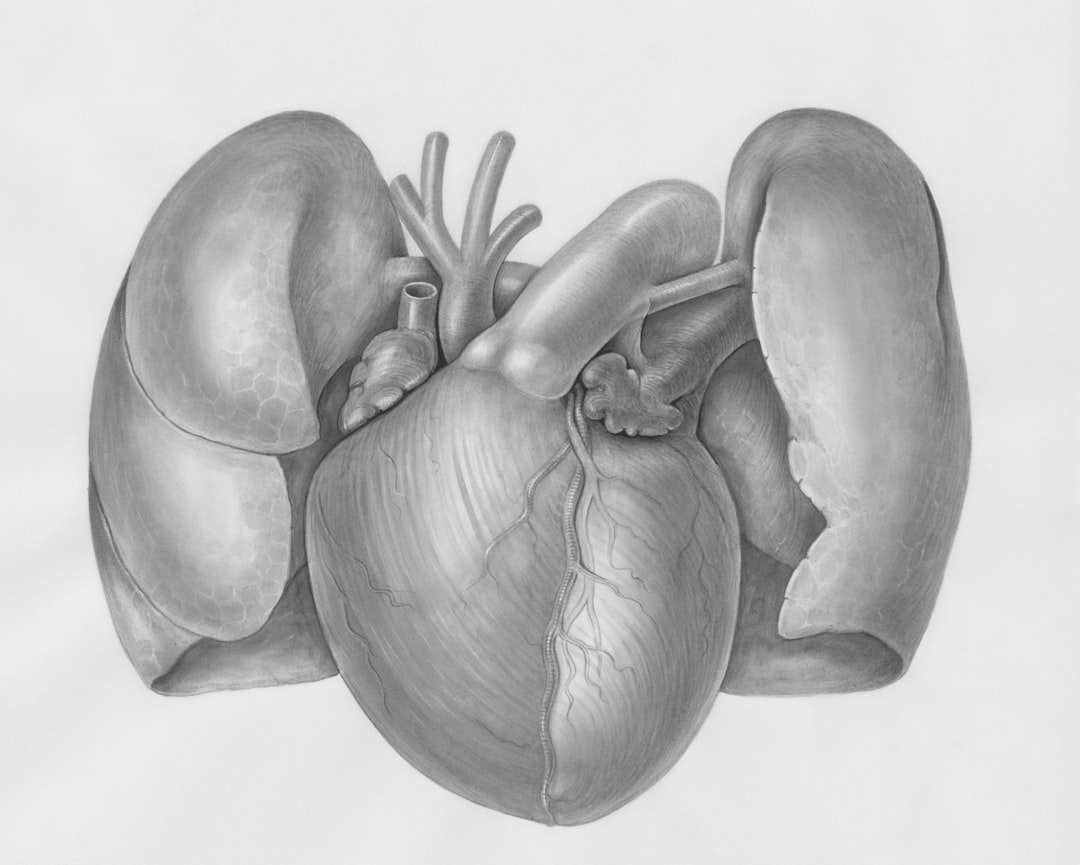
You’re likely familiar with the feeling: a tightness in your chest, a racing heart, the subtle tremor of anxiety that can creep in at any moment. Life, with its constant demands and unexpected challenges, can put a significant strain on your cardiovascular system. While medical interventions and lifestyle changes are crucial, you might be overlooking a readily accessible, powerful tool for managing heart stress: diaphragmatic breathing.
You might assume breathing is a passive, automatic process. For the most part, it is. However, the way you breathe significantly impacts your physiological state. Diaphragmatic breathing, often referred to as belly breathing, is a conscious and controlled technique that engages your diaphragm – a large, dome-shaped muscle located at the base of your chest cavity. This is in contrast to shallow chest breathing, which relies more on the smaller muscles of your upper chest and shoulders.
The Diaphragm’s Role
Imagine your diaphragm as the floor of your chest cavity. When you inhale deeply and intentionally, your diaphragm contracts and flattens, moving downwards. This creates more space in your chest, allowing your lungs to expand fully. As your lungs fill with air, the pressure inside your chest cavity decreases, drawing more oxygen into your bloodstream. Conversely, when you exhale, your diaphragm relaxes and returns to its dome shape, pushing air out of your lungs. This gentle, rhythmic movement is the essence of efficient breathing.
Chest Breathing vs. Belly Breathing
You’ve probably experienced chest breathing during moments of stress or panic. Your breaths become short, rapid, and often feel insufficient. This type of breathing activates the sympathetic nervous system, your body’s “fight or flight” response. It can lead to increased heart rate, elevated blood pressure, and muscle tension – all contributing to heart stress. Diaphragmatic breathing, on the other hand, signals the parasympathetic nervous system, your body’s “rest and digest” system. This state promotes relaxation, slows your heart rate, lowers blood pressure, and reduces the production of stress hormones.
The Biomechanics of a Full Breath
When you breathe deeply using your diaphragm, you’re not just filling the upper lobes of your lungs. This type of breathing allows for greater expansion of the lower lobes, where a significant portion of gas exchange occurs. This means your body receives a more consistent and efficient supply of oxygen. Think of it like filling a balloon: a shallow puff will only inflate the top part, while a sustained, deep breath will expand the entire balloon. This enhanced oxygenation has a cascade of positive effects on your body, including your heart.
Diaphragmatic breathing has been shown to be an effective technique for reducing heart stress and promoting overall cardiovascular health. By engaging the diaphragm and taking deep, controlled breaths, individuals can activate their body’s relaxation response, which can help lower heart rate and blood pressure. For more insights on how breathing techniques can benefit heart health, you can read a related article at Explore Senior Health. This resource offers valuable information on various methods to manage stress and improve well-being.
The Physiological Impact on Your Heart
The connection between diaphragmatic breathing and heart health is not merely anecdotal; it’s rooted in established physiological responses. By consciously engaging in belly breathing, you’re directly influencing your cardiovascular system in ways that can mitigate the damaging effects of chronic stress.
Heart Rate Variability (HRV) and Diaphragmatic Breathing
You’ve likely heard of heart rate variability (HRV), a measure of the variation in time between your heartbeats. A higher HRV is generally indicative of a healthier, more resilient cardiovascular system, suggesting your body can adapt well to changing demands. Diaphragmatic breathing has been shown to increase HRV. When you breathe at a specific rhythm, often around 5-7 breaths per minute, you synchronize your breathing with your heart’s natural rhythm, promoting this beneficial variability. This synchronization is a powerful indicator of your autonomic nervous system’s balance.
Blood Pressure Regulation
Elevated blood pressure is a significant risk factor for heart disease. Diaphragmatic breathing can help to lower blood pressure. The relaxation response triggered by deep breathing leads to the dilation of blood vessels, making it easier for blood to flow. This reduction in vascular resistance directly contributes to a healthier blood pressure. It’s a natural counterbalance to the constrictive effects of stress.
Reducing Stress Hormone Production
When you’re stressed, your adrenal glands release hormones like cortisol and adrenaline. While these hormones are essential for short-term survival, chronic elevation can wreak havoc on your body, including your heart. Diaphragmatic breathing helps to downregulate the stress response, thereby reducing the production of these detrimental hormones. This can lead to a calming effect and a decrease in the physiological strain on your cardiovascular system.
Improving Oxygen Delivery and Utilization
As mentioned earlier, diaphragmatic breathing enhances oxygen uptake. A more efficient supply of oxygen allows your heart muscle to function optimally. It reduces the workload on your heart, as it doesn’t have to pump as vigorously to deliver the necessary oxygen to your tissues. This improved oxygen utilization contributes to overall cardiovascular efficiency and a sense of well-being.
Practical Techniques for Diaphragmatic Breathing
Learning diaphragmatic breathing is not complicated, but it requires conscious practice. You can integrate these techniques into your daily routine, even in short bursts, to reap the benefits for your heart.
The Basic Diaphragmatic Breath
- Find a comfortable position: You can practice this while sitting, standing, or lying down. If lying down, place a pillow under your knees for support.
- Place one hand on your chest and the other on your belly: This will help you monitor your breathing.
- Inhale slowly through your nose: Focus on drawing the air down into your abdomen. You should feel your belly rise as your diaphragm contracts. The hand on your belly should move outwards, while the hand on your chest should remain relatively still.
- Exhale slowly through your mouth: Purse your lips as if you’re gently blowing out a candle. Feel your belly fall as your diaphragm relaxes.
- Repeat: Continue this for several minutes, aiming for a slow, steady, and deep rhythm.
Pursed-Lip Breathing
- Inhale through your nose: Breathe in deeply through your nose, as you would with the basic diaphragmatic breath.
- Exhale through pursed lips: Purse your lips as if you’re about to whistle or blow out a candle. Exhale slowly and steadily through your pursed lips.
- Duration: Aim to make your exhale about twice as long as your inhale. For example, inhale for a count of four and exhale for a count of eight.
- Feel the difference: This technique helps to keep your airways open for longer, promoting a more controlled release of air and a deeper sense of relaxation. It’s particularly beneficial for individuals who experience shortness of breath, which can be a symptom of heart conditions.
Alternate Nostril Breathing (Nadi Shodhana Pranayama)
- Find a comfortable seated position: Sit upright with a straight spine.
- Rest your left hand on your knee: Curl your right thumb and forefinger to meet.
- Close your right nostril with your right thumb: Inhale deeply through your left nostril.
- Close your left nostril with your right ring finger and little finger: Release your thumb from your right nostril and exhale through your right nostril.
- Inhale through your right nostril: Seal your right nostril with your thumb and inhale deeply.
- Close your right nostril with your thumb: Release your ring finger and little finger from your left nostril and exhale through your left nostril.
- Continue the cycle: This completes one round. Continue for several rounds, alternating nostrils. This technique is known for its balancing and calming effects on the nervous system, which can translate to a more regulated heart rhythm.
Integrating Diaphragmatic Breathing into Your Life
The true power of diaphragmatic breathing lies in its consistent application. It’s not a quick fix for immediate stress but a practice that builds resilience over time. You don’t need to dedicate hours to it; small, regular sessions can yield significant results.
Daily Practice Rituals
- Morning Awakening: Before you even get out of bed, take a few minutes to practice diaphragmatic breathing. This can set a calm tone for your entire day, helping you approach challenges with a more centered mindset.
- Transition Times: Use moments like commuting, waiting in line, or during breaks at work to engage in a few deep breaths. These brief pauses can interrupt the stress response and prevent it from escalating.
- Evening Wind-Down: Before sleep, dedicate 5-10 minutes to diaphragmatic breathing. This can help to quiet your mind, reduce physical tension, and prepare your body for restful sleep, which is crucial for heart recovery.
Stress Reduction Strategies
- Before-and-After Stressful Events: If you know you have a challenging meeting, a difficult conversation, or a dentist appointment, take some time to practice diaphragmatic breathing beforehand. Afterward, use the technique to help your body return to a relaxed state.
- During Moments of Overwhelm: When you feel your heart rate picking up or a wave of anxiety washing over you, consciously bring your attention to your breath. Focus on slow, deep inhales and exhales. This can act as an anchor, bringing you back to the present moment and away from spiraling thoughts.
- With Physical Activity: While exertion increases your heart rate, incorporating mindful breathing during rest periods after exercise can aid in recovery and prevent lingering stress responses.
Mindfulness and Diaphragmatic Breathing
Diaphragmatic breathing is intrinsically linked to mindfulness. By focusing on the physical sensation of your breath, you’re training your mind to be present. This mindful attention can help you observe your thoughts and emotions without becoming overwhelmed by them, contributing to overall stress management and a calmer cardiovascular state.
Diaphragmatic breathing has been shown to be an effective technique for alleviating heart stress and promoting relaxation. This method encourages deeper breaths, which can help lower heart rate and reduce anxiety. For those interested in exploring more about the benefits of breathing techniques for heart health, a related article can be found at Explore Senior Health, where you can discover additional strategies for managing stress and improving overall well-being.
When to Seek Professional Guidance
| Metrics | Results |
|---|---|
| Heart Rate | Decreased |
| Blood Pressure | Lowered |
| Stress Level | Reduced |
| Oxygen Saturation | Increased |
While diaphragmatic breathing is a powerful self-management tool, it’s essential to recognize its limitations and know when to consult with a healthcare professional. Your heart’s health is paramount, and informed decisions are crucial.
Recognizing the Limits of Self-Care
- Persistent Symptoms: If you experience ongoing or worsening symptoms such as chest pain, shortness of breath, irregular heartbeats, or severe anxiety, diaphragmatic breathing alone is not sufficient. You must seek immediate medical attention to rule out or address underlying cardiovascular conditions.
- Underlying Health Conditions: If you have pre-existing heart conditions, hypertension, or other significant health issues, it’s vital to discuss any new breathing exercises with your doctor. They can advise you on what is safe and appropriate for your specific situation.
- Limited Improvement: While diaphragmatic breathing can offer significant relief, if you find that your stress levels remain unmanageable or your heart symptoms persist despite consistent practice, it indicates that a more comprehensive approach may be needed.
Working with Healthcare Providers
- Cardiologist Consultations: Regular check-ups with your cardiologist are essential. They can monitor your heart health, prescribe necessary medications, and provide expert advice on lifestyle modifications, including stress management techniques.
- Therapeutic Interventions: For significant anxiety or stress-related conditions, a therapist or counselor can provide invaluable support. They can help you explore the root causes of your stress and develop a personalized coping strategy, which may include integrating diaphragmatic breathing into a broader therapeutic framework.
- Pulmonary Rehabilitation: If you have a respiratory condition that impacts your breathing, such as COPD, a pulmonary rehabilitation program can teach you specialized breathing techniques, including diaphragmatic breathing, that are tailored to your needs and can improve your quality of life and cardiovascular function.
When Diaphragmatic Breathing Is a Complementary Tool
It’s important to view diaphragmatic breathing not as a replacement for medical care but as a powerful complementary tool. When used in conjunction with medical advice, prescribed treatments, and professional support, it can significantly enhance your ability to manage stress and protect your heart health. Your proactive engagement with these practices, coupled with professional guidance, is key to maintaining a healthy and resilient cardiovascular system.
FAQs
What is diaphragmatic breathing?
Diaphragmatic breathing, also known as deep breathing or abdominal breathing, is a breathing technique that involves the contraction of the diaphragm, a muscle located at the base of the lungs. This type of breathing allows for deeper and more efficient exchange of oxygen and carbon dioxide in the body.
How does diaphragmatic breathing help with heart stress relief?
Diaphragmatic breathing can help with heart stress relief by promoting relaxation and reducing the body’s stress response. When practiced regularly, it can lower blood pressure, reduce heart rate, and decrease the levels of stress hormones in the body, all of which can have a positive impact on heart health.
What are the benefits of diaphragmatic breathing for heart health?
The benefits of diaphragmatic breathing for heart health include improved oxygenation of the blood, reduced workload on the heart, lower blood pressure, decreased risk of heart disease, and overall relaxation and stress reduction.
How can diaphragmatic breathing be practiced?
To practice diaphragmatic breathing, one should sit or lie down in a comfortable position, place one hand on the chest and the other on the abdomen, inhale deeply through the nose, feeling the abdomen rise, and exhale slowly through the mouth, feeling the abdomen fall. This process should be repeated for several minutes, ideally on a daily basis.
Are there any precautions to consider when practicing diaphragmatic breathing for heart stress relief?
While diaphragmatic breathing is generally safe for most people, individuals with certain medical conditions such as chronic obstructive pulmonary disease (COPD) or other respiratory issues should consult with a healthcare professional before beginning a diaphragmatic breathing practice.