
You’re reaching a stage of life where long-term health and well-being become increasingly important. As you navigate your golden years, you might be looking for ways to optimize your physical and mental functions, and one crucial aspect to consider is your heart rate variability (HRV). Your HRV is a physiological measure that reflects the time variation between consecutive heartbeats. A higher HRV generally indicates a more resilient cardiovascular system, better stress management, and improved overall health. Conversely, a lower HRV can be associated with increased physiological stress, inflammation, and a higher risk of cardiovascular problems. Fortunately, exercise is a powerful tool you can employ to positively influence your HRV. This article will outline practical exercise tips specifically tailored for older adults seeking to improve their heart rate variability.
Before diving into exercise recommendations, it’s essential to understand what HRV means for someone in your age group. Your heart rate isn’t a metronome; it’s a dynamic signal. The subtle changes in the time between each beat are governed by your autonomic nervous system (ANS), which controls involuntary bodily functions like heart rate, digestion, and breathing. The ANS has two branches: the sympathetic nervous system (SNS) and the parasympathetic nervous system (PNS). The SNS is your “fight or flight” response, preparing your body for action, and it tends to increase heart rate and decrease HRV. The PNS, on the other hand, is your “rest and digest” system, promoting relaxation and increasing HRV.
The Balance of Your Autonomic Nervous System
A healthy ANS exhibits a balanced interplay between the SNS and PNS. When you’re younger, this balance is often more readily maintained. However, as you age, various factors, including accumulated stress, chronic inflammation, and reduced physical activity, can tip the scales, leading to a dominance of the SNS and a subsequent decrease in HRV. This can manifest as increased feelings of stress, difficulty recovering from exertion, and a greater susceptibility to illness. Improving your HRV, therefore, is not about striving for an arbitrarily high number, but about fostering a more adaptable and resilient ANS.
Why HRV Matters As You Age
For older adults, a robust HRV can be indicative of a number of positive health outcomes. It’s linked to:
- Improved Cardiovascular Health: Higher HRV is associated with a lower risk of adverse cardiovascular events, such as heart attacks and strokes. It suggests your heart is better able to respond to varying demands.
- Enhanced Stress Resilience: A more responsive ANS, reflected in higher HRV, means your body is better equipped to handle physical and psychological stressors. This can translate to fewer feelings of being overwhelmed and a quicker return to a baseline state after stress.
- Better Sleep Quality: HRV is closely linked to sleep. When your PNS is more active during rest, your HRV tends to be higher, contributing to more restorative sleep.
- Cognitive Function: Emerging research suggests a correlation between higher HRV and better cognitive function in older adults, including aspects of memory and executive function.
- Reduced Inflammation: Chronic low-grade inflammation is a common concern in aging. A more balanced ANS, as indicated by higher HRV, can help modulate inflammatory responses.
Factors Influencing Your HRV
It’s important to acknowledge that your HRV isn’t solely determined by exercise. Numerous factors can influence it, and understanding these will help you contextualize your efforts:
- Age: As mentioned, HRV naturally tends to decrease with age. Your aim is to slow this decline and potentially improve it within the context of your age.
- Genetics: Some baseline variability in HRV is genetically determined.
- Sleep Quality: Poor sleep significantly lowers HRV. Consistent, quality sleep is paramount.
- Nutrition: A balanced diet provides the building blocks for a healthy nervous system and can influence inflammation.
- Hydration: Dehydration can negatively impact HRV.
- Stress Levels: Chronic stress, both physical and emotional, suppresses HRV.
- Illness/Injury: Acute or chronic illness and injury can temporarily or persistently lower HRV.
- Medications: Some medications can affect ANS function and therefore HRV.
Heart rate variability (HRV) exercises can be particularly beneficial for older adults, as they promote better cardiovascular health and stress management. For those interested in learning more about the advantages of HRV and how to incorporate specific exercises into their routines, a related article can be found at Explore Senior Health. This resource provides valuable insights and practical tips tailored to the needs of seniors, helping them enhance their overall well-being through effective HRV practices.
Tailoring Your Exercise Approach for Enhanced HRV
Your exercise routine should be thoughtfully designed to stimulate your parasympathetic nervous system and improve your ANS balance without causing excessive stress. This means focusing on a combination of aerobic activity, strength training, and flexibility exercises, all performed at an appropriate intensity and with adequate recovery.
The Role of Aerobic Exercise in HRV Improvement
Aerobic exercise, often referred to as cardiovascular exercise, is fundamental for improving HRV. It trains your heart and lungs to work more efficiently, which in turn influences the autonomic nervous system. The key is to find activities you enjoy and can sustain.
Gentle Aerobic Activities
For older adults, starting with lower-impact aerobic activities is often the most practical and beneficial approach. These activities elevate your heart rate and improve cardiovascular function without placing undue stress on your joints.
- Walking: This is perhaps the most accessible and versatile form of aerobic exercise. Aim for brisk walks where you can still hold a conversation but feel your heart rate slightly elevated. Gradually increase the duration and intensity of your walks as your fitness improves. Consider incorporating inclines or varied terrain for a greater challenge and benefit.
- Swimming: The buoyancy of water significantly reduces joint stress, making swimming an excellent option, especially if you have arthritis or other joint issues. The hydrostatic pressure of the water can also have a calming effect on the nervous system.
- Cycling: Whether outdoors or on a stationary bike, cycling provides a good cardiovascular workout. Ensure your bike is properly fitted to prevent any discomfort or strain. Focus on maintaining a steady pace, with occasional periods of slightly increased resistance.
- Water Aerobics: These classes combine gentle aerobic movements with resistance provided by the water. They are a social and effective way to improve cardiovascular health and can have a positive impact on HRV.
Moderate-Intensity Aerobic Workouts
As your fitness and HRV begin to improve, you can gradually introduce more moderately intense aerobic sessions. The goal here is to push yourself slightly beyond a comfortable pace, but not to the point of exhaustion.
- Target Heart Rate Zones: A common recommendation for moderate intensity is to aim for 60-70% of your maximum heart rate. You can estimate your maximum heart rate by subtracting your age from 220. However, it’s always advisable to consult with your doctor for personalized recommendations, especially if you have any underlying health conditions.
- Perceived Exertion: Another way to gauge intensity is through the Rate of Perceived Exertion (RPE) scale, typically from 0 to 10. A moderate intensity would fall in the range of 3-5, where you feel you are working but can still speak in short sentences.
- Interval Training (Carefully Applied): For some, carefully structured interval training can be beneficial. This involves alternating between short bursts of higher intensity effort and periods of lower intensity recovery. However, for older adults, it’s crucial to start with very short high-intensity intervals and longer recovery periods, and to avoid pushing to extreme levels. Always prioritize listening to your body.
Heart rate variability exercises can significantly benefit older adults by enhancing their overall well-being and resilience to stress. Engaging in activities that promote heart rate variability, such as deep breathing and mindfulness, can lead to improved cardiovascular health and better emotional regulation. For those interested in exploring more about the connection between heart health and aging, a related article can be found here, which provides valuable insights and practical tips for seniors looking to incorporate these exercises into their daily routines.
The Importance of Strength Training for ANS Balance
Strength training is not just about building muscle; it plays a vital role in improving your overall metabolic health, body composition, and can indirectly influence HRV by promoting better hormonal balance and reducing systemic inflammation. It also helps maintain functional independence.
Bodyweight Exercises
Utilizing your own body weight is an excellent starting point for strength training. These exercises are adaptable to different fitness levels and require minimal equipment.
- Squats (Chair Assisted): Begin by practicing squats using a sturdy chair for support. Lower yourself as if to sit, then return to a standing position. Ensure your knees track over your toes.
- Push-ups (Wall or Knee): Perform push-ups against a wall for a beginner option, or on your knees if a full push-up is too challenging. Focus on controlled movements.
- Lunges (Supported): Hold onto a wall or chair for balance while performing lunges. Step forward, bending both knees, and then return to the starting position.
- Plank (Modified): Start with a plank on your knees if a full forearm plank is too difficult. Focus on engaging your core muscles.
Resistance Band Training
Resistance bands are a versatile and portable tool for strength training. They offer variable resistance, allowing you to progress as you get stronger.
- Band Rows: Sit with legs extended and loop the band around your feet. Pull the band towards your chest, squeezing your shoulder blades together.
- Band Chest Press: Stand with the band around your back, holding the ends in each hand. Push your hands forward as if performing a chest press.
- Band Bicep Curls and Triceps Extensions: These are effective for targeting arm muscles.
- Band Leg Abduction/Adduction: Place the band around your ankles or thighs and move your legs outwards or inwards to work your hip muscles.
Free Weights and Machine Weights
As your strength increases, you can incorporate lighter free weights (dumbbells, kettlebells) or use weight machines at a gym.
- Dumbbell Rows: Similar to band rows, but using dumbbells.
- Dumbbell Bench Press: Performed on a bench or the floor.
- Leg Press Machine: A good way to strengthen your quadriceps and hamstrings.
- Lat Pulldown Machine: To strengthen your back muscles.
Incorporating Flexibility and Mobility Work
Flexibility and mobility exercises are crucial for maintaining range of motion, preventing injuries, and promoting relaxation, which can positively impact HRV.
Gentle Stretching
Focus on static stretching, holding each stretch for 20-30 seconds without bouncing.
- Hamstring Stretches: Sit with one leg extended, reaching gently towards your toes.
- Quadriceps Stretches: Stand and gently pull one heel towards your gluteals.
- Chest Stretches: Stand in a doorway and place your forearm against the frame, leaning forward gently.
- Neck and Shoulder Stretches: Perform gentle rotations and stretches for these common areas of tension.
Dynamic Stretching and Mobility Drills
Dynamic stretches involve controlled movements through a range of motion. These are excellent as part of a warm-up.
- Arm Circles: Small to large circles, forward and backward.
- Leg Swings: Forward and backward, side to side (use support for balance).
- Torso Twists: Gentle rotations of your upper body.
- Cat-Cow Pose (Yoga): A gentle spinal mobility exercise.
The Power of Mind-Body Practices for HRV
Beyond traditional exercise, mind-body practices can significantly enhance your HRV by promoting parasympathetic nervous system activity and reducing stress. These are often overlooked but can be incredibly potent tools.
Deep Breathing Exercises
Simple, yet incredibly effective, deep breathing exercises can directly influence your ANS.
- Diaphragmatic Breathing: Practice breathing deeply into your belly, allowing your diaphragm to expand. Inhale slowly through your nose, and exhale slowly through your mouth. Aim for a longer exhale than inhale.
- Box Breathing: Inhale for a count of four, hold for four, exhale for four, hold for four. Repeat. This technique helps regulate your breathing and calm your nervous system.
Meditation
Regular meditation practice has been shown to reduce stress hormones and increase parasympathetic tone, leading to improved HRV.
- Mindfulness Meditation: Focus on your breath, bodily sensations, or any object of focus without judgment. When your mind wanders, gently bring it back to your chosen anchor.
- Body Scan Meditation: Systematically bring your awareness to different parts of your body, noticing any sensations without trying to change them.
Yoga
Yoga, especially gentler forms, combines physical postures, breathwork, and meditation, making it a holistic practice for HRV improvement.
- Hatha Yoga: Focuses on basic postures and breathwork.
- Restorative Yoga: Utilizes props to support the body in relaxing poses, promoting deep rest.
- Yin Yoga: Holds passive stretches for longer durations, targeting deeper connective tissues. Always inform your instructor of any physical limitations.
Structuring Your Exercise Week for Optimal HRV Gains
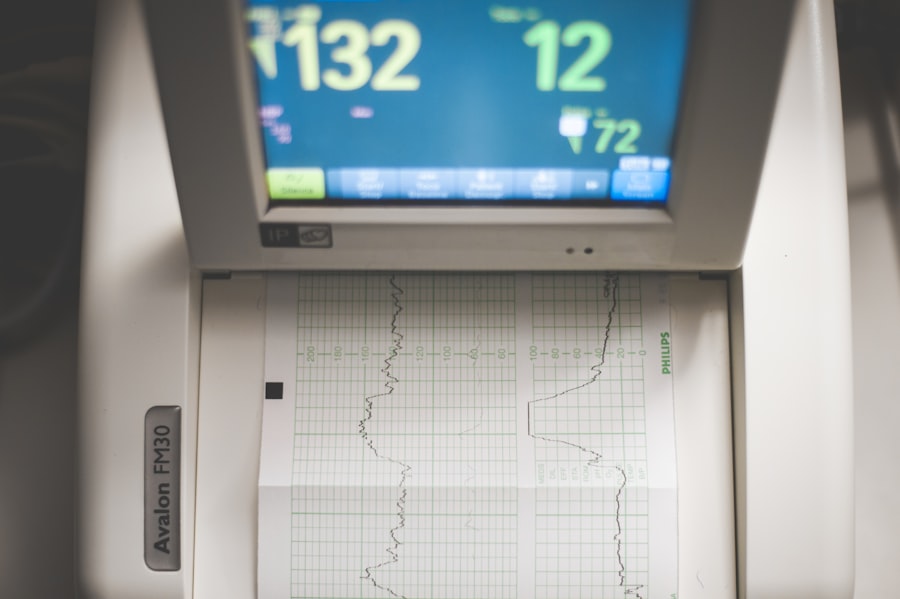
Consistency and balance are key when designing your exercise program. It’s not about doing everything at once, but about creating a sustainable routine that supports your overall well-being and HRV.
Balancing Intensity and Recovery
Your body needs time to adapt and recover from exercise. Overtraining can lead to increased stress and actually decrease your HRV.
- Listen to Your Body: Pay close attention to how you feel. If you’re experiencing excessive fatigue, muscle soreness that doesn’t dissipate, or a drop in motivation, you might be overdoing it.
- Scheduled Rest Days: Incorporate at least 1-2 full rest days per week. These are crucial for muscle repair and nervous system recovery.
- Active Recovery: On days between more intense workouts, engage in light activities like gentle walking, stretching, or light yoga. This can aid recovery and maintain activity levels without undue stress.
- Sleep: Prioritize 7-9 hours of quality sleep per night. This is when the majority of your body’s repair and rejuvenation processes occur, profoundly impacting HRV.
Gradually Increasing Duration and Intensity
As your fitness improves, you can gradually increase the duration or intensity of your workouts. Avoid making sudden, significant jumps in training load.
- The 10% Rule (General Guideline): A common recommendation is to increase your weekly training volume (duration or distance) by no more than 10% per week. This applies to both aerobic and strength training.
- Focus on Progress, Not Perfection: Celebrate small victories. An extra five minutes on your walk or lifting a slightly heavier weight are meaningful steps forward.
- Progressive Overload in Strength Training: To continue seeing benefits, you’ll need to gradually increase the demand on your muscles. This can be achieved by lifting heavier weights, doing more repetitions or sets, or reducing rest times (with caution).
Creating a Weekly Exercise Schedule Example
Here’s a sample weekly structure that prioritizes balance and recovery. Remember, this is a template and should be adjusted to your individual needs and preferences.
- Monday: Moderate Intensity Aerobic Exercise (e.g., 30-45 minutes brisk walk or cycling)
- Tuesday: Strength Training (full body or upper/lower split)
- Wednesday: Active Recovery (e.g., gentle stretching, 20 minutes light walk, or a restorative yoga session)
- Thursday: Moderate Intensity Aerobic Exercise (e.g., swimming, water aerobics)
- Friday: Strength Training (full body or upper/lower split)
- Saturday: Longer Duration, Lower Intensity Aerobic Exercise (e.g., leisurely walk, gardening) OR a Mind-Body Practice session (e.g., longer meditation, Vinyasa flow yoga)
- Sunday: Complete Rest or very light activity like a short, gentle stroll.
Monitoring Your Progress and Making Adjustments

Keeping track of your progress is essential for staying motivated and ensuring your exercise program is effective. While HRV can be a helpful metric, it’s important to consider it alongside other indicators of your well-being.
Understanding HRV Measurement Tools
Various devices can help you track your HRV.
- Wearable Fitness Trackers: Many smartwatches and fitness bands offer HRV tracking, often overnight during sleep. While convenient, the accuracy can vary between devices.
- Chest Strap Heart Rate Monitors: These are generally considered more accurate for capturing beat-to-beat heart rate data, which is crucial for HRV analysis.
- Dedicated HRV Apps: Some apps allow you to measure your HRV using your smartphone’s camera, though accuracy can be a limitation.
Key Considerations for HRV Measurement
- Consistency: Measure your HRV at the same time each day, ideally first thing in the morning after waking up and before getting out of bed.
- Context is Crucial: Don’t fixate on daily fluctuations. HRV can be influenced by many factors (sleep, stress, diet, illness). Look for trends over weeks and months.
- A Trend of Improvement is the Goal: Aim for a gradual upward trend in your HRV over time, indicating improved ANS balance and resilience.
Beyond HRV: Other Indicators of Progress
While improving HRV is a valuable objective, don’t solely rely on this metric. Look at your overall sense of well-being.
- Improved Energy Levels: Do you feel more energetic throughout the day?
- Better Sleep Quality: Are you falling asleep more easily and waking up feeling more rested?
- Reduced Stress and Anxiety: Do you feel more capable of managing daily stressors?
- Increased Strength and Endurance: Can you perform daily activities with greater ease?
- Enhanced Mood: Do you notice an improvement in your overall mood and outlook?
When to Seek Professional Guidance
If you experience any of the following, it’s important to consult with a healthcare professional:
- Sudden or Significant Drop in HRV: This could indicate an underlying issue.
- New or Worsening Symptoms: Such as chest pain, shortness of breath, dizziness, or extreme fatigue.
- Difficulty Adhering to an Exercise Program: If you’re struggling with motivation or making progress.
- Concerns About Underlying Health Conditions: Always discuss new exercise regimes with your doctor, especially if you have pre-existing conditions.
Adjusting Your Program Based on Feedback
Your body provides continuous feedback. Learning to interpret this feedback is vital for long-term success.
- Too Strenuous: If your HRV is consistently low after exercise, or you feel excessively fatigued, your workouts might be too intense or your recovery insufficient. Scale back the intensity or duration, and ensure adequate rest.
- Not Challenging Enough: If your HRV is plateauing and you feel your workouts are no longer challenging, it may be time to gradually increase the intensity or duration.
- Sickness or Stress: During periods of illness or high stress, your HRV will naturally decrease. Don’t push yourself during these times. Focus on rest and recovery, and return to your regular routine gradually once you’re feeling better.
By adopting a consistent, balanced, and mindful approach to exercise, you can effectively work towards improving your heart rate variability and enhancing your overall health and vitality as you age. Remember that progress is gradual, and each step you take towards a more active and balanced lifestyle contributes to a healthier future.
FAQs
What is heart rate variability (HRV) and why is it important for older adults?
Heart rate variability (HRV) is the variation in time intervals between heartbeats. It is an important indicator of overall health and fitness, especially for older adults. Higher HRV is associated with better cardiovascular health, lower stress levels, and overall well-being.
What are some exercises that can help improve heart rate variability in older adults?
Exercises that can help improve heart rate variability in older adults include deep breathing exercises, meditation, yoga, tai chi, and low-intensity aerobic exercises such as walking or cycling. These exercises can help reduce stress, improve cardiovascular function, and enhance overall HRV.
How often should older adults perform heart rate variability exercises?
Older adults can benefit from performing heart rate variability exercises on a regular basis. It is recommended to engage in these exercises for at least 10-20 minutes per day, or as advised by a healthcare professional. Consistency is key to seeing improvements in HRV.
Are there any precautions older adults should take when performing heart rate variability exercises?
Older adults should consult with a healthcare professional before starting any new exercise regimen, including heart rate variability exercises. It’s important to start slowly and gradually increase the intensity of the exercises to avoid any potential risks or complications.
What are the potential benefits of improving heart rate variability for older adults?
Improving heart rate variability in older adults can lead to a range of benefits, including better cardiovascular health, reduced risk of heart disease, improved stress management, better sleep quality, and overall enhanced well-being. It can also help older adults maintain their independence and quality of life as they age.