
Navigating the roads after dusk presents unique challenges, and for seniors, these challenges can be amplified. As your vision changes and reaction times may naturally slow, it becomes even more crucial to prioritize safety when driving at night. This guide offers practical tips to enhance your visibility and awareness, ensuring you can continue to drive confidently and securely after dark.
Driving at night fundamentally alters your perception of the road. The absence of natural light significantly impacts how you see, process information, and react to your surroundings. Understanding these changes is the first step towards adapting your driving habits for increased safety.
The Impact of Reduced Light on Vision
As we age, our eyes’ ability to adapt to darkness can diminish. This means that the pupils may not dilate as effectively, and the number of light-sensitive cells in the retina can decrease. Consequently, your overall vision in low-light conditions can be reduced.
Changes in Pupils and Light Adaptation
Your pupils are the openings in your eyes that allow light to enter. In bright conditions, they constrict, and in dim light, they dilate. As you get older, this dilation process can become less efficient, meaning less light reaches the retina, impacting your ability to see clearly in the dark. This affects not only seeing objects but also discerning their shapes and distances.
Decreased Sensitivity of Rod Cells
The retina contains two types of photoreceptor cells: rods and cones. Rods are primarily responsible for vision in low light (scotopic vision), while cones are responsible for color vision and detail in bright light (photopic vision). With age, the number and function of rod cells can decrease, leading to poorer night vision and making it harder to detect objects and navigate in dim conditions. This can manifest as difficulty seeing things at the periphery or distinguishing between shades of gray.
Increased Glare Sensitivity
Even if you can see objects, the glare from oncoming headlights, streetlights, or even reflective road signs can be significantly more problematic at night. This is due to changes in the lens of your eye, which can become less clear and scatter light more readily, creating halos or starbursts around light sources. This scattered light can temporarily blind you or obscure your vision of the road ahead.
Cognitive Changes and Reaction Time
Beyond visual changes, age-related cognitive shifts can also influence night driving. The ability to quickly process information, make decisions, and execute actions can be affected, making it harder to respond to unexpected situations on the road.
Slower Processing of Visual Information
The speed at which your brain interprets visual cues can slow down with age. This means it might take you longer to register a pedestrian stepping into the road, a brake light illuminating ahead, or a cyclist emerging from a shadow. This delay in processing can be critical in situations requiring rapid responses.
Potential for Delayed Reaction Times
While not true for everyone, some seniors may experience a natural slowing of reaction times. This could be due to a combination of neurological changes and the time it takes to process visual and auditory information. When driving at night, where critical events can unfold quickly, even a slight delay can have serious consequences.
Increased Susceptibility to Distractions
The enhanced need for focus when driving at night makes you more susceptible to distractions. Internal distractions (e.g., thinking about something else) or external distractions (e.g., a passenger talking, a radio show) can pull your attention away from the road, which is particularly risky in low-visibility conditions.
For seniors looking to enhance their nighttime driving skills, it’s essential to stay informed about safety tips tailored to their needs. A valuable resource can be found in the article on safe night driving tips for seniors, which provides practical advice and strategies to navigate the roads confidently after dark. To learn more, visit the article here: Safe Night Driving Tips for Seniors.
Maximizing Your Visibility on the Road
Enhancing your own visibility and improving your ability to see the road are paramount to safe night driving. This involves a combination of vehicle maintenance, personal care, and conscious driving techniques.
Vehicle Maintenance for Optimal Night Driving
Your vehicle is your primary tool for navigating the night. Ensuring its systems are functioning optimally, especially those related to visibility, is non-negotiable.
Headlight Function and Aim
Your headlights are your eyes on the road at night. Properly functioning headlights are essential for seeing your surroundings and being seen by others.
Regular Bulb Checks and Replacement
Over time, headlight bulbs can dim or burn out. Regularly check your low-beam and high-beam headlights to ensure they are both bright and functioning. Replace any bulbs that appear dim or have stopped working immediately. Consider using higher-quality bulbs if your current ones are particularly old or have a yellowish hue, as newer bulbs often emit a brighter, whiter light.
Professional Headlight Alignment
Headlights need to be aimed correctly. If they are aimed too low, you won’t see far enough down the road. If they are aimed too high, you risk blinding oncoming drivers. Have your headlights professionally aligned at a mechanic or dealership at least once a year, or if you notice a significant change in your vision or the way your headlights illuminate the road. This ensures your lights are illuminating the intended path without causing undue distraction to others.
Windshield and Mirror Clarity
A clean windshield and clear mirrors are crucial for unobstructed vision.
Keeping Windshields and Windows Clean
Dirt, grime, and streaks on your windshield and windows can significantly reduce visibility, especially at night when light sources are less abundant and can reflect off these surfaces. Wash your windshield and windows regularly, both inside and out. Use a good quality glass cleaner and a microfiber cloth to achieve a streak-free finish. Pay attention to the corners and edges where dirt can accumulate.
Proper Mirror Adjustment and Cleaning
Your rearview and side mirrors are vital for awareness of your surroundings. Ensure they are clean and adjusted correctly to provide the widest possible field of vision. Adjust them before you start driving to eliminate glare from behind. If your mirrors have a dimming feature, ensure it’s functioning correctly. Streaks or smudges on mirrors can create misleading reflections or obscure approaching vehicles.
Taillights and Brake Lights
Being visible to other drivers is just as important as seeing them.
Functionality of Taillights and Brake Lights
Your taillights and brake lights are your lifeline to informing other drivers you are there and when you are decelerating. Regularly inspect your taillights and brake lights to ensure they are clean and functioning properly. Have someone watch your lights as you brake and turn them on to confirm they are all working and at appropriate brightness. Replace any dim or burnt-out bulbs promptly.
Personal Care for Enhanced Night Vision
While vehicle maintenance is crucial, your personal ability to see at night also plays a significant role. Simple proactive steps can make a noticeable difference.
Visiting an Eye Doctor Regularly
Your eyes are your most important tool when driving at night. Regular eye check-ups are essential.
Comprehensive Eye Exams for Night Driving Needs
Schedule regular comprehensive eye exams with an optometrist or ophthalmologist specifically mentioning your concern about night driving. Discuss any vision changes or difficulties you experience. Your eye doctor can assess your vision in low-light conditions, check for conditions that can be exacerbated by darkness (like cataracts or glaucoma), and recommend corrective lenses or treatments that may improve your night vision.
Prescription Updates and Night Driving Lenses
Ensure your eyeglass or contact lens prescription is up to date. Even minor vision changes can impact your ability to see clearly at night. Your eye doctor might also recommend specific lens coatings or types of lenses designed to reduce glare from headlights and streetlights, improve contrast, and enhance overall visual clarity in low-light conditions. These specialized lenses can make a substantial difference.
Managing Glare as You Drive
Glare is a significant hazard of night driving. Implementing strategies to mitigate its effects is key.
Avoiding Direct Eye Contact with Oncoming Headlights
When faced with oncoming headlights, intentionally look slightly to the right of the vehicle, focusing on the edge of the road or the white line. This allows you to maintain awareness of the vehicle’s presence without being directly blinded by its headlights. However, always ensure you are still able to maintain lane discipline.
Using the Anti-Glare Function on Mirrors
Many rearview mirrors have a manual or automatic anti-glare function. Learn how to use it. For manual mirrors, there’s usually a small tab or switch at the bottom that you move to tilt the mirror and reduce the intensity of reflected light from following headlights. Automatic mirrors adjust themselves electronically. Ensure these are functioning correctly.
Consider Anti-Glare Glasses
There are specific types of glasses designed to reduce glare and improve contrast for night driving. These often have slightly tinted lenses with anti-reflective coatings. Discuss with your eye doctor whether these might be beneficial for you. They are not intended to replace your regular corrective lenses but can be worn over them or as a separate pair of driving glasses.
Adapting Your Driving Techniques for Nighttime
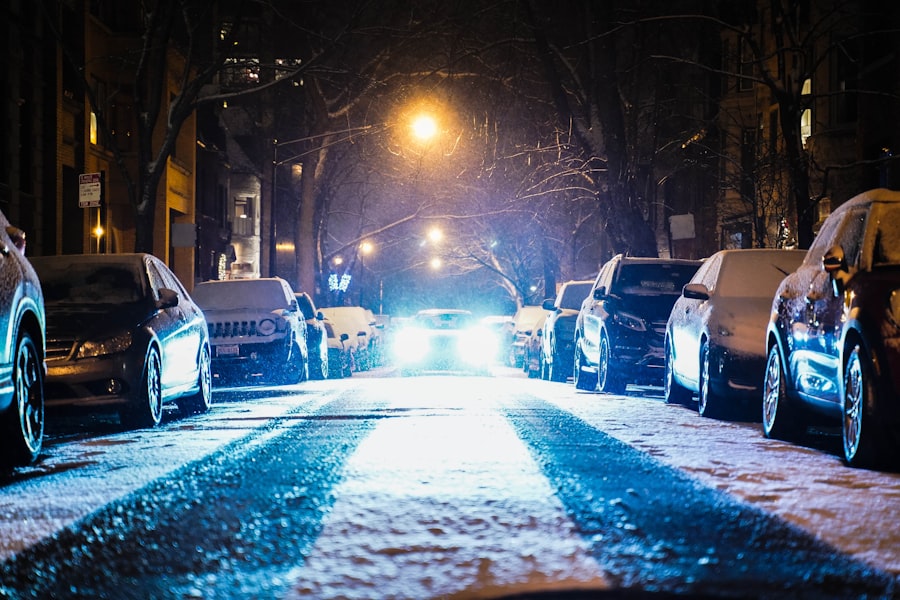
Beyond ensuring you can see and be seen, modifying your driving behavior is fundamental to navigating the complexities of the road after dark.
Adjusting Your Speed and Following Distance
The reduced visibility and potentially slower reaction times at night necessitate a more cautious approach.
Lowering Your Speed
It is crucial to reduce your speed when driving at night. Your stopping distance increases significantly in the dark because your reaction time is longer, and the light from your headlights dictates how far ahead you can see. Driving at a slower speed gives you more time to react to hazards and increases the margin for error. Stick to the posted speed limits, and if conditions are poor (rain, fog), reduce your speed further.
Increasing Following Distance
Maintain a greater distance between your vehicle and the one in front of you. At night, it’s harder to judge the speed and braking of other vehicles. A larger gap provides more time to brake safely if the vehicle ahead stops unexpectedly. Aim for at least a 3-4 second following distance, but increase this to 5-6 seconds or more on dark country roads or in adverse weather.
Enhancing Your Awareness of Surroundings
Your senses need to be more attuned at night. Actively seeking out information from your environment is vital.
Utilizing Peripheral Vision More Effectively
Night driving requires you to be more conscious of your peripheral vision. Since your central vision might be more impaired by darkness and glare, actively scan your environment beyond just the immediate road ahead.
Scanning for Hazards Beyond Direct Vision
Make a habit of frequently looking left, right, and in your mirrors, not just focusing on the car ahead. Look for potential hazards like pedestrians, cyclists, animals, or debris that might be less visible in the dark. Train yourself to notice subtle movements or shapes that might indicate something is present.
Being Aware of Road Edge and Lane Markings
Pay close attention to road edge lines and lane markings. These provide crucial visual cues for maintaining your position on the road, especially when visibility is limited. If you find them hard to see, consider how you can make them more apparent to yourself (e.g., by slightly angling your gaze).
Listening for Auditory Cues
Your hearing can be an invaluable asset when your vision is compromised at night.
Paying Attention to Engine Noises and Other Sounds
Be alert to the sounds of other vehicles, such as their engines, tire noise, or horns. These can help you detect vehicles that might be in your blind spots or are poorly lit. This is especially important on roads with limited lighting or where there are frequent intersections and driveways.
Recognizing Potential Hazards Through Sound
Listen for sounds that might indicate a hazard, such as a bicycle bell, the rustling of animals in the roadside, or the sounds of construction. These auditory cues can alert you to situations that your eyes might miss.
Strategic Use of Headlights
Understanding how and when to use your headlights, both for seeing and being seen, is critical.
When to Use High Beams (and When Not To)
High beams, or full headlights, illuminate the road much further ahead and are invaluable on unlit roads.
When High Beams Are Beneficial
Use your high beams whenever there is no oncoming traffic or when following another vehicle at a significant distance on a dark, unlit road. They are particularly useful on rural roads or in areas with few streetlights, as they significantly increase your ability to see potential hazards like animals or pedestrians far in advance.
When to Immediately Switch to Low Beams
You must switch your headlights back to low beams when you see an oncoming vehicle within approximately 500 feet (about three football fields) or when you are following another vehicle. Failing to do so can temporarily blind the other driver, increasing the risk of an accident. Be proactive in switching them back; don’t wait until the last second.
Using Daytime Running Lights (DRLs)
Many modern vehicles come equipped with daytime running lights.
The Purpose of Daytime Running Lights
Daytime running lights are designed to make your vehicle more visible to other road users during daylight hours. However, they are often less bright than headlights and may not be sufficient for effective visibility during dusk or dawn, or in truly dark conditions.
When DRLs Are Not Enough for Night Driving
While DRLs enhance conspicuiveness during the day, they do not provide the illumination needed for safe night driving. Always ensure your full headlights (low beams) are activated when driving in conditions where visibility is reduced, including twilight and nighttime. Relying solely on DRLs at night is a significant safety risk.
Managing Driving Fatigue and Distractions
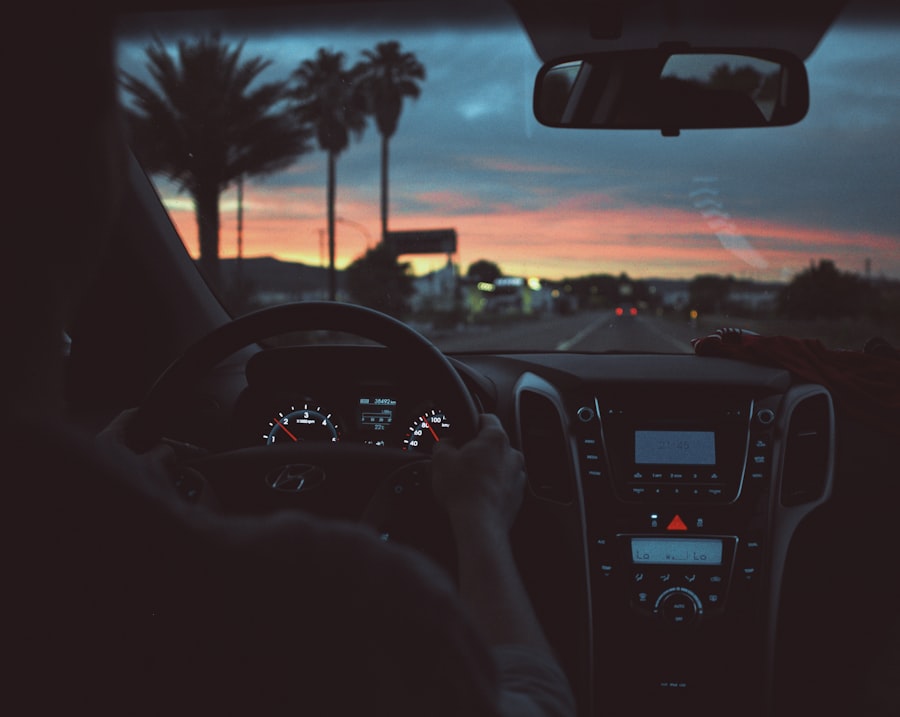
Night driving can be more mentally demanding, making fatigue and distractions particularly hazardous.
Recognizing and Combating Driving Fatigue
Fatigue significantly impairs driving ability, and this effect is amplified at night.
Understanding the Signs of Fatigue
Be aware of the common signs of fatigue while driving. These include:
- Frequent yawning or blinking
- Difficulty focusing or keeping your eyes open
- Drifting out of your lane or straddling the center line
- Missing turns or exits
- Feeling restless or irritable
- Heavy eyelids or drooping head
Strategies to Combat Fatigue
If you feel tired, pull over immediately to a safe location. Do not try to push through it.
- Take a break: Stop for at least 15-20 minutes. Get out of the car, stretch, and walk around.
- Find a safe place to rest: If you are significantly tired, find a well-lit rest stop or parking area to take a short nap. Even a 20-minute nap can significantly improve alertness.
- Consume caffeine moderately: Caffeine can provide a temporary boost, but it’s not a substitute for rest and its effects can wear off quickly.
- Avoid driving during your natural sleep times: If possible, plan your driving to avoid the hours when you normally sleep.
- Stay hydrated: Dehydration can contribute to fatigue.
Minimizing Distractions in the Vehicle
At night, when your focus needs to be absolute, any distraction can be dangerous.
Setting Up Your Navigation Before Driving
If you rely on GPS or maps, program your destination and review your route before you start driving. Fumbling with devices while on the road is a significant distraction. Familiarize yourself with the route as much as possible beforehand.
Managing Mobile Phone Use
Never use your mobile phone while driving. This includes texting, talking without a hands-free device, or browsing. Even a few seconds of looking away from the road can be catastrophic. If you must make or take a call, pull over safely. Utilize voicemail for incoming calls and wait until you are parked to return calls.
Limiting In-Car Entertainment
While music or talk radio can keep you company, ensure the volume is not so high that it drowns out important auditory cues from your surroundings. Be mindful of engaging in lengthy or emotionally charged conversations with passengers, as these can detract from your concentration. Consider reducing background noise during particularly challenging driving segments.
For seniors looking to enhance their nighttime driving safety, it’s essential to stay informed about best practices. A helpful resource can be found in an article that offers comprehensive tips specifically tailored for older drivers. By following these guidelines, seniors can navigate the roads more confidently after dark. To learn more about these valuable strategies, you can read the article on safe night driving tips for seniors at Explore Senior Health.
Planning Your Nighttime Journeys
| Tips for Safe Night Driving for Seniors |
|---|
| 1. Ensure good vision with regular eye check-ups |
| 2. Avoid driving when tired or drowsy |
| 3. Use headlights and high beams appropriately |
| 4. Minimize distractions inside the car |
| 5. Stay within the speed limit and maintain a safe following distance |
| 6. Be aware of medications that may affect driving ability |
| 7. Plan routes in advance and avoid unfamiliar or poorly lit areas |
Proactive planning is a cornerstone of safe driving for seniors, especially when venturing out after dark.
Preparing for Your Trip
A well-prepared journey is a safer journey.
Checking Weather and Road Conditions
Before you leave, check the weather forecast and road conditions. Adverse weather, such as rain, fog, or snow, can drastically reduce visibility and make driving conditions hazardous. If conditions are poor, consider postponing your trip or taking an alternative route. For real-time road condition updates, consult local traffic reports or reliable online sources.
Informing Someone of Your Travel Plans
It is a good practice to let a family member or friend know where you are going, your planned route, and your estimated arrival time. This ensures that if you encounter any issues or are delayed, someone will know where to find you or that something might be amiss.
Choosing Safer Driving Times and Routes
Not all nighttime driving situations are created equal.
Opting for Well-Lit Major Roads
Whenever possible, choose to travel on well-lit, major roads. These roads generally have better lane markings, more reflective signage, and are more likely to have other vehicles present, which can enhance your sense of security and visibility. Avoid less-traveled, unlit roads at night if you can.
Avoiding Driving During Peak Deer Activity Hours
In many rural and suburban areas, dawn and dusk are peak times for deer activity. This is often coinciding with early evening drives. Be especially vigilant in areas known for deer crossings and be prepared to brake if you see one. Many accidents can be caused by swerving to avoid an animal, which can be more dangerous than a controlled stop.
When to Consider Not Driving at Night
There comes a point where prioritizing safety means recognizing limitations.
Recognizing Your Personal Driving Limits
No one likes to admit they have limitations, but acknowledging yours is a sign of maturity and responsibility.
Being Honest About Your Vision and Reaction Time
Regularly assess your comfort level with night driving. If you consistently feel anxious, uncertain, or find yourself struggling to see or react as you used to, it’s time to re-evaluate. Do not let pride or a sense of obligation prevent you from making safe choices. Your well-being and the safety of others on the road are paramount.
Seeking Alternative Transportation Options
If night driving is becoming increasingly difficult or stressful, explore other options.
- Family and Friends: Don’t hesitate to ask for rides from family members or friends. Most people are happy to help.
- Ride-Sharing Services: Services like Uber and Lyft are widely available and can be a convenient and safe way to get around at night without the stress of driving yourself.
- Taxis: Traditional taxi services are still a reliable option in many areas.
- Public Transportation: If available and convenient for your needs, explore bus or train services.
- Community Senior Programs: Many communities offer transportation services specifically for seniors. Inquire with your local senior center or municipal government.
Night driving requires a heightened level of caution and awareness. By implementing these tips, you can significantly enhance your safety and continue to drive with confidence and independence. Remember, driving is a privilege, and adapting your habits to ensure the safety of yourself and others is a continuous and vital responsibility.
FAQs
What are some safe night driving tips for seniors?
– Ensure proper vision by getting regular eye exams and wearing glasses if needed.
– Avoid driving during peak hours of darkness when visibility is at its lowest.
– Use headlights and high beams appropriately to improve visibility.
– Stay alert and focused on the road, avoiding distractions like cell phones or loud music.
– Plan routes in advance and avoid unfamiliar or poorly lit areas.
Why is night driving more challenging for seniors?
– As people age, their eyesight tends to deteriorate, making it harder to see in low light conditions.
– Reaction times may slow down, making it more difficult to respond to unexpected situations on the road.
– Seniors may also experience reduced depth perception and difficulty adjusting to changes in light.
What are the risks of night driving for seniors?
– Increased likelihood of accidents due to reduced visibility and slower reaction times.
– Higher risk of encountering impaired or fatigued drivers on the road at night.
– Difficulty navigating poorly lit or unfamiliar areas, leading to confusion and potential wrong turns.
How can seniors prepare for safe night driving?
– Get regular eye exams and wear corrective lenses if needed.
– Limit driving at night to familiar routes and well-lit areas.
– Consider taking a defensive driving course to refresh skills and learn new techniques for night driving.
– Avoid driving when feeling fatigued or drowsy, as this can impair reaction times and decision-making.
When should seniors consider limiting or avoiding night driving altogether?
– If they experience significant vision problems, even with corrective lenses.
– If they have a history of accidents or near-misses while driving at night.
– If they feel uncomfortable or anxious about night driving, it may be time to consider alternative transportation options.