
Here you are.
As you age, your body and mind naturally undergo changes. These changes, while not always immediately alarming, can subtly impact your ability to navigate the roads safely. It’s important to be honest with yourself and acknowledge these shifts before they become a serious concern for you or others. Don’t wait for a near-miss or an accident to prompt a conversation about your driving. Proactive self-assessment is the most responsible approach.
Physical Deterioration and Its Impact on Driving
Your physical capabilities are directly linked to your driving performance. Declining strength, flexibility, and sensory perception can all create challenges behind the wheel.
Vision Impairments: More Than Just Needing Glasses
Your vision is your primary tool for driving. As you age, even with corrective lenses, your vision can change in ways that affect your safety.
Reduced Visual Acuity
The sharpness of your vision, known as visual acuity, can decrease over time. This means you might have more difficulty seeing distant objects, road signs, or identifying potential hazards. Even a slight reduction can make noticing a pedestrian stepping off a curb or a brake light on a car ahead more challenging. It’s not just about your prescription; it’s about the clarity with which you perceive your environment.
Diminished Peripheral Vision
Your field of vision, often referred to as peripheral vision, allows you to see what’s happening to your sides. This is crucial for changing lanes, merging into traffic, and being aware of approaching vehicles or cyclists. With age, this field can narrow, creating blind spots that you might not even realize exist. You might miss seeing a car trying to pass you or a bicyclist in your blind spot.
Difficulty with Night Driving and Glare Sensitivity
Many seniors find driving at night significantly more difficult. This is often due to changes in how your eyes adapt to darkness and increased sensitivity to glare from headlights and streetlights. Reduced pupil dilation and changes in the cornea can contribute to this. You might find yourself squinting more, struggling to see lane markings, or feeling overwhelmed by oncoming headlights.
Slower Reaction to Light Changes
Your ability to adjust to changing light conditions, such as entering or exiting a tunnel, or the sudden glare of the sun, can also become slower. This delay in adaptation can make it harder to immediately assess the road ahead and react appropriately.
Auditory Changes and Their Driving Implications
While vision is paramount, your hearing also plays a vital role in safe driving by providing auditory cues about your surroundings.
Missing Important Sounds
You might not hear the siren of an approaching emergency vehicle, the honking of another driver’s horn, or the subtle sounds of your own vehicle, such as an engine sputtering or a tire rubbing. These sounds can provide critical warnings or indicate mechanical issues.
Difficulty Distinguishing Sounds
In noisy environments, such as busy intersections or highways, you might have trouble distinguishing important sounds from background noise. This can make it difficult to identify specific threats or warnings.
Decreased Motor Skills and Physical Limitations
The physical act of driving requires a range of motor skills and a certain level of physical dexterity.
Slower Reflexes and Reaction Time
Your reflexes naturally slow as you age. This means that when a hazard appears, it takes you longer to perceive it, process it, and then initiate a physical response, such as braking or steering. This delay can be the difference between avoiding an accident and being involved in one.
Reduced Strength and Flexibility
Tasks like turning the steering wheel, operating pedals firmly and smoothly, or quickly turning your head to check blind spots can become more difficult if you experience a decline in muscle strength or joint flexibility. This can impact your ability to maneuver the vehicle effectively in challenging situations.
Tremors or Involuntary Movements
If you experience tremors or involuntary movements, these can significantly interfere with precise control of the steering wheel or pedals, leading to erratic driving.
As seniors age, it becomes increasingly important to assess their driving abilities to ensure their safety and the safety of others on the road. Recognizing the signs that a senior should stop driving can be a challenging conversation, but it is essential for their well-being. For more information on this topic, you can refer to a related article that provides valuable insights and guidance on how to approach this sensitive issue. To read more, visit this article.
Cognitive Changes and Driving: When the Brain Needs a Break
Beyond the physical, your cognitive abilities are essential for safe driving. Recognizing changes in how you think and process information is crucial.
Memory Impairments and Driving
Your memory is critical for recalling routes, recognizing familiar landmarks, and remembering traffic laws and signs.
Forgetting Directions or Routes
You might find yourself getting lost more easily, even on familiar routes. This can be due to difficulties with spatial memory or the inability to retain new information about directions.
Difficulty Remembering Where You Parked
Forgetting where you parked your car is a common sign of memory lapses. While it might seem minor, it points to a broader issue with your ability to recall recent events and locations, which is problematic for navigating the driving environment.
Failing to Recall Traffic Laws or Signs
A diminished ability to recall traffic rules, speed limits, or the meaning of specific road signs can lead to unintentional violations and dangerous situations.
Issues with Concentration and Attention
Driving requires sustained focus and the ability to divide your attention effectively.
Easily Distracted by Passengers or Surroundings
You might find yourself easily distracted by conversations with passengers, external noises, or visual stimuli outside the car. This reduces your focus on the road and your awareness of the driving task.
Difficulty Multitasking While Driving
Driving is a form of multitasking, requiring you to monitor your speed, check mirrors, navigate, and be aware of other vehicles. If you struggle to mentally juggle these tasks, your driving can become less safe.
Drifting Out of Your Lane or Speeding
When your attention wanders, you might unintentionally drift out of your lane or find your speed creeping up without realizing it. These are clear indicators of compromised concentration.
Decision-Making and Judgment Declines
Safe driving relies on making sound judgments and quick decisions in dynamic situations.
Indecisiveness at Intersections or Merging
You might hesitate or become indecisive when faced with complex intersections or the need to merge into traffic. This can cause delays and potentially lead to dangerous situations for yourself and others.
Underestimating or Overestimating Risks
Your ability to accurately assess risks, such as the speed of an approaching vehicle for a turn or the safety of pulling into a parking space, might be impaired. You might take unnecessary risks or be overly cautious to the point of causing disruption.
Impaired Judgment Regarding Speed and Distance
Judging the speed of other vehicles or the distance to objects can become more challenging, leading to miscalculations and potentially unsafe maneuvers.
Medical Conditions and Medications: External Factors Affecting Driving
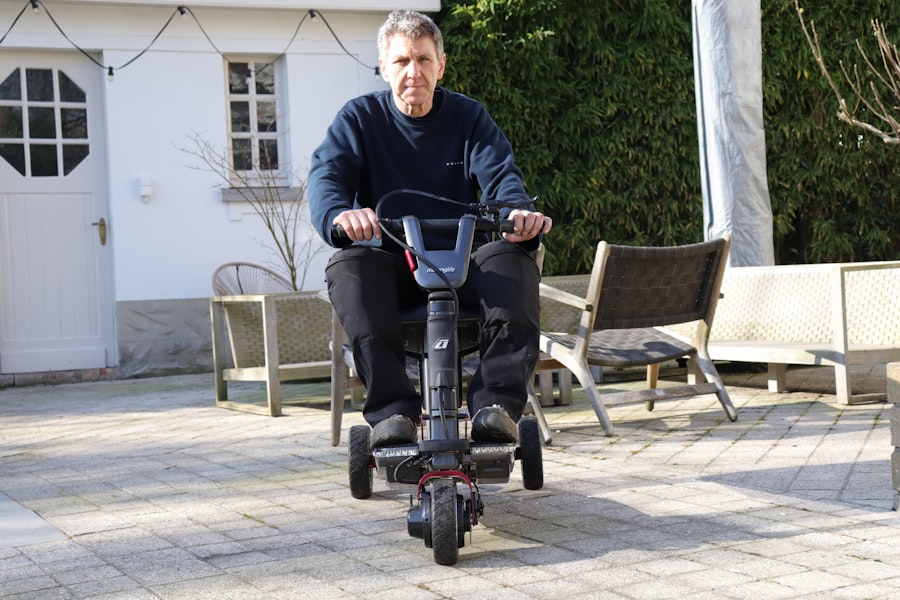
Certain medical conditions and the medications used to treat them can significantly impact your driving abilities, even if you feel generally well.
Neurological Conditions and Their Impact
Conditions affecting the brain and nervous system can directly impair driving skills.
Alzheimer’s Disease and Dementia
These progressive conditions erode cognitive functions, including memory, judgment, attention, and problem-solving abilities, all of which are critical for driving.
Parkinson’s Disease
Parkinson’s can affect motor control, muscle rigidity, tremors, and reaction time, making precise vehicle operation difficult.
Stroke
Even a mild stroke can leave lasting impairments, affecting vision, motor skills, cognitive processing, and reaction times.
Seizure Disorders (Epilepsy)
Seizures, even brief ones, pose an undeniable risk to safe driving. Depending on the type and frequency, regulations may require a significant seizure-free period before driving is permitted.
Vision and Hearing Impairments, Again
While discussed physically, it’s important to reiterate that these sensory declines can also be the direct result of underlying medical conditions.
Glaucoma and Macular Degeneration
These conditions can lead to progressive vision loss and blind spots, severely impacting a driver’s ability to see their surroundings clearly.
Diabetic Retinopathy
This complication of diabetes can cause blurred vision, floaters, and vision loss, making driving hazardous.
Sudden Hearing Loss
A sudden or significant decline in hearing can make it impossible to detect important auditory cues on the road.
Cardiovascular Issues and Their Driving Dangers
Conditions affecting the heart and blood vessels can lead to sudden incapacitations that make driving unsafe.
Heart Attack or Angina
Experiencing chest pain or a heart attack while driving can lead to loss of consciousness or impaired control of the vehicle.
Arrhythmias (Irregular Heartbeat)
Certain irregular heart rhythms can cause dizziness, fainting, or loss of consciousness, posing a severe risk.
Heart Failure
Severe heart failure can lead to fatigue, shortness of breath, and reduced cognitive function, all of which can impact driving.
Medications and Their Side Effects
Many common medications, even those prescribed for seemingly unrelated conditions, can have side effects that impair driving.
Drowsiness and Sedation
Many medications, including antihistamines, pain relievers, and some antidepressants, can cause drowsiness and slow your reaction time, making it dangerous to drive.
Dizziness and Blurred Vision
Other medications can lead to dizziness, vertigo, or blurred vision, all of which compromise your ability to operate a vehicle safely.
Cognitive Impairment and Confusion
Some medications can affect your thinking, concentration, and judgment, leading to confusion and poor decision-making on the road.
Impairment of Motor Skills
Certain drugs can affect coordination and fine motor control required for steering and pedal operation.
Behavioral Changes and Driving: Habits That Need Attention

Sometimes, the warning signs appear not in a specific physical or cognitive deficit, but in the way you approach driving and your overall behavior behind the wheel.
Increased Aggression or Impatience
As you age, you might find yourself becoming more easily frustrated or impatient with other drivers.
Honking Excessively
Constantly honking your horn, not out of necessity, but out of frustration with other drivers, can indicate heightened irritability.
Tailgating Other Vehicles
Driving too close to the car in front of you, especially at higher speeds, is an aggressive behavior that significantly increases the risk of a rear-end collision.
Road Rage Incidents
Engaging in aggressive verbal exchanges or gestures towards other drivers is a clear sign of compromised emotional regulation and potential danger.
Resistance to Change or New Technology
The automotive world is constantly evolving, with new safety features and driving aids becoming commonplace.
Refusal to Adapt to New Car Features
You might resist learning about or using new safety features in your vehicle, such as backup cameras, lane departure warnings, or adaptive cruise control, viewing them as unnecessary complexities.
Difficulty Understanding Modern Traffic Systems
Complex intersections, variable speed limit signs, or new road construction can be more challenging to navigate if you’re not adapting to updated traffic management systems.
Increasingly Erratic Driving Patterns
Subtle, yet consistent, deviations from safe driving practices can be a significant warning.
Frequent Speeding or Driving Too Slowly
Consistently exceeding the speed limit or driving significantly below the posted speed limit without a clear reason can be indicative of impaired judgment or slower reflexes.
Difficulty Maintaining Lane Position
Drifting within your lane or having trouble staying centered can be a symptom of reduced attention or motor control issues.
Inconsistent Braking or Acceleration
Jerky, unpredictable changes in speed, whether braking suddenly or accelerating inconsistently, suggest a lack of smooth coordination and control.
Denial or Minimizing Driving Difficulties
Perhaps the most insidious behavioral change is the refusal to acknowledge that there might be a problem.
Dismissing Concerns from Family or Friends
When loved ones express worries about your driving, you might brush them off, become defensive, or accuse them of being overly cautious.
Rationalizing Minor Driving Errors
You might find ways to excuse or downplay any mistakes you make while driving, attributing them to other drivers or unusual circumstances rather than your own capabilities.
Continuing to Drive Despite Known Limitations
Knowing you have a medical condition or are taking medication that affects your driving, but choosing to continue driving anyway, is a dangerous form of denial.
As seniors age, it becomes increasingly important to assess their driving abilities to ensure their safety and the safety of others on the road. There are several signs that may indicate it is time for a senior to stop driving, such as difficulty in judging distances or frequent near-misses. For more insights on this sensitive topic, you can read a related article that discusses the various signs and considerations for seniors when it comes to driving by visiting Explore Senior Health. Recognizing these signs early can help families make informed decisions and provide the necessary support for their loved ones.
Seeking Professional Assessment and Support: When to Take the Next Step
| Signs a Senior Should Stop Driving |
|---|
| Difficulty reading signs or traffic signals |
| Getting lost in familiar areas |
| Increased number of near-misses or accidents |
| Difficulty maintaining the appropriate speed |
| Difficulty turning or changing lanes |
| Delayed response to unexpected situations |
| Difficulty seeing at night or in low light |
| Increased anxiety or stress while driving |
Recognizing these warning signs is the first and most important step. However, sometimes, an objective professional assessment is necessary to gain clarity and make informed decisions about your driving future.
Consulting Your Doctor
Your primary care physician is a crucial resource when considering your driving fitness.
Discussing Medical Conditions and Medications
Be open and honest with your doctor about any health concerns, symptoms you’re experiencing, and all medications, including over-the-counter drugs and supplements, you are taking.
Understanding Medication Side Effects
Your doctor can advise you on which medications might impair your driving ability and explore potential alternatives or dosage adjustments.
Requesting a Driving Evaluation Referral
Your doctor can refer you to specialists who can conduct more comprehensive driving assessments.
Specialized Driving Evaluations
Beyond a general physician, specific professionals can offer in-depth evaluations of your driving capabilities.
Occupational Therapists Specializing in Driving Rehabilitation
These therapists are trained to assess the physical, cognitive, and visual skills needed for driving and can recommend adaptive equipment or strategies if needed.
Certified Driver Rehabilitation Specialists (CDRS)
A CDRS can provide a comprehensive evaluation, covering medical history, functional abilities, and on-road testing, to determine driving safety.
Vision Specialists for Driving Assessments
Ophthalmologists or optometrists can conduct specialized vision tests tailored to driving, assessing factors beyond standard eye exams.
Engaging in Open Communication with Loved Ones
Your family and friends are often the first to notice changes and can provide invaluable support.
Honest Conversations About Concerns
Initiate conversations with your trusted family members or friends about your driving. Listen to their observations without becoming defensive.
Collaborative Decision-Making
Work together with your loved ones to explore options, such as alternative transportation or driving cessation strategies.
Creating a Plan for Transportation Alternatives
If driving is no longer safe, collaboratively plan for how you will maintain your independence and mobility. This might involve ride-sharing services, public transportation, or leveraging community resources.
Considering Driving Cessation and Alternative Transportation
The decision to stop driving is a significant one, but often a necessary one for safety.
Exploring Public Transportation Options
Familiarize yourself with local bus routes, train lines, or other public transport available in your area.
Utilizing Ride-Sharing Services and Taxis
Services like Uber and Lyft are readily available in many locations and can provide convenient on-demand transportation.
Arranging for Rides from Family and Friends
Establish a reliable system for receiving rides from your support network.
Investigating Community Transportation Programs
Many communities offer specialized transportation services for seniors, often at subsidized rates.
Ultimately, your decision to continue driving should be based on a clear-eyed assessment of your abilities and a genuine commitment to the safety of yourself and others on the road. It’s about maintaining your independence in a way that is responsible and secure.
FAQs
1. What are some physical signs that indicate a senior should stop driving?
Some physical signs that indicate a senior should stop driving include decreased vision, hearing loss, slower reaction times, and physical limitations that affect their ability to operate a vehicle safely.
2. What are some cognitive signs that indicate a senior should stop driving?
Some cognitive signs that indicate a senior should stop driving include memory loss, confusion, difficulty concentrating, and impaired decision-making abilities.
3. Are there any behavioral signs that indicate a senior should stop driving?
Yes, some behavioral signs that indicate a senior should stop driving include getting lost in familiar areas, experiencing near-misses or accidents, becoming easily frustrated or agitated while driving, and receiving multiple traffic tickets or warnings.
4. What steps can be taken if a senior should stop driving?
If a senior should stop driving, they can consider alternative transportation options such as public transit, ridesharing services, or relying on family and friends for transportation. They can also explore community resources for seniors, such as senior transportation programs.
5. How can family members approach the conversation about a senior’s driving abilities?
Family members can approach the conversation about a senior’s driving abilities with empathy and understanding. They can express their concerns about safety and offer to help explore alternative transportation options. It’s important to have an open and honest dialogue while also respecting the senior’s feelings and independence.