
Navigating the legal landscape of real estate can be daunting, especially if you are unfamiliar with the intricacies involved. When you decide to sell a property, it is essential to understand the legal requirements that govern the transaction. This includes knowing the necessary documentation, such as the title deed, property disclosures, and any local regulations that may apply.
Familiarizing yourself with these elements will not only streamline the process but also help you avoid potential pitfalls that could arise during the sale. Moreover, it is crucial to be aware of the legal obligations you have as a seller. This includes disclosing any known issues with the property, such as structural problems or pest infestations.
Failure to do so can lead to legal repercussions down the line. Engaging a real estate attorney can be beneficial in this regard, as they can guide you through the legal maze and ensure that all paperwork is in order. By understanding the legal process, you empower yourself to make informed decisions and protect your interests throughout the sale.
Key Takeaways
- Understanding the legal process:
- Research and understand the legal requirements for selling a property in your area.
- Consider hiring a real estate attorney to guide you through the legal process.
- Assessing the condition of the property:
- Conduct a thorough inspection of the property to identify any necessary repairs or improvements.
- Consider hiring a professional inspector to provide an objective assessment of the property’s condition.
- Finding a real estate agent:
- Research and interview multiple real estate agents to find the right fit for your needs.
- Choose an agent with experience in selling properties similar to yours.
- Setting a realistic price:
- Research the market to determine a competitive and realistic price for your property.
- Consider the condition of the property and recent sales in the area when setting the price.
- Handling emotional attachments:
- Recognize and acknowledge any emotional attachments to the property, but try to remain objective during the selling process.
- Focus on the future and the potential for new beginnings in a new home.
Assessing the condition of the property
Before putting your property on the market, it is vital to conduct a thorough assessment of its condition. This involves not only a visual inspection but also considering any underlying issues that may not be immediately apparent. You should take note of any repairs that need to be made, such as leaky faucets, damaged roofing, or outdated electrical systems.
Addressing these issues before listing your home can significantly enhance its appeal to potential buyers and may even increase its market value. In addition to physical repairs, consider the overall aesthetic of your property.
You might want to enlist the help of a professional home inspector who can provide an unbiased evaluation of your property’s condition. This proactive approach not only helps you identify areas for improvement but also gives you peace of mind knowing that you are presenting your home in its best light.
Finding a real estate agent

Choosing the right real estate agent is a critical step in the selling process. You want someone who understands your local market and has a proven track record of successful sales. Start by asking for recommendations from friends or family who have recently sold their homes.
Additionally, online reviews and testimonials can provide valuable insights into an agent’s reputation and effectiveness. Once you have a shortlist of potential agents, schedule interviews to discuss your goals and expectations. Pay attention to their communication style and how well they listen to your needs.
A good agent will not only provide you with market insights but will also offer strategic advice on how to position your property for sale. Remember, this partnership is essential for navigating the complexities of the selling process, so take your time in making this important decision.
Setting a realistic price
| Metrics | Data |
|---|---|
| Competitor Analysis | Conduct thorough research on competitor pricing strategies |
| Cost of Production | Calculate all expenses involved in producing the product |
| Market Demand | Assess the demand for the product in the target market |
| Profit Margin | Determine the desired profit margin for the product |
| Customer Perception | Consider how customers perceive the value of the product |
Determining the right price for your property is one of the most crucial aspects of selling a home. Setting an unrealistic price can deter potential buyers and prolong the selling process, while pricing too low may result in financial loss. To arrive at a fair market value, consider conducting a comparative market analysis (CMA) with your real estate agent.
This analysis will look at similar properties in your area that have recently sold, giving you a clearer picture of what buyers are willing to pay. Additionally, keep in mind that emotional attachments can cloud your judgment when it comes to pricing. You may have invested time and money into your home, but buyers will base their decisions on market trends rather than personal sentiment.
Be open to feedback from your agent and be willing to adjust your expectations based on market realities. A well-priced home will attract more interest and ultimately lead to a quicker sale.
Handling emotional attachments
Selling a home often comes with a whirlwind of emotions, especially if it holds significant memories for you and your family. It’s natural to feel attached to a place where you’ve created countless memories, but it’s essential to separate those feelings from the business aspect of selling. Acknowledging your emotions is the first step; however, you must also recognize that potential buyers will view your home through a different lens.
To help manage these emotional attachments, consider focusing on the future rather than dwelling on the past. Visualize what lies ahead after the sale—whether it’s moving into a new home or starting a new chapter in your life. Engaging friends or family for support during this transition can also be beneficial.
They can provide perspective and help you stay grounded as you navigate this significant change.
Dealing with inherited debt
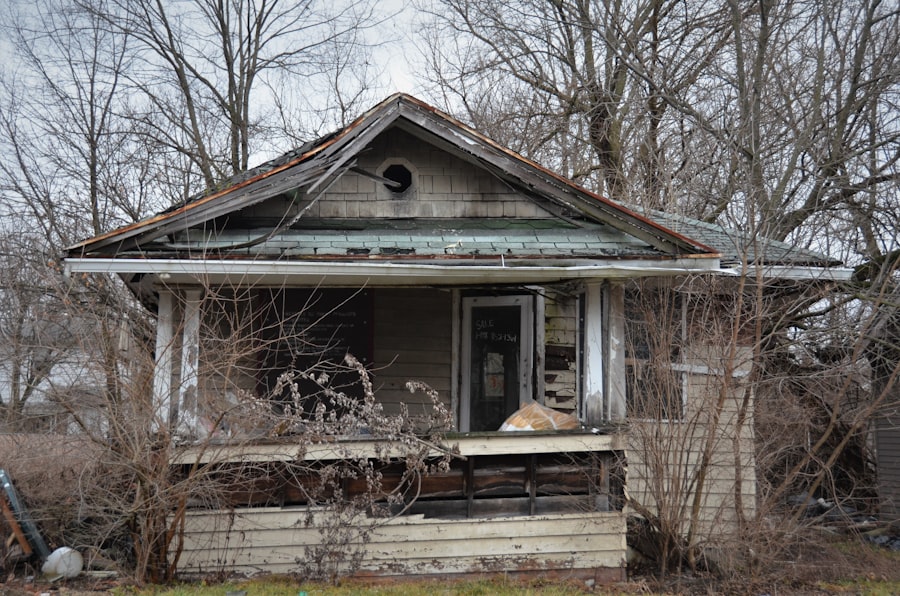
If you are selling a property that has been inherited, it’s crucial to address any debts associated with it before proceeding with the sale. Inherited properties may come with outstanding mortgages, liens, or other financial obligations that need to be settled first. Understanding these debts is essential for determining how much equity you have in the property and what proceeds you can expect from the sale.
Consulting with a financial advisor or an attorney who specializes in estate matters can provide clarity on how to handle inherited debt effectively. They can guide you through the process of settling any outstanding obligations and ensure that you are compliant with all legal requirements. By addressing these financial issues upfront, you can avoid complications later in the selling process and ensure a smoother transaction.
Preparing the home for sale
Once you’ve assessed your property’s condition and addressed any necessary repairs, it’s time to prepare your home for sale. This stage involves more than just cleaning; it’s about creating an inviting atmosphere that allows potential buyers to envision themselves living there. Start by decluttering each room—remove personal items, excess furniture, and anything that may distract from the home’s features.
Staging your home can also make a significant impact on how it is perceived by buyers. Consider hiring a professional stager who can highlight your home’s strengths and create an appealing layout. Simple touches like fresh flowers, neutral decor, and well-placed lighting can enhance the overall ambiance.
Remember, first impressions matter; investing time and effort into preparing your home can lead to quicker offers and potentially higher sale prices.
Marketing the property
Effective marketing is key to attracting potential buyers and generating interest in your property. Your real estate agent will play a pivotal role in this process by utilizing various marketing strategies tailored to your home’s unique features and target audience. High-quality photographs are essential; they should showcase both the interior and exterior of your home in their best light.
In addition to traditional listings on real estate websites, consider leveraging social media platforms to reach a broader audience. Your agent may create virtual tours or host open houses to give prospective buyers an immersive experience of your property. The more exposure your home receives, the higher the chances of finding the right buyer quickly.
Negotiating offers
Once you start receiving offers on your property, it’s time to enter into negotiations—a critical phase that requires careful consideration and strategy. Your real estate agent will be instrumental in this process, helping you evaluate each offer based on price, contingencies, and closing timelines. It’s essential to remain open-minded during negotiations; sometimes, buyers may present lower offers initially but could be willing to negotiate up.
Be prepared for counteroffers as well; this back-and-forth dialogue is common in real estate transactions. Your agent will help you craft responses that align with your goals while keeping negotiations amicable. Remember that effective communication is key; maintaining a positive relationship with potential buyers can lead to smoother negotiations and ultimately result in a successful sale.
Closing the sale
The closing process is often seen as the final hurdle in selling a property, but it’s essential to approach it with diligence and attention to detail. During this stage, all parties involved will review and sign various documents related to the sale, including the purchase agreement and title transfer paperwork. Your real estate agent will guide you through this process, ensuring that everything is completed accurately and on time.
It’s also important to conduct a final walkthrough before closing day to confirm that any agreed-upon repairs have been made and that the property is in good condition. Once all documents are signed and funds are transferred, you’ll officially hand over ownership of the property to the buyer. This moment marks not just the end of one chapter but also the beginning of another as you move forward with your life.
Distributing the proceeds
After successfully closing the sale of your property, it’s time to address how you will distribute the proceeds from the transaction. Depending on your circumstances—whether you are paying off debts associated with the property or planning for future investments—having a clear plan for these funds is crucial. Consulting with a financial advisor can help you make informed decisions about how best to allocate these proceeds.
Consider factors such as taxes on capital gains from the sale and any outstanding obligations related to inherited debt or mortgages that need settling first. By taking these elements into account, you can ensure that you are making sound financial choices moving forward. Ultimately, distributing the proceeds wisely will set you up for success as you embark on new opportunities after selling your home.
When dealing with the emotional and logistical challenges of selling a house after a parent passes away, it’s important to approach the process with both sensitivity and practicality. One crucial step is understanding the legal and financial implications, such as probate and inheritance taxes, which can vary significantly depending on your location. Additionally, preparing the home for sale might involve decluttering, making necessary repairs, and possibly staging the property to attract potential buyers. For more detailed guidance on navigating these complexities, you can refer to a related article on Explore Senior Health, which offers valuable insights and resources for managing such transitions effectively.
FAQs
What steps should be taken to sell a house after a parent dies?
When a parent dies, the first step is to obtain the legal right to sell the house. This may involve going through the probate process and obtaining a letter of testamentary or letters of administration. Once the legal right is established, the executor or administrator can proceed with selling the house.
Do I need to get the house appraised before selling it?
It is generally recommended to get the house appraised before selling it. An appraisal will provide an accurate valuation of the property, which can help in setting the right selling price and attracting potential buyers.
What are the tax implications of selling a house after a parent dies?
There may be tax implications when selling a house after a parent dies, depending on the value of the property and the applicable tax laws. It is advisable to consult with a tax professional or an attorney to understand the tax implications and any potential tax obligations.
Should I make any repairs or renovations before selling the house?
It may be beneficial to make necessary repairs or renovations to the house before selling it. This can help increase the property’s value and appeal to potential buyers. However, the decision to make repairs or renovations should be based on the condition of the house and the potential return on investment.
What documents are required to sell a house after a parent dies?
Documents that may be required to sell a house after a parent dies include the death certificate of the parent, the will (if applicable), the letter of testamentary or letters of administration, and any other relevant legal documents. It is important to gather all necessary documents to establish the legal right to sell the property.