
You’ve likely seen them – perhaps a familiar family member, a neighbor, or even yourself – the senior driver on the road. The experience of driving offers a profound sense of independence, a lifeline to social connections, and the ability to manage daily errands. As we age, however, maintaining that independence can come with added considerations, particularly concerning physical capabilities that directly impact driving safety. One significant aspect often overlooked in the broader conversation about senior driver safety is the crucial role of balance. This article will explore how targeted balance exercises can be a proactive and effective strategy for enhancing driving proficiency and mitigating risks on the road.
Your ability to drive safely is a complex interplay of cognitive, visual, and motor skills. While attention often focuses on reaction time or visual acuity, the underlying mechanics of your body—specifically your balance—play a foundational role. Driving requires constant micro-adjustments to maintain your position within your lane, respond to changing road conditions, and execute maneuvers like turns and lane changes. Each of these actions relies heavily on your proprioception, the sense of your body’s position in space, which is intrinsically linked to your balance system. When your balance deteriorates, so does your ability to make these smooth, precise movements, potentially leading to dangerous situations.
The Vestibular System and its Role
The vestibular system, located in your inner ear, is the primary organ responsible for maintaining your sense of balance. It detects head movements and changes in orientation relative to gravity. This system continuously sends signals to your brain, which then coordinates your muscles to make necessary postural adjustments.
How Vestibular Dysfunction Affects Driving
Age-related changes, medical conditions, or even certain medications can impact the efficiency of your vestibular system. A compromised vestibular system can lead to symptoms such as dizziness, vertigo, and unsteadiness. In the context of driving, these symptoms can manifest as difficulty judging distances, a feeling of being disoriented, or a general sense of unease when navigating turns or uneven surfaces. This can lead to overcorrection or undercorrection of steering, increasing the risk of veering out of your lane or losing control.
Proprioception and Kinesthesia: Sensory Feedback Mechanisms
Beyond the vestibular system, proprioception and kinesthesia are vital for balance and, consequently, for driving.
Proprioception: The Body’s Internal Map
Proprioception is your awareness of your body’s position and movement without relying on sight. It’s the feeling that tells you where your hands and feet are, even with your eyes closed. This sensory input is crucial for making subtle adjustments to your posture and weight distribution.
Proprioceptive Deficits and Driving Impairments
As you age, the nerve endings responsible for proprioception can become less sensitive. This can make it harder for you to feel how your body is positioned relative to the car’s controls and the road. For instance, you might have difficulty sensing your foot’s precise pressure on the accelerator or brake pedal, or you might not accurately feel the angle of the steering wheel. This sensory gap can lead to jerky movements and a lack of smooth control.
Kinesthesia: The Sense of Movement
Kinesthesia is closely related to proprioception and refers to the sensation of body or limb movement. It allows you to perceive the speed and direction of your movements.
Impact of Reduced Kinesthetic Awareness
A diminished sense of kinesthesia can affect your ability to gauge the speed at which you are turning the steering wheel or how quickly you are accelerating or decelerating. This can lead to oversteering, understeering, or abrupt braking, all of which are hazardous in a driving environment.
The Interconnectedness of Core Strength and Balance
Your core muscles—including those in your abdomen, back, and pelvis—act as the central stabilizer for your entire body. A strong core provides a stable foundation from which your limbs can operate efficiently.
Core Weakness and its Driving Repercussions
When your core muscles are weak, your body relies more on compensatory movements from other muscle groups, which can lead to instability. In the driver’s seat, this means that when you need to make a quick steering adjustment or brace for an unexpected stop, a weak core might not provide the necessary support. This can result in a less controlled reaction, potentially increasing the risk of a collision. You might find yourself feeling more easily jostled by road imperfections or struggling to maintain a stable posture during dynamic driving situations.
For senior drivers, maintaining balance is crucial for ensuring safety on the road. Engaging in balance exercises can significantly enhance stability and coordination, which are essential for driving. A related article that provides valuable insights on this topic can be found at Explore Senior Health. This resource offers practical tips and exercises tailored for older adults, helping them stay active and confident behind the wheel.
Benefits of Targeted Balance Exercises for Senior Drivers
Actively engaging in balance exercises can have a direct and positive impact on your ability to drive safely. These exercises are designed to challenge and strengthen the systems responsible for maintaining equilibrium, leading to tangible improvements in your driving performance.
Improved Postural Stability
A significant benefit of balance training is the enhancement of your postural stability. This translates directly to your ability to sit upright and comfortably in the driver’s seat, maintaining a consistent and controlled posture even when the vehicle is in motion.
Stability While Driving
Good postural stability helps you stay centered in your seat, preventing you from shifting unnaturally with every bump or turn. This allows you to keep your hands and feet in optimal positions for controlling the vehicle. It reduces the need for constant, large adjustments to maintain your position, leading to a smoother and more predictable driving experience.
Reduced Fatigue and Increased Control
When your body is well-balanced, your muscles don’t have to work as hard to maintain stability. This can lead to less fatigue during longer drives, allowing you to remain more alert and focused. Furthermore, increased stability provides a more grounded feeling, which can enhance your sense of control over the vehicle. You’ll feel more connected to the car and the road, allowing for more precise inputs to the steering, accelerator, and brakes.
Enhanced Reaction Time and Coordination
While balance exercises might not directly increase your cognitive reaction time, they significantly improve your body’s ability to respond to those reactions. When your balance is good, your physical responses are quicker and more coordinated.
Smoother, More Efficient Maneuvers
Improved balance means that when you perceive a need to steer, brake, or accelerate, your body can execute those actions with greater fluidity and precision. Instead of a clumsy lurch, you can make a smooth, controlled correction. This is particularly important when navigating unexpected situations, like a sudden stop by the car in front of you or a pedestrian stepping into the road.
Overcoming Hesitation
For some senior drivers, a lack of confidence stemming from balance issues can lead to hesitancy when performing maneuvers like merging into traffic or making turns. Improved physical stability can boost this confidence, leading to more decisive and safer actions. You feel more capable of handling the car, reducing the impulse to delay or avoid necessary driving actions.
Increased Body Awareness
Balance exercises inherently make you more aware of your body’s position, movement, and how it interacts with its environment. This heightened body awareness is a critical component of safe driving.
Sensing Vehicle Movement
As you become more attuned to your own body’s balance, you can become more sensitive to the subtle movements of the vehicle. This allows you to anticipate shifts in weight, understand how braking or acceleration affects the car’s pitch, and make preemptive adjustments to maintain control.
Appreciating Road Conditions
Improved body awareness can also help you better perceive changes in road conditions, such as uneven pavement, gravel, or ice. You can feel how the car is interacting with the surface and make more informed decisions about speed and steering. This tactile feedback from the road, interpreted through your body’s balance system, becomes a valuable source of information.
Reduced Risk of Falls
This benefit might seem indirect to driving, but falls are a significant concern for older adults. Falls can lead to injuries that may temporarily or permanently affect a senior’s ability to drive. Improving balance directly reduces the likelihood of these falls.
Maintaining Independence
By decreasing the risk of falls, you are better positioned to maintain your overall mobility and independence. This, in turn, supports your continued ability to drive and access the community-based activities that contribute to a fulfilling life.
Preventing Driving Cessation Due to Injury
A fall leading to a broken hip or other serious injury can necessitate the surrender of driving privileges. Proactive balance exercises can help prevent such incidents, thereby preserving your ability to drive for longer.
Effective Balance Exercises for Senior Drivers
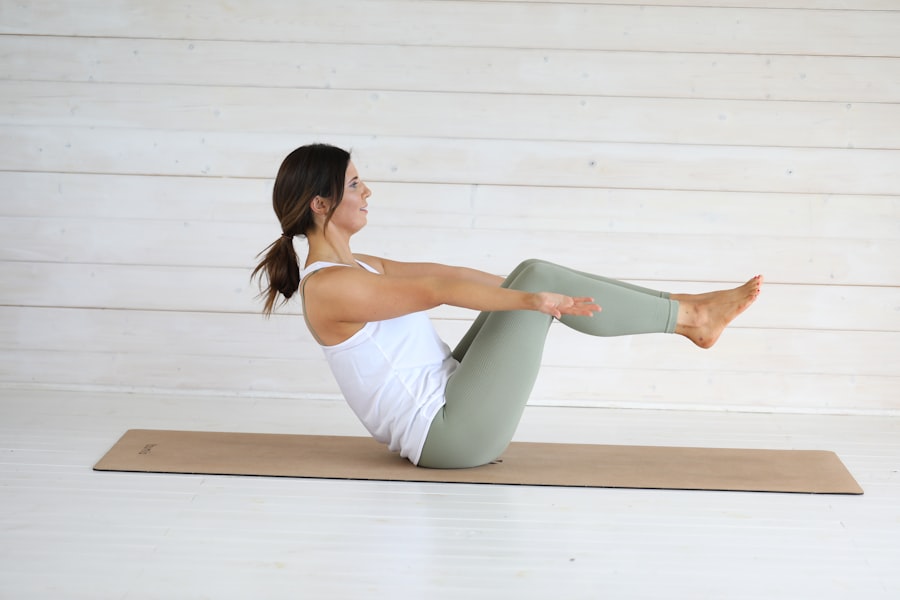
The good news is that you don’t need a specialized gym or complex equipment to improve your balance. Many effective exercises can be performed at home with minimal or no equipment. The key is consistency and gradually increasing the challenge as you get stronger. Always consult your doctor before beginning any new exercise program, especially if you have underlying health conditions.
Static Balance Exercises
These exercises focus on holding a steady position, challenging your ability to remain upright without moving.
Standing on One Leg
This is a fundamental balance exercise.
How to Perform:
Stand near a sturdy chair or counter for support. Lift one foot a few inches off the ground and hold the position for 30 seconds. Gradually increase the duration as you feel more stable. Repeat on the other leg.
Progression:
Once you can comfortably hold the pose for 30 seconds, try closing your eyes while standing on one leg (with support readily available). You can also try performing this on a slightly softer surface, like a folded towel or a yoga mat.
Tandem Stance (Heel-to-Toe Stand)
This exercise mimics walking a straight line and challenges your balance by narrowing your base of support.
How to Perform:
Stand with the heel of one foot directly in front of the toes of the other foot, as if you were walking a tightrope. Hold this position for 30 seconds, using a wall or chair for support if needed. Switch your lead foot and repeat.
Progression:
As you improve, aim to close your eyes for short periods while in the tandem stance. You can also try walking heel-to-toe in a straight line for a short distance.
Dynamic Balance Exercises
Dynamic exercises involve movement and challenge your balance while your body is in motion. These are particularly relevant to driving, which is inherently a dynamic activity.
Walking Heel-to-Toe
This is a more active version of the tandem stance.
How to Perform:
Walk in a straight line, placing the heel of your front foot directly in front of the toes of your back foot with each step. Focus on maintaining a steady gait and keeping your balance. Aim for 10-15 steps.
Progression:
Increase the distance you walk heel-to-toe. You can also try turning your head from side to side while walking in this manner to introduce an additional challenge to your balance system.
Leg Swings (Forward/Backward and Side-to-Side)
These movements engage your hip stabilizers and improve your ability to control your limbs while maintaining balance.
How to Perform:
Stand near a wall or chair for support. Keeping your standing leg slightly bent and your core engaged, swing one leg forward and backward in a controlled motion for 10-15 repetitions. Then, repeat the same swing motion from side to side. Switch legs and repeat both directions.
Progression:
Increase the number of repetitions. Try to make the swings larger or perform them without holding onto support, ensuring you have a stable surface nearby.
Tai Chi or Qi Gong
These ancient Chinese practices are renowned for their slow, deliberate movements and focus on breath and balance.
How to Perform:
Many community centers, senior living facilities, or online platforms offer Tai Chi or Qi Gong classes specifically designed for older adults. These classes will guide you through a series of flowing movements that systematically improve balance, coordination, and body awareness. The emphasis on mindful movement makes them exceptionally beneficial.
Progression:
Commit to attending classes regularly. As you become more familiar with the forms, you can practice them more frequently on your own. Exploring more advanced sequences within these practices can offer continuous challenges.
Exercises Incorporating Core Strength
A strong core is the bedrock of good balance. Integrating core strengthening into your routine will amplify the benefits of your balance exercises.
Bird-Dog
This exercise strengthens your core, back, and glutes while challenging your balance.
How to Perform:
Start on your hands and knees, with your hands directly under your shoulders and your knees under your hips. Engage your core and slowly extend your right arm forward and your left leg backward simultaneously, keeping your back straight and your hips level. Hold for a few seconds, then return to the starting position. Repeat with your left arm and right leg. Aim for 10-12 repetitions on each side.
Progression:
Increase the hold time for each repetition. Try to extend the arm and leg further. Focus on maintaining perfect stillness in your torso.
Plank Variations
Planks are excellent for building isometric core strength.
How to Perform:
Begin in a push-up position, but rest on your forearms instead of your hands. Keep your body in a straight line from head to heels, engaging your abdominal muscles. Hold for 20-30 seconds.
Progression:
Gradually increase the duration of your plank. You can also progress to side planks, which target different core muscles and further challenge your balance.
Integrating Exercises into Your Routine and Seeking Professional Guidance

Making balance exercises a regular part of your life is key to reaping their benefits. Remember that consistency is more important than intensity, especially when you’re starting.
Creating a Sustainable Exercise Schedule
The most effective exercise routine is one you can stick with.
Start Small and Gradually Increase
Begin with just 10-15 minutes of balance exercises a few times a week. As you feel more comfortable and your balance improves, you can start increasing the duration of your sessions and the frequency.
Combine Exercises for a Well-Rounded Routine
Don’t just stick to one type of exercise. Incorporate a mix of static and dynamic balance exercises, along with core strengthening, for optimal results. For example, you could dedicate one day to static balance, another to dynamic movements, and a third to incorporating core work.
Make it Enjoyable
Find activities you genuinely enjoy. If you dislike structured exercises, consider joining a group Tai Chi class, a gentle yoga session, or even dancing, all of which can enhance balance.
The Role of Healthcare Professionals
While home-based exercises are highly beneficial, seeking professional guidance can provide tailored advice and ensure you are exercising safely and effectively.
Consulting Your Doctor
Before starting any new exercise program, it is essential to discuss it with your doctor. They can assess your overall health, identify any potential risks, and provide recommendations based on your individual needs and any existing medical conditions.
Physical Therapists and Occupational Therapists
A physical therapist can design a personalized balance training program that addresses your specific limitations and goals. They can also teach you proper form and technique to maximize effectiveness and prevent injuries. An occupational therapist can assess your driving abilities more holistically and help you integrate balance improvements into your daily activities, including driving. They can identify specific driving challenges related to balance and provide strategies to overcome them.
When to Seek Advanced Assessment
If you have significant balance issues, experience frequent dizziness, or have a history of falls, a more comprehensive assessment by a healthcare professional, potentially including a neurologist or audiologist specializing in vestibular disorders, might be warranted to rule out underlying medical conditions.
For senior drivers, maintaining balance is crucial for safe driving. Engaging in regular balance exercises can significantly enhance stability and coordination, which are essential for navigating the roads confidently. If you’re interested in learning more about effective balance exercises tailored for seniors, you can read a related article on this topic at Explore Senior Health. This resource provides valuable insights and practical tips to help seniors improve their driving skills through better balance.
Conclusion: Proactive Steps for Continued Driving Independence
| Balance Exercises for Senior Drivers | Benefits |
|---|---|
| Standing on One Leg | Improves stability and coordination |
| Heel-to-Toe Walk | Enhances balance and gait |
| Leg Raises | Strengthens lower body muscles |
| Yoga or Tai Chi | Increases flexibility and reduces stress |
Maintaining the freedom and confidence that driving provides is a priority for many seniors. By understanding the intricate relationship between balance and driving, and by proactively incorporating targeted balance exercises into your routine, you can significantly enhance your safety on the road. These exercises are not about adding another burden; they are about investing in your continued independence, your well-being, and your ability to navigate the world with security and ease. Remember, a strong foundation begins with stable feet. By focusing on your balance, you are taking a powerful step towards ensuring your journey behind the wheel remains safe and enjoyable for years to come.
FAQs
What are balance exercises for senior drivers?
Balance exercises for senior drivers are specific physical activities designed to improve stability, coordination, and overall balance. These exercises can help seniors maintain their ability to drive safely by reducing the risk of falls and improving their confidence behind the wheel.
Why are balance exercises important for senior drivers?
As people age, their balance and coordination may decline, which can affect their ability to drive safely. Balance exercises can help senior drivers maintain their physical abilities, reduce the risk of accidents, and improve their overall driving performance.
What are some examples of balance exercises for senior drivers?
Examples of balance exercises for senior drivers include standing on one leg, heel-to-toe walking, tai chi, yoga, and using balance boards or stability balls. These exercises can help improve strength, flexibility, and coordination, which are all important for safe driving.
How often should senior drivers do balance exercises?
Senior drivers should aim to incorporate balance exercises into their regular physical activity routine. It is recommended to perform balance exercises at least 2-3 times per week, but ideally, they should be done daily to maintain and improve balance and coordination.
Are there any precautions to consider when doing balance exercises for senior drivers?
Before starting any new exercise program, senior drivers should consult with their healthcare provider to ensure that the exercises are safe and appropriate for their individual needs. It’s important to start slowly and gradually increase the intensity of the exercises to avoid injury. Additionally, having a support person or using assistive devices may be necessary for some balance exercises.