
You’re likely aware that your heart is a vital organ. Its consistent work keeps you alive, and maintaining its health is a sensible goal. Fortunately, you don’t need to break the bank or undertake extreme regimens to significantly improve your cardiovascular well-being. This article will guide you through practical and affordable strategies you can implement to give your heart the support it deserves.
Your dietary choices have a profound impact on your heart. The good news is that nourishing your cardiovascular system doesn’t require expensive specialty foods or elaborate meal preparation. Focusing on whole, unprocessed ingredients is the key to an affordable and effective heart-healthy diet.
Prioritizing Plant-Based Powerhouses
Incorporating more fruits, vegetables, legumes, and whole grains into your meals is one of the most impactful and budget-friendly ways to boost your heart health. These foods are packed with essential vitamins, minerals, fiber, and antioxidants that work synergistically to protect your cardiovascular system.
Budget-Friendly Fruits and Vegetables
You might associate heart-healthy eating with exotic berries or out-of-season produce, but many common and affordable options offer significant benefits.
- Seasonal Staples: Pay attention to what’s in season at your local grocery store or farmer’s market. Seasonal produce is often less expensive and at its peak flavor and nutritional value. Think apples and pears in the fall, citrus in the winter, and berries and melons in the summer.
- Frozen and Canned Versatility: Don’t overlook frozen or canned fruits and vegetables. They are often picked at their peak ripeness and flash-frozen or preserved, retaining most of their nutrients. Opt for options without added sugars or excessive sodium. Frozen berries are excellent for smoothies, and canned beans are a fantastic base for many dishes.
- Root Vegetables and Staples: Potatoes, sweet potatoes, carrots, onions, and cabbage are typically very affordable and versatile. They can be roasted, steamed, mashed, or added to soups and stews, providing valuable fiber and nutrients.
- Leafy Greens: While some specialty greens can be pricey, staples like spinach, kale, and romaine lettuce are often available at reasonable prices. Incorporate them into salads, sauté them as a side dish, or blend them into smoothies.
The Humble Legume: A Pocket-Friendly Protein and Fiber Source
Beans, lentils, and chickpeas are nutritional powerhouses that are incredibly cheap to buy, especially when purchased dried.
- Dried vs. Canned: Purchasing dried legumes is significantly more economical than buying canned versions. While they require soaking and longer cooking times, the cost savings are substantial. Plan ahead and soak a batch of beans or lentils at the beginning of the week.
- Versatile Ingredients: Legumes can be used in countless dishes. They are excellent in soups, stews, chili, salads, dips like hummus, and as a meat substitute in vegetarian or vegan meals. Their fiber content helps with satiety, which can aid in weight management, a crucial factor for heart health.
- Nutrient Density: Beyond fiber, legumes provide protein, iron, and magnesium, all important for cardiovascular function.
Whole Grains: Filling and Fortifying
Choosing whole grain options over refined grains is a simple switch that offers significant benefits.
- Oatmeal for Breakfast: Rolled oats or steel-cut oats are a very affordable and heart-healthy breakfast. They are rich in soluble fiber, which can help lower cholesterol levels. Avoid instant oatmeal packets that often contain added sugars and artificial ingredients.
- Brown Rice and Quinoa: Instead of white rice, opt for brown rice or quinoa. These are generally not prohibitively expensive and offer more fiber, vitamins, and minerals. Buy in bulk for further savings.
- Whole Wheat Bread and Pasta: When purchasing bread and pasta, look for 100% whole wheat or whole grain options. These provide more sustained energy and a greater fiber intake.
Smart Shopping Strategies for a Healthier Wallet and Heart
Making wise choices at the grocery store can significantly impact both your budget and your heart health.
Planning and Preparation are Key
- Meal Planning: Before you go shopping, plan your meals for the week. This helps you create a targeted shopping list, reducing impulse purchases of less healthy, more expensive convenience foods. It also ensures you utilize the ingredients you buy efficiently, minimizing waste.
- Grocery Lists: Stick to your grocery list. Most impulse buys are not the most nutrient-dense or the most economical choices.
- Cooking in Batches: Prepare larger quantities of staples like cooked grains, beans, or roasted vegetables. This saves time during busy weeknights and provides healthy options for quick lunches or additions to meals.
Navigating the Store Strategically
- Perimeter Shopping: The freshest and often most affordable ingredients are typically found around the perimeter of the grocery store (produce, dairy, lean meats). The inner aisles often house processed, more expensive, and less healthy options.
- Store Brands: Don’t shy away from store brands. Many offer comparable quality to name brands at a lower price point, especially for staples like canned goods, dried pasta, and frozen vegetables.
- Bulk Buying: For non-perishable items you use regularly, such as dried beans, lentils, oats, and whole grains, consider buying in bulk. This can offer significant cost savings over time, but ensure you have adequate storage space.
Improving heart health doesn’t have to break the bank, and there are numerous strategies that can be implemented on a budget. For those looking for practical tips and resources, a related article can be found at Explore Senior Health, which provides valuable insights on maintaining cardiovascular wellness without overspending. By incorporating simple lifestyle changes, such as eating a balanced diet rich in fruits and vegetables, engaging in regular physical activity, and managing stress effectively, individuals can significantly enhance their heart health while keeping their finances in check.
The Power of Movement: Affordable Ways to Get Your Heart Pumping
You don’t need a fancy gym membership or expensive exercise equipment to reap the benefits of physical activity for your heart. Consistent, moderate exercise is highly effective and can be integrated into your daily life for minimal cost.
Embracing Everyday Activities
Many of the most beneficial forms of exercise are readily available and cost nothing.
Walking: Your Undeniable Ally
- Accessibility: Walking is perhaps the most accessible and affordable form of exercise. All you need is a comfortable pair of shoes and a safe place to walk.
- Consistency is Key: Aim for at least 30 minutes of brisk walking most days of the week. You can break this up into shorter sessions if needed throughout the day.
- Incorporating it into Your Routine: Walk to work or a portion of your commute, take the stairs instead of the elevator, park further away from your destination, or go for a walk during your lunch break. Even short bursts of walking add up.
- Exploring Your Surroundings: Walking also provides an opportunity to explore your local environment, discover new parks, or simply enjoy some fresh air.
Cycling: A Breath of Fresh Air
- Initial Investment, Long-Term Savings: While there’s an initial cost for a bicycle, the benefits and long-term cost savings compared to gym memberships or vehicle use for short trips can be substantial. Look for used bikes in good condition to further reduce the initial outlay.
- Cardiovascular Benefits: Cycling is an excellent cardio workout that strengthens your heart and lungs, improves circulation, and can help manage weight.
- Commuting and Recreation: Use your bike for short errands, commuting to work or school, or simply for leisure rides in parks or on designated trails.
Home-Based Fitness Solutions
You can create an effective workout routine without ever leaving your house.
Bodyweight Exercises: Your Built-In Gym
- No Equipment Needed: Exercises like push-ups, squats, lunges, planks, and jumping jacks utilize your own body weight for resistance. These exercises target major muscle groups and significantly contribute to cardiovascular health when performed with proper form and intensity.
- Progressive Overload: As you get stronger, you can make these exercises more challenging by increasing repetitions, sets, or reducing rest times. You can also explore variations of these basic movements.
- Online Resources: The internet is brimming with free resources, including videos and workout plans, that demonstrate proper form and guide you through various bodyweight routines.
Dancing: Fun and Functional
- Joyful Cardio: Dancing is a fantastic way to get your heart rate up while having fun. You don’t need formal dance training; simply put on your favorite music and move.
- Variety of Styles: Explore different dance styles at home. Whether it’s Zumba, hip-hop, or even just free-form movement to upbeat music, the cardiovascular benefits are substantial.
- Online Classes: Many free or affordably priced online dance classes are available, offering structured routines and guidance.
Maximizing Your Movement
- Consistency Over Intensity: For most people, consistent moderate exercise is more beneficial for long-term heart health than sporadic, high-intensity workouts. Aim for regularity.
- Listen to Your Body: Pay attention to how your body feels. If you experience pain, stop and rest. Gradually increase the intensity or duration of your workouts as your fitness improves.
- Social Support: Exercising with a friend or family member can provide motivation and accountability, making it more likely you’ll stick with your routine. This can also be a free shared activity.
Prioritizing Sleep: An Underrated Pillar of Heart Health
Adequate and quality sleep is not a luxury; it’s a fundamental component of good health, including cardiovascular health. While you can’t directly “buy” better sleep, you can implement affordable strategies to improve your sleep hygiene and foster more restorative rest.
Creating a Conducive Sleep Environment
Your bedroom environment plays a significant role in the quality of your sleep.
The Power of Darkness and Quiet
- Blackout Curtains: Invest in affordable blackout curtains if streetlights or ambient light disrupt your sleep. Even simple, dark-colored drapes can make a noticeable difference.
- Earplugs: If noise is an issue, earplugs are a very inexpensive solution to create a quieter sleeping space.
- Consistent Temperature: Most people sleep best in a cool room. Ensure your bedroom is a comfortable temperature without relying on expensive air conditioning if possible. Utilize fans or open windows when appropriate.
Optimizing Your Bedding
- Comfortable Mattress and Pillows: While a new mattress can be a significant expense, focusing on comfortable pillows and ensuring your existing mattress is still supportive can improve sleep quality without a major overhaul.
- Clean Linens: Regularly washing your sheets and pillowcases contributes to a more hygienic and comfortable sleeping environment, which can indirectly improve sleep.
Establishing Healthy Sleep Habits
Your daily routines and pre-sleep rituals have a profound impact on your ability to fall asleep and stay asleep.
Consistent Sleep Schedule
- Regular Bedtime and Wake-Up Time: Aim to go to bed and wake up around the same time each day, even on weekends. This helps regulate your body’s natural sleep-wake cycle, known as the circadian rhythm.
- Gradual Adjustments: If you need to shift your sleep schedule, do so gradually by adjusting your bedtime by 15-30 minutes every few days.
Wind-Down Routine
- Disconnect from Screens: The blue light emitted from electronic devices like smartphones, tablets, and computers can interfere with melatonin production, a hormone essential for sleep. Aim to stop using these devices at least an hour before bed.
- Relaxing Activities: Engage in calming activities before sleep. This could include reading a physical book, taking a warm bath, listening to calming music, gentle stretching, or meditation.
- Avoid Heavy Meals and Caffeine Before Bed: Consuming large meals or caffeine-rich beverages close to bedtime can disrupt your sleep.
The Role of Lifestyle Choices
Certain lifestyle factors extend beyond the bedroom but significantly impact sleep.
Mindful Consumption
- Limit Alcohol Intake: While alcohol might initially make you feel drowsy, it disrupts sleep later in the night, leading to fragmented and less restorative rest.
- Hydration Management: Drink plenty of fluids throughout the day, but try to reduce your intake in the hours leading up to bedtime to avoid waking up frequently to use the restroom.
Stress Management
- Stress and Sleep are Interconnected: Chronic stress is a major disruptor of sleep. If you struggle with managing stress, explore affordable techniques like deep breathing exercises, mindfulness, or journaling.
Mastering Stress: Affordable Techniques for a Calmer Heart

Chronic stress can have detrimental effects on your heart health, leading to elevated blood pressure, increased risk of heart disease, and other cardiovascular issues. Fortunately, there are numerous accessible and cost-effective ways to manage stress.
Mindfulness and Meditation: Cultivating Inner Peace
These practices are powerful tools for reducing stress and promoting relaxation, and they require no special equipment or financial investment.
Basic Mindfulness Techniques
- Mindful Breathing: Simply focus on your breath. Notice the sensation of air entering and leaving your nostrils, the rise and fall of your chest. When your mind wanders, gently guide it back to your breath without judgment. You can do this for just a few minutes at a time, anywhere, anytime.
- Body Scan Meditation: Lie down or sit comfortably and bring your attention to different parts of your body, noticing any sensations without trying to change them. This practice helps you become more aware of physical tension caused by stress.
- Mindful Observation: Pay attention to your surroundings with all your senses. Notice the colors, sounds, smells, and textures around you. This grounds you in the present moment and pulls you away from ruminating thoughts.
Guided Meditations and Apps
- Free Online Resources: Numerous websites and YouTube channels offer free guided meditations for various purposes, including stress reduction, relaxation, and sleep.
- Affordable Apps: Many meditation apps offer free trial periods or have free versions with a selection of guided meditations. These can be a valuable resource for structured practice.
Leveraging Nature and Physical Activity
The natural world and physical movement are potent stress relievers.
Spending Time Outdoors
- Nature Walks: Even a short walk in a local park or green space can work wonders for stress reduction. The sights, sounds, and smells of nature have a calming effect.
- Gardening: If you have access to even a small outdoor space, gardening can be a therapeutic activity that connects you with nature and provides a sense of accomplishment.
- Simply Sitting Outside: Find a comfortable spot outdoors, perhaps on a park bench or your own porch, and simply be present. Observe your surroundings without any agenda.
The Calming Effect of Movement
- Gentle Stretches and Yoga: Many yoga poses and stretches can be performed at home with no equipment. Yoga not only releases physical tension but also promotes mental relaxation. Look for beginner-friendly routines online.
- Leisurely Walks or Bike Rides: As mentioned previously, activities that get your body moving can effectively dissipate stress hormones and improve your mood.
Creative Outlets and Social Connection
Engaging in enjoyable activities and maintaining social connections are crucial for stress management.
Pursuing Hobbies
- Creative Expression: Engage in activities you find enjoyable and that allow for creative expression, such as drawing, painting, writing, knitting, or playing a musical instrument. These can be very cathartic.
- Reading: Getting lost in a good book can be a wonderful escape from daily stressors. Visit your local library for a virtually endless and free supply of reading material.
Nurturing Social Bonds
- Connecting with Loved Ones: Spending quality time with supportive friends and family can significantly reduce feelings of stress and isolation. Schedule regular calls, video chats, or in-person meetups.
- Joining Community Groups: Participating in local community groups or clubs that align with your interests can provide a sense of belonging and offer opportunities for social interaction.
Improving heart health doesn’t have to break the bank, and there are many practical strategies you can adopt to maintain a healthy lifestyle on a budget. For instance, incorporating more fruits and vegetables into your diet can be both affordable and beneficial. Additionally, engaging in regular physical activity, such as walking or home workouts, can significantly enhance your cardiovascular health without requiring a gym membership. If you’re looking for more tips on maintaining heart health while being mindful of your finances, you might find this article on senior health particularly helpful.
Regular Check-ups and Proactive Monitoring: Investing Wisely in Your Heart’s Future
| Metrics | Recommendations |
|---|---|
| Diet | Eat more fruits, vegetables, and whole grains. Limit processed foods and saturated fats. |
| Exercise | Engage in regular physical activity such as walking, cycling, or swimming for at least 30 minutes a day. |
| Stress Management | Practice relaxation techniques like deep breathing, meditation, or yoga to reduce stress levels. |
| Smoking | Avoid smoking and exposure to secondhand smoke to protect your heart health. |
| Regular Check-ups | Visit your healthcare provider for regular check-ups and screenings to monitor your heart health. |
While frequent doctor visits can seem like an expense, proactive monitoring and regular check-ups are an essential and ultimately cost-saving investment in your long-term heart health. Catching potential issues early can prevent more serious and expensive complications down the line.
Leveraging Preventive Healthcare
Preventive care is designed to identify risks and intervene before serious health problems develop.
Understanding Your Numbers
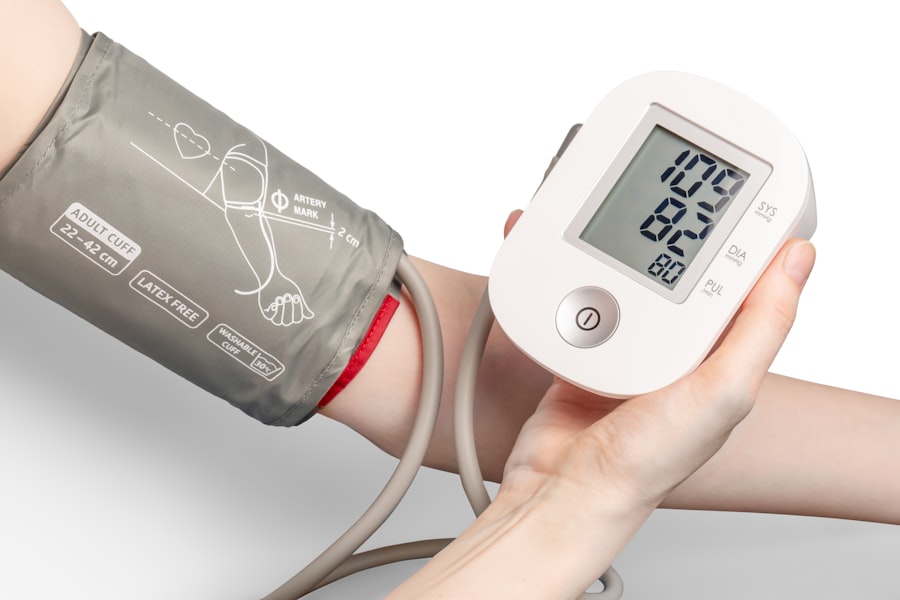
- Blood Pressure Monitoring: High blood pressure is a major risk factor for heart disease, and it often has no symptoms. Knowing your blood pressure readings is crucial. Many pharmacies offer free blood pressure checks, or you can invest in an affordable home blood pressure monitor for regular self-monitoring.
- Cholesterol Screening: Your doctor can perform simple blood tests to check your cholesterol levels. Elevated cholesterol can lead to plaque buildup in arteries. Discuss your results with your doctor to understand your personal risk.
- Blood Sugar Levels: Diabetes is a significant risk factor for heart disease. Regular blood sugar checks, especially if you have risk factors, are important.
Annual Physicals and Screenings
- The Importance of the Annual Check-up: Your annual physical is an opportunity to discuss any concerns with your doctor, get screened for common health issues, and receive personalized advice. Many insurance plans cover preventive care visits at no or low cost.
- Family History: Be sure to discuss your family history of heart disease with your doctor. This information can help them assess your individual risk more accurately.
Advocating for Yourself with Healthcare Providers
You are an active participant in your healthcare journey.
Open Communication
- Ask Questions: Don’t hesitate to ask your doctor questions about your health, your test results, and any recommended treatments or lifestyle changes. Understanding your health empowers you to make better decisions.
- Discuss Affordability: If you have concerns about the cost of medications, tests, or treatments, have an open and honest conversation with your doctor or their staff. They may be able to suggest more affordable alternatives or resources.
Utilizing Public Health Resources
- Community Health Centers: For those without insurance or with high deductibles, community health centers often offer a sliding scale fee structure based on income, making healthcare more accessible.
- Local Health Department Programs: Your local health department may offer free or low-cost screenings for blood pressure, cholesterol, and diabetes.
By incorporating these affordable strategies into your life, you can take significant and sustainable steps towards a healthier heart. Remember, consistency and a focus on practical, accessible choices are your most powerful allies. Your heart will thank you for it.
FAQs
1. What are some affordable ways to improve heart health?
There are several budget-friendly ways to improve heart health, including eating a balanced diet with plenty of fruits, vegetables, and whole grains, engaging in regular physical activity, managing stress, and avoiding tobacco products.
2. How can I eat a heart-healthy diet on a budget?
To eat a heart-healthy diet on a budget, focus on purchasing affordable staples such as beans, lentils, and whole grains. Buying in-season fruits and vegetables, and opting for frozen or canned options can also help save money while still providing essential nutrients.
3. What types of physical activity can improve heart health without breaking the bank?
Engaging in physical activities such as walking, jogging, cycling, or using workout videos at home can improve heart health without the need for expensive gym memberships or equipment. Additionally, incorporating activities like gardening or dancing can also be beneficial and cost-effective.
4. Are there any free resources available to help improve heart health?
Yes, there are several free resources available to help improve heart health, including online workout videos, community exercise classes, and educational materials on heart-healthy eating and lifestyle habits. Many local health departments and non-profit organizations also offer free or low-cost health screenings and educational events.
5. How can managing stress and avoiding tobacco products improve heart health on a budget?
Managing stress through techniques such as deep breathing, meditation, or yoga can be done at little to no cost and can have a positive impact on heart health. Additionally, avoiding tobacco products not only saves money on purchasing cigarettes or other tobacco items but also reduces the risk of heart disease and other related health issues.