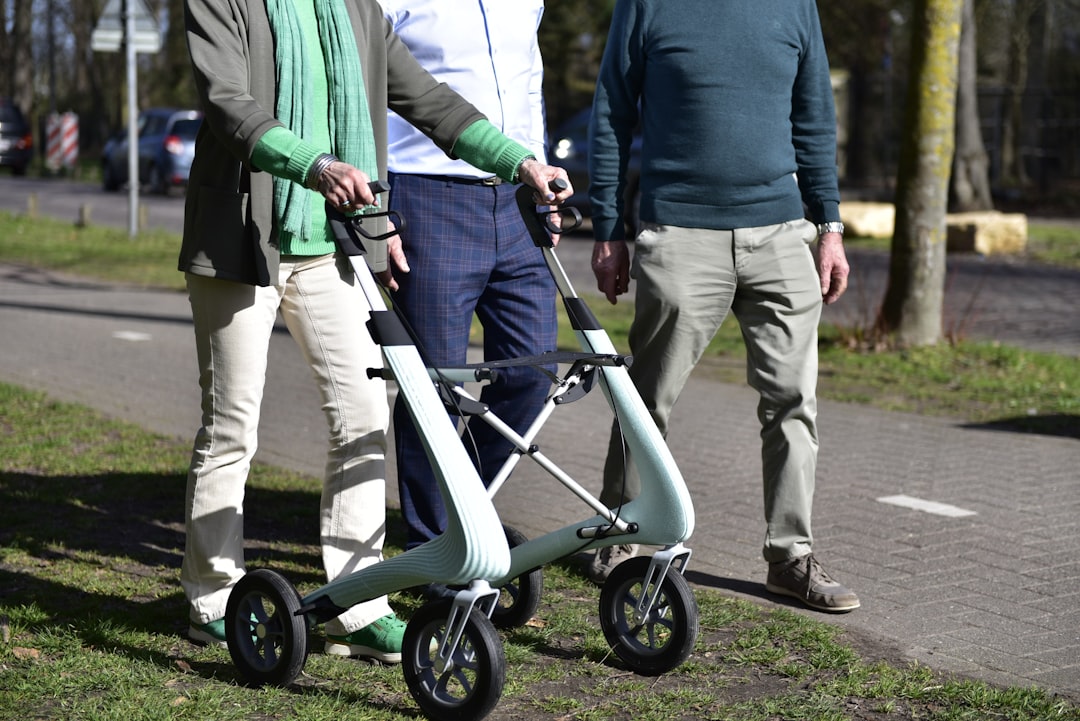
You are navigating a new phase of life, one where maintaining your independence is paramount. This isn’t about clinging to the past, but about proactively cultivating a lifestyle that supports your continued ability to live life on your own terms. This journey involves a multifaceted approach, weaving together physical well-being, mental acuity, social connection, and environmental considerations. It’s about making conscious choices that empower you, day by day, to remain in control of your life and your surroundings.
Your body is your primary vehicle for independence. Keeping it strong and resilient allows you to engage in daily activities, pursue your interests, and navigate your environment with confidence. This isn’t about achieving peak athletic performance, but about preserving mobility, strength, and balance to prevent falls and the subsequent loss of autonomy.
The Cornerstone of Movement: Regular Physical Activity
Embracing a consistent exercise regimen is not merely a suggestion; it’s a fundamental requirement for maintaining your physical independence. The type and intensity of your activity should be tailored to your current fitness level and any existing physical limitations.
Strength Training for Daily Tasks
Maintaining muscle mass is crucial. As you age, sarcopenia, the age-related loss of muscle mass, can significantly impact your ability to perform everyday tasks. Simple strength training exercises, even those using bodyweight or light resistance bands, can make a profound difference. Think about the movements you perform daily: lifting groceries, getting out of a chair, carrying laundry. Strengthening the muscles used in these actions directly translates to sustained independence. You might focus on exercises like squats (even modified to using a sturdy chair), lunges, bicep curls with light weights or cans of food, and exercises that strengthen your core, which is vital for balance and stability. Consistency is key; even two to three sessions per week can yield significant benefits.
The Importance of Balance and Flexibility
Falls are a leading cause of injury and loss of independence for seniors. Therefore, prioritizing balance exercises is not optional. Tai Chi, for instance, is renowned for its ability to improve balance, coordination, and mindfulness. Yoga, with its focus on stretching and controlled movements, also enhances flexibility and proprioception – your body’s sense of its position in space. Even simple exercises like standing on one foot for a designated period, heel-to-toe walking, or side leg raises can contribute to a more stable foundation. Don’t underestimate the power of stretching to maintain a full range of motion in your joints. Stiff joints can limit your ability to reach, bend, and move freely, hindering your independence. Incorporating gentle stretching routines into your day, perhaps after a walk or before bed, can keep your body feeling more supple and responsive.
Cardiovascular Health for an Active Life
A healthy cardiovascular system fuels your entire body, providing the energy needed for daily activities and preventing fatigue. Regular aerobic exercise, such as brisk walking, swimming, or cycling, strengthens your heart and lungs, improving stamina and endurance. Aim for at least 150 minutes of moderate-intensity aerobic activity per week, or 75 minutes of vigorous-intensity activity. Even short bursts of activity throughout the day can be beneficial. A brisk 15-minute walk after breakfast, followed by another 15-minute walk in the afternoon, can contribute significantly to your overall cardiovascular health and, by extension, your independence.
The Role of Nutrition in Physical Resilience
What you consume directly impacts your body’s ability to function and repair itself. A balanced diet rich in essential nutrients is vital for maintaining energy levels, supporting muscle health, and preventing chronic diseases that can compromise your independence.
Protein for Muscle Maintenance
Adequate protein intake is critical for preserving muscle mass. Ensure you are including lean protein sources in your meals, such as poultry, fish, beans, lentils, and dairy products. This provides the building blocks your muscles need to repair and rebuild, counteracting the natural decline that occurs with age.
Calcium and Vitamin D for Bone Strength
Osteoporosis is a significant concern, increasing the risk of fractures. Ensure you are getting enough calcium and Vitamin D through your diet or supplements to maintain strong bones. Dairy products, leafy green vegetables, and fortified foods are good sources of calcium. Sunlight exposure is also a primary source of Vitamin D, but it’s important to be mindful of sun safety.
Hydration: A Simple Yet Crucial Element
Dehydration can lead to fatigue, confusion, and a decline in physical performance, all of which can impact your independence. Make a conscious effort to drink plenty of water throughout the day. Keep a water bottle with you and sip regularly, especially during and after physical activity.
Staying independent as a senior is essential for maintaining a sense of autonomy and well-being. One effective approach is to focus on natural methods that promote physical and mental health. For more insights on this topic, you can read a related article that offers practical tips and strategies to enhance independence in later life. Check it out here: Explore Senior Health.
Cultivating Mental Agility and Emotional Well-being
Your mental and emotional state are just as crucial as your physical health in maintaining independence. A sharp mind allows you to make sound decisions, manage your affairs, and adapt to changing circumstances. Emotional resilience helps you navigate challenges and maintain a positive outlook, which is fundamental to enjoying your life and staying engaged.
The Power of Lifelong Learning and Cognitive Engagement
Keeping your brain active and challenged is key to preserving cognitive function. This isn’t about achieving academic excellence, but about nurturing curiosity and engaging in activities that stimulate your mind.
Engaging Your Brain with Hobbies and Interests
Pursue hobbies that require mental effort and problem-solving. This could be anything from learning a new language, playing a musical instrument, doing crossword puzzles, coding, or engaging in complex craft projects. The act of learning something new, mastering a new skill, or working through a challenge provides significant cognitive stimulation. When you’re learning a new language, for instance, you’re not just memorizing words; you’re engaging with grammar, sentence structure, and cultural nuances, all of which create new neural pathways.
The Benefits of Reading and Puzzles
Regular reading exposes you to new ideas, vocabulary, and perspectives, keeping your mind supple. Whether it’s fiction, non-fiction, or even engaging newspaper articles, the act of processing information and following narratives strengthens your comprehension and memory. Brain-teaser puzzles, logic games, and strategy games are also excellent tools for honing problem-solving skills and critical thinking. These activities train your brain to identify patterns, make connections, and recall information effectively.
Staying Informed and Connected Digitally
In today’s world, digital literacy is increasingly important for independence. Learning to use a computer, smartphone, or tablet allows you to access information, manage finances, connect with loved ones, and utilize online services. Many libraries and community centers offer free classes for seniors to help them acquire these skills. Staying informed about current events through reliable sources also keeps you connected to the world and empowers you to make informed decisions.
Nurturing Emotional Resilience and Well-being
Emotional well-being is the bedrock of a fulfilling and independent life. It’s about your ability to cope with stress, adapt to adversity, and maintain a sense of purpose and contentment.
The Importance of Stress Management Techniques
Chronic stress can have a detrimental impact on both your mental and physical health, potentially undermining your independence. Learning and practicing effective stress management techniques is essential. This could include deep breathing exercises, mindfulness meditation, progressive muscle relaxation, or journaling. Finding what works for you and incorporating these practices into your routine can help you navigate life’s inevitable challenges with greater equanimity.
Cultivating a Positive Outlook and Gratitude
While this is not about unrealistically positive thinking, actively cultivating a sense of gratitude and a more optimistic outlook can significantly influence your well-being. Focusing on the good things in your life, however small, can shift your perspective and enhance your resilience. Keeping a gratitude journal, where you list things you are thankful for each day, can be a powerful practice.
Seeking Support When Needed
Recognizing when you need help and being willing to ask for it is a sign of strength, not weakness. This applies to both emotional support and practical assistance. Don’t hesitate to reach out to trusted friends, family members, or mental health professionals if you are struggling with feelings of anxiety, depression, or loneliness. Addressing these issues proactively is crucial for maintaining your overall well-being and independence.
The Power of Social Connection
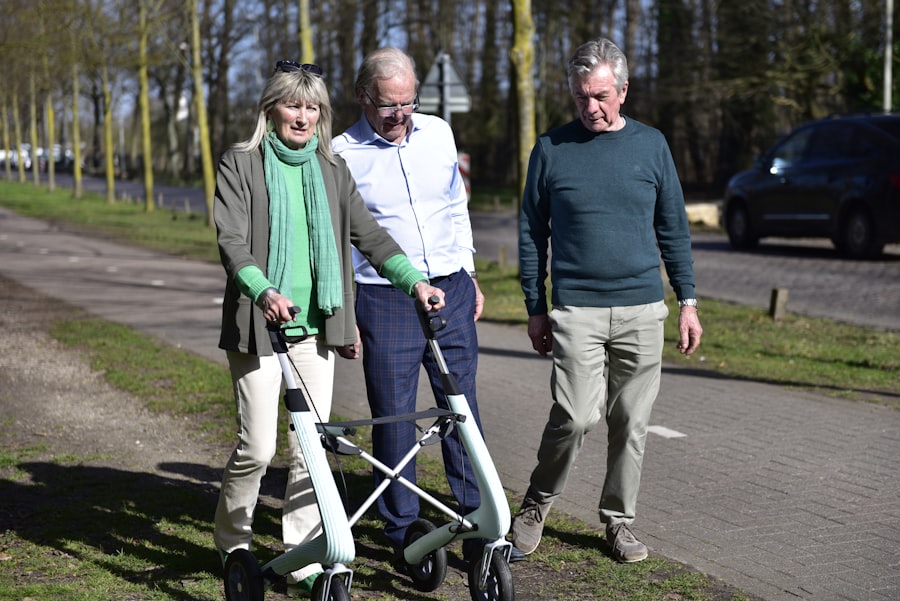
Isolation can be a silent thief of independence. Maintaining strong social connections provides emotional support, reduces feelings of loneliness, and keeps you engaged with the world around you.
Building and Maintaining Your Social Network
Your social network is a vital support system. It’s important to actively cultivate and nurture these relationships.
Staying Connected with Friends and Family
Regular communication with friends and family is paramount. This can involve phone calls, video chats, emails, or in-person visits. Make an effort to schedule regular catch-ups, even if they are brief. These connections provide a sense of belonging and emotional security that underpins your independence.
Engaging in Community Activities and Groups
Participating in local community events, clubs, or volunteer organizations offers opportunities to meet new people and build new friendships. Look for groups that align with your interests, whether it’s a book club, a gardening group, a walking club, or a local historical society. These activities provide a sense of purpose and belonging, combatting isolation.
The Benefits of Shared Interests and Activities
Shared interests are natural conversation starters and provide common ground for building relationships. If you enjoy knitting, join a knitting circle. If you love history, find a local history group. Engaging in activities with others who share your passions creates a stronger bond and makes it easier to maintain ongoing connections.
Volunteering Your Time and Skills
Volunteering not only benefits others but also provides you with a sense of purpose and can lead to new social interactions. Consider volunteering for an organization that aligns with your values or offers opportunities to use your existing skills. This keeps you active, engaged, and connected to your community.
Adapting Your Environment for Safety and Accessibility
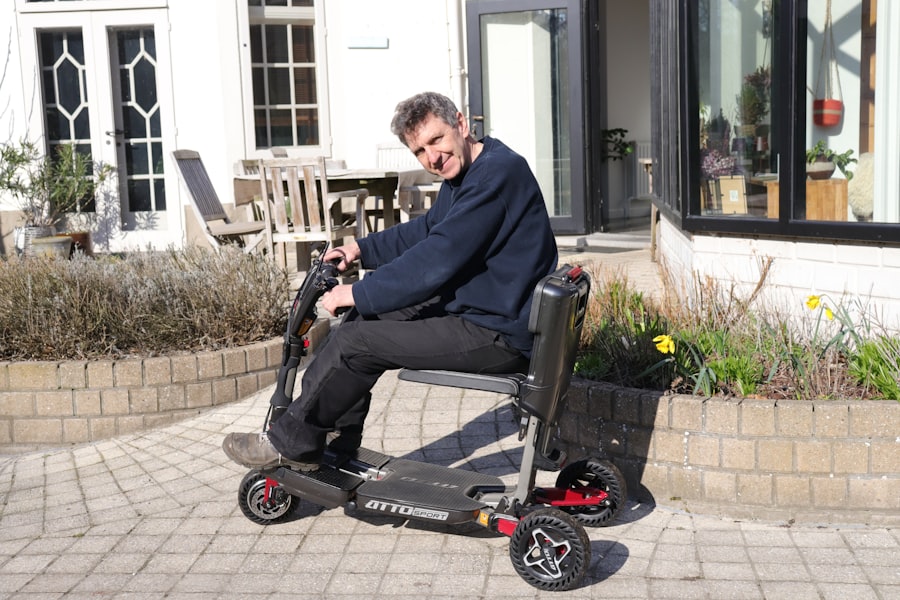
Your home environment plays a significant role in your ability to live independently. Making thoughtful adjustments can enhance safety, improve accessibility, and reduce the risk of accidents.
Creating a Safe and Accessible Living Space
Your home should be a sanctuary that supports your independence, not a place that presents obstacles.
Addressing Potential Fall Hazards
Tripping hazards are a primary concern for home safety. Secure loose rugs, remove clutter from walkways, and ensure adequate lighting in all areas, especially stairwells and hallways. Consider installing non-slip mats in bathrooms and kitchens.
Enhancing Lighting and Visibility
Poor lighting can lead to disorientation and increase the risk of falls. Ensure that all rooms are well-lit, with easy-to-reach light switches. Consider installing motion-sensor lights in hallways or bathrooms for added convenience and safety.
Modifying Bathrooms for Safety and Ease
The bathroom is a high-risk area for falls. Installing grab bars in the shower or next to the toilet can provide crucial support. Walk-in showers or shower chairs can make bathing safer and more comfortable. Consider non-slip flooring and raised toilet seats for added accessibility.
Kitchen Accessibility and Organization
Ensure that frequently used items in the kitchen are within easy reach to avoid unnecessary stretching or bending. Consider organizing your pantry and cabinets logically. If you have difficulty with fine motor skills, consider adaptive kitchen tools.
Considering Future Needs: Smart Home Technology
As technology advances, smart home devices can offer significant benefits for senior independence. Smart thermostats, voice-activated assistants for controlling lights and appliances, and home monitoring systems can enhance safety and convenience, allowing you to remain in your home for longer.
Staying independent as a senior is essential for maintaining a fulfilling lifestyle, and there are many natural ways to achieve this goal. Engaging in regular physical activity, nurturing social connections, and focusing on a balanced diet can significantly enhance overall well-being. For additional insights on this topic, you might find it helpful to explore a related article that offers practical tips and strategies for seniors. You can read more about it in this informative resource that emphasizes the importance of independence in later years.
Proactive Health Management and Preparedness
| Tip | Description |
|---|---|
| Stay Active | Engage in regular physical activity to maintain strength and flexibility. |
| Healthy Diet | Eat a balanced diet rich in fruits, vegetables, whole grains, and lean proteins. |
| Socialize | Maintain social connections to prevent isolation and depression. |
| Regular Check-ups | Visit healthcare providers for regular check-ups and screenings. |
| Home Safety | Ensure a safe living environment by removing hazards and installing grab bars if needed. |
Taking a proactive approach to your health and being prepared for potential challenges are essential components of maintaining long-term independence.
Regular Health Check-ups and Screenings
Consistent medical care is not just about treating illness; it’s about preventing it and managing existing conditions effectively.
The Importance of Routine Medical Appointments
Don’t postpone your regular doctor’s appointments. These visits are crucial for monitoring your health, detecting potential issues early, and adjusting treatment plans as needed. Communicate openly with your doctor about any concerns or changes you notice in your physical or mental well-being.
Understanding and Managing Medications
If you are taking multiple medications, it’s vital to understand their purpose, dosage, and potential side effects. Consider using a pill organizer, setting reminders, or asking your pharmacist for assistance to ensure you are taking your medications correctly. This reduces the risk of errors that could impact your health and independence.
Vision and Hearing Checks
Maintaining good vision and hearing is essential for safety and social engagement. Regular check-ups can identify and address issues such as cataracts, glaucoma, or hearing loss, allowing you to continue interacting with your environment and loved ones effectively.
Planning for Potential Challenges
Anticipating and preparing for potential challenges can provide peace of mind and ensure that you can continue to live independently, even if unexpected events occur.
Creating an Emergency Plan
Have a clear plan in place for emergencies. This includes having a reliable way to contact emergency services and designating trusted individuals who can check on you or assist in an emergency. Ensure your emergency contact information is readily accessible.
Having a Support Network for Practical Tasks
Identify individuals within your existing network or community who can assist with practical tasks when needed, such as grocery shopping, yard work, or transportation. Building these relationships proactively can provide invaluable support.
Exploring Assistive Devices and Technologies
Familiarize yourself with assistive devices and technologies that can aid with daily living. This could range from simple tools like long-handled reachers to more advanced systems. The goal is to maintain your ability to perform tasks rather than becoming dependent on others.
By embracing these strategies, you are not simply aging; you are actively cultivating a life of continued independence, engagement, and fulfillment. This journey is about empowerment, about making informed choices that allow you to live life on your own terms, for as long as possible.
FAQs
1. What are some natural ways for seniors to stay independent?
Some natural ways for seniors to stay independent include staying physically active, eating a healthy diet, staying socially connected, and practicing good sleep habits.
2. How does physical activity help seniors stay independent?
Physical activity helps seniors stay independent by improving strength, balance, and flexibility, which can reduce the risk of falls and maintain overall mobility.
3. What role does a healthy diet play in senior independence?
A healthy diet plays a crucial role in senior independence by providing essential nutrients that support overall health, energy levels, and cognitive function.
4. Why is social connection important for seniors’ independence?
Social connection is important for seniors’ independence as it can help prevent feelings of isolation, depression, and cognitive decline, while also providing a support network for practical needs.
5. How can good sleep habits contribute to senior independence?
Good sleep habits contribute to senior independence by supporting overall physical and mental health, improving cognitive function, and reducing the risk of accidents or injuries.