Deciding to undertake ground grading for improved home access is a significant decision, often driven by necessity rather than choice. Whether you’re planning for long-term accessibility or addressing immediate needs, understanding the tax implications can help offset some of the financial burden. This article will guide you through the key aspects of claiming tax deductions for home access ground grading, focusing on what you need to know to maximize your claim.
Medical Expenses and Accessibility Modifications: A Crucial Connection
The Internal Revenue Service (IRS) and other tax authorities often view modifications made to your home for medical reasons as deductible expenses. Ground grading for improved home access can fall under this umbrella, provided certain criteria are met. It’s crucial to establish a clear link between the grading work and a medical necessity.
Defining “Medical Expenses” for Tax Purposes
You need to understand how tax regulations define “medical expenses.” Generally, these are costs paid for the diagnosis, cure, mitigation, treatment, or prevention of disease, or for treatments affecting any structure or function of the body. For home modifications, the key is whether the expenditure is for the purpose of “medical care.”
Diagnostic Procedures and Their Impact
While ground grading itself isn’t a diagnostic procedure, it can be a direct consequence of one. If a physician recommends changes to your home to accommodate a chronic illness, a disability, or an injury that affects your mobility, these recommendations form the basis for a medical expense deduction. Keep meticulous records of all diagnostic reports and physician’s notes that support your need for accessibility modifications.
Treatments Affecting Bodily Function
Ground grading that improves your ability to move in and out of your home, to access different levels, or to utilize essential facilities directly impacts the function of your body, particularly concerning mobility. This connection is vital for substantiating your claim.
For homeowners looking to improve accessibility, understanding tax deductions for grading ground can be crucial. An informative article on this topic can be found at Explore Senior Health, which discusses various home modifications that may qualify for tax benefits. This resource provides valuable insights into how grading and landscaping can not only enhance safety and accessibility but also potentially reduce tax liabilities for homeowners.
Documenting the Medical Necessity: Your Paper Trail is Key
The cornerstone of claiming any tax deduction, especially for home modifications, is comprehensive documentation. Without it, your claim may be denied. You need to prove, with evidence, that the ground grading was medically necessary.
Physician’s Letter of Necessity: A Non-Negotiable Requirement
Almost universally, tax authorities will require a letter from your physician or other qualified medical practitioner stating that the ground grading was recommended for medical reasons. This letter should be specific and clearly outline the medical condition being addressed and how the grading project alleviates its impact on your daily life.
Specificity in the Physician’s Letter
A generic statement claiming you need better access won’t suffice. The letter should detail your specific condition (e.g., arthritis, paraplegia, post-surgery recovery), the functional limitations it imposes (e.g., difficulty with inclines, steps, uneven terrain), and precisely how the ground grading will improve your ability to navigate your home entrance and surrounding areas.
Date and Practitioner’s Credentials
Ensure the letter is dated and includes the full name, address, medical license number, and specialty of the prescribing physician. This verifies the legitimacy of the recommendation.
Medical Records: Supporting the Diagnosis
In addition to the letter of necessity, your medical records are crucial for substantiating the underlying medical condition. These records will provide the detailed history and diagnosis that the physician’s letter references.
Privacy Considerations and Consent
You will need to provide consent for the release of relevant medical information for tax purposes. Understand the privacy regulations in your jurisdiction and ensure you are compliant.
Relevant Information in Medical Records
Focus on records that detail diagnoses, functional limitations, treatment plans that involve home modifications, and any other notes by healthcare professionals that support the need for improved accessibility.
Understanding What Costs Qualify for Deduction
When it comes to ground grading, not every expense associated with the project might be fully deductible. It’s essential to differentiate between costs that are directly related to the medical necessity and those that may be considered improvements to your property for other reasons.
Direct Costs of Ground Grading for Accessibility
These are the primary expenses you’ll be looking to deduct. This includes the cost of labor for excavating, leveling, or creating gentle slopes to improve access. It also encompasses the cost of materials directly used in the grading process, such as soil, gravel, or retaining walls specifically installed to create accessible pathways.
Excavation and Material Costs
The cost of hiring contractors to perform the necessary excavation, to bring in and spread soil or gravel to create a smoother, more level pathway, are considered direct costs. The purchase of materials like fill dirt, compacted gravel, or any other substances used to establish an accessible gradient are also included.
Drainage Solutions as Part of the Project
If the ground grading project also involves implementing drainage solutions to prevent water from accumulating and creating hazardous conditions on your accessible pathways, these costs are likely deductible as they are integral to maintaining the accessibility of the graded area.
Related Ancillary Expenses
Beyond the immediate grading work, other expenses incurred as a direct result of the project and essential for its medical purpose may also be deductible.
Installation of Ramps or Walkways
If the grading creates the necessary foundation or pathway for legally required ramps or specially designed walkways to facilitate wheelchair or walker access, the costs associated with installing these accessible structures can often be bundled with the grading costs, provided they are intrinsically linked to the medical necessity.
Accessible Entrance Modifications
In some cases, the ground grading might necessitate modifications to the accessible entrance itself, such as widening a doorway or relocating a door to meet accessibility standards. These modifications, when directly tied to the graded pathway, could also be considered deductible.
Calculating and Claiming Your Deduction: Navigating the Forms
The actual process of claiming your deduction involves specific forms and adherence to tax rules. This is where careful record-keeping and understanding the limitations become critical.
The Threshold for Medical Expense Deductions
Medical expense deductions are often subject to a threshold based on your Adjusted Gross Income (AGI). You can generally deduct the amount of qualifying medical expenses that exceeds a certain percentage of your AGI. This percentage can vary by jurisdiction. For instance, in the United States, it’s typically 7.5% of your AGI, but you should always verify the current regulations.
Understanding Adjusted Gross Income (AGI)
Your AGI is a crucial figure in determining the deductible portion of your medical expenses. It’s your gross income minus certain specific deductions. Understanding what constitutes your AGI is the first step in calculating your potential deduction.
The AGI Threshold Calculation
You won’t be able to deduct every dollar spent on ground grading. You must subtract the AGI threshold percentage from your total qualifying medical expenses. Only the amount exceeding this threshold is eligible for deduction.
Identifying the Correct Tax Forms
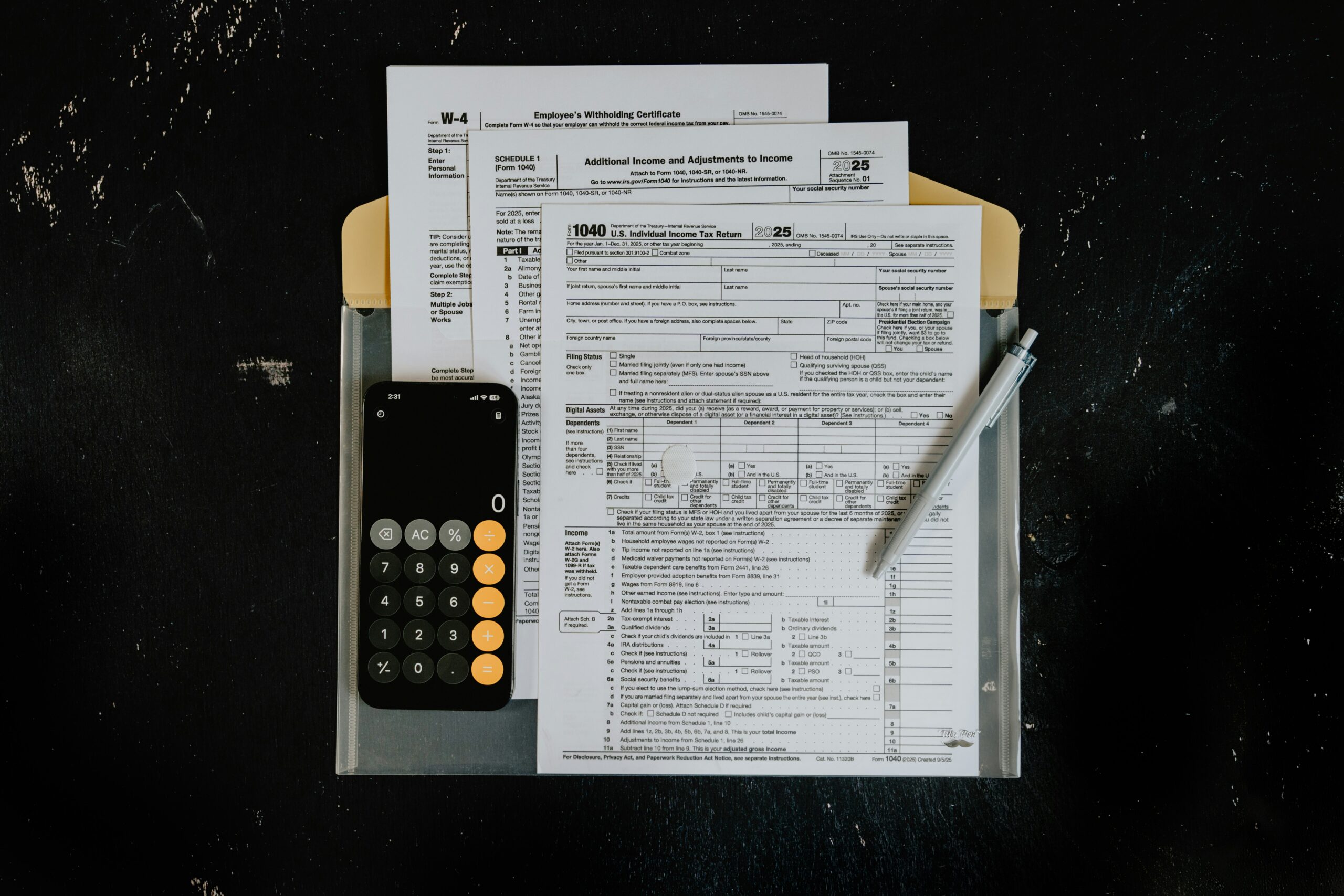
The specific forms required to claim medical expense deductions will vary depending on your country and tax system. In the United States, this is typically Schedule A (Form 1040), where you itemize your deductions. Ensure you are using the most current version of the relevant forms.
Itemizing Deductions vs. Standard Deduction
You must opt to itemize your deductions to claim medical expenses. If your total itemized deductions, including qualified medical expenses, are less than your standard deduction, you will not benefit from itemizing. Therefore, it’s important to calculate both to see which provides a greater tax advantage.
Consulting a Tax Professional
For complex situations or to ensure you are maximizing your deduction, consulting a qualified tax professional is highly recommended. They can guide you through the specific forms, rules, and calculations relevant to your situation.
When considering home improvements that enhance accessibility, many homeowners may not realize that certain expenses can be eligible for tax deductions. For instance, grading ground to create easier access to a home can qualify under specific circumstances. To learn more about the potential tax benefits associated with such modifications, you can refer to this insightful article on senior health and home accessibility. It provides valuable information that can help you navigate the complexities of tax deductions for home improvements. For further details, visit this article.
Separating Medical vs. Capital Improvements
This is a critical distinction. While your home access ground grading might improve your property’s value, the portion of the expense attributable to medical necessity has different tax treatment than general capital improvements.
Improvements for Medical Necessity vs. General Property Value Increase
The IRS and similar tax bodies distinguish between expenses that provide a medical benefit and those that enhance the general market value of your home. For your ground grading, the key is to demonstrate that the primary purpose was medical accessibility.
Apportioning Costs When Mixed Purpose
It’s possible that your ground grading project has both medical and general property improvement elements. For example, you might be grading to create an accessible pathway, but also to enhance the landscaping. In such cases, you may need to apportion the costs. The portion directly attributable to medical necessity is deductible, while the portion that increases general property value might be considered a capital expense, potentially eligible for a different type of tax benefit (e.g., depreciation for rental properties, or a reduction in capital gains tax upon sale).
Methods for Apportionment
Methods for apportionment can include obtaining an appraisal that breaks down the cost attributable to accessibility features versus general landscaping or structural improvements. If that’s not feasible, a reasonable estimation based on the scope of work can be considered, though this can be harder to defend if audited.
Depreciation of Medical Modifications
While direct costs of medical modifications are often deductible in the year they are incurred, capital improvements that provide a lasting benefit to the property (even if for medical reasons) might be depreciated over time. This can be a complex area, and the rules vary significantly by jurisdiction.
When Depreciation Applies
If the ground grading results in a significant, long-term structural change to your property that also increases its value, it might be considered a capital improvement. In some tax systems, a portion of this cost can be recovered through depreciation allowances over the useful life of the improvement.
Understanding Useful Life and Depreciation Schedules
The IRS and your local tax authority will have specific guidelines for the “useful life” of various property improvements and the corresponding depreciation schedules. This is an area where professional tax advice is highly valuable to ensure compliance and maximize financial benefit.
By meticulously documenting your medical necessity, understanding which costs are deductible, and navigating the tax forms correctly, you can effectively maximize your tax deductions for home access ground grading. Remember, proactive planning and clear record-keeping are your most valuable tools in this process.
FAQs
What are tax deductions for grading ground for home access?
Tax deductions for grading ground for home access refer to the potential tax benefits that homeowners may be eligible for when they incur expenses related to grading the ground for improved access to their property.
What expenses can be deducted for grading ground for home access?
Expenses that may be deductible for grading ground for home access include costs associated with leveling the ground, installing retaining walls, creating driveways or pathways, and other improvements that enhance access to the property.
Are there any limitations to the tax deductions for grading ground for home access?
Yes, there are limitations to the tax deductions for grading ground for home access. The expenses must be directly related to improving access to the home, and they cannot be for general landscaping or aesthetic purposes.
How can homeowners claim tax deductions for grading ground for home access?
Homeowners can typically claim tax deductions for grading ground for home access by itemizing their deductions on their tax return and providing documentation of the expenses incurred for the improvements.
Are there any specific requirements for claiming tax deductions for grading ground for home access?
Homeowners should consult with a tax professional or refer to the IRS guidelines to ensure that they meet all the specific requirements for claiming tax deductions for grading ground for home access. This may include meeting certain criteria for the type of improvements made and the purpose of the expenses.