
You’re likely busy with life, perhaps enjoying retirement, spending time with family, or pursuing hobbies. Amidst all this, the simple act of cooking at home can be a source of both comfort and nourishment. However, there’s a subtle danger lurking in your kitchen that you might not be paying enough attention to: rancid cooking oil. For seniors, the health consequences of consuming this degraded fat can be more pronounced than for younger individuals. Understanding these risks is the first step in safeguarding your well-being.
You’ve probably encountered it before – that distinct, unpleasant odor that emanates from old cooking oil. This pungent aroma is a telltale sign of rancidity, a process that degrades the fatty acids within the oil. It’s not simply a matter of taste; it’s a chemical transformation that can have significant health implications, especially for senior citizens.
The Chemistry of Decay
Cooking oils are composed primarily of triglycerides, which are esters of glycerol and fatty acids. These fatty acids can be saturated, monounsaturated, or polyunsaturated. The more unsaturated the fatty acids are (meaning they have more double bonds), the more prone they are to oxidation. Oxidation is the primary culprit behind rancidity. When oils are exposed to heat, light, and air for extended periods, the double bonds in unsaturated fatty acids react with oxygen. This reaction breaks down the triglycerides into smaller molecules, including aldehydes, ketones, and free fatty acids. These byproducts are responsible for the off-flavors and odors associated with rancid oil.
Factors Accelerating Rancidity
Several factors can accelerate the process of rancidity, making it crucial to be aware of them to prevent your cooking oils from becoming a health hazard.
Heat Exposure
Repeatedly heating cooking oil, as you might do when frying multiple batches of food, significantly speeds up oxidation. The higher the temperature and the longer the exposure, the faster the oil degrades. This is why reusing frying oil, a practice some may consider economical, can be detrimental to health.
Light and Air
Exposure to light, particularly sunlight, and to the air (oxygen) are primary catalysts for oxidation. Storing cooking oils in transparent containers left on a countertop, or leaving the lid off for extended periods, significantly increases the rate of rancidity.
Presence of Impurities
Small food particles or water can also contribute to the degradation of cooking oil. These impurities can create localized hot spots during cooking and can also harbor microorganisms that promote the breakdown of fats. Filtering used cooking oil can help remove some of these impurities, but it doesn’t entirely reverse the oxidative damage.
Rancid cooking oil poses significant health risks, particularly for seniors, as it can lead to various health issues, including inflammation and digestive problems. It’s essential for older adults to be aware of the signs of rancidity and to avoid consuming oils that have gone bad. For more information on this topic and to explore additional health tips for seniors, you can read the related article at Explore Senior Health.
The Detrimental Impact on Senior Health
As you age, your body undergoes natural physiological changes that can make you more vulnerable to the negative effects of certain dietary components. Rancid cooking oil falls into this category, posing a greater threat to the health and well-being of seniors.
Increased Inflammation
One of the most concerning health risks associated with consuming rancid oil is its contribution to chronic inflammation. The oxidized byproducts, particularly aldehydes, are highly reactive molecules that can damage cells and trigger inflammatory responses throughout the body.
Cellular Damage and Oxidative Stress
The aldehydes and other oxidized compounds in rancid oil can directly damage cellular structures, including cell membranes. This damage leads to increased oxidative stress, an imbalance between the production of free radicals and the body’s ability to neutralize them. In seniors, who may already have a reduced capacity to combat oxidative stress, this can exacerbate existing conditions and contribute to the development of new ones.
Cardiovascular Concerns
Your heart health is a paramount concern as you get older. Consuming rancid oil can negatively impact your cardiovascular system in several ways.
Atherosclerosis and Artery Damage
The inflammatory effects of rancid oil can contribute to the development and progression of atherosclerosis, the hardening and narrowing of arteries. Oxidized lipids can accumulate in artery walls, promoting plaque formation and increasing the risk of heart attack and stroke.
Cholesterol Levels and Blood Pressure
While the direct link is complex, the systemic inflammation caused by rancid oil can indirectly affect cholesterol metabolism and contribute to elevated blood pressure. These are already significant risk factors for cardiovascular disease in seniors, and rancid oil can compound these issues.
Digestive Distress
Your digestive system may also be more sensitive to the negative effects of rancid oil. What might cause mild discomfort for a younger person can lead to more significant gastrointestinal problems for seniors.
Nausea and Vomiting
Ingesting rancid oil can directly irritate the lining of your stomach and intestines, leading to feelings of nausea and, in some cases, vomiting. This can be particularly unpleasant and can disrupt your ability to absorb nutrients from other foods.
Diarrhea and Stomach Cramps
The breakdown products of rancid oil can also interfere with normal digestive processes, leading to diarrhea and uncomfortable stomach cramps. For seniors, dehydration from diarrhea can be a serious concern.
Weakened Immune System Function
Your immune system plays a critical role in protecting you from infections and diseases. Unfortunately, consuming rancid oil can compromise its effectiveness.
Impaired Immune Cell Function
Studies suggest that oxidized lipids can negatively impact the function of various immune cells, including lymphocytes and phagocytes. This impairment can reduce your body’s ability to fight off common infections, making you more susceptible to illness.
Increased Susceptibility to Illness
A weakened immune system means you’re more likely to catch colds, the flu, and other infections. For seniors, these illnesses can be more severe and may lead to longer recovery times and potential complications.
Recognizing the Signs: When Oil Goes Bad

Being able to identify rancid oil is crucial to avoid its consumption. It’s not always about a strong, foul odor; sometimes, the signs are more subtle.
The Olfactory Clues
The most direct way to detect rancidity is through your sense of smell. A healthy cooking oil should have a neutral or pleasant aroma, depending on the type.
Beyond the “Off” Smell
While a strong, fishy, or crayon-like smell is a clear indicator of rancidity, sometimes the smell can be less obvious. It might be a slightly stale or musty odor that is difficult to pinpoint but still signals that the oil is no longer fresh. Trust your intuition. If an oil smells a bit “off,” it’s best to err on the side of caution.
Visual and Tactile Indicators
Sometimes, the signs that oil has gone bad are not just about smell. You might notice changes in its appearance or texture.
Color Changes and Cloudiness
Fresh oils typically have a clear appearance. If you notice that your cooking oil has developed a cloudy or hazy look, it could be a sign of degradation. Some oils may also develop a darker hue as they age and oxidize.
Altered Viscosity
While less common, extreme rancidity can sometimes lead to a slight change in the viscosity or thickness of the oil. However, this is usually accompanied by other, more obvious signs.
The Taste Test (Use with Extreme Caution)
While not recommended as a primary method due to the health risks of even a small ingestion, a tiny taste of a suspected rancid oil might confirm your suspicions if other indicators are ambiguous.
A Subtle Warning
If you were to cautiously taste a very small amount, a rancid oil might have a bitter, metallic, or acrid taste. However, given the health risks, relying on smell and visual cues is a much safer approach.
Preventing Rancidity: Proactive Kitchen Practices
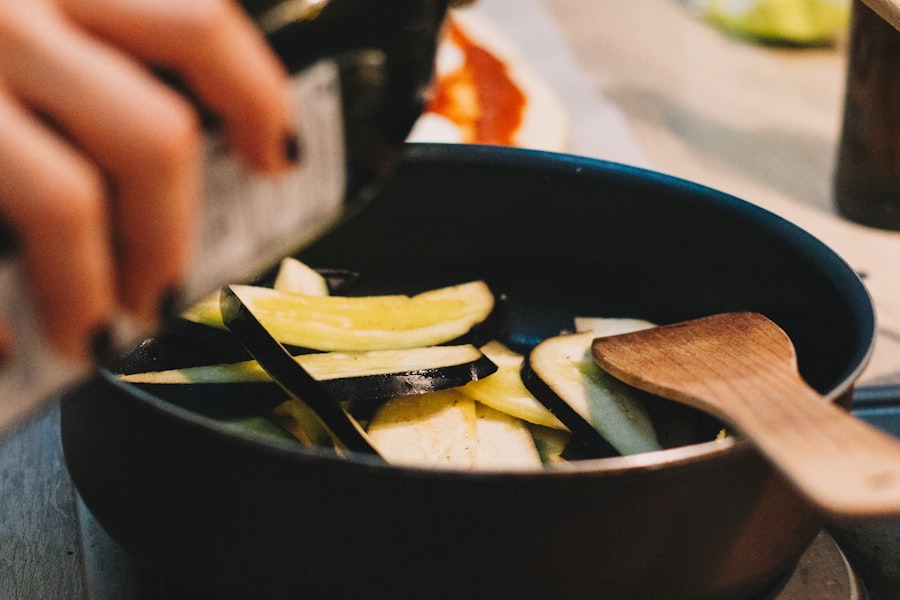
The good news is that preventing cooking oil from becoming rancid is largely within your control. By adopting a few simple habits, you can ensure the oils you use are safe and contribute positively to your meals.
Smart Storage Solutions
How you store your cooking oils plays a significant role in their shelf life.
The Dark and Cool Sanctuary
Always store cooking oils in a cool, dark place. A pantry or cupboard, away from direct sunlight and heat sources like the stove or oven, is ideal. This minimizes exposure to light and heat, the two main accelerators of oxidation.
Airtight Containers are Key
Ensure that the caps or lids of your oil containers are TIGHTLY sealed after each use. This prevents oxygen from entering the bottle and initiating the oxidative process. If an oil comes in a clear bottle, consider transferring it to an opaque, airtight container for better protection.
Mindful Usage Habits
Your cooking habits also influence how quickly your oils degrade.
Don’t Overheat Crucial Oils
Be mindful of the smoke point of your oils. Heating oils beyond their smoke point accelerates their degradation and can release harmful compounds into the air. Use oils with higher smoke points for high-heat cooking like frying and reserve more delicate oils for lower-heat applications or as finishing oils.
Limit Reheating and Reuse
It’s tempting to reuse frying oil for economic reasons, but for seniors, this practice poses significant health risks. Each time oil is heated and cooled, it undergoes further degradation. If you do reuse oil, filter it thoroughly and use it only a few times, discarding it if you notice any signs of rancidity. It is generally best to use fresh oil for most cooking.
Understanding Shelf Life and Expiration Dates
Even with the best storage practices, oils don’t last forever.
Decoding the Dates
Look for “best by” or expiration dates on your cooking oil containers. While these dates aren’t always about safety, they are a good indicator of when the oil is likely to begin degrading in quality. Older oils are more prone to rancidity.
Trust Your Senses Above Dates
If an oil is well past its expiration date, or if it shows any signs of rancidity regardless of the date on the bottle, it’s best to discard it. Your senses of smell and sight are often more reliable indicators of oil freshness than a printed date.
Rancid cooking oil poses significant health risks for seniors, as it can lead to various ailments and exacerbate existing health conditions. In a related article, the importance of maintaining a healthy diet for older adults is discussed, highlighting how the consumption of spoiled oils can negatively impact their well-being. For more information on this topic, you can read the article on senior health, which provides valuable insights into safe cooking practices and the effects of rancid ingredients.
When to Seek Medical Advice
| Health Risk | Impact on Seniors |
|---|---|
| Cardiovascular Disease | Increased risk of heart disease and stroke |
| Obesity | Contributes to weight gain and obesity-related health issues |
| Diabetes | Linked to insulin resistance and type 2 diabetes |
| Cancer | Potential carcinogenic effects |
| Digestive Problems | Can lead to gastrointestinal issues and discomfort |
While you can take proactive steps to avoid rancid oil, it’s important to know when to consult a healthcare professional, especially if you suspect you’ve consumed it or are experiencing concerning symptoms.
Recognizing Ongoing Symptoms
If you find yourself experiencing persistent digestive issues, unexplained inflammation, or are concerned about your cardiovascular health, it’s always wise to discuss it with your doctor.
Digestive Concerns Post-Consumption
If you experience immediate nausea, vomiting, or diarrhea after consuming food cooked with oil that you now suspect was rancid, monitor your symptoms closely. If they are severe or persist for an extended period, contact your doctor.
Chronic Health Conditions
If you have pre-existing health conditions, particularly cardiovascular disease or inflammatory disorders, and you suspect regular consumption of rancid oil may be exacerbating them, it is imperative to speak with your physician. They can assess the impact and recommend appropriate dietary adjustments and medical interventions.
Nutritional Guidance for Seniors
Your dietary needs can change as you age, and seeking professional advice on nutrition is always beneficial.
Tailored Dietary Advice
A registered dietitian or nutritionist can provide personalized dietary guidance that accounts for your age, health status, and any specific concerns you might have, including recommendations for healthy fats and cooking practices. They can help you ensure you are getting the essential nutrients without unnecessary risks.
By remaining vigilant about the quality of your cooking oils and understanding the potential health risks, you can continue to enjoy delicious and nourishing meals with peace of mind. Your health is your most valuable asset, and simple preventative measures can make a significant difference in maintaining your well-being.
FAQs
What are the health risks of consuming rancid cooking oil for seniors?
Rancid cooking oil can lead to various health risks for seniors, including digestive issues, inflammation, and an increased risk of chronic diseases such as heart disease and cancer.
How does rancid cooking oil affect the body of seniors?
When seniors consume rancid cooking oil, it can lead to oxidative stress in the body, which can contribute to cellular damage, inflammation, and an increased risk of chronic diseases.
What are the signs that cooking oil has gone rancid?
Signs that cooking oil has gone rancid include a strong, unpleasant odor, a bitter or metallic taste, and a cloudy or thickened appearance. It may also have a sticky or tacky texture.
How can seniors avoid consuming rancid cooking oil?
Seniors can avoid consuming rancid cooking oil by regularly checking the expiration date of their cooking oil, storing it in a cool, dark place, and properly sealing the container after each use. It’s also important to use cooking oil within its recommended shelf life.
What are some healthier alternatives to rancid cooking oil for seniors?
Healthier alternatives to rancid cooking oil for seniors include olive oil, avocado oil, coconut oil, and grapeseed oil, which are all rich in antioxidants and healthy fats. It’s important for seniors to choose cooking oils that are fresh and properly stored to ensure their health and safety.