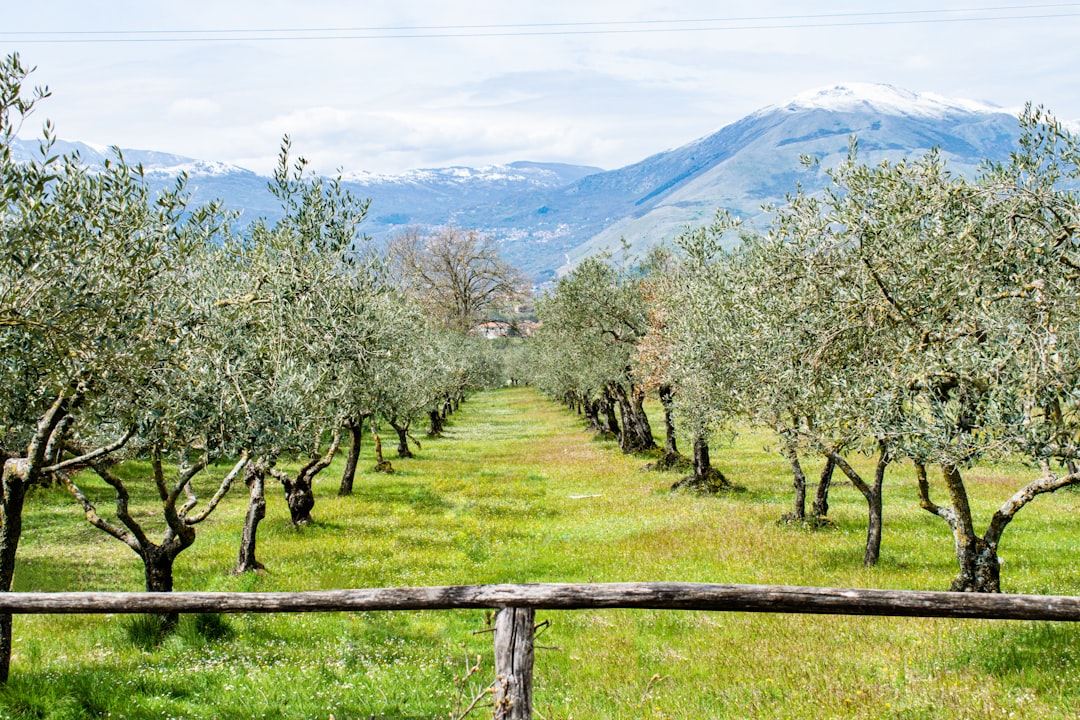
Understanding Rancid Olive Oil: A Senior’s Guide
As you navigate your culinary journey, particularly in your later years, maintaining the quality of your ingredients is paramount. Olive oil, a staple in many kitchens, can unfortunately degrade over time, turning rancid. This isn’t just about a less pleasant taste; rancid oil can introduce unpleasant flavors and potentially impact your health. This article will equip you with the knowledge to confidently identify rancid olive oil, ensuring you’re always using the freshest and most beneficial product.
Olive oil, especially extra virgin olive oil (EVOO), is essentially a fruit juice. Like any natural product, it contains fats that are susceptible to oxidation. Several factors contribute to this process, and understanding them will help you store your oil properly and prolong its freshness.
The Role of Oxidation
- Exposure to Oxygen: The primary culprit in olive oil rancidity is oxidation. When olive oil comes into contact with air, its unsaturated fatty acids begin to react with oxygen molecules. This process breaks down the fatty acids, leading to the formation of new compounds. These compounds are responsible for the off-flavors and aromas associated with rancidity. Think of it like an apple turning brown after you cut it – that discoloration is a form of oxidation.
- Unsaturated Fatty Acids: Olive oil, particularly EVOO, is rich in monounsaturated and polyunsaturated fatty acids. While these are beneficial for health, they are also more prone to oxidation than saturated fats. Extra virgin olive oil, due to its minimal processing, retains more of these beneficial but less stable fatty acids, making it more susceptible to rancidity compared to refined olive oils.
Environmental Factors Accelerating Rancidity
- Heat: Elevated temperatures act as a catalyst for oxidation. Storing olive oil in a warm pantry, near a stove, or in direct sunlight will significantly speed up the rancidity process. Heat provides the energy needed for the chemical reactions of oxidation to occur more rapidly. This is why many olive oil producers recommend storing it in a cool, dark place.
- Light: Just as heat accelerates oxidation, so does light, especially ultraviolet (UV) light. Exposure to sunlight or even bright artificial light can damage the oil’s molecules and initiate the breakdown process. This is why many good quality olive oils are sold in dark glass bottles or tins; these containers offer a degree of protection from light.
- Time: Even under ideal storage conditions, olive oil does not last indefinitely. Over time, the natural degrading processes will eventually catch up. The shelf life of olive oil varies depending on its quality, how it’s processed, and its packaging, but it will eventually become rancid if left too long.
If you’re looking to enhance your culinary skills while ensuring the quality of your ingredients, it’s essential to know how to spot rancid olive oil, especially for seniors who may be more sensitive to changes in taste and health. For a comprehensive guide on this topic, you can refer to a related article that offers valuable insights and tips. Check it out here: How to Spot Rancid Olive Oil. This resource provides practical advice to help you select the freshest oils for your cooking needs.
Sensory Clues to Rancidity
Your senses are your first line of defense against rancid olive oil. Before you even taste it, you can often detect signs of spoilage through smell and sight. Paying close attention to these sensory queues will save you from unpleasant culinary experiences.
The Smell Test: Your Nose Knows
- The Aroma of Freshness: High-quality, fresh olive oil typically possesses a pleasant aroma. This can range from grassy and herbaceous to fruity and floral, depending on the olive varietal and region. It should smell vibrant and alive.
- The Pungent Note of Rancidity: Rancid olive oil will lose its fresh aroma and instead develop a distinct, unpleasant smell. This smell is often described as:
- Crayon-like or Waxy: Imagine the distinct smell of wax crayons. This is a very common indicator of rancidity.
- Nutty or Musty: Some oils might take on a stale, nutty, or even a slightly musty odor, reminiscent of damp cardboard or old nuts.
- Paint Thinner or Varnish: In more advanced stages of rancidity, the aroma can become sharp and chemical, similar to paint thinner or dissolving varnish.
- Unpleasant, Stale Fat: Ultimately, it just smells like old, stale fat that has gone bad. There’s a distinct lack of freshness.
- Comparison is Key: If you’re unsure, have a bottle of known fresh olive oil on hand. Compare the aromas side-by-side. The difference will likely be quite apparent. Even a slight deviation from the expected fresh aroma can be a signal to investigate further.
Visual Indicators: What to Look For
- Color Changes: While color isn’t a definitive indicator of rancidity, significant and unusual changes can be a clue. Fresh EVOO typically ranges from vibrant green to golden yellow. If your oil suddenly appears duller, or has developed an unnatural murky hue that wasn’t there before, it could be a sign of degradation. However, remember that some oils naturally have a lighter or darker hue.
- Cloudiness or Sediment: A small amount of sediment at the bottom of a bottle of unfiltered EVOO is normal. However, if you notice an unusual increase in cloudiness, or if the sediment seems to be forming a thick layer, it might suggest that the oil is breaking down. This can be exacerbated by poor storage.
- Separation: If you observe distinct separation within the oil, with a layer of something different forming on top or at the bottom, this is a red flag. This shouldn’t happen in a homogeneous product like olive oil.
The Taste Test: The Ultimate Confirmation
Once you’ve assessed the smell and appearance, the taste test will provide the final confirmation. Be cautious when tasting suspected rancid oil; you only need a very small amount.
How to Safely Taste for Rancidity
- Small, Controlled Sample: Pour a very small amount of the olive oil onto a spoon. You don’t need to swallow a large quantity. A tiny sip or a dab on the tongue is sufficient.
- Initial Palate Impression: Fresh olive oil should have a clean, smooth mouthfeel. It may have a slightly peppery or bitter finish, which are actually indicators of beneficial compounds like polyphenols.
- The Flavor of Spoilage: Rancid olive oil will lack this freshness. The taste will be…
- Bitter and Acrid: This is a very common characteristic. Instead of a pleasant peppery bite, you’ll get a sharp, unpleasant bitterness and an acrid sensation that can linger on your tongue.
- Soapy or Metallic: Some rancid oils can develop a soapy or even a faint metallic taste, which is highly unappetizing.
- Stale and Off: The overall flavor will be stale, flat, and entirely unappealing. It will taste like something you wouldn’t want to eat.
- The “Nutty” Aftertaste Deception: Be aware that some naturally flavorful olive oils might have nutty undertones when fresh. However, if that nuttiness turns stale, waxy, or just plain “off,” it has crossed the line into rancidity.
What to Expect from Fresh Olive Oil
To better identify what’s wrong with rancid oil, know what’s right with fresh oil.
- Fruity Notes: Depending on the varietal, you might detect notes of green apple, tomato leaf, artichoke, or even almond. These are pleasant and indicative of good quality oil.
- Peppery or Bitter Finish: This is typically attributed to the presence of polyphenols, which are antioxidants and beneficial compounds in EVOO. This sensation should be a clean, pleasant “bite” at the back of your throat, not an overwhelming bitterness.
- Smooth Mouthfeel: Fresh olive oil should have a pleasant, smooth texture. It shouldn’t feel greasy or cloying.
Reading the Label: Clues to Longevity
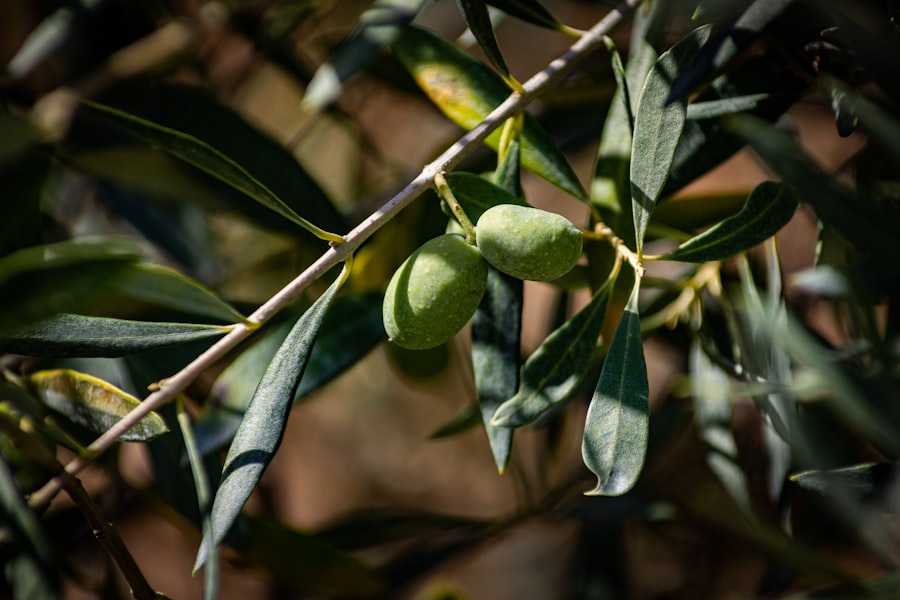
The label on your olive oil bottle holds valuable information that can help you assess its potential for freshness and guide you in making informed purchasing decisions. You’re not just buying oil; you’re buying a product with a shelf life, and understanding the label helps manage expectations and minimize waste.
Understanding “Best By” and “Use By” Dates
- “Best By” Date: This date is not a strict expiration date. It indicates when the manufacturer guarantees the product will be at its peak quality. After this date, the oil may still be safe to consume, but its flavor and aroma will likely have diminished. For olive oil, this date is often optimistic; it’s not uncommon for oils to begin degrading before this date if not stored properly.
- “Use By” Date: This date is more critical and refers to the point at which the product should be consumed for optimal safety and quality. While olive oil rarely becomes unsafe to the point of causing immediate harm at room temperature, it can still become rancid.
- Interpreting the Dates: For olive oil, it’s crucial to understand that the “Best By” date is a more relevant indicator of freshness for sensory quality than a strict safety expiration. If a bottle is a year or more past its “Best By” date, even if it smells and tastes okay, it’s likely lost a significant amount of its desirable characteristics.
“Harvest Date” and “Production Date”: A Better Indicator
- The Importance of Harvest Date: For extra virgin olive oil, a “harvest date” is a far better indicator of freshness than a “Best By” date. This tells you when the olives were pressed. The fresher the harvest, the more vibrant the oil. Oils with a harvest date are generally preferred as they offer more transparency about their age.
- “Production Date” as a Proxy: If a harvest date isn’t available, a production date can offer some insight. However, it’s less precise because there might be a lag between pressing and bottling. It’s still better than no date at all.
- Look for Newer Dates: When purchasing olive oil, actively seek out bottles with the most recent harvest or production dates available. This significantly increases your chances of buying a fresh product.
Other Label Clues: Packaging and Origin
- Dark Glass or Tin: As mentioned earlier, good quality olive oil is often packaged in dark glass bottles or opaque tins. This protects the oil from light, a key factor in preventing rancidity. If your oil is in a clear bottle, especially if it’s been exposed to light, its shelf life is likely shorter.
- Origin and Varietal: While not directly related to rancidity, knowing the origin and the olive varietal can give you an idea of the expected flavor profile. This can help you detect when the oil deviates from its intended character, which can be a sign of rancidity. For instance, if you expect a peppery finish and get something rubbery instead, it’s a signal.
When it comes to maintaining a healthy diet, it’s essential for seniors to know how to spot rancid olive oil, as consuming spoiled oil can lead to digestive issues and diminish the health benefits of this popular cooking ingredient. For more insights on this topic, you can refer to a helpful article that provides tips and tricks for identifying quality olive oil and ensuring its freshness. Understanding these details can make a significant difference in meal preparation and overall health. To learn more, check out this informative resource on senior health at Explore Senior Health.
Proper Storage: Preserving Freshness for Longer
| Signs of Rancid Olive Oil in Seniors | Explanation |
|---|---|
| Smell | If the olive oil smells musty or like old peanuts, it may be rancid. |
| Taste | Rancid olive oil will have a bitter or sour taste. |
| Color | Check for a darker color than normal, which could indicate rancidity. |
| Expiry Date | Ensure the olive oil has not passed its expiration date. |
Once you’ve identified a good quality, fresh olive oil, proper storage is essential to preserve its flavor and prevent it from turning rancid prematurely. Even the best oil will degrade rapidly if treated carelessly.
The Ideal Storage Environment
- Cool, Dark, and Dry: This is the golden rule for olive oil storage.
- Cool: Aim for a consistent temperature, ideally between 50°F and 60°F (10°C and 15°C). A pantry or a cupboard away from heat sources like the oven or direct sunlight is suitable. Avoid storing it in the refrigerator for long periods, as this can cause it to solidify and may even affect its flavor profile over time.
- Dark: Light is a major enemy of olive oil. Store your bottles in a dark cupboard or pantry. If you have an open bottle that you use frequently, consider keeping it in its original dark packaging or in a dark spot even within your kitchen.
- Dry: While not as critical as cool and dark, a dry environment helps prevent any unwanted condensation or moisture build-up, which could potentially affect the integrity of the seal and, indirectly, the oil.
Key Storage Practices
- Keep the Lid Tightly Sealed: Every time you use your olive oil, ensure the lid is screwed on tightly. This minimizes exposure to oxygen. Any air that gets into the bottle will begin the oxidation process.
- Use it Within a Reasonable Timeframe: Even with proper storage, olive oil has a shelf life. Once opened, it’s best to use extra virgin olive oil within 12-18 months, and within 6 months for optimal flavor. If you don’t use a lot of olive oil, consider buying smaller bottles to ensure you finish them before they degrade.
- Avoid Storing Near Heat Sources: This cannot be stressed enough. Never store your olive oil near your stove, oven, dishwasher, or in direct sunlight. The heat generated by these appliances will rapidly degrade the oil.
- Consider Secondary Containers: If you purchase olive oil in a large container and find it inconvenient to work with, you can decant some into a smaller, dark glass bottle for daily use. Just ensure the smaller bottle is also kept in a cool, dark place and is tightly sealed.
When in Doubt, Throw It Out
Your health and culinary enjoyment are the priorities. If you have any lingering doubts about the freshness or quality of your olive oil, it’s always best to err on the side of caution.
The Cost of Rancid Oil: More Than Just Flavor
- Unpleasant Culinary Experience: The most immediate consequence of using rancid olive oil is the impact on your food. Rancid oil will impart a bitter, unpleasant taste and smell to your dishes, ruining the intended flavors. This can be particularly disappointing when you’ve put effort into preparing a meal.
- Potential Health Concerns: While rancid olive oil is unlikely to cause severe acute illness in small amounts, it’s generally not considered beneficial for your health. The oxidation process can lead to the formation of free radicals, which are unstable molecules that can damage cells in the body. Consuming rancid oils regularly could contribute to oxidative stress.
- Waste of Resources: Using rancid oil not only spoils your food but also means the money you spent on a quality product has been wasted. Identifying rancidity early prevents this waste.
Trust Your Senses: A Final Check
- Revisit the Sensory Tests: If you’re unsure, go through the smell and taste tests again. Sometimes, a second opinion from another family member might be helpful, especially if their sense of smell or taste differs from yours.
- When the Aroma is Off: If the oil smells distinctly like crayons, stale nuts, or has any hint of a chemical odor, it’s time to discard it.
- When the Taste is Unpleasant: If a tiny taste leaves a lingering bitter, acrid, or soapy sensation, do not use it. There’s no amount of cooking that can mask the unpleasant flavors of rancid oil.
- The “When in Doubt” Rule: This is a simple but effective rule. If after all your checks, you’re still uncertain, it’s better to discard the oil and purchase a fresh bottle. This ensures you’re always using a product that contributes positively to your meals and your well-being. Your kitchen should be a place of nourishment and enjoyment, and using quality ingredients like fresh olive oil is a key component of that.
FAQs
1. What are the signs of rancid olive oil?
Some signs of rancid olive oil include a musty or rancid smell, a bitter or unpleasant taste, and a cloudy or hazy appearance. It may also have a greasy or soapy texture.
2. How can seniors spot rancid olive oil?
Seniors can spot rancid olive oil by using their senses – smell, taste, and sight. They should pay attention to any off-putting odors, flavors, or changes in appearance when using olive oil.
3. What are the health risks of consuming rancid olive oil?
Consuming rancid olive oil can lead to potential health risks such as digestive issues, oxidative stress, and inflammation. It may also contribute to an increased risk of chronic diseases.
4. How should seniors store olive oil to prevent it from going rancid?
Seniors should store olive oil in a cool, dark place away from heat and light. It should be kept in a tightly sealed container to prevent exposure to air, which can cause it to go rancid more quickly.
5. When should seniors dispose of rancid olive oil?
Seniors should dispose of rancid olive oil as soon as they notice any signs of spoilage. Using rancid olive oil can negatively impact the flavor of their food and pose potential health risks, so it’s best to discard it promptly.