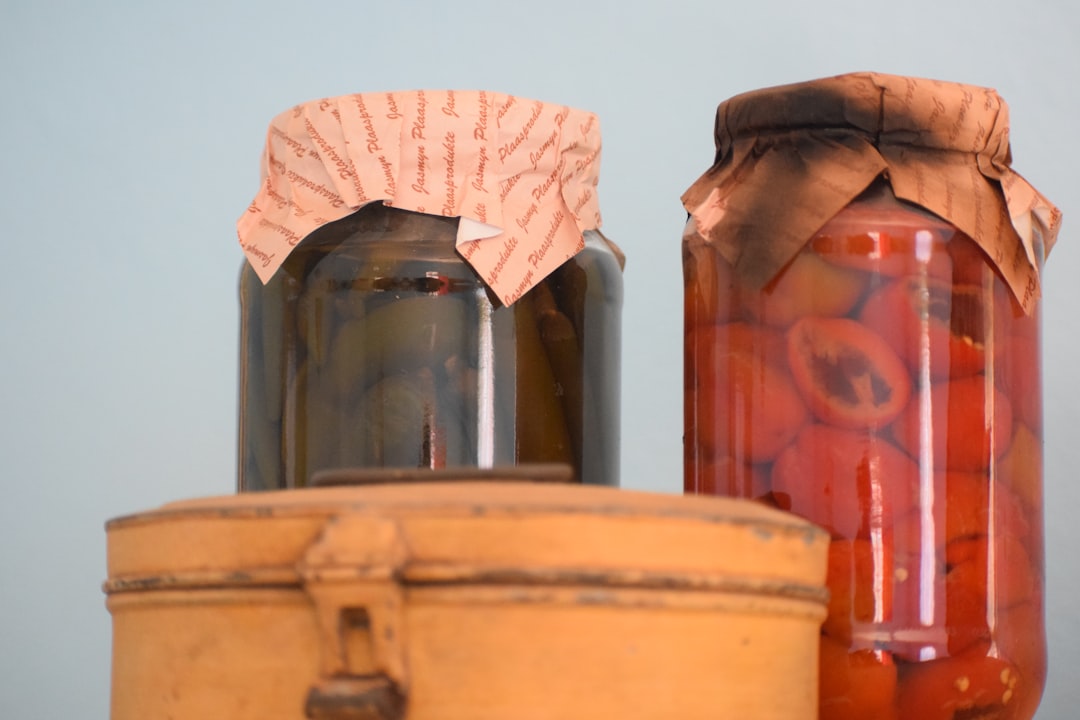
Ensuring Safe Canned Food for Your Elderly Parents
Navigating the world of food preservation, particularly canned goods, can present unique challenges when it comes to ensuring the well-being of elderly parents. While canned foods offer convenience and a long shelf life, a lapse in understanding proper selection, storage, and preparation can inadvertently lead to health risks. This guide aims to equip you with the knowledge needed to make informed decisions about the canned food you provide for your parents.
Canned foods, by their nature, undergo a sterilization process to kill microorganisms and enzymes that cause spoilage. However, this process is not foolproof, and certain conditions can compromise the safety of the contents. It is crucial to be aware of these potential hazards to proactively mitigate them.
Botulism: A Serious Threat
The most significant and potentially deadly risk associated with improperly canned food is botulism, a rare but severe paralytic illness caused by a toxin produced by the bacterium Clostridium botulinum. This bacterium thrives in low-oxygen, low-acid environments, making improperly canned low-acid foods a prime breeding ground.
How Botulism Develops
- Anaerobic Environment: Clostridium botulinum is an anaerobic bacterium, meaning it does not require oxygen to survive and multiply. The sealed environment of a can provides the ideal anaerobic conditions.
- Inadequate Sterilization: The canning process relies on heat to destroy the bacteria and their spores. If the food is not heated to a sufficient temperature for a sufficient duration, spores can survive. These spores can then germinate into active bacteria when the can is stored.
- Low Acidity: Clostridium botulinum thrives in low-acidic environments (pH above 4.6). This is why low-acid foods like vegetables, meats, and fish are more susceptible to botulism if not canned correctly. High-acid foods like fruits and pickles are generally safer, as the acidity inhibits bacterial growth.
- Toxin Production: Once germinated, the bacteria produce a potent neurotoxin that affects the nervous system. The toxin itself is heat-sensitive, but the spores are not. This means that even if you can neutralize the toxin through reheating, the spores can still be present and a risk if improperly handled.
Recognizing Signs of Contamination
Identifying early signs of botulism in canned food is paramount. Visual cues can be a strong indicator that something is amiss.
Swollen or Leaking Cans
Swollen or bulging cans are a common sign of active bacterial growth within the can. The gases produced by the bacteria cause the can to expand. Leaking cans indicate a compromised seal, allowing air and contaminants in. These should never be consumed.
Discoloration and Odors
Unusual discoloration of the food, such as a milky or cloudy liquid where it should be clear, or off-putting odors when opening a can, are red flags. While some canned foods naturally have distinct colors and smells, any deviation from what is expected for that specific product warrants caution.
“Fizzy” or Foamy Contents
If you observe any effervescence or frothing upon opening a can, it suggests active fermentation due to bacterial contamination. This is a clear indicator that the food is unsafe to eat.
Spoilage and Other Contaminants
Beyond botulism, canned foods can also be subject to spoilage that, while not immediately life-threatening, can cause significant digestive distress or introduce unwanted microorganisms.
Mold and Yeast Growth
Mold and yeast can grow on canned food if the seal is compromised or if the canning process was insufficient. While some molds are relatively harmless, others can produce mycotoxins, which are harmful to health. Yeast can lead to fermentation and off-flavors.
Metal Contamination
The cans themselves are made of metal, and in rare instances, especially with older cans or those exposed to prolonged moisture or acidity, there can be leaching of metal ions into the food. While generally not acutely toxic in small amounts, it’s an undesirable contaminant.
Potential for Nutritional Degradation
While the primary concern with canned foods is safety, it’s also worth noting that the canning process, particularly prolonged heating, can reduce the levels of certain heat-sensitive vitamins.
Vitamin Loss
Vitamins like Vitamin C and some B vitamins are particularly susceptible to heat degradation. While canned foods still retain a significant portion of their nutritional value, they may not be as nutrient-dense as their fresh or frozen counterparts in terms of these specific vitamins.
When considering the safety of canned food for elderly parents, it’s essential to stay informed about best practices and guidelines. A helpful resource on this topic can be found in the article titled “Canned Food Safety for Seniors,” which provides valuable insights into how to properly store and handle canned goods to ensure they remain safe for consumption. For more information, you can read the article here: Canned Food Safety for Seniors.
Selecting Safe Canned Foods for Your Parents
Making informed choices at the grocery store or when ordering food online is the first line of defense in ensuring your parents consume safe canned products. Pay close attention to the packaging and the reputation of the brand.
Inspecting Cans for Damage
The physical integrity of the can is a critical indicator of its safety. Never overlook any signs of damage.
No Dents, Rust, or Bulges
As previously mentioned, any sign of bulging, deep dents (especially along seams), or significant rust is cause for rejection. Rust can weaken the can and compromise the seal, while dents can create tiny cracks.
Intact Seams and Labels
Ensure that the seams of the can are smooth and unbroken. A cleanly applied label often signifies that the can’s surface is relatively intact. A peeling or damaged label might suggest the can has been handled roughly.
Choosing Reputable Brands and Products
Trustworthy brands often adhere to stricter quality control measures, increasing the likelihood of safe and well-processed products.
Familiar Brands and Certifications
Opt for brands that you are familiar with and that have a good reputation for quality. Look for any relevant certifications or seals of approval from food safety organizations, although these are less common for domestically produced canned goods compared to internationally sourced ones.
Understanding Product Types
Different types of canned foods have varying levels of inherent risk. You will encounter a wide spectrum from commercially canned fruits in syrup to home-canned vegetables.
Commercial vs. Home-Canned Foods
Commercial canning facilities are regulated and employ sophisticated equipment and processes to ensure safety. Home-canned foods, while sometimes excellent, carry a higher risk if proper techniques, particularly regarding sterilization and acidity levels for low-acid foods, are not rigorously followed. For elderly parents, erring on the side of caution with commercially produced goods is generally advisable.
Acidic vs. Low-Acid Foods
As discussed, acidic foods (fruits, pickles) are less prone to botulism than low-acid foods (vegetables, meats, fish). Understanding this distinction can help you prioritize safer options, especially if there’s any doubt about handling.
Proper Storage of Canned Foods
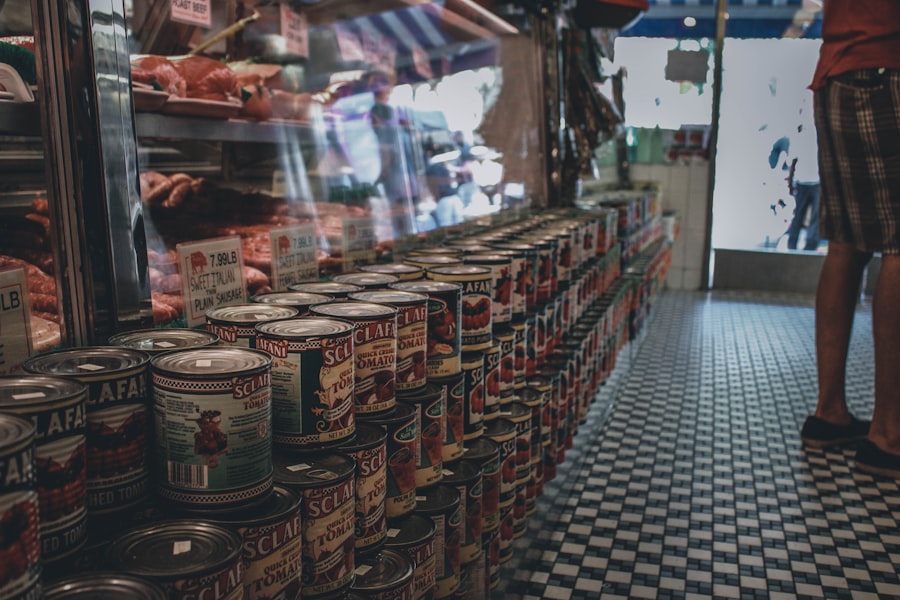
Once you have purchased safe canned goods, storing them correctly is essential to maintain their integrity and prevent spoilage until they are ready for consumption.
Ideal Storage Conditions
Canned foods are designed for longevity, but they are not indestructible. The environment in which they are stored plays a significant role.
Cool, Dry, and Dark Place
The best place to store canned foods is in a cool, dry, and dark environment. A pantry or cupboard away from direct sunlight and heat sources is ideal. Consistent, moderate temperatures are key.
Temperature Fluctuations
Avoid storing canned foods in areas prone to significant temperature fluctuations, such as garages, attics, or uninsulated sheds. Extreme heat can accelerate spoilage and damage the can’s lining, while freezing can cause the can to expand and the seal to break.
Avoiding Moisture
Moisture is the enemy of canned goods. Keep cans dry to prevent rust from forming on the exterior. Regularly check storage areas for any leaks or dampness.
Shelf Life and Rotation
Canned foods have an expiration date, but it’s not always a strict “use by” date. Understanding best-by dates and practicing good inventory management can prevent waste and ensure quality.
Understanding “Best By” Dates
“Best by” dates are indicators of peak quality, not safety. Canned foods are generally safe to consume past their best-by dates, provided the cans are in good condition and have been stored properly. However, nutritional content and texture may degrade over time.
First-In, First-Out (FIFO) System
Implementing a First-In, First-Out (FIFO) system is a practical approach. When you purchase new canned goods, place them at the back of the shelf and move older items to the front. This ensures that you use older items first, minimizing the chance of them sitting unused for too long.
Preparing Canned Foods Safely
Even if you’ve selected and stored canned foods correctly, improper preparation can still introduce risks. Adhering to safe handling and cooking practices is crucial.
Opening Cans Safely
The act of opening a can can itself present hazards if not done carefully.
Using a Clean Can Opener
Ensure your can opener is clean before use. Bacteria can reside on unwashed can openers and be transferred to the food.
Inspecting the Lid
After opening, visually inspect the lid for any sharp edges or metal shavings that may have detached. Remove these if present.
Avoiding Damaged Cans
As emphasized, never attempt to open a can that is bulging, leaking, or severely dented. Discard these immediately.
Heating and Cooking Procedures
Proper heating is vital for destroying any potential surviving microorganisms and making the food safe to consume.
Thorough Heating
For most canned foods, thorough heating is recommended. This means bringing the food to a rolling boil for a specified period, as per manufacturer instructions or general food safety guidelines.
Reheating Leftovers
If you are reheating leftovers from a canned product, ensure they are heated to an internal temperature of at least 165°F (74°C). This helps to kill any bacteria that may have multiplied during storage.
Serving Temperature
Ensure that the food is served at an appropriate temperature to avoid bacterial growth during the serving process.
Handling Leftovers
Proper storage and reheating of leftovers are just as important as preparing the initial meal.
Refrigeration
Refrigerate any leftover canned food promptly. Do not leave it at room temperature for extended periods. Transfer leftovers to clean, airtight containers.
Discarding Unused Portions
If a can has been opened and only partially used, and the leftover portion has been sitting out for more than two hours (or one hour if the ambient temperature is above 90°F/32°C), it should be discarded.
When considering the safety of canned food for elderly parents, it’s important to stay informed about best practices and potential risks. A helpful resource on this topic can be found in a related article that discusses various aspects of food safety for seniors. You can read more about it by visiting Explore Senior Health, which provides valuable insights into ensuring that the food we provide is both safe and nutritious for our loved ones.
When to Discard Canned Foods
| Aspect | Recommendation |
|---|---|
| Expiration Date | Check for expired canned foods before consumption. |
| Storage | Store canned foods in a cool, dry place away from direct sunlight. |
| Inspect Cans | Check for dents, bulges, or leaks in cans before opening. |
| Proper Handling | Use clean utensils and surfaces when handling canned foods. |
| Refrigeration | Refrigerate any unused portion of canned food in a separate container. |
There are clear indicators that a canned food product is no longer safe for consumption. Trust your senses and err on the side of caution.
Visual and Olfactory Inspections
Your initial inspection upon opening a can is critical.
Signs of Spoilage
As mentioned earlier, any signs of bulging, leakage, rust, unusual discoloration, mold, or foul odors are definitive reasons to discard the product.
“When in doubt, throw it out.”
This adage is particularly relevant to canned food safety. If you have any lingering doubt about the safety or quality of a canned food item, it is always best to discard it. The potential health risks far outweigh the cost of the food.
Cans with Compromised Seals
A compromised seal is a gateway for contaminants.
Punctured or Leaking Cans
Even a small puncture or leak can allow bacteria and other microorganisms to enter the can, rendering the contents unsafe. These should never be consumed.
Damaged Seams
Any damage to the seams of the can, where the lid and base are joined, can also compromise the seal.
Following Best-By Dates (with Nuance)
While best-by dates are not absolute safety cutoffs, they serve as a useful guideline for quality.
Extreme Neglect of Dates
If canned foods are significantly past their best-by dates, especially those stored in less-than-ideal conditions, the risk of spoilage and nutritional degradation increases. For elderly parents, it is prudent to be more conservative with exceptionally old canned goods.
This comprehensive approach to selecting, storing, and preparing canned foods will allow you to provide your elderly parents with safe, nutritious, and convenient meals, minimizing potential health risks. Remember to always prioritize caution and trust your judgment when dealing with food safety.
FAQs
1. Why is canned food safety important for elderly parents?
Canned food safety is important for elderly parents because their immune systems may be weaker, making them more susceptible to foodborne illnesses. Proper handling and storage of canned foods can help prevent food poisoning and other health issues.
2. How can I ensure the safety of canned foods for my elderly parents?
To ensure the safety of canned foods for elderly parents, it is important to check for any signs of damage or spoilage before consuming. Additionally, following proper storage guidelines, such as keeping canned foods in a cool, dry place and avoiding dented or bulging cans, can help maintain the safety of the food.
3. What are the potential risks of consuming expired canned foods for elderly parents?
Consuming expired canned foods can pose risks for elderly parents, including the potential for foodborne illnesses such as botulism, which can be particularly dangerous for individuals with weakened immune systems. It is important to discard expired canned foods to avoid these risks.
4. Are there specific types of canned foods that elderly parents should avoid or be cautious of?
Elderly parents should be cautious of canned foods with high sodium content, as excessive sodium intake can contribute to health issues such as high blood pressure. Additionally, it is important to be mindful of canned foods with added sugars or preservatives, as these may not be ideal for a balanced diet.
5. What are some best practices for incorporating canned foods into the diet of elderly parents?
When incorporating canned foods into the diet of elderly parents, it is important to prioritize variety and balance. Opt for canned fruits and vegetables with no added sugars or salt, and consider rinsing canned beans or vegetables to reduce sodium content. Additionally, using canned foods as part of a well-rounded meal plan can help ensure a balanced diet for elderly parents.