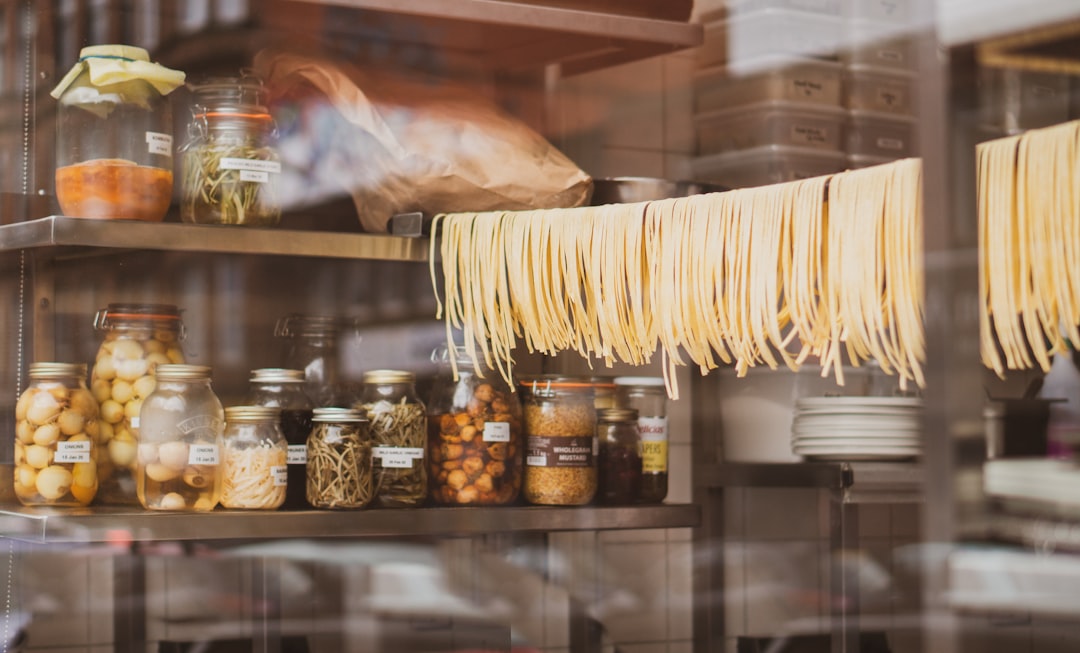
The summer months, while often associated with relaxation and outdoor activities, can present a silent but significant challenge for seniors who rely on food pantries. The rising temperatures, particularly during prolonged heat waves, have a tangible and often detrimental impact on the quality, safety, and nutritional value of the food stored in their pantries. You might not always consider the invisible ways heat affects the provisions you depend on, but understanding these impacts is crucial for ensuring your well-being.
Extreme heat is not merely an inconvenience; it’s a potent chemical agent that can subtly but surely alter the composition of your stored food. This isn’t about immediate spoilage in most cases, but rather a gradual degradation that compromises what you eat.
Accelerating Oxidation: The Slow Erosion of Nutrients
Oxidation is a natural process that affects many foods, but elevated temperatures significantly speed it up. Think of it like rust forming on metal, but on a molecular level within your food.
The Role of Fats and Oils: Rancidity’s Unwanted Arrival
Fats and oils, ubiquitous in many pantry staples like nuts, seeds, crackers, and even shelf-stable dairy alternatives, are particularly vulnerable to oxidation. When exposed to heat, the unsaturated fatty acids within them break down, leading to the formation of peroxides and aldehydes. This process is perceived as rancidity, characterized by unpleasant off-flavors and odors. While not always immediately hazardous, rancid fats can contribute to inflammation and other negative health outcomes over time. You might notice a stale, “off” taste in products that were once perfectly fine.
Vitamins Under Siege: The Dissipation of Essential Nutrients
Many vitamins, particularly the fat-soluble ones like A, D, E, and K, are susceptible to degradation by heat. Water-soluble vitamins, such as the B vitamins and vitamin C, can also be affected, though their pathways of destruction may differ. Heat can catalyze chemical reactions that break down the molecular structure of these vital compounds. This means that a can of peaches, while appearing visually intact, might contain substantially less vitamin C than it did when it was canned and stored in cooler conditions. The overall nutritional potency of your food diminishes, making it harder for your body to absorb the benefits of what you consume.
Moisture Migration and Textural Changes: The Subtle Sabotage
Heat can also influence the physical state of food, leading to undesirable textural shifts and a compromised eating experience.
The Softening of Crispness: A Loss of Desirable Texture
Foods that are meant to be crisp, like crackers, cereals, and dried fruits, can absorb moisture from the surrounding air when stored in warm, humid environments. This moisture migration softens them, rendering them unappetizing and less enjoyable to eat. Even a slight softening can make a crunchy snack less satisfying, impacting the sensory pleasure you derive from your meals.
The Clumping of Powders: A Practical Pantry Problem
Sugar, flour, powdered milk, and other dry goods are prone to clumping in warm and humid conditions. As heat increases, ambient moisture can condense on the surface of these fine particles, causing them to stick together. This makes them difficult to measure and incorporate into recipes, creating practical frustrations when you’re trying to prepare a meal. You might find yourself struggling to break up large clumps of sugar or trying to sift flour that has formed solid masses.
As temperatures rise, it’s essential for seniors to be aware of how heat can impact the safety and quality of pantry food. An informative article on this topic can be found at Explore Senior Health, which discusses the importance of proper food storage and the potential risks associated with heat exposure. By understanding these factors, seniors can better protect their health and ensure that their pantry items remain safe for consumption.
Microbial Menace: Heat as a Catalyst for Bacterial Growth
While many pantry foods are shelf-stable due to processing and low moisture content, heat can create an environment where potentially harmful microorganisms can begin to proliferate if certain conditions are met.
The Threshold of Danger: Rethinking “Safe” Temperatures
Food safety guidelines often mention specific temperature ranges for refrigeration and freezing, but the impact of prolonged exposure to temperatures below refrigeration but above a true cool is often overlooked. Even ambient temperatures that feel merely warm to you can be a breeding ground for bacteria.
The Rise of Spoilage Microbes: Beyond the Unpleasant Odor
Spoilage bacteria, while not always pathogenic, can significantly degrade food quality, producing off-flavors, odors, and textures. These are the microbes that turn seemingly good food into something inedible. Their growth is directly influenced by temperature, with warmer conditions accelerating their metabolic processes.
The Dormant Threat: Pathogens and Their Reawakening
More concerning are the pathogenic bacteria, such as Clostridium perfringens or Bacillus cereus, which can produce toxins. While these bacteria may lie dormant in certain low-moisture foods, elevated temperatures can encourage their growth and toxin production. You might not see, smell, or taste these toxins, meaning you could be consuming a food that appears perfectly fine but has the potential to cause foodborne illness. The risk is particularly amplified if the food has been previously opened or if there has been any compromise to its packaging.
Perishability in Disguise: When Shelf-Stable Becomes Less So
The term “shelf-stable” implies a long lifespan without refrigeration. However, this stability is relative and highly dependent on storage conditions.
Canned Goods: Resilience Tested by Heat
Canned goods, due to their airtight sealing and heat processing, are generally very stable. However, prolonged exposure to high temperatures can weaken the integrity of the can itself. You might notice bulging cans, which is a sign of gas production inside, potentially from microbial activity. Even without visible signs, extreme heat can degrade the quality of the food within, affecting its texture and nutritional content over time. The metallic taste that can sometimes develop in canned goods can be exacerbated by heat.
Dried Foods: Vulnerability to Moisture and Pests
Dried foods, such as pasta, rice, beans, and flours, are also generally shelf-stable. However, heat can increase their susceptibility to moisture absorption from the air, which can then lead to mold growth. Furthermore, warmer temperatures can attract pantry pests like weevils and moths. These pests not only contaminate the food but can also create small openings in packaging, further compromising the food’s safety and quality.
Packaging Integrity: The First Line of Defense Under Siege
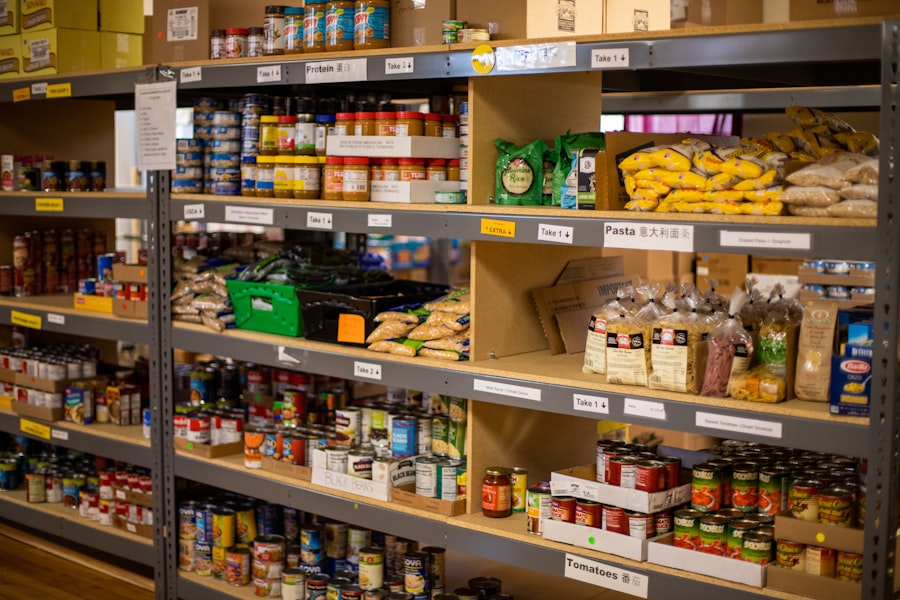
The packaging that encases your food is designed to protect it from external contaminants and environmental factors. Heat, however, can compromise this protective barrier.
Plastic’s Pliability: Softening and Deforming Under Pressure
Many pantry items are stored in plastic bags, pouches, or containers. High temperatures can cause these plastics to soften, warp, and even melt. This can lead to the seal breaking, exposing the food to air, moisture, and contaminants.
Compromised Seals: An Open Invitation to Contamination
When plastic packaging deforms due to heat, the seals that were once airtight can become loose or crack. This creates an easy entry point for airborne bacteria, mold spores, and insects. You might observe condensation forming inside a plastic bag, an indicator of moisture ingress, which is a precursor to spoilage.
Leaching Concerns: The Transfer of Unwanted Substances
Certain types of plastic packaging can leach chemicals into food, especially when exposed to heat. While regulatory bodies set standards for food-grade plastics, prolonged exposure to high temperatures can potentially increase the migration of these chemicals into your food. This is a concern that, while not always immediately apparent, can have long-term health implications.
Cardboard’s Compromise: Weakening and Moisture Absorption
Cardboard boxes, often used to package multiple units of canned goods or other dry goods, are also susceptible to heat and humidity.
Structural Weakness: Boxes Become Less Protective
Warm, humid conditions can weaken the structural integrity of cardboard, making it more prone to tearing or crushing. This can compromise the protection the boxes offer, especially if they are stacked. A weakened box can lead to damage to the contents within.
Moisture Absorption: A Haven for Mold and Rot
Cardboard readily absorbs moisture. In a hot and humid environment, this can lead to the cardboard becoming damp, promoting mold growth and even rot. This not only degrades the packaging but can also transfer unpleasant odors and potentially harmful contaminants to the food inside. You might notice a musty smell emanating from a cardboard box that has been subjected to high temperatures.
The Nutritional Net Loss: How Heat Affects the “Goodness” In Your Food
Beyond immediate spoilage and safety concerns, heat exerts a more subtle but equally important impact on the nutritional density of your pantry staples. This is about the gradual depletion of the very elements your body needs to thrive.
Vitamin Vanishing Act: The Disappearance of Essential Micronutrients
As previously touched upon, heat is a significant antagonist of vitamins.
Heat-Labile Vitamins: The Most Vulnerable Players
Vitamins such as vitamin C, thiamin (B1), and folate are particularly sensitive to heat. Even moderate temperatures over extended periods can lead to a substantial loss of these vital nutrients. This means that a food item that was once a good source of these vitamins might become a significantly poorer one simply due to how it was stored.
Fat-Soluble Vitamins: A Slower, But Still Present, Decline
Vitamins A, D, E, and K are more stable than their water-soluble counterparts, but they are not immune to heat-induced degradation. Extended exposure to high temperatures can still lead to a gradual decline in their potency. The implications of this nutrient loss are cumulative; over time, your diet may become less effective at providing you with the micronutrients your body requires for optimal function.
Antioxidant Attrition: Weakening Your Body’s Defenses
Many plant-based foods in your pantry, such as dried fruits, nuts, and certain grains, contain beneficial antioxidants. These compounds help protect your cells from damage. Heat can accelerate the breakdown of these precious antioxidants, diminishing their protective capacity. This means that the very foods that might offer you some protection against cellular damage are themselves being degraded by the heat.
Protein Denaturation: A Subtle Shift in Building Blocks
While proteins are generally more stable than vitamins, prolonged exposure to high temperatures can cause them to denature. This process alters their three-dimensional structure, which can, in some cases, affect their digestibility and bioavailability. While not a cause for immediate alarm, this subtle change contributes to the overall erosion of nutritional value. You might not notice the difference in texture, but the protein’s ability to be utilized by your body can be subtly impacted.
As temperatures rise, it’s essential for seniors to be aware of how heat can impact the food stored in their pantries. High temperatures can lead to spoilage and reduce the shelf life of various items, making it crucial for older adults to monitor their food supplies regularly. For more insights on this topic, you can read a related article that discusses the effects of heat on pantry food for seniors by visiting this link. Staying informed can help ensure that seniors maintain a safe and healthy pantry.
Mitigation Strategies: Protecting Your Pantry From the Summer Swelter
| Food Item | Effect of Heat |
|---|---|
| Canned goods | May cause spoilage and affect taste |
| Dry goods (rice, pasta) | May become stale or attract pests |
| Flour and baking mixes | May develop rancid flavors |
| Oil and vinegar | May become rancid or lose flavor |
| Cereal and granola | May become stale or attract pests |
Understanding the impact of heat is the first step; actively protecting your pantry is the next. Fortunately, several practical measures can help safeguard your food supply.
Optimizing Storage Locations: Finding the Coolest Spots
The most effective defense against heat is to store your food in the coolest, darkest, and driest areas available.
Basements and Cellars: Natural Havens of Coolness
If you have access to a basement or a cellar, these areas often maintain a more stable and cooler temperature than the main living spaces of your home, even during the summer. Ensuring these spaces are well-ventilated can further prevent the buildup of humidity.
Interior Closets and Cupboards: Strategic Placement Matters
Within your living space, opt for interior closets or cupboards that are not adjacent to exterior walls, windows, or heat-generating appliances like ovens and refrigerators. These inner spaces tend to be less affected by external temperature fluctuations. Avoid storing food directly on the floor, as this can also be a source of cooler air.
Utilizing Insulated Containers: Creating a Micro-Climate
Insulated containers can act as a buffer against rising temperatures, providing a temporary shield for your food.
Cooler Bags and Boxes: Effective for Short-Term Preservation
Reusable cooler bags and insulated boxes, often used for groceries, can be repurposed to store your pantry items during periods of extreme heat. While not a replacement for proper storage, they can offer a degree of protection for items you intend to use in the short term, preventing them from reaching critical temperatures.
Vacuum Sealing: A Barrier Against Air and Moisture
Vacuum sealing can be an effective method for extending the shelf life of dried goods and even some prepared foods. By removing air and sealing the food in a tight-fitting bag, you create a barrier against moisture and oxygen, both of which are accelerated by heat. This can help maintain texture and prevent oxidation.
Regular Inventory and Rotation: Use Older Items First
A proactive approach to managing your pantry can significantly reduce the impact of heat.
“First In, First Out” (FIFO): A Simple Yet Effective System
Implement a “first in, first out” system for your pantry. This means using the oldest items first, ensuring that food doesn’t sit on shelves for extended periods, potentially degrading due to prolonged exposure to warmer temperatures. Visually inspect items as you put them away and when you retrieve them.
Diligent Inspection: Spotting Early Signs of Trouble
Make it a habit to regularly inspect your pantry for any signs of spoilage or damage. This includes checking for bulging cans, torn packaging, signs of mold, or the presence of pests. Addressing issues early can prevent further contamination or the consumption of compromised food. Your vigilance is your primary defense.
FAQs
1. How does heat affect pantry food for seniors?
Heat can cause pantry food for seniors to spoil more quickly, as it can accelerate the growth of bacteria and mold. This can lead to foodborne illnesses and decrease the nutritional value of the food.
2. What are some common pantry items that are affected by heat?
Common pantry items that are affected by heat include canned goods, dry goods such as pasta and rice, and packaged snacks. Heat can cause these items to spoil, lose their flavor, and decrease in nutritional value.
3. How can seniors protect their pantry food from heat?
Seniors can protect their pantry food from heat by storing it in a cool, dry place away from direct sunlight and heat sources such as stoves and ovens. It’s also important to check the expiration dates and rotate the stock regularly to ensure freshness.
4. What are the potential health risks of consuming pantry food affected by heat?
Consuming pantry food affected by heat can pose health risks such as food poisoning, stomach upset, and decreased nutritional intake. Seniors are particularly vulnerable to these risks, as their immune systems may be weaker and they may have underlying health conditions.
5. Are there any specific guidelines for seniors to follow when storing pantry food in hot climates?
Seniors living in hot climates should take extra precautions when storing pantry food. It’s important to keep the pantry well-ventilated and use air conditioning or fans to maintain a cool temperature. Additionally, consider investing in a thermometer to monitor the temperature and ensure it stays within a safe range for food storage.