You’re an active senior, enjoying your independence, and your kitchen is central to that. You take pride in a well-stocked pantry, a space that should be convenient and well-organized. However, as we age, sometimes maintaining certain aspects of our homes, like the pantry, can present challenges. One significant concern that can arise is moisture and the subsequent growth of mold. This isn’t just an aesthetic problem; it can impact the safety and usability of your food stores and potentially affect your respiratory health.
This article aims to provide you with practical, actionable advice on how to identify, prevent, and address moisture and mold issues in your senior pantry. You’ll learn about the contributing factors, effective strategies for prevention, and what to do if you suspect mold is already present. Maintaining a dry, clean pantry is achievable and essential for your well-being and the longevity of your stored goods.
You might not always think about it, but your pantry is a microclimate. It’s a space where food items are stored, often for extended periods. When moisture enters this environment, it creates ideal conditions for mold spores, which are virtually everywhere, to proliferate.
The Impact of Humidity on Food Storage
Humidity is the amount of water vapor present in the air. Even if you don’t see visible puddles, consistently high humidity levels can have detrimental effects.
Degraded Food Quality and Safety
High humidity can cause dry goods like flour, sugar, and cereal to clump, become stale, and lose their nutritional value. More critically, it can create a breeding ground for bacteria and mold, rendering food unsafe for consumption. You don’t want to discover fuzzy patches on your bread or an odd smell emanating from your canned goods.
Packaging Compromises
Many pantry items are packaged in materials that are not entirely impervious to moisture. Cardboard boxes, paper bags, and even some plastic wrappers can absorb moisture, leading to their degradation. This not only makes the product less appealing but can also compromise its seal, exposing the contents to spoilage. Think about how a cereal box can become soggy and lose its structural integrity when left in a damp environment.
The Health Concerns Associated with Mold
Mold isn’t just an unpleasant sight; it poses a genuine health risk, especially for seniors who may have pre-existing respiratory conditions or a compromised immune system.
Respiratory Issues and Allergies
Inhaling mold spores can trigger or exacerbate allergies, asthma, and other respiratory problems. Symptoms can range from sneezing, coughing, and runny nose to more serious issues like shortness of breath and lung infections. You might find yourself experiencing unexplained respiratory discomfort, which could be linked to mold in your environment.
Other Health Impacts
Beyond respiratory issues, exposure to mold can lead to headaches, skin rashes, and eye irritation. Certain types of mold produce mycotoxins, which can have more severe health consequences if inhaled or ingested. Your health is paramount, and a moldy pantry is a threat to it.
Moisture control is crucial in maintaining a healthy environment for seniors, especially in pantry spaces where food is stored. Mold can thrive in damp conditions, posing health risks to older adults. For more insights on managing moisture and preventing mold in senior pantries, you can refer to this informative article at Explore Senior Health. This resource provides practical tips and strategies to ensure that pantry spaces remain safe and hygienic for seniors.
Identifying Potential Moisture Sources in Your Pantry
The first step in preventing mold is understanding where the moisture is coming from. You need to become a bit of a detective in your own home.
Common Entry Points for Moisture
Moisture can enter your pantry from various sources, some obvious and some less so.
Leaky Pipes and Plumbing Issues
If your pantry is adjacent to a bathroom or kitchen sink, there’s a risk of leaks from pipes. Even a slow drip can saturate walls, flooring, and shelving over time, creating the perfect environment for mold growth. Regularly inspect the walls and floors around your pantry for any signs of dampness, discoloration, or peeling paint, which could indicate underlying water damage.
Inadequate Ventilation
Lack of proper airflow is a significant contributor to moisture buildup. If your pantry is a completely enclosed space with no windows or vents, the air can become stagnant and humid, especially after cooking or washing dishes. Over time, this trapped moisture will condense on cooler surfaces.
Condensation
Condensation occurs when warm, moist air comes into contact with a cooler surface. This is particularly common in pantries located near exterior walls or in basements, especially during warmer months when the outside air is humid. You might notice droplets of water on the inside of your pantry walls or on the packaging of food items.
Environmental Factors
Beyond direct leaks, broader environmental factors can play a role.
External Water Intrusion
Heavy rains or poor exterior drainage can lead to water seeping into your home’s foundation and potentially migrating into your pantry, especially if it’s located on a lower level or near an exterior wall. Ensure gutters are clean and downspouts direct water away from your house’s foundation.
High Ambient Humidity
In certain climates, general ambient humidity can be consistently high. If your home isn’t adequately dehumidified, this moisture can permeate your pantry over time, even without obvious leaks.
Proactive Prevention Strategies: Keeping Your Pantry Dry
Once you understand the risks and potential sources, you can implement strategies to keep your pantry dry and mold-free. Prevention is far easier and less costly than remediation.
Enhancing Airflow and Ventilation
Good air circulation is your best defense against moisture buildup.
Installing Vents or Small Fans
If your pantry is a walk-in space, consider installing passive vents or even a small, low-energy exhaust fan. For smaller cabinet pantries, leaving the doors ajar periodically, especially after cooking or during drier weather, can help. A small battery-operated fan placed inside can also circulate air.
Strategic Door Management
Don’t keep your pantry doors shut tight all the time, especially if you notice a stuffy atmosphere. Opening them for at least an hour each day can make a significant difference. If your pantry has a fan, you can time its operation to align with when you typically use the space.
Controlling Humidity Levels
Actively managing humidity is crucial for long-term prevention.
Using Dehumidifiers
A small, portable dehumidifier can be a game-changer for pantries prone to dampness. Place it in the pantry and empty the collection tank regularly. Some models can be connected to a drain hose for continuous operation. Ensure the dehumidifier is appropriate for the size of your pantry.
Moisture Absorbers
For less severe humidity issues, or as a supplementary measure, consider using moisture-absorbing products. These often contain silica gel or calcium chloride and can be placed on shelves to draw moisture out of the air. You’ll need to replace them periodically as they become saturated.
Proper Storage and Organization Techniques
How you store your food and organize your pantry also plays a role.
Airtight Containers
Invest in good quality, airtight containers for dry goods like flour, sugar, pasta, and rice. These containers not only prevent spoilage from air and pests but also help to create a barrier against ambient moisture. Plastic, glass, or metal containers with tight-fitting lids are ideal.
Avoid Overcrowding
A tightly packed pantry restricts airflow. Leave some space between items on shelves to allow air to circulate more freely. This also makes it easier to inspect items for signs of spoilage or mold.
Elevate Items from the Floor
Never store items directly on the pantry floor, especially if it’s concrete. Moisture can wick up from the floor. Use shelves, racks, or even plastic bins to keep items elevated.
Addressing Existing Moisture Problems and Detectiing Mold
If you suspect moisture or see signs of mold, it’s important to act promptly and safely.
Conducting Regular Inspections
Make it a habit to regularly check your pantry, even if you don’t think there’s a problem.
Visual Checks
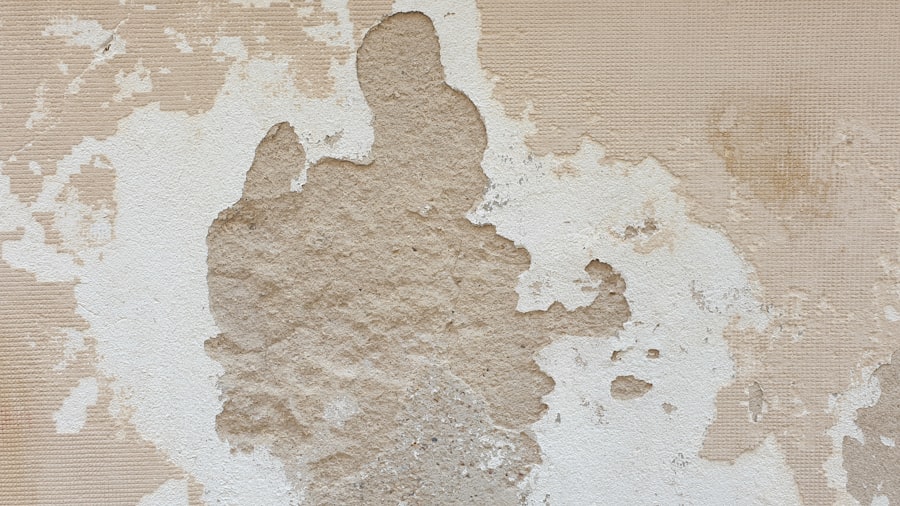
Look for any signs of dampness, water stains, discoloration on walls or shelves, or peeling paint. Pay close attention to corners, the base of shelves, and areas near pipes.
Olfactory Checks
Mold often has a distinct musty or earthy odor. If you notice any unusual smells emanating from your pantry, investigate further. Even if you can’t see anything, the smell is a strong indicator.
Tactile Checks
Feel the walls, shelves, and packaging of food items. If they feel damp or cool to the touch in an unusual way, it could indicate a moisture problem.
Safe Mold Removal Procedures
If you discover mold, removing it safely is crucial.
Small Scale Remediation
For small areas of surface mold (less than a square foot), you can often tackle it yourself. Wear gloves, a mask (N95 respirator is recommended), and eye protection.
Cleaning Agents
Use a solution of water and mild detergent, or a solution of 1 part bleach to 10 parts water. Never mix bleach with ammonia or other cleaning agents, as this can create toxic fumes. For sensitive surfaces or if you prefer an alternative, use a solution of vinegar or hydrogen peroxide.
Cleaning Process
Scrub the moldy area thoroughly with the cleaning solution and a stiff brush. Rinse the area with clean water and then dry it completely with a cloth or fan. Ensure the area is thoroughly dried before repacking.
When to Call a Professional
If the mold covers a larger area, appears to be growing behind walls or under flooring, or if you have significant respiratory issues, it’s best to call a professional mold remediation service. They have the expertise and equipment to safely and effectively remove mold and address the underlying cause.
Managing moisture and mold in senior pantries is crucial for maintaining a safe and healthy environment for older adults. For those looking for more information on this topic, a helpful resource can be found in a related article that discusses effective strategies for preventing mold growth and ensuring proper food storage. You can read more about it in this informative piece on senior health. Keeping pantries dry and well-organized not only protects food items but also promotes overall well-being for seniors.
Maintaining a Mold-Resistant Pantry Long-Term
| Location | Moisture Level | Mold Presence |
|---|---|---|
| Pantry 1 | High | Yes |
| Pantry 2 | Low | No |
| Pantry 3 | Medium | Yes |
Preventing mold isn’t a one-time task; it requires ongoing vigilance and maintenance.
Regular Pantry Deep Cleans
Beyond regular checks, schedule periodic deep cleans of your pantry.
Emptying and Cleaning Shelves
Once or twice a year, take everything out of your pantry. Wipe down all shelves, walls, and the floor with a disinfectant cleaner. This is also an excellent opportunity to check expiration dates and discard any outdated items.
Inspecting Packaging
While emptying, inspect all food packaging for any signs of damage, spoilage, or insect infestation. Discard anything questionable immediately.
Monitoring and Adjusting Strategies
Your home and its environment can change. Your prevention strategies should adapt accordingly.
Seasonal Adjustments
During humid summer months, you might need to increase the use of your dehumidifier or moisture absorbers. In drier winter months, you might be able to reduce their use.
Responding to Changes in Your Home
If you notice any new leaks, changes in air quality, or other home maintenance issues, reassess your pantry’s moisture control strategies. A problem elsewhere in your home could be impacting your pantry.
Educating Household Members
If other people live with you, ensure they understand the importance of keeping the pantry dry and clean.
Sharing Information
Briefly explain the risks of moisture and mold and how they can help. Simple actions like not leaving pantry doors open for extended periods when it’s very humid outside, or reporting any unusual smells or dampness, can make a difference.
By understanding the moisture dynamics in your pantry and implementing these proactive and responsive strategies, you can ensure your food is stored safely, your home environment is healthier, and you can continue to enjoy the convenience and security of a well-maintained pantry. This proactive approach is a vital part of maintaining your home and your overall well-being as you enjoy your senior years.
FAQs
What causes moisture and mold in senior pantries?
Moisture and mold in senior pantries can be caused by a variety of factors, including poor ventilation, leaks or water damage, high humidity levels, and improper food storage.
Why is it important to address moisture and mold in senior pantries?
Moisture and mold in senior pantries can pose serious health risks, especially for seniors who may have weakened immune systems. Mold exposure can lead to respiratory issues, allergies, and other health problems.
How can seniors prevent moisture and mold in their pantries?
Seniors can prevent moisture and mold in their pantries by ensuring proper ventilation, fixing any leaks or water damage, using a dehumidifier if necessary, and storing food in airtight containers to prevent moisture buildup.
What are the signs of moisture and mold in a pantry?
Signs of moisture and mold in a pantry include musty odors, visible mold growth on walls or food items, warped or discolored shelves, and condensation on surfaces.
How can seniors safely clean and remove mold from their pantries?
Seniors should wear protective gear such as gloves and a mask when cleaning mold in their pantries. They can use a mixture of water and detergent to scrub surfaces, and for more severe cases, they may need to consult a professional for mold remediation.