
You’re at a point in your life where you’re likely thinking more about maintaining your well-being and enjoying your golden years with vitality. As you age, your body’s needs change, and understanding how to support it effectively becomes a priority. Two components that have gained attention for their potential benefits in boosting senior health are collagen and Greek yogurt. You might be wondering about their specific roles and how you can incorporate them into your diet. This article aims to provide you with a clear, practical overview, focusing on what you need to know without resorting to hyperbole.
You’ve probably heard of collagen as a key ingredient in anti-aging creams, but its significance extends far beyond topical applications. Collagen is the most abundant protein in your body, forming the building blocks for many of your tissues, including skin, bones, muscles, tendons, and ligaments. For you, as a senior, understanding collagen’s role is crucial because its production naturally declines with age. This decline can manifest in various ways, impacting your physical structure and functionality.
The Structural Importance of Collagen
Your Body’s Natural Scaffold
Think of collagen as the scaffolding that holds your body together. It provides tensile strength and elasticity to your connective tissues. As you get older, the rate at which your body synthesizes new collagen decreases, and existing collagen fibers can become weaker and more brittle. This loss of structural integrity can contribute to common age-related changes.
Impact on Skin Elasticity and Hydration
You might have noticed changes in your skin over time, such as reduced firmness and increased dryness. This is partly due to the decreasing collagen content. Collagen helps your skin retain moisture and maintain its plumpness. When collagen levels drop, skin can become thinner, more prone to wrinkles, and less effective at holding hydration.
Supporting Bone Strength
Your bones are constantly remodeling, and collagen is a significant component of the bone matrix. It provides a framework for minerals like calcium to bind to, giving bones their strength and density. As collagen production declines, your bones may become more fragile, increasing your risk of fractures. This is a critical consideration for maintaining mobility and preventing falls.
Muscle Mass and Joint Health
Collagen is also a key protein in your muscles, tendons, and ligaments. It contributes to muscle mass and helps maintain the flexibility and resilience of your joints. The gradual loss of muscle mass, known as sarcopenia, is a common age-related concern, and collagen plays a role in muscle tissue repair and maintenance. For your joints, sufficient collagen is essential for the health of cartilage, the cushioning tissue that protects your bones. Reduced collagen can lead to stiff joints and discomfort.
For seniors looking to enhance their health and wellness, combining collagen with Greek yogurt can be a beneficial addition to their diet. Collagen, known for its potential to support skin elasticity and joint health, pairs well with Greek yogurt, which is rich in protein and probiotics. To learn more about the advantages of this combination and other health tips for seniors, you can read a related article at Explore Senior Health.
The Science Behind Collagen Supplementation
Given the natural decline in collagen production, you might be curious about whether supplementation can offer benefits. Research into collagen peptides, also known as hydrolyzed collagen, suggests that these smaller fragments of collagen can be absorbed by your body and may support collagen synthesis.
How Collagen Peptides Work
When you consume collagen peptides, your body breaks them down into amino acids and smaller peptides. These are then absorbed into your bloodstream and can be used by your cells to build new collagen. It’s not as simple as a direct transfer of collagen molecules, but rather the provision of the raw materials your body needs.
Types of Collagen to Consider
There are several types of collagen found in the body, with Type I being the most abundant and prominent in skin, bones, and tendons. Type II is primarily found in cartilage, and Type III is present in skin and blood vessels. Many dietary supplements offer collagen peptides derived from sources like bovine (cow), marine (fish), or chicken. The specific type you choose might depend on your particular health concerns, though most supplements aim to provide a blend or focus on Type I and III for general benefits.
Evidence for Specific Benefits
Studies, though still ongoing and requiring further robust research, have explored the impact of collagen supplementation on various aspects of health relevant to seniors.
Joint Comfort and Mobility
Some research indicates that collagen peptide supplementation may help reduce joint pain and improve joint function, particularly in individuals with osteoarthritis. By potentially supporting cartilage health, it could contribute to smoother joint movement.
Bone Mineral Density
Preliminary studies suggest that collagen supplementation, often in conjunction with calcium and vitamin D, may have a positive impact on bone mineral density. This could be a supportive measure for maintaining bone strength.
Skin Health Improvements
As mentioned, collagen is vital for skin. Some studies have shown that regular intake of collagen peptides can lead to improvements in skin hydration, elasticity, and a reduction in the appearance of wrinkles.
Incorporating Greek Yogurt into Your Diet
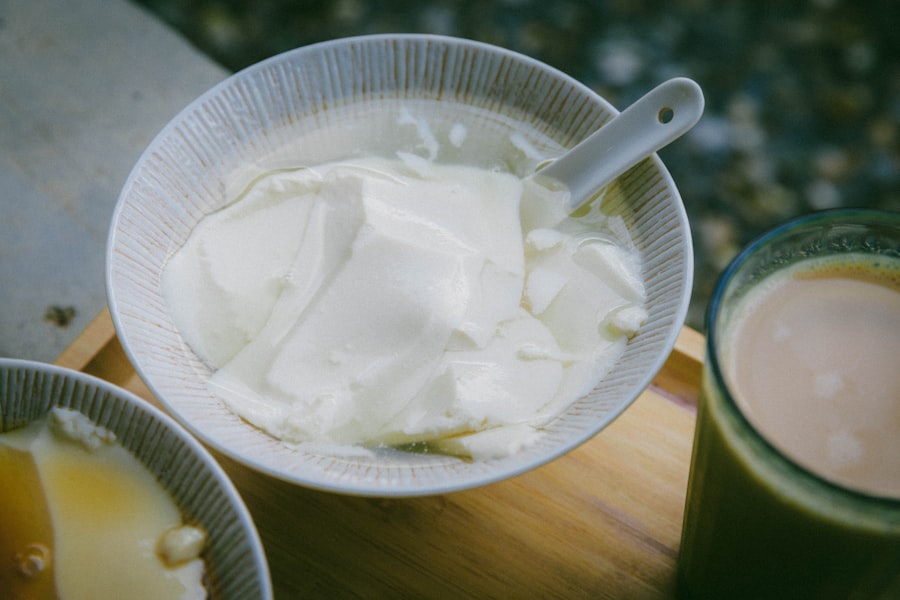
Greek yogurt is a nutrient-dense food that can be a valuable addition to your diet, offering a range of benefits that complement a focus on senior health. Its preparation process, which involves straining to remove whey, results in a thicker, more concentrated yogurt with a higher protein content than regular yogurt.
Nutritional Powerhouse of Greek Yogurt
Protein Content: Essential for Muscle and Satiety
You likely understand the importance of protein for maintaining muscle mass, especially as you age. Greek yogurt is particularly rich in protein, with a single serving often providing a significant portion of your daily requirement. This protein content not only aids in muscle repair and maintenance but also contributes to feelings of fullness, which can be helpful for appetite management.
Calcium for Bone Health
Like dairy products in general, Greek yogurt is a good source of calcium, a mineral vital for strong bones. Adequate calcium intake is crucial throughout life, but it becomes even more important for seniors to help mitigate bone loss and reduce the risk of osteoporosis and fractures.
Probiotics and Gut Health
Fermented foods like Greek yogurt contain probiotics, which are live beneficial bacteria. A healthy gut microbiome is increasingly recognized for its role in overall health, including nutrient absorption, immune function, and even mood. Probiotics can help maintain a balanced gut environment.
Other Micronutrients
Beyond protein and calcium, Greek yogurt also provides other essential micronutrients such as potassium, magnesium, and B vitamins, all of which play various roles in bodily functions.
Synergistic Benefits: Collagen and Greek Yogurt Together

While both collagen and Greek yogurt offer individual advantages, you might be wondering if combining them provides any extra benefits. The synergy lies in their complementary nutritional profiles and how they can both contribute to overlapping health goals.
Protein and Amino Acid Support
Collagen is primarily composed of amino acids, particularly glycine, proline, and hydroxyproline. Greek yogurt, being a complete protein source, also provides a spectrum of amino acids. When you consume them together, you’re providing your body with a broader range of building blocks that can support tissue repair, muscle maintenance, and the synthesis of both collagen and other essential proteins. The amino acids from Greek yogurt can potentially aid in the utilization of the amino acids from collagen peptides.
Enhanced Nutrient Absorption Potential
A healthy digestive system is key to absorbing the nutrients from your food. The probiotics in Greek yogurt can contribute to a healthier gut environment, which may indirectly support better absorption of various nutrients, including those from collagen supplements. Furthermore, the combination of protein from yogurt and the specific amino acids in collagen could create a more favorable environment for nutrient uptake.
Holistic Approach to Tissue Health
Your body’s tissues, whether skin, muscle, or bone, are complex and require a variety of nutrients to function optimally. By including both collagen and Greek yogurt in your diet, you’re addressing tissue health from multiple angles. Collagen provides the structural peptides, while the protein, calcium, and other nutrients from Greek yogurt offer essential co-factors and building blocks for overall tissue maintenance and resilience.
Many seniors are exploring the benefits of incorporating collagen into their diets, especially when combined with nutritious options like Greek yogurt. This combination not only enhances the protein content but also supports skin health and joint function. For those interested in learning more about the advantages of collagen and how it can be effectively integrated into a senior’s diet, a related article can be found at Explore Senior Health, which provides valuable insights and tips for maintaining overall well-being.
Practical Tips for Incorporating These Foods
“`html
| Benefits | Metrics |
|---|---|
| Improved skin health | Increased collagen production |
| Joint pain relief | Reduced joint discomfort |
| Better digestion | Improved gut health |
| Enhanced muscle mass | Increased muscle strength |
“`
Making dietary changes should be gradual and sustainable. Here are some practical ways you can integrate collagen and Greek yogurt into your daily routine without it feeling like a chore.
Simple Ways to Consume Greek Yogurt
Breakfast Staples
You can enjoy Greek yogurt as a base for your breakfast. Top it with berries, a sprinkle of nuts or seeds (like chia or flax), and perhaps a drizzle of honey for added flavor and nutrients. You can also add it to smoothies for a protein boost.
Versatile Ingredient
Beyond breakfast, Greek yogurt can be used in various recipes. It can serve as a creamy base for dips and dressings, or as a substitute for sour cream in some dishes. Its tanginess can add depth to savory sauces and marinades.
Smart Collagen Supplementation Strategies
Choosing the Right Supplement
When selecting a collagen supplement, look for reputable brands and consider the type of collagen offered. Hydrolyzed collagen peptides are generally easier to digest and absorb. Reading reviews and consulting with a healthcare professional can help you make an informed choice.
Mixing with Beverages
Collagen peptides are typically flavorless and dissolve easily in both hot and cold liquids. You can stir them into your morning coffee or tea, juice, or even water. Some people prefer to add them to their smoothies or shakes.
Combining for Meals
Consider adding Greek yogurt and collagen to the same meal or snack. For example, you could mix a scoop of collagen peptides into your morning Greek yogurt parfait, or add them to a protein smoothie that also includes Greek yogurt.
Consistency is Key
As with most dietary interventions, consistency is important. Aim to incorporate these foods regularly to potentially see and feel the benefits over time. It’s about making sustainable choices that support your long-term health.
By understanding the roles of collagen and Greek yogurt, and by finding practical ways to include them in your diet, you can take proactive steps towards boosting your health and well-being in your senior years, supporting your body’s needs with a focus on sustained vitality.
FAQs
1. What are the benefits of taking collagen with Greek yogurt for seniors?
Collagen is known to support joint health, improve skin elasticity, and promote overall bone health. When combined with Greek yogurt, seniors can also benefit from the added protein, calcium, and probiotics that Greek yogurt provides.
2. How should seniors incorporate collagen and Greek yogurt into their diet?
Seniors can easily incorporate collagen into their diet by adding it to their Greek yogurt. They can also blend collagen powder into a smoothie with Greek yogurt or mix it into oatmeal for a nutritious breakfast option.
3. Are there any potential side effects of taking collagen with Greek yogurt for seniors?
Collagen and Greek yogurt are generally safe for seniors to consume. However, individuals with allergies to dairy or specific collagen sources should consult with a healthcare professional before incorporating these supplements into their diet.
4. What are some other sources of collagen for seniors besides Greek yogurt?
Seniors can also obtain collagen from sources such as bone broth, chicken, fish, and egg whites. Additionally, collagen supplements are available in various forms, including powders, capsules, and liquid.
5. Can seniors expect to see noticeable improvements in their health from taking collagen with Greek yogurt?
While individual results may vary, many seniors report improvements in joint pain, skin elasticity, and overall well-being after incorporating collagen and Greek yogurt into their daily routine. It’s important to note that consistency is key, and results may take time to become noticeable.