
Collagen vs. Real Protein: Which is Better for Muscle Mass?
The quest for increased muscle mass is a cornerstone of fitness and athletic goals for many. You’re diligently hitting the gym, pushing your limits, and paying attention to your diet. When it comes to fueling that muscle growth, protein is often the star of the show. However, you might have seen collagen supplements gaining traction, and questions arise: what’s the difference between collagen and “real” protein, and which one truly serves your muscle-building aspirations best? This exploration aims to demystify these two protein sources, dissect their roles in muscle regeneration and growth, and provide you with the clarity you need to make informed decisions about your supplementation.
Before diving into the specifics of collagen versus other protein sources, it’s crucial to grasp the fundamental nature of protein itself. You understand that proteins are essential macronutrients, the workhorses of your body, carrying out a vast array of functions. At their core, proteins are complex molecules made up of smaller units called amino acids, linked together in long chains. These amino acids are the fundamental building blocks, and it’s their specific arrangement and types that dictate the protein’s unique structure and function.
The Amino Acid Spectrum
There are 20 common amino acids, broadly categorized into two groups: essential and non-essential.
Essential Amino Acids: The Non-Negotiables
These are the amino acids your body cannot synthesize on its own. You must obtain them through your diet. For muscle protein synthesis, the process by which your body builds and repairs muscle tissue, certain essential amino acids play a particularly critical role. You’ve likely heard of branched-chain amino acids (BCAAs) – leucine, isoleucine, and valine – which are a subset of essential amino acids that are directly involved in stimulating muscle protein synthesis. Leucine, in particular, is considered the primary trigger for this process.
Non-Essential Amino Acids: The Body’s Contributors
These are the amino acids your body can produce, usually from other amino acids or metabolic intermediates. While not as directly pivotal in triggering muscle protein synthesis as the essential ones, they are still vital components of muscle tissue and contribute to its overall structure and function.
The Importance of Complete Proteins
For optimal muscle building, you need what are known as “complete proteins.” These are protein sources that contain all nine essential amino acids in sufficient quantities. Animal-based proteins like meat, poultry, fish, eggs, and dairy are generally complete proteins. Plant-based sources can also be complete, though some may be lower in one or two essential amino acids, requiring careful combination to create a complete amino acid profile.
When considering the best sources of protein for muscle mass, it’s essential to understand the differences between collagen and real protein. While collagen is often praised for its benefits to skin and joint health, it may not provide the same muscle-building advantages as complete proteins found in sources like meat, dairy, and legumes. For a deeper dive into this topic, you can read more in the article available at Explore Senior Health, which discusses the implications of protein types on muscle development and overall health.
Delving into Collagen: Structure and Function
Now, let’s turn our attention to collagen. You encounter collagen in various forms, often marketed for skin health, joint support, and even hair and nail strength. But how does it fit into the muscle-building equation? Collagen is the most abundant protein in your body, a structural protein that provides strength and integrity to connective tissues. Think of it as the scaffolding that holds your body together.
The Unique Amino Acid Profile of Collagen
Here’s where the distinction begins to become clearer. While collagen is indeed a protein, its amino acid composition is quite different from that of muscle tissue. Collagen is predominantly composed of three amino acids: glycine, proline, and hydroxyproline. You’ll find a significantly lower proportion of essential amino acids, particularly those crucial for muscle protein synthesis like leucine, in collagen compared to sources like whey, casein, or even plant-based proteins.
Glycine: The Abundant Partner
Glycine is the simplest amino acid and makes up a substantial percentage of collagen’s structure. While it plays roles in various bodily functions, including neurotransmission, it is not directly considered a primary driver of muscle protein synthesis.
Proline and Hydroxyproline: The Structural Pillars
Proline, and its modified form hydroxyproline, are essential for the formation of collagen’s characteristic triple helix structure. This structure gives collagen its tensile strength. Again, these are not the key players you’re looking for when aiming to maximize muscle hypertrophy.
Collagen’s Role Beyond Muscle Synthesis
It’s important not to dismiss collagen entirely. Its structural role is indispensable for overall bodily health. You need collagen for:
- Joint Health: It’s a primary component of cartilage, the cushioning material in your joints.
- Bone Integrity: Collagen provides the organic framework for bones.
- Skin Elasticity: It’s crucial for maintaining your skin’s firmness and suppleness.
- Connective Tissue Strength: Tendons and ligaments rely heavily on collagen for their resilience.
If your primary goal is to support joint health and connective tissue, collagen can be a valuable addition to your regimen, but its direct impact on muscle mass accumulation is limited.
The Muscle Protein Synthesis Engine: Real Protein Sources

When you refer to “real protein” in the context of muscle mass, you’re typically referring to protein sources that are rich in essential amino acids, particularly those that efficiently stimulate muscle protein synthesis. These are the proteins that provide the necessary substrates for your body to repair damaged muscle fibers after exercise and to build new muscle tissue.
Whey Protein: The Rapid Responder
Whey protein is a byproduct of cheese production and is one of the most popular protein supplements for muscle building. You’ll find it breaks down quickly in your digestive system, leading to a rapid increase in blood amino acid levels.
The Leucine Powerhouse
Whey protein is famously high in BCAAs, especially leucine. This high leucine content is what makes whey so effective at initiating and sustaining muscle protein synthesis. Its rapid absorption profile makes it particularly beneficial post-workout, when your muscles are primed for repair and growth.
Different Forms of Whey
You might also encounter different forms of whey, such as:
- Whey Concentrate: Contains some fat and carbohydrates (lactose). Typically around 70-80% protein.
- Whey Isolate: Further processed to remove most fat and lactose, resulting in a higher protein percentage (90% or more).
- Whey Hydrolysate: Pre-digested, meaning the protein chains are broken down into smaller peptides, leading to even faster absorption.
The choice between these often comes down to individual goals, tolerance, and budget.
Casein Protein: The Slow and Steady Builder
Casein protein is the other major protein found in milk, making up about 80% of its protein content. Unlike whey, casein digests slowly, releasing amino acids gradually over an extended period.
Sustained Release Benefits
This slow release mechanism provides a steady supply of amino acids, which can be beneficial in preventing muscle protein breakdown, especially during periods of fasting, such as overnight. You might consider casein before bed for this reason.
Complementary to Whey
Casein and whey are often seen as complementary. Whey provides an immediate anabolic signal, while casein offers sustained muscle support.
Other Effective “Real” Protein Sources
Beyond dairy, several other protein sources are highly effective for muscle building:
Meat, Poultry, and Fish: The Whole Food Powerhouses
These are naturally complete proteins, providing all the essential amino acids your body needs. You get not only protein but also a host of other beneficial nutrients like iron, zinc, and B vitamins. You should aim to incorporate these into your regular diet.
Eggs: The All-Rounder
Eggs are a complete protein source of exceptional quality, containing all nine essential amino acids. They are also rich in vitamins and minerals.
Plant-Based Proteins: Diverse and Growing Options
While historically some plant-based proteins were considered incomplete, you now have excellent options that can effectively support muscle growth.
Soy Protein: A Complete Plant Option
Soy protein is one of the few plant-based proteins that is a complete protein, boasting a good amino acid profile.
Pea Protein: Popular and Effective
Pea protein has gained considerable popularity for its amino acid profile, which is relatively high in BCAAs, and its digestibility.
Rice Protein: Often Combined
Rice protein, while lower in lysine, is often combined with other plant proteins like pea protein to create a complete amino acid profile.
Blended Plant Proteins: The Synergistic Approach
You’ll see many plant-based protein powders that are blends of various sources (pea, rice, hemp, etc.) to ensure a comprehensive amino acid spectrum.
Direct Comparison: Collagen vs. “Real” Protein for Muscle Mass
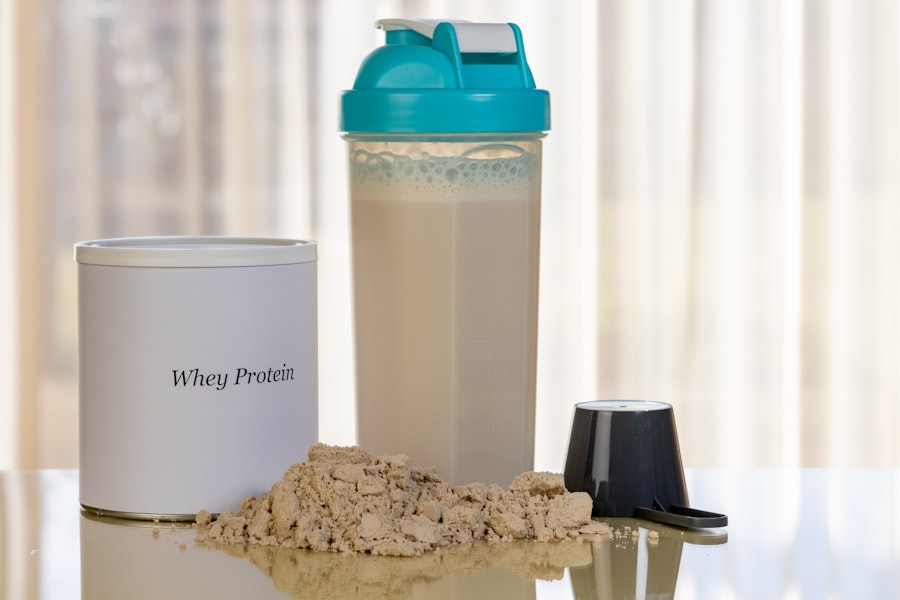
Now, let’s directly pit collagen against the proteins that are specifically geared towards muscle anabolism. When you’re looking to increase muscle mass, your body needs a sufficient supply of essential amino acids to trigger protein synthesis and provide the building blocks for new muscle tissue.
The Amino Acid Deficit in Collagen
The fundamental difference lies in the amino acid profile, as previously discussed. Collagen is significantly deficient in the key essential amino acids that drive muscle protein synthesis. While it provides amino acids, a substantial portion of them are glycine, proline, and hydroxyproline. These are not the amino acids that signal your muscles to grow or provide the most efficient building blocks for muscle fibers.
“Real” Protein: The Muscle-Building Advantage
Proteins like whey, casein, eggs, meat, and adequate plant-based sources (especially those fortified or blended for a complete profile) are rich in essential amino acids, including leucine, lysine, methionine, and others crucial for muscle protein synthesis. Consuming these provides your body with the optimal environment to repair and build muscle tissue in response to your training stimulus.
What About Collagen for Muscle Support?
It’s a common misconception that because collagen is a protein, it will directly contribute to muscle growth in the same way as whey or lean chicken. While you might ingest collagen and it will be broken down into amino acids, the types and proportions of those amino acids are not ideal for muscle hypertrophy.
However, some research explores potential indirect benefits of collagen peptides, particularly hydrolyzed collagen, for muscle recovery and reducing inflammation, which could theoretically aid in the recovery process that precedes muscle growth. But, this is not the same as directly providing the raw materials for muscle synthesis. Think of it this way: if you’re building a house, you need bricks (essential amino acids for muscle building). Collagen provides some materials, but not the right kind or in the right quantities for building the main walls.
When considering the best sources of protein for muscle mass, it’s essential to understand the differences between collagen and real protein. While collagen is known for its benefits in skin and joint health, it may not provide the same muscle-building advantages as complete proteins found in sources like meat, dairy, and legumes. For a deeper dive into this topic, you can read more about the role of various protein types in muscle development in this informative article on senior health. Check it out here to gain insights into how different proteins can impact your fitness goals.
Practical Applications: Supplementing for Muscle Mass
| Comparison | Collagen | Real Protein |
|---|---|---|
| Source | Derived from animal connective tissues | Derived from animal or plant sources |
| Amino Acid Profile | Lower in essential amino acids | Higher in essential amino acids |
| Digestibility | May be less digestible | Highly digestible |
| Muscle Building | May have limited impact on muscle mass | Supports muscle growth and repair |
| Usage | Often used for joint health | Commonly used for muscle building |
When you’re considering your supplement stack for muscle mass, understanding the role of each component is paramount. Your dietary choices and strategic supplementation can significantly impact your progress.
Prioritizing “Real” Protein Sources
For direct muscle building, your priority should be to consistently consume high-quality, complete protein sources. This includes:
- Whole Foods: Lean meats, poultry, fish, eggs, dairy products, and well-planned plant-based meals.
- Protein Powders: Whey, casein, egg white protein, and reputable plant-based blends (soy, pea, rice, etc.) to supplement dietary intake when needed.
You should aim for an adequate daily protein intake, typically ranging from 1.6 to 2.2 grams of protein per kilogram of body weight for individuals aiming to build muscle.
The Role of Collagen in a Muscle-Focused Regimen
If your primary goal is muscle mass, collagen should be considered a secondary or supplemental choice, not a primary protein source for muscle building.
- Joint and Connective Tissue Support: If you experience joint discomfort, or if you’re engaging in high-impact training, collagen might be beneficial for supporting the health of your tendons, ligaments, and cartilage.
- Skin and Hair Health: If these are also personal goals, then collagen can certainly contribute.
- Hydrolyzed Collagen and Recovery: Some athletes use hydrolyzed collagen for its potential to aid in recovery from exercise, possibly due to its glycine content and anti-inflammatory properties. However, this is an area that still warrants more extensive research.
You should integrate collagen in addition to your primary muscle-building protein sources, not as a replacement. For instance, you might have your post-workout whey shake and then consider a collagen supplement later in the day for its other benefits.
Understanding Label Claims
When you review supplement labels, pay close attention to the amino acid breakdown. For muscle-building supplements, you want to see a significant amount of essential amino acids, especially leucine. For collagen supplements, you’ll see labels highlighting glycine, proline, and hydroxyproline. This difference in emphasis reflects their primary functional roles.
Choosing the right supplements is a strategic part of your fitness journey. By understanding the science behind protein and collagen, you can optimize your intake to effectively support your muscle-building goals.
FAQs
What is collagen and how does it differ from real protein?
Collagen is a type of protein that is found in the body’s connective tissues, skin, and bones. It differs from real protein in that it is not a complete protein, meaning it does not contain all the essential amino acids necessary for muscle growth and repair.
Can collagen be used to build muscle mass?
While collagen is important for overall health and can support joint and skin health, it is not as effective as real protein for building muscle mass. Collagen lacks the essential amino acids needed for muscle growth and repair, making it less effective for this purpose.
What are the best sources of real protein for muscle mass?
The best sources of real protein for muscle mass include lean meats, poultry, fish, eggs, dairy products, and plant-based sources such as beans, lentils, and quinoa. These sources provide all the essential amino acids necessary for muscle growth and repair.
Are there any benefits to consuming collagen for muscle health?
While collagen may not be as effective as real protein for building muscle mass, it does have other benefits for muscle health. Collagen can support joint health, reduce inflammation, and improve recovery after exercise, which can indirectly support muscle health.
Should I choose collagen or real protein for muscle mass?
If your goal is to build and maintain muscle mass, it is best to prioritize real protein sources that provide all the essential amino acids necessary for muscle growth and repair. Collagen can still be beneficial for overall health, but it should not be relied upon as the primary source of protein for muscle mass.