You’ve likely heard about collagen and its purported benefits for skin, joints, and gut health. You might even be incorporating collagen supplements into your routine, perhaps stirring them into your morning coffee – a popular and convenient way to get your daily dose. But with the steaming heat of your brewed beverage, a question might arise: does that heat destroy the collagen you’re diligently consuming?
Let’s delve into this, examining the science behind collagen and heat to determine the impact on your coffee.
Before we address the heat question, it’s crucial to understand what collagen actually is. Collagen is the most abundant protein in your body, acting as a foundational building block for various connective tissues. Think of it as the scaffolding that holds your skin, bones, tendons, ligaments, and cartilage together. Its unique triple-helix structure gives these tissues their strength and elasticity.
Collagen’s Molecular Structure
Structurally, collagen is a complex protein. It’s composed of amino acids, with glycine, proline, and hydroxyproline being particularly prevalent. These amino acids link together to form long, fibrous chains. Three of these chains then twist around each other to create the characteristic triple helix. This intricate arrangement is what gives collagen its remarkable tensile strength.
Amino Acid Composition
The specific ratio and sequence of amino acids are fundamental to collagen’s function. Glycine, being the smallest amino acid, plays a vital role in allowing the tight packing of the triple helix. Proline and hydroxyproline are also key, contributing to the stability and rigidity of the structure. Variations in these amino acid sequences can lead to different types of collagen, each with specific roles in the body.
The Triple Helix Formation
The formation of the triple helix is a sophisticated biological process. It involves the folding and cross-linking of individual polypeptide chains. This three-dimensional structure is not only strong but also flexible, allowing it to withstand mechanical stress. The stability of this helix is influenced by hydrogen bonds and other molecular interactions.
Different Types of Collagen
It’s important to note that there isn’t just one type of collagen. Your body contains at least 28 different types, each with a distinct structure and function. The most common types you’ll encounter in discussions about supplements and their benefits are Type I, Type II, and Type III.
Type I Collagen
This is the most abundant type, making up about 90% of the body’s collagen. You’ll find Type I collagen in your skin, bones, tendons, ligaments, and teeth. It provides tensile strength and plays a significant role in wound healing and scar formation.
Type II Collagen
Primarily found in cartilage, Type II collagen is crucial for joint health and shock absorption. Articular cartilage, which covers the ends of your bones in joints, is rich in this collagen type.
Type III Collagen
Often found alongside Type I collagen, Type III collagen is prevalent in skin, muscles, and blood vessels. It contributes to the elasticity and structure of these tissues.
Recent studies have raised questions about the effects of heat on collagen proteins, particularly in beverages like coffee. For those interested in understanding how temperature influences the integrity of collagen, a related article can provide valuable insights. You can read more about this topic in the article found here: Exploring the Effects of Heat on Collagen. This resource delves into the science behind collagen stability and its implications for health and nutrition.
How Heat Affects Proteins
Now, let’s turn our attention to the impact of heat on proteins in general, as collagen is a protein. When proteins are exposed to heat, a process called denaturation occurs. This is a fundamental concept in biochemistry.
The Denaturation Process
Denaturation refers to the unfolding or disruption of a protein’s three-dimensional structure. This unfolding can be caused by various factors, including heat, changes in pH, exposure to certain chemicals, or mechanical agitation.
Unfolding of the Protein Chain
Heat energy increases the kinetic energy of the protein molecules. This increased molecular motion can overcome the weak bonds that maintain the protein’s folded structure – such as hydrogen bonds and hydrophobic interactions. As these bonds break, the long chain of amino acids begins to unravel.
Loss of Biological Function
Crucially, once a protein is denatured, it typically loses its specific biological function. The intricate three-dimensional shape of a protein is essential for its ability to interact with other molecules and carry out its role in the body. If this shape is lost, the protein can no longer perform its intended task. For example, enzymes are proteins that catalyze biochemical reactions; denaturation inactivates them.
Reversibility of Denaturation
It’s worth noting that not all denaturation is irreversible. Some proteins can refold into their original shape if the denaturing agent is removed. This is known as reversible denaturation. However, for many proteins, especially when exposed to significant heat, the unfolding can lead to irreversible changes, often involving the formation of new, stable bonds between unfolded regions.
Factors Influencing Reversibility
The extent to which denaturation is reversible depends on several factors, including the specific protein, the severity of the heat exposure, and the duration of exposure. Mild heating might cause temporary unfolding, while intense or prolonged heating can lead to permanent structural damage.
Aggregation and Coagulation
In some cases, denatured proteins can aggregate or clump together. This is observed when you cook an egg – the albumin protein denatures and coagulates, turning the liquid egg white solid. This aggregation further solidifies the loss of the protein’s original structure and function.
Collagen’s Susceptibility to Heat
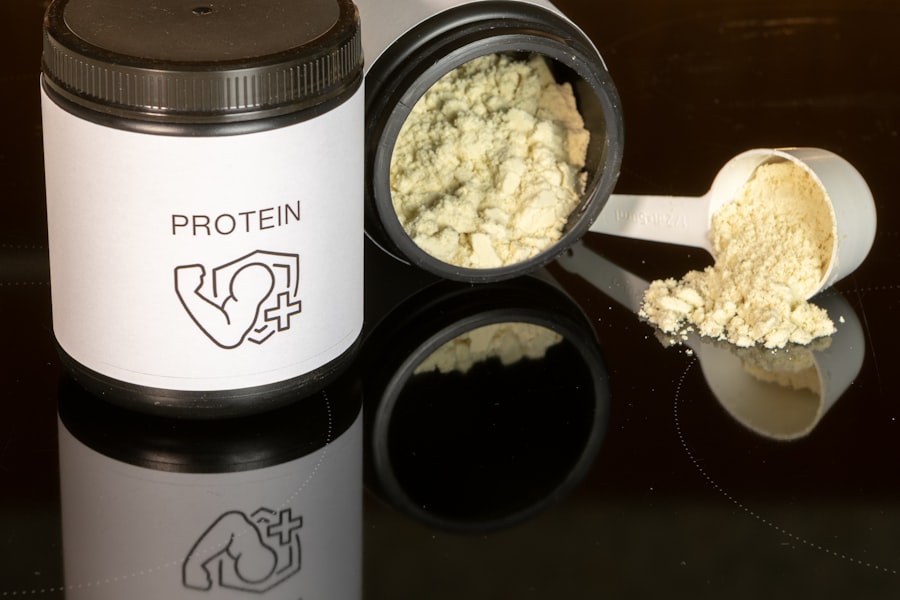
Given that collagen is a protein, it is indeed susceptible to denaturation by heat. The high temperatures involved in cooking or brewing can alter its molecular structure.
The Impact of High Temperatures on Collagen’s Triple Helix
The triple helix of collagen, while strong, is not impervious to heat. Exposing collagen to temperatures above its denaturation point can disrupt the hydrogen bonds and other interactions that hold the helix together.
Temperature Thresholds for Denaturation
The exact temperature at which collagen denatures can vary depending on the source and specific type of collagen. However, generally, temperatures above 140°F (60°C) begin to affect collagen’s structure. Prolonged exposure to temperatures around 150-170°F (65-75°C) can lead to significant denaturation.
Structural Changes in the Helix
As the heat intensifies, the collagen molecules begin to unwind. This loss of the ordered triple helix structure means that the collagen can no longer provide the same structural support or exhibit the same biochemical properties as it did in its native state.
Hydrolysis: A Deeper Breakdown
Beyond denaturation, prolonged exposure to heat, especially in the presence of water, can lead to hydrolysis. This is a process where the peptide bonds connecting the amino acids are broken down. Hydrolysis effectively breaks the protein into smaller fragments, or even individual amino acids.
Breaking Peptide Bonds
Hydrolysis is a more severe form of breakdown than simple denaturation. It involves the chemical cleavage of the peptide bonds that link amino acids together. This process can be accelerated by heat and the presence of water, as seen in the cooking of meat or the simmering of bones for broth.
Formation of Gelatin
A common outcome of collagen hydrolysis through heat is the formation of gelatin. Gelatin is essentially denatured collagen that has undergone partial hydrolysis. It’s what gives cooked meats their tender texture and is the basis for gelatin desserts. While gelatin is still a protein and a source of amino acids, its structural organization is fundamentally different from native collagen.
Does Brewing Coffee Destroy Collagen?
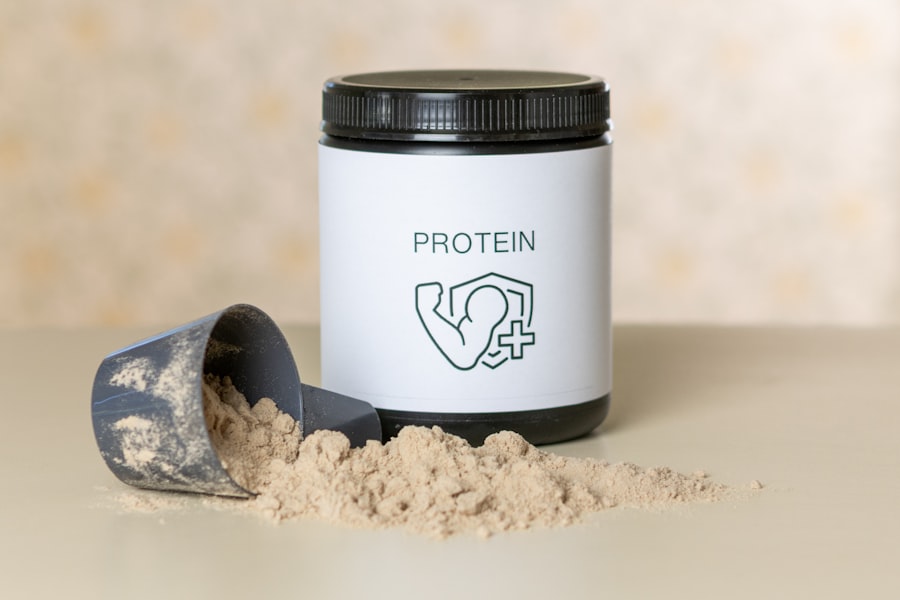
Now, let’s directly address the question of your morning coffee. The brewing process for coffee typically involves hot water, but the temperatures are usually within a specific range.
Coffee Brewing Temperatures
The ideal temperature range for brewing coffee is generally considered to be between 195°F and 205°F (90°C and 96°C). This temperature is optimal for extracting the desired flavors and compounds from the coffee grounds.
Water Temperature for Extraction
During the brewing process, hot water circulates through the coffee grounds, dissolving soluble compounds. The heat is necessary to facilitate this extraction but is also the factor we’re concerned about regarding collagen.
Duration of Exposure
The duration of exposure to these hot temperatures in coffee brewing is relatively short compared to processes like simmering bones for hours. Typically, the water is in contact with the coffee grounds for a few minutes.
The Fate of Collagen in Hot Coffee
Considering the temperatures and duration involved in typical coffee brewing, the collagen you might add will undergo some degree of change.
Partial Denaturation is Likely
It is highly probable that the heat from brewing coffee will cause at least partial denaturation of the collagen peptides you add. The triple helix structure will likely be disrupted to some extent. Think of it as the scaffolding becoming a bit more flexible.
Hydrolysis is Less Likely for Short Brewing Times
Complete hydrolysis, where the collagen is broken down into its individual amino acids, is less likely to occur during the short brewing time of coffee. The peptide bonds are more resistant to breakage than the weaker bonds within the triple helix.
Gelatin Formation is Possible
It’s possible for some gelatinization to occur, especially if you’re using hydrolyzed collagen peptides (which are already partially broken down). The heat can further soften and alter these structures.
Recent studies have explored the impact of heat on collagen proteins, particularly in beverages like coffee. Many people are curious about whether the high temperatures involved in brewing coffee can compromise the integrity of collagen, a vital protein for skin health. For a deeper understanding of how heat affects various proteins and their benefits, you can check out this informative article on senior health. It provides insights into the relationship between temperature and protein stability, which can be quite enlightening for those interested in nutrition and wellness. To learn more, visit this article.
Implications for Collagen Supplement Effectiveness
| Temperature | Effect on Collagen Protein |
|---|---|
| Below 140°F (60°C) | Minimal impact on collagen protein |
| 140-212°F (60-100°C) | Gradual breakdown of collagen protein |
| Above 212°F (100°C) | Significant degradation of collagen protein |
The question then becomes: if the heat in coffee partially denatures or alters collagen, does that diminish its effectiveness when consumed? This is where the nuance lies.
Bioavailability and Absorption
Despite structural changes, collagen peptides are generally considered bioavailable. This means they can be absorbed and utilized by your body. The body breaks down proteins into smaller peptides and amino acids during digestion, regardless of whether they were initially denatured by heat.
The Digestive Process
When you consume collagen, whether in hot coffee or a cold smoothie, your digestive system goes to work. Enzymes in your stomach and small intestine break down proteins into smaller chains of amino acids (peptides) and individual amino acids. These are then absorbed into your bloodstream.
Amino Acid Reconstitution
Even if the original triple-helix structure is disrupted by heat, the constituent amino acids remain. Your body can then use these amino acids to synthesize its own collagen or for other metabolic processes. The key is that the building blocks are still present and accessible.
“Hydrolyzed Collagen” vs. “Collagen Peptides”
You’ll often see terms like “hydrolyzed collagen” or “collagen peptides” on supplement packaging. These terms generally refer to collagen that has already undergone some degree of enzymatic or acid hydrolysis to break it down into smaller, more easily digestible chains.
Pre-Digested Collagen
Hydrolyzed collagen is essentially “pre-digested” collagen. This means it’s already in a form that is more readily absorbed by the body. Adding this to hot coffee might cause further minor changes, but the primary breakdown has already occurred.
Benefit of Pre-Digestion
The benefit of using hydrolyzed collagen is that it bypasses some of the digestive steps, potentially leading to quicker absorption and utilization. The heat from coffee might have less of a detrimental effect on something already broken down.
What Matters Most: Amino Acid Profile and Quality
Ultimately, the effectiveness of collagen supplementation hinges more on the quality of the collagen source and its amino acid profile than on whether it was exposed to mild heat.
Sourcing and Purity
The source of your collagen (e.g., bovine, marine, chicken) and the purity of the supplement are critical. Look for reputable brands that undergo third-party testing to ensure their products are free from contaminants.
Complete Amino Acid Profile
While collagen is rich in certain amino acids like glycine and proline, it’s not a complete protein on its own. It’s important to have a balanced diet that provides all the essential amino acids your body needs to synthesize its own proteins, including collagen.
Practical Advice for Consuming Collagen with Coffee
Given this understanding, you can make informed decisions about how you consume your collagen.
Consider the Type of Collagen
If you’re particularly concerned about heat degradation, opt for hydrolyzed collagen or collagen peptides, as they are already partially broken down.
“Collagen Peptides” designation
This designation on a product typically indicates that the collagen has been processed into smaller chains, making it more soluble and digestible.
“Hydrolyzed Collagen” designation
Similar to collagen peptides, this signifies a processing step that breaks down the protein.
Temperature Control is an Option
While not strictly necessary, if you’re worried about the heat, you can let your coffee cool slightly before adding your collagen.
A Few Minutes of Cooling
Allowing your coffee to cool for a few minutes before stirring in the collagen can reduce the initial thermal shock.
Cold Brew Coffee as an Alternative
If you prefer to avoid heat altogether, cold brew coffee is an excellent option. You can simply stir your collagen powder or liquid into cold brew for a heat-free delivery.
Don’t Overthink It for Most Scenarios
For the vast majority of users, the minor structural changes that might occur when adding collagen to hot coffee are unlikely to significantly impact its overall benefits.
The Body’s Digestive Power
Remember that your digestive system is remarkably adept at breaking down proteins. The building blocks are what truly matter for your body’s utilization.
Focus on Consistency
The most important factor for seeing any potential benefits from collagen supplementation is consistent, long-term intake. Worrying excessively about minor heat effects might detract from this consistency.
Conclusion: Your Coffee and Collagen Can Coexist
In conclusion, the heat involved in brewing coffee will likely cause some degree of denaturation in the collagen you add. This means the protein’s intricate triple-helix structure will be disrupted. However, this does not necessarily render the collagen ineffective.
The Resilience of Amino Acids
Your body’s digestive system is designed to break down proteins into their constituent amino acids and peptides, which are then absorbed. These amino acids are the fundamental building blocks that your body can use, regardless of the initial structural modifications caused by heat.
Focus on the Bigger Picture
While the science of protein chemistry is fascinating, for practical purposes, most people can continue to enjoy their collagen-infused coffee without excessive concern. The consistency of your intake and the quality of the collagen supplement are likely to be far more significant factors in determining its efficacy than the temperature of your morning brew.
Informed Choices for Supplementation
By understanding the processes involved, you can make informed choices about your collagen supplementation, whether that means opting for hydrolyzed forms, letting your coffee cool slightly, or embracing the simplicity of adding it to your regular cup, knowing that your body is well-equipped to utilize the essential nutrients it provides.
FAQs
1. What is collagen protein and its role in coffee?
Collagen protein is a structural protein found in the connective tissues of animals. In coffee, collagen protein is often added as a supplement to promote skin health and joint support.
2. Does heat destroy collagen protein in coffee?
Yes, heat can destroy collagen protein in coffee. When exposed to high temperatures, collagen protein can denature and lose its structural integrity, diminishing its potential benefits.
3. At what temperature does collagen protein begin to degrade in coffee?
Collagen protein begins to degrade at temperatures above 140°F (60°C). Therefore, it is important to avoid excessively hot temperatures when preparing collagen-infused coffee.
4. Are there alternative methods to preserve collagen protein in coffee?
Yes, using lower temperatures or adding collagen protein after the coffee has cooled can help preserve its structural integrity. Additionally, using hydrolyzed collagen, which has already been broken down into smaller peptides, may be more resistant to heat degradation.
5. What are the potential benefits of consuming collagen protein in coffee?
Consuming collagen protein in coffee may support skin health, joint function, and overall connective tissue health. However, more research is needed to fully understand the extent of these benefits.