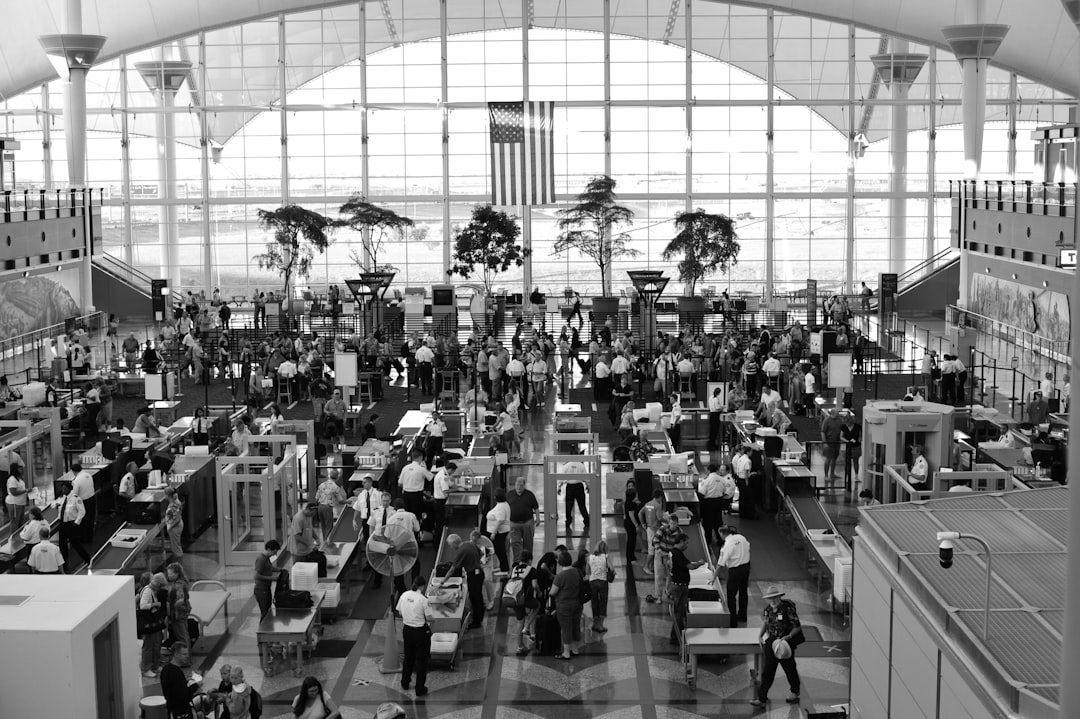
You’re planning your next trip. Perhaps it’s a long-awaited vacation, a visit to family, or an important business engagement. As you pack your bags and visualize your destination, a crucial part of your preparation involves navigating airport security. You know that procedures are always evolving, and as you look ahead to 2025, an awareness of potential changes, particularly those that might affect senior travelers, is prudent. This isn’t about alarmism; it’s about preparedness and ensuring your journey remains as smooth as possible.
Understanding the Evolving Security Landscape
The world of aviation security is in a constant state of adaptation. Threats, technologies, and best practices are perpetually being assessed and refined. You’ve likely noticed this yourself over the years – TSA PreCheck, advanced imaging technology, and stricter liquid rules are just a few examples of how security has changed. In 2025, you can anticipate further enhancements, driven by a commitment to passenger safety and efficiency. These changes are not arbitrary; they are the result of extensive analysis and a dedication to staying ahead of potential risks. You are a traveler, and your experience is at the forefront of these considerations.
The Role of Technology in Security Enhancements
Technology is arguably the single greatest driver of advancements in airport security. From sophisticated scanning equipment to AI-powered threat detection systems, innovation is reshaping how security personnel identify potential risks. You can expect to see a greater integration of these technologies, aiming to improve both accuracy and speed. This isn’t about replacing human judgment, but rather augmenting it with tools that can process vast amounts of data and identify patterns that might otherwise be missed. Your role as a traveler is to comply with these technological assessments, understanding that they are designed for collective safety.
Advanced Imaging Technologies
You’ve probably encountered the full-body scanners, those imposing machines that create a digital outline of your body. In 2025, these technologies are likely to be even more refined. The aim is to enhance their ability to detect concealed items without necessitating any physical pat-downs for a larger percentage of travelers, provided no anomalies are detected. You should be aware that these scanners are designed to protect your privacy; they do not retain images of your body after the screening is complete. This technological upgrade is about increasing the efficiency of the screening process, allowing security officers to focus on other aspects of security if the scans are clear.
AI-Powered Threat Detection
Artificial intelligence is rapidly transforming various industries, and airport security is no exception. In 2025, you can anticipate AI playing a more significant role in analyzing baggage scans and even passenger behavior, though the latter is a more sensitive area with extensive privacy considerations. AI can process images and data at speeds far exceeding human capabilities, identifying anomalies and potential threats with greater precision. This isn’t about creating a surveillance state, but about leveraging cutting-edge tools to strengthen the overall security posture. You are part of a system that’s becoming more intelligent in its protective measures.
The Strategic Importance of Passenger Data
In today’s interconnected world, data plays a vital role in many security initiatives. While your personal privacy is paramount and rigorously protected by regulations, the strategic use of aggregated and anonymized data can contribute to a more effective security environment. This might involve analyzing passenger flow patterns, identifying common security challenges, or even predicting potential bottlenecks in the screening process. You are one data point in a vast system, and the insights gleaned from this data help optimize security operations for everyone, including you.
Enhancing Risk-Based Screening
The concept of risk-based screening, where individuals are assessed for their potential risk level, is becoming increasingly sophisticated. In 2025, you might see a more nuanced application of this principle, potentially leading to more targeted screening for certain individuals while allowing others to move through security at a faster pace, assuming they meet specific criteria. This isn’t about singling out individuals unfairly, but about using intelligence to allocate security resources strategically. Your understanding of this approach can help you anticipate the process.
The Role of Biometrics
Biometric identification, such as facial recognition, is increasingly being explored and implemented in various airport settings. While the widespread mandatory use of biometrics for all passengers in 2025 for primary security screening might still be a few years away for many jurisdictions, you may encounter its application in specific areas. This could include boarding gates or expedited screening lanes. The underlying principle is to verify identity more securely and efficiently. You are part of a system that’s exploring more definitive ways to confirm who is traveling.
As new airport security rules for seniors are set to be implemented in 2025, it is essential for older travelers to stay informed about the changes that may affect their journey. For a comprehensive overview of these new regulations and tips on how seniors can navigate airport security more smoothly, you can read the related article on senior health and travel at Explore Senior Health. This resource provides valuable insights that can help seniors prepare for their upcoming trips with confidence.
Specific Considerations for Senior Travelers
You, as a senior traveler, may have unique needs and considerations when it comes to airport security. It’s important to acknowledge that while security measures are universal, the implementation can be adapted to accommodate the diverse needs of all passengers. For 2025, you can expect an ongoing focus on ensuring that these procedures are as manageable and stress-free as possible for older adults. This isn’t about preferential treatment, but about thoughtful consideration for all travelers.
Navigating the Screening Process with Ease
The physical demands of airport security can sometimes be a concern for seniors. You might wonder about lifting items into bins, standing for extended periods, or navigating crowded queues. In 2025, you can anticipate a continued emphasis on providing assistance and accommodations to ensure your comfort and ease. Proactive communication and readily available support are key components of this commitment.
Assistance with Carry-On Items
You might find yourself needing a little extra help with your carry-on luggage. In 2025, you can expect that airport security personnel will be more attuned to offering assistance with placing items into the screening bins, especially if you have mobility challenges. Don’t hesitate to ask for help; it’s readily available, and the staff are trained to provide it. This is about ensuring everyone can participate in the screening process without undue physical strain.
Understanding Pat-Down Procedures
While the goal is to minimize physical screenings, when a pat-down is necessary, you can expect it to be conducted with dignity and respect. Security officers are trained to perform these procedures in a professional and discreet manner. They will explain what they are doing and why it is necessary. You have the right to understanding, and they are there to provide it. This is about ensuring that any necessary physical screening is conducted with the utmost consideration for your personal space and comfort.
Medical Considerations and Medications
You may have specific medical needs or be traveling with prescription medications. Understanding how to declare and present these items can streamline your security experience. In 2025, you can expect clear guidelines and a continued emphasis on facilitating the transport of necessary medical items.
Declaring Medications and Medical Devices
It is always advisable to inform security officers about any prescription medications you are carrying, especially liquids or gels that might exceed standard carry-on limits. Be prepared to present your prescription if requested. Similarly, if you are traveling with medical devices, such as a CPAP machine or a pacemaker, it’s wise to have documentation available. In 2025, the procedures are designed to be accommodating to legitimate medical needs. You should know that these items are generally permitted through security, but proper declaration is key.
Accommodations for Mobility Aids
If you use a cane, walker, or other mobility aid, airport security is well-versed in accommodating these needs. You will not be asked to navigate the screening process without your aid. Security officers are trained to inspect mobility aids respectfully and efficiently, ensuring their functionality and the safety of the passenger. Your mobility aid is an extension of your ability to travel, and security procedures are designed to respect and facilitate its use.
The Importance of Pre-Travel Preparation
You holding the key to a smoother security experience lies significantly in your preparation before arriving at the airport. Understanding the rules and knowing what to expect can alleviate potential stress and confusion. As 2025 approaches, taking a proactive approach to familiarizing yourself with any updated guidelines will be beneficial.
Familiarizing Yourself with Prohibited Items
While the list of prohibited items is generally consistent, there can be nuances and occasional updates. You can always find the most current information on the official website of the relevant aviation security authority in your region. This proactive step can prevent unexpected delays. You are in control of a significant part of your security journey by knowing what you can and cannot bring.
Carry-On vs. Checked Baggage Policies
The distinction between what can and cannot be placed in your carry-on versus checked baggage is crucial. Batteries, for instance, often have different regulations depending on where they are packed. Be sure to review these guidelines to avoid having items confiscated or needing to check them at the last minute. Your understanding of these policy differences is a valuable tool for efficient packing.
Special Item Regulations
Certain items, like sporting equipment or musical instruments, may have specific regulations or require special handling. It’s always best to check in advance if you are traveling with such items. This foresight ensures that your belongings are handled appropriately and do not cause disruptions at security. You are responsible for knowing the special rules that might apply to your specific items.
Leveraging Available Programs and Resources
There are programs and resources designed to expedite your airport experience. Understanding and utilizing these can be particularly beneficial for senior travelers. In 2025, these resources are likely to remain available and potentially expand.
Expedited Screening Programs
Programs like TSA PreCheck or Global Entry offer expedited security screening for eligible travelers. You are encouraged to explore the benefits of these programs. They often involve a pre- vetting process that allows you to keep shoes, belts, and light jackets on, and leave laptops and liquids in your carry-on bag. This can significantly reduce your time spent in security queues.
Utilizing Airport Assistance Services
Many airports offer assistance services for travelers with specific needs. This can include help with navigating the terminal, getting to your gate, or managing luggage. You should inquire with your airline or the airport directly about available services. These resources are in place to ensure a comfortable and accessible travel experience for all passengers. You are not alone in needing assistance; services are available.
Maintaining a Calm and Collected Demeanor
Your attitude can significantly influence your airport security experience. Approaching the process with patience and a cooperative spirit can lead to a more positive outcome. In 2025, security personnel will continue to appreciate a calm and collected demeanor from all travelers.
Communication is Key
If you have any questions or concerns about a particular security procedure, do not hesitate to ask the security officer. They are there to assist you and are trained to provide clear explanations. Clear communication can resolve misunderstandings and make the process smoother for everyone involved. You have a voice in understanding the process.
Understanding the Security Officer’s Role
Remember that security officers are performing a vital job, and their primary responsibility is passenger safety. Approaching them with respect and understanding will foster a more positive interaction. They are working within established protocols, and your cooperation helps them execute their duties effectively. You are interacting with professionals whose job is to protect you.
Patience and Cooperation
The airport environment can be hectic, and security lines can sometimes be long. Practicing patience and cooperating with instructions will not only benefit your personal experience but also contribute to the efficient flow of all passengers through the security checkpoint. Your understanding that delays can happen and your willingness to comply with instructions makes a difference.
As new airport security rules for seniors are set to be implemented in 2025, many are seeking information on how these changes will affect their travel experience. A related article provides insights into these upcoming regulations and offers tips for navigating the airport more smoothly. For more details, you can read the article on senior health and travel considerations here. This resource aims to help seniors prepare for their journeys while ensuring their safety and comfort during the screening process.
The Future of Senior Travel and Security in 2025
Looking ahead to 2025, you can anticipate a continued evolution in airport security that seeks to balance robust safety measures with the comfort and accessibility for all travelers, including seniors. The focus will likely remain on leveraging technology, refining risk-based approaches, and ensuring that assistance is readily available. Your proactive engagement with these changes will be your greatest asset in ensuring a smooth and secure journey.
Continuous Improvement in Security Protocols
The aviation security landscape is not static. You can assume that in 2025, there will be ongoing assessments and adjustments to security protocols. This could involve subtle changes to screening techniques, updated training for personnel, or further integration of new technologies. The goal is to constantly enhance the effectiveness and efficiency of security measures. You are part of a system dedicated to always getting better.
Feedback Mechanisms and Traveler Input
Many security authorities actively seek feedback from travelers to improve their processes. You may find opportunities to provide input, either through surveys or direct interactions. Your experiences and insights can contribute to shaping future security protocols, ensuring they are practical and effective for a diverse range of travelers, including seniors. Your voice matters in this ongoing refinement.
Empowering Senior Travelers with Information
The most significant enhancement you can experience is being well-informed. As 2025 approaches, staying updated on the latest security guidelines and recommendations from official sources will empower you to navigate airport security with confidence. You are not merely subject to security rules; you can be an informed participant.
Staying Informed Through Official Channels
Make it a habit to consult the official websites of your national aviation security agency (e.g., TSA in the United States, CATSA in Canada) and your specific airline for the most current information regarding security procedures, prohibited items, and any special considerations. These are the most reliable sources for accurate and up-to-date guidance. You have the power to access this information directly.
Anticipating Minor Adjustments
While major overhauls are less common year-to-year, you should be prepared for minor adjustments to procedures. These might involve a slight change in how items are placed in bins or a refined explanation of a screening step. Being mentally prepared for these small changes can prevent any surprise or frustration. You are adaptable, and the system seeks to be predictable.
FAQs
What are the new airport security rules for seniors in 2025?
The new airport security rules for seniors in 2025 include modified screening procedures to accommodate the needs of older travelers, such as allowing them to keep their shoes on during security checks and providing additional assistance if needed.
Why were these new airport security rules implemented for seniors?
The new airport security rules for seniors were implemented to address the specific needs and concerns of older travelers, including mobility issues, medical devices, and the overall comfort and convenience of the screening process.
How will these new airport security rules benefit seniors?
These new airport security rules will benefit seniors by reducing the physical strain and stress of the security screening process, providing a more comfortable and efficient experience, and accommodating any special requirements they may have.
Will these new airport security rules affect the overall security of airports?
No, these new airport security rules for seniors are designed to maintain the same level of security while also addressing the unique needs of older travelers. The rules are carefully crafted to balance security measures with the comfort and convenience of seniors.
Where can seniors find more information about these new airport security rules?
Seniors can find more information about these new airport security rules by visiting the official website of the Transportation Security Administration (TSA) or by contacting their airline for specific details and assistance.