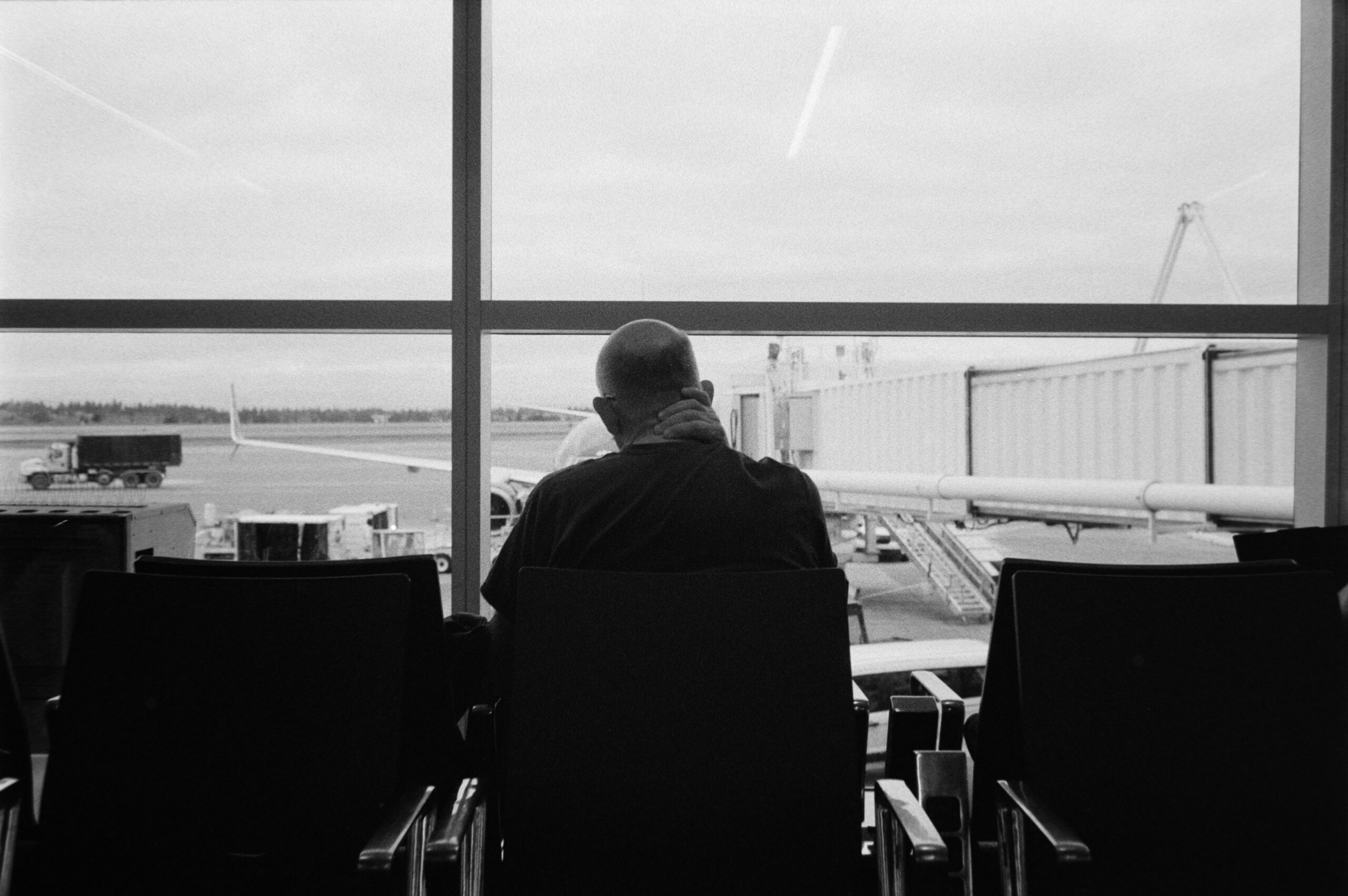
Navigating the airport can feel like a daunting expedition, particularly as you enter your senior years. The hustle and bustle, the security procedures, the sheer scale of modern terminals – it can all contribute to a rising tide of unease. Yet, it doesn’t have to be this way. With a mindful approach and a few strategic adjustments, you can transform your airport experience from a source of dread into a manageable, even pleasant, prelude to your travels.
The foundation for a stress-free airport journey is built long before you even set foot inside the terminal. Adequate preparation is your first line of defense against anxiety. Think of it as meticulously planning a route before embarking on a hike; the better you know the path, the less likely you are to get lost or feel overwhelmed.
Understanding Your Itinerary and Travel Documents
Before you even consider booking, familiarize yourself with every detail of your trip. This includes understanding flight times, layovers, and any specific airport requirements for your destination.
Confirming Flight Details and Gate Information
Double-check your booking confirmation multiple times. Are the flight times correct? Do you have the correct departure and arrival airports? If you’re flying internationally, ensure you have the correct airport codes. It’s also wise to check the airline’s website for any updates on your flight status a few days prior to departure. This proactive step can prevent last-minute panic about a gate change or delay.
Securing Essential Travel Documents
Your passport, visa (if required), and boarding pass are your tickets to the world. Keep them in a secure, easily accessible place. A dedicated travel wallet or a zipped compartment in your carry-on is ideal. Make digital copies of all important documents and store them securely in the cloud or email them to yourself as a backup. This ensures that if physical documents are lost or stolen, you have a readily available reference.
Gathering Necessary Medications and Prescriptions
If you have regular medication, ensure you have enough for your entire trip, plus a few extra days for unforeseen circumstances. Carry your medications in their original packaging. It’s also a good idea to bring a copy of your prescription from your doctor. This can be invaluable if you encounter any issues with security or need to refill your prescription abroad.
Packing Strategically for Ease and Comfort
Your packing strategy directly impacts your comfort and efficiency at the airport. Overpacking can lead to struggling with heavy bags, while underpacking might leave you without essentials.
Organizing Your Carry-On Bag
Your carry-on should contain everything you might need during the flight and anything irreplaceable or valuable. Think about items that will offer comfort, entertainment, and practicality. This includes your travel documents, medications, a change of clothes (just in case checked luggage is delayed), and any essential toiletries.
Deciding What to Pack in Checked Luggage
For checked luggage, focus on items you won’t need during transit. Ensure bags are clearly labeled with your name and contact information. Consider using luggage straps to keep bags securely closed and to make them more identifiable on the carousel. Avoid packing anything of extreme value or irreplaceable sentimental items in checked baggage.
Preparing for Security Screening
Anticipate the security screening process. If you have any medical devices or implants that might set off metal detectors, bring documentation from your doctor. Ensure any liquids in your carry-on comply with airline regulations, typically under 100ml and placed in a clear, resealable bag. Familiarize yourself with what items are prohibited before you start packing. Emptying your pockets of all metallic items and electronics before you reach the scanner can significantly speed up your passage.
For seniors traveling through airports, anxiety can often be a concern due to the hustle and bustle of the environment. To help alleviate these feelings, it is beneficial to explore strategies specifically designed for older adults. One helpful resource is the article found at Explore Senior Health, which offers practical tips and insights on how to navigate the airport experience with ease. By implementing these strategies, seniors can enjoy a more relaxed and enjoyable travel experience.
Navigating the Airport Environment: Making Your Way Through the Terminal
Once you arrive at the airport, the environment can become a sensory overload for some. However, understanding the general flow and knowing where to seek assistance can demystify the process.
Understanding Airport Layout and Services
Airports are complex ecosystems. A little pre-knowledge about their structure and the services they offer can go a long way in reducing confusion and stress.
Identifying Your Terminal and Check-In Counter
Before you arrive, confirm which terminal your flight departs from. Most airports have signage directing you to specific airlines or terminals. Once you reach your terminal, look for signs indicating check-in counters for your airline. Even before arriving, you can often check your airline’s website to see which counters are typically designated for your flight.
Locating Assistance Services for Seniors
Many airports offer assistance services for passengers who require extra help. These can include wheelchair assistance, escorts through security, or help with navigating the terminal. It’s advisable to request these services in advance through your airline when you book your ticket. They can also often be arranged upon arrival, but pre-booking ensures that staff are prepared for your needs.
Recognizing Key Information Desks and Signage
Throughout the airport, you’ll find information desks staffed by knowledgeable personnel who can answer your questions. Pay attention to directional signage; it’s designed to guide you efficiently through the airport. If you are unsure about anything, don’t hesitate to ask a uniformed airport employee or airline staff.
Optimizing Your Check-In and Bag Drop Experience
The check-in process can sometimes be a bottleneck. Employing smart strategies can make this smoother.
Utilizing Online Check-In Options
Most airlines offer online check-in, typically available 24 hours before your flight. This allows you to select your seat and often check in your bags in advance. You can then proceed directly to bag drop, bypassing longer check-in queues. Some airlines even allow you to print your boarding pass at home or use a mobile boarding pass, further streamlining the process.
Understanding Bag Tagging and Drop-Off Procedures
If you are checking luggage, understand the process. Your bags will be weighed, tagged with your destination, and then placed on a conveyor belt. Ensure you receive a baggage tag receipt for your records. If you have pre-checked in online, locate the designated bag drop counter, which is usually much faster than the main check-in lines.
Managing Carry-On Luggage While Waiting
If you have carry-on luggage, keep it accessible. You’ll likely need to place it on the floor at the check-in counter while your other bags are being processed. Ensure it doesn’t obstruct the walkway for other passengers.
Moving Through Security: A Step-by-Step Approach to a Smooth Transition

Airport security is a necessary but often anxiety-inducing part of the travel process. Familiarity with the procedures and a calm demeanor can help.
Preparing for the Security Screening Process
Being prepared can significantly reduce stress at the security checkpoint. Think ahead about what you’ll need to do and have.
Understanding the Different Screening Stages
You’ll typically encounter a checkpoint where your boarding pass and identification are verified. Following that, you’ll proceed to the screening area where your belongings and you will be scanned. Be observant of the instructions given by security personnel.
Efficiently Organizing Items for the X-Ray Scanner
Have your laptop, tablet, and any bulky electronics readily accessible to remove from your bag. Liquids, gels, and aerosols in your carry-on must be removed and placed in a separate bin. It’s also wise to have any jackets, belts, and jewelry removed and ready to place in bins.
Cooperating with Security Personnel
Security officers are there to ensure everyone’s safety. Follow their instructions promptly and without argument. If you have any questions about a specific procedure, ask politely. Any unusual items in your luggage should be explained if prompted.
Navigating the Security Checkpoint with Ease
Several tactics can help you move through the security checkpoint without unnecessary delay or unease.
Utilizing Priority or Dedicated Security Lanes
If you have a disability, a medical condition, or are over a certain age (depending on the airport and airline), you may be eligible for priority or dedicated security lines. Inquire about these options with your airline or at the airport. These lanes are often less crowded and can offer a more relaxed experience.
Taking Your Time and Staying Calm
There is no need to rush through security. Take a deep breath and proceed at your own pace. If you feel overwhelmed, pause for a moment to regain your composure. Observe others and follow their lead if unsure.
Reconnecting with Your Belongings After Screening
Once you have passed through the screening, take a moment to gather all your belongings. Double-check that you have everything before moving away from the screening area. This is a common place where items are accidentally left behind.
Waiting at the Gate: Finding Comfort and Calm Before Boarding

The time spent waiting at the gate can be used productively to relax and prepare for your flight. Avoid aimlessly wandering or feeling rushed.
Making Yourself Comfortable in the Departure Lounge
Departure lounges are designed for passenger comfort. Utilize the amenities available to make your wait more pleasant.
Identifying Seating Options and Amenities
Look for comfortable seating away from the main thoroughfares if possible. Many departure lounges offer charging stations for electronic devices, quiet zones, and access to restrooms. If you have purchased lounge access, you will find a more comfortable and often less crowded environment.
Securing Your Belongings While Seated
Keep your carry-on bag close at hand, preferably under your seat or within your direct line of sight. Avoid leaving your belongings unattended.
Taking Advantage of Airport Services While Waiting
If you have time, consider visiting a quiet café for a drink, browsing a bookshop, or simply observing the activity around you from a distance. If your airport offers quiet rooms or meditation spaces, these can be excellent for de-stressing.
Preparing for Boarding
Boarding is the final step before take-off, and being prepared can make it a smooth transition.
Listening for Boarding Announcements
Pay attention to boarding announcements for your flight. Airlines typically call passengers in groups, starting with those who require assistance or are in premium cabins.
Having Your Boarding Pass and Identification Ready
Ensure your boarding pass and identification are easily accessible. You will be asked to present them again at the gate.
Moving Towards the Gate at an Appropriate Time
There’s no need to rush to the gate the moment it opens. Wait for your boarding group to be called. If you have requested assistance, staff will usually come to find you.
For seniors, navigating the airport can often lead to heightened anxiety, but there are effective strategies to make the experience more manageable. One helpful resource is an article that offers practical tips on minimizing stress while traveling, which you can find at Explore Senior Health. By planning ahead, arriving early, and utilizing airport services designed for seniors, travelers can significantly reduce their anxiety and enjoy a smoother journey.
Post-Flight Transition: Arriving at Your Destination with Peace of Mind
| Tip | Description |
|---|---|
| Plan Ahead | Make sure to arrive at the airport with plenty of time to spare to avoid rushing and feeling stressed. |
| Use Wheelchair Assistance | Request wheelchair assistance if walking long distances is difficult, this can help reduce physical strain and anxiety. |
| Stay Informed | Keep track of flight updates and gate changes to avoid confusion and worry. |
| Stay Hydrated | Drink plenty of water to stay hydrated and reduce the effects of stress and fatigue. |
| Bring Comfort Items | Carry comforting items such as a favorite book, music, or a travel pillow to help relax during the journey. |
The journey doesn’t end when the plane lands. The disembarking and arrival process can also present opportunities for anxiety.
Navigating the Arrival Process
Disembarking and finding your way through the arrival hall requires a similar level of awareness as the departure process.
Disembarking the Aircraft Calmly
Allow other passengers to exit the aircraft before you. If you require assistance, wait for the cabin crew to help you or for the requested assistance to arrive. Take your time.
Following Signage to Baggage Claim and Exit
Once off the plane, follow the signs to baggage claim and the exit. Airports are well-signed for arrivals. If you are connecting to another flight, ensure you are following the correct signs for connecting passengers.
Claiming Your Checked Baggage
Proceed to the baggage claim area for your flight. Locate the correct carousel number by checking the screens above the carousels. Be patient as bags can take some time to arrive.
Seeking Assistance with Luggage Upon Arrival
If you find it difficult to manage your luggage, don’t hesitate to ask for help from airport staff or consider using a luggage trolley. Many airports offer these for rent or free.
Transitioning to Your Ground Transportation
The final step is to arrange your transport from the airport to your accommodation.
Planning Your Transportation in Advance
Whether you’ve pre-booked a taxi, arranged a shuttle service, or plan to use public transport, have a clear plan. Know the location of your pick-up point.
Familiarizing Yourself with Airport Taxi Ranks and Ride-Share Areas
If you are using a taxi or ride-share service, familiarize yourself with the designated pick-up zones. These are usually clearly marked.
Understanding Airport Exit Procedures
Once you have your luggage and are ready to leave, follow the signs for the airport exit. If you have purchased any duty-free items or have specific customs declarations, be aware of the relevant procedures.
By preparing meticulously, understanding the airport environment, employing strategies to navigate security and waiting times with calm, and having a clear plan for your arrival, you can significantly reduce airport anxiety. Travel should be an enjoyable experience, and with these practical tips, you can ensure your journeys are a source of pleasure, not apprehension.
FAQs
What are common causes of airport anxiety for seniors?
Common causes of airport anxiety for seniors include fear of getting lost, fear of missing a flight, concerns about security procedures, and worries about navigating through crowded spaces.
How can seniors prepare in advance to reduce airport anxiety?
Seniors can prepare in advance to reduce airport anxiety by familiarizing themselves with the layout of the airport, researching the airline’s policies and procedures, arriving early to allow for extra time, and requesting assistance if needed.
What strategies can seniors use to manage anxiety during the airport experience?
Seniors can manage anxiety during the airport experience by practicing deep breathing exercises, using relaxation techniques, staying organized with their belongings, and seeking out quiet areas to rest and regroup.
Are there specific services or accommodations available for seniors at airports?
Many airports offer specific services and accommodations for seniors, such as wheelchair assistance, priority boarding, designated seating areas, and special security screening lanes.
What should seniors do if they experience anxiety or panic at the airport?
If seniors experience anxiety or panic at the airport, they should seek out airport staff for assistance, find a quiet and calm space to relax, and consider speaking with a mental health professional for additional support.