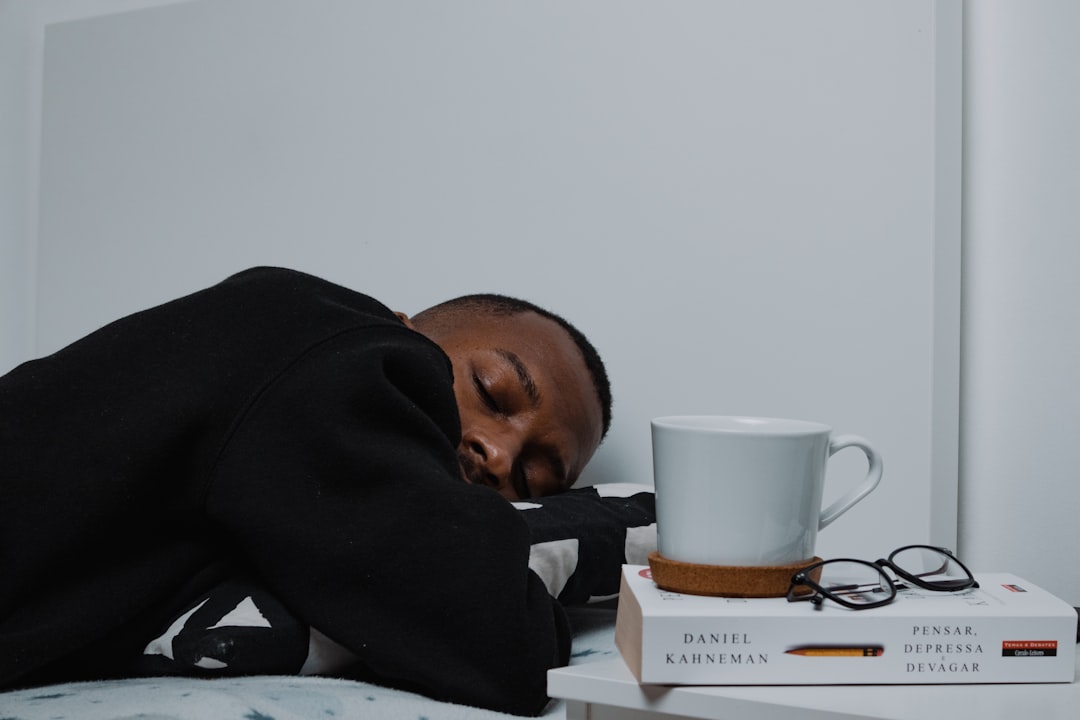
In today’s fast-paced world, sleep often takes a backseat to the demands of daily life. You may find yourself tossing and turning at night, desperately seeking a solution to your sleeplessness. Sleep aids have emerged as a popular option for those struggling to achieve restful slumber.
These aids can range from over-the-counter medications to prescription drugs, and even natural supplements. While they can provide immediate relief, it’s essential to understand their implications, especially concerning safety and overall health. As you explore the realm of sleep aids, it’s crucial to recognize that they are not a one-size-fits-all solution.
Each individual’s body reacts differently to various substances, and what works for one person may not work for another. Moreover, the use of sleep aids can come with risks, particularly for certain populations. Understanding these risks and the potential consequences of using sleep aids is vital for making informed decisions about your sleep health.
Key Takeaways
- Introduction to Sleep Aids: Sleep aids are medications or techniques used to help people fall asleep or improve the quality of their sleep.
- Common Types of Sleep Aids: Common types of sleep aids include over-the-counter medications, prescription medications, and natural supplements like melatonin.
- The Link Between Sleep Aids and Increased Fall Risk: Research has shown that the use of sleep aids, especially in older adults, can increase the risk of falls and fractures.
- Research Studies on Sleep Aids and Fall Risk: Several studies have found a correlation between the use of certain sleep aids and an increased risk of falls, particularly in older adults.
- Factors Contributing to Increased Fall Risk: Factors such as drowsiness, impaired balance, and decreased cognitive function can contribute to an increased fall risk while using sleep aids.
Common Types of Sleep Aids
When it comes to sleep aids, you have a variety of options at your disposal. Over-the-counter medications like diphenhydramine and doxylamine are commonly used for their sedative properties. These antihistamines can help you fall asleep faster, but they may also leave you feeling groggy the next day.
Prescription medications, such as benzodiazepines and non-benzodiazepine sleep medications, are often prescribed for more severe cases of insomnia. While these can be effective in promoting sleep, they also come with a host of potential side effects. In addition to pharmaceutical options, many people turn to natural remedies in their quest for better sleep.
Herbal supplements like melatonin, valerian root, and chamomile are popular choices. Melatonin, in particular, is known for its ability to regulate the sleep-wake cycle, making it a go-to for those experiencing jet lag or shift work sleep disorder. However, even natural sleep aids can have varying effects on different individuals, and it’s essential to approach them with caution.
The Link Between Sleep Aids and Increased Fall Risk

While sleep aids can help you drift off into a peaceful slumber, they may also pose significant risks, particularly concerning falls. Research has shown that the sedative effects of many sleep aids can impair your coordination and balance. This is especially concerning for older adults or individuals with pre-existing health conditions.
The connection between sleep aids and fall risk is not merely anecdotal; it is supported by numerous studies highlighting the dangers associated with their use. When you take a sleep aid, your cognitive functions may be dulled, leading to slower reaction times and impaired judgment.
This can make you more susceptible to accidents, particularly when getting out of bed during the night or navigating your home in the dark.
Research Studies on Sleep Aids and Fall Risk
| Study Title | Participants | Findings |
|---|---|---|
| Effect of Sleep Aids on Fall Risk in Elderly | 100 elderly individuals | Increased fall risk associated with certain sleep aids |
| Comparative Study of Different Sleep Aids | 200 adults | Different sleep aids have varying impact on fall risk |
| Long-term Use of Sleep Aids and Fall Incidence | 500 participants | Long-term use of sleep aids may contribute to higher fall incidence |
Numerous research studies have delved into the relationship between sleep aids and fall risk, providing valuable insights into this pressing issue. One study published in a prominent medical journal found that individuals who regularly used benzodiazepines were significantly more likely to experience falls compared to those who did not use these medications. The study highlighted that even short-term use could lead to increased fall risk due to impaired motor skills and cognitive function.
Another study focused on older adults living in assisted living facilities revealed alarming statistics regarding sleep aid usage and falls. Researchers found that nearly 30% of residents who used sleep medications experienced falls within a year. The findings underscored the need for healthcare providers to carefully evaluate the risks versus benefits when prescribing sleep aids to older patients.
As you consider your own use of sleep aids, these studies serve as a reminder of the potential dangers that may accompany their use.
Factors Contributing to Increased Fall Risk
Several factors contribute to the increased risk of falls associated with sleep aid usage. One primary factor is the sedative effect of these medications, which can lead to drowsiness and decreased alertness. When you wake up during the night or first thing in the morning, this lingering sedation can make it challenging to maintain balance and coordination.
Additionally, environmental factors play a significant role in fall risk. Poor lighting in your home or cluttered walkways can exacerbate the dangers associated with using sleep aids. If you are groggy from medication and encounter obstacles in your path, the likelihood of tripping or falling increases dramatically.
It’s essential to create a safe sleeping environment that minimizes these risks while considering your use of sleep aids.
Potential Side Effects of Sleep Aids

While sleep aids can provide temporary relief from insomnia, they are not without their drawbacks. You may experience a range of side effects when using these medications, including dizziness, daytime drowsiness, and impaired cognitive function. These side effects can significantly impact your daily life, making it difficult to concentrate at work or engage in social activities.
Moreover, long-term use of certain sleep aids can lead to dependency or tolerance, meaning you may need higher doses over time to achieve the same effects.
It’s crucial to weigh these potential side effects against the benefits when considering whether to use sleep aids.
Alternative Methods for Improving Sleep
If you’re hesitant about using sleep aids due to their potential risks, there are numerous alternative methods available for improving your sleep quality. Cognitive Behavioral Therapy for Insomnia (CBT-I) is one effective approach that focuses on changing negative thought patterns and behaviors related to sleep. This therapy can help you develop healthier sleep habits without relying on medication.
Additionally, lifestyle changes can significantly impact your ability to fall asleep and stay asleep. Establishing a consistent bedtime routine, limiting screen time before bed, and creating a comfortable sleeping environment are all strategies that can promote better rest. You might also consider incorporating relaxation techniques such as meditation or deep breathing exercises into your nightly routine to help calm your mind before bed.
Tips for Reducing Fall Risk While Using Sleep Aids
If you choose to use sleep aids despite the associated risks, there are several strategies you can implement to reduce your fall risk. First and foremost, ensure that your sleeping environment is safe and conducive to rest. Remove any clutter from pathways and invest in nightlights to illuminate your route if you need to get up during the night.
Additionally, consider using assistive devices such as grab bars in the bathroom or a sturdy handrail along stairways. These modifications can provide extra support when moving around your home while under the influence of sleep aids. It’s also wise to avoid taking sleep medications too close to bedtime; allowing ample time for the medication’s effects to wear off before getting out of bed can help mitigate fall risk.
Recommendations for Safe Use of Sleep Aids
To ensure safe use of sleep aids, it’s essential to follow specific guidelines that prioritize your health and well-being. Start by consulting with a healthcare professional before beginning any new medication or supplement regimen. They can help determine which options are best suited for your individual needs while considering any underlying health conditions or medications you may already be taking.
When using sleep aids, always adhere to the recommended dosage instructions provided by your healthcare provider or on the product label. Avoid mixing different types of sleep aids or combining them with alcohol or other sedatives, as this can amplify their effects and increase fall risk significantly. Regularly reassess your need for sleep aids; if you find yourself relying on them long-term, it may be time to explore alternative solutions or seek professional guidance.
Importance of Consulting a Healthcare Professional
Consulting a healthcare professional is paramount when considering the use of sleep aids. They possess the expertise necessary to evaluate your specific situation and recommend appropriate treatment options tailored to your needs. Whether you’re dealing with chronic insomnia or occasional sleeplessness, a healthcare provider can help identify underlying issues contributing to your sleep disturbances.
Moreover, discussing your concerns about fall risk with your healthcare provider is crucial for ensuring your safety while using sleep aids. They can provide valuable insights into alternative therapies or lifestyle changes that may be more suitable for you. By working collaboratively with a professional, you can develop a comprehensive plan that addresses both your sleep needs and safety concerns.
Conclusion and Final Thoughts
In conclusion, while sleep aids can offer temporary relief from insomnia and sleeplessness, it’s essential to approach their use with caution. Understanding the potential risks associated with these medications—particularly concerning fall risk—is crucial for making informed decisions about your health. By exploring alternative methods for improving sleep and consulting with healthcare professionals, you can find safer solutions that promote restful slumber without compromising your safety.
As you navigate the complexities of sleep health, remember that achieving quality rest is not solely about medication; it involves a holistic approach that considers lifestyle changes and environmental factors as well. Prioritizing your well-being will ultimately lead you toward better sleep and improved overall health in the long run.
A recent article on Explore Senior Health highlights the potential risks associated with the use of sleep aids, particularly in older adults. These medications, while effective in promoting sleep, can significantly increase the risk of falls, which is a major concern for seniors. The article discusses various studies that have shown a correlation between the use of sleep aids and an increased incidence of falls, emphasizing the importance of exploring alternative methods for managing sleep issues. For more detailed information on this topic, you can read the full article on their website by following this link.
WATCH THIS! The Nighttime Pill That Skyrockets Senior Stroke Risk
FAQs
What are sleep aids?
Sleep aids are medications or supplements that are used to help people fall asleep or stay asleep. They can include prescription medications, over-the-counter drugs, and natural remedies.
How do sleep aids increase fall risk?
Some sleep aids, particularly prescription medications, can cause drowsiness, dizziness, and impaired coordination, which can increase the risk of falls, especially in older adults. These effects can be exacerbated if the person gets up during the night to use the bathroom or if they wake up in the morning still feeling groggy.
Which sleep aids are known to increase fall risk?
Some common sleep aids that are known to increase fall risk include benzodiazepines (such as Valium and Xanax), non-benzodiazepine sedative-hypnotics (such as Ambien and Lunesta), and over-the-counter antihistamines (such as diphenhydramine).
Who is at risk for falls due to sleep aids?
Older adults are at a higher risk for falls due to sleep aids, as age-related changes in metabolism and sensitivity to medications can make them more susceptible to the side effects of sleep aids. Additionally, individuals with a history of falls, balance issues, or mobility problems may also be at increased risk.
How can the risk of falls due to sleep aids be minimized?
To minimize the risk of falls due to sleep aids, it is important to use these medications cautiously and under the guidance of a healthcare professional. This may involve starting with the lowest effective dose, avoiding alcohol and other sedating substances, and taking precautions such as using night lights and removing tripping hazards in the home. Additionally, non-pharmacological approaches to improving sleep, such as cognitive behavioral therapy for insomnia, should be considered.