
As you age, the significance of quality sleep becomes increasingly paramount. For seniors aged 70 and above, sleep is not merely a time for rest; it is a crucial component of overall health and well-being. Quality sleep plays a vital role in cognitive function, emotional stability, and physical health.
It is during sleep that your body repairs itself, consolidates memories, and regulates hormones. Without adequate sleep, you may find yourself struggling with memory lapses, mood swings, and a weakened immune system. Moreover, the benefits of good sleep extend beyond just feeling rested.
Research indicates that seniors who prioritize quality sleep experience lower rates of chronic illnesses such as heart disease, diabetes, and obesity. Sleep also influences your ability to manage stress and maintain a positive outlook on life. Therefore, understanding the importance of quality sleep is essential for enhancing your quality of life as you age.
Key Takeaways
- Quality sleep is crucial for seniors 70+ as it can improve cognitive function, mood, and overall health.
- Common sleep issues for seniors 70+ include insomnia, sleep apnea, and restless leg syndrome.
- Natural remedies and lifestyle changes such as regular exercise and a consistent sleep schedule can improve sleep quality for seniors 70+.
- Over-the-counter sleep aids like melatonin and valerian root can help seniors 70+ improve their sleep, but should be used with caution.
- Prescription sleep medications may be necessary for seniors 70+ with severe sleep issues, but should be carefully monitored by a healthcare professional.
Common Sleep Issues Faced by Seniors 70+
As you enter your 70s, you may notice that sleep patterns change significantly. Many seniors experience common sleep issues such as insomnia, sleep apnea, and restless leg syndrome.
Sleep apnea is another prevalent issue among seniors, characterized by interrupted breathing during sleep. This condition can lead to fragmented sleep and excessive daytime drowsiness.
Additionally, restless leg syndrome can cause uncomfortable sensations in your legs, making it difficult to relax and fall asleep. Recognizing these common sleep issues is the first step toward finding effective solutions that can help you achieve the restful sleep you deserve.
Natural Remedies and Lifestyle Changes for Better Sleep

Incorporating natural remedies and lifestyle changes into your routine can significantly improve your sleep quality. One effective approach is to establish a consistent sleep schedule. Going to bed and waking up at the same time each day helps regulate your body’s internal clock, making it easier for you to fall asleep and wake up feeling refreshed.
Additionally, consider creating a calming bedtime routine that signals to your body that it’s time to wind down. Activities such as reading a book, practicing gentle yoga, or engaging in meditation can help relax your mind and prepare you for sleep. Furthermore, paying attention to your diet can also make a difference; avoiding heavy meals, caffeine, and alcohol close to bedtime can promote better sleep quality.
Over-the-Counter Sleep Aids for Seniors 70+
| Brand | Active Ingredient | Recommended Dosage | Potential Side Effects |
|---|---|---|---|
| Unisom | Doxylamine succinate | 25 mg at bedtime | Drowsiness, dry mouth, constipation |
| ZzzQuil | Diphenhydramine | 50 mg at bedtime | Dizziness, drowsiness, dry mouth |
| Nytol | Diphenhydramine | 25 mg at bedtime | Dizziness, drowsiness, blurred vision |
If natural remedies do not provide the relief you seek, over-the-counter sleep aids may be an option worth considering. Many seniors find that these medications can help them fall asleep more easily or stay asleep throughout the night. Common over-the-counter options include antihistamines like diphenhydramine and doxylamine, which are often found in sleep aids.
However, it’s essential to approach these medications with caution. While they may offer short-term relief, they can also lead to side effects such as grogginess the next day or increased confusion in some seniors. Therefore, it’s advisable to consult with a healthcare professional before starting any over-the-counter sleep aid to ensure it’s safe and appropriate for your specific health needs.
Prescription Sleep Medications for Seniors 70+
In some cases, prescription sleep medications may be necessary for seniors who struggle with chronic sleep issues. These medications are typically stronger than over-the-counter options and can be effective in managing insomnia or other sleep disorders. Common prescription medications include benzodiazepines and non-benzodiazepine sedative-hypnotics like zolpidem or eszopiclone.
While these medications can provide significant relief, they also come with potential risks, especially for seniors. Side effects may include dizziness, confusion, and an increased risk of falls. Therefore, it’s crucial to work closely with your healthcare provider to determine the best course of action for your individual situation.
They can help you weigh the benefits against the risks and monitor your response to the medication.
The Role of Melatonin in Senior Sleep
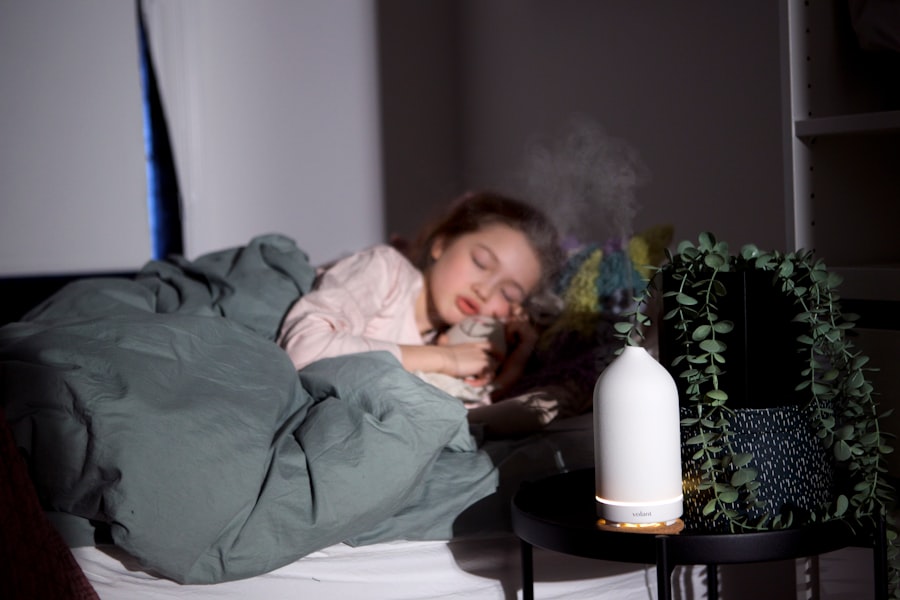
Melatonin is a hormone that plays a critical role in regulating your sleep-wake cycle. As you age, your body’s natural production of melatonin tends to decrease, which can contribute to difficulties in falling asleep or maintaining restful sleep. For many seniors, melatonin supplements can be a helpful tool in promoting better sleep.
Taking melatonin supplements may help signal to your body that it’s time to wind down and prepare for rest. However, it’s important to use melatonin wisely; starting with a low dose and gradually increasing it if necessary is often recommended. Consulting with a healthcare professional before starting melatonin is essential to ensure it aligns with your overall health plan and does not interact with any other medications you may be taking.
Herbal and Dietary Supplements for Senior Sleep
In addition to melatonin, various herbal and dietary supplements may support better sleep for seniors. Valerian root is one popular option known for its calming effects; many people find it helpful in reducing anxiety and promoting relaxation before bedtime. Chamomile tea is another gentle remedy that has been used for centuries to aid sleep due to its soothing properties.
Other supplements like magnesium and L-theanine have also shown promise in promoting relaxation and improving sleep quality. However, as with any supplement, it’s crucial to discuss these options with your healthcare provider before incorporating them into your routine. They can help you determine which supplements may be beneficial based on your individual health needs and any medications you are currently taking.
Non-Pharmacological Sleep Aids for Seniors 70+
Non-pharmacological approaches can be incredibly effective in improving sleep quality without the need for medication. Cognitive Behavioral Therapy for Insomnia (CBT-I) is one such method that focuses on changing negative thought patterns and behaviors related to sleep. This therapy has been shown to be effective in helping seniors develop healthier sleep habits.
Additionally, relaxation techniques such as deep breathing exercises or progressive muscle relaxation can help calm your mind and body before bedtime. Engaging in regular physical activity during the day can also promote better sleep at night; however, it’s best to avoid vigorous exercise close to bedtime as it may have the opposite effect.
Sleep Hygiene Tips for Seniors 70+
Practicing good sleep hygiene is essential for achieving restful nights as a senior. This involves creating an environment conducive to sleep and establishing habits that promote relaxation. Start by ensuring your bedroom is dark, quiet, and cool; these conditions are ideal for promoting deep sleep.
Limiting screen time before bed is another crucial aspect of good sleep hygiene. The blue light emitted by phones, tablets, and televisions can interfere with melatonin production and disrupt your natural sleep cycle. Instead of scrolling through social media or watching TV right before bed, consider engaging in calming activities like reading or listening to soothing music.
Creating a Comfortable Sleep Environment for Seniors 70+
Your sleep environment plays a significant role in how well you rest at night. To create a comfortable space conducive to sleep, start by investing in a supportive mattress and pillows that suit your sleeping style. If you find yourself waking up with aches or pains, it may be time to reassess your bedding choices.
Additionally, consider using blackout curtains or an eye mask to block out light and earplugs or a white noise machine to minimize disruptive sounds. Personalizing your space with calming colors or familiar items can also create a sense of comfort that promotes relaxation as you prepare for sleep.
Consulting a Healthcare Professional for Senior Sleep Concerns
If you continue to struggle with sleep despite trying various remedies and lifestyle changes, consulting a healthcare professional is essential. They can help identify any underlying medical conditions contributing to your sleep issues and recommend appropriate treatments tailored to your needs. Your healthcare provider may conduct a thorough evaluation that includes discussing your medical history, current medications, and lifestyle factors affecting your sleep.
They may also suggest further testing or refer you to a specialist if necessary. Remember that seeking help is not only okay but also an important step toward achieving the restful nights you deserve as you navigate this stage of life.
For seniors over 70, finding the best sleep aids can significantly enhance their quality of life by ensuring restful nights and improved overall health. An insightful article that complements this topic is available on Explore Senior Health, which delves into various aspects of senior health and wellness. This article provides valuable information on sleep aids specifically tailored for seniors, discussing both natural and medical options to help improve sleep quality. For more detailed insights, you can read the related article by visiting Explore Senior Health.
WATCH THIS! The Nighttime Pill That Skyrockets Senior Stroke Risk
FAQs
What are sleep aids for seniors over 70?
Sleep aids for seniors over 70 are products or techniques designed to help older adults improve the quality and duration of their sleep. These can include over-the-counter or prescription medications, natural supplements, lifestyle changes, and relaxation techniques.
What are the common sleep issues for seniors over 70?
Seniors over 70 often experience sleep issues such as insomnia, difficulty staying asleep, waking up too early, and restless leg syndrome. These issues can be caused by various factors including age-related changes in sleep patterns, medical conditions, medication side effects, and lifestyle factors.
What are the best sleep aids for seniors over 70?
The best sleep aids for seniors over 70 may include melatonin supplements, valerian root, chamomile tea, lavender essential oil, white noise machines, and relaxation techniques such as meditation and deep breathing exercises. It’s important for seniors to consult with their healthcare provider before using any sleep aids, especially if they are taking other medications.
Are there any risks associated with using sleep aids for seniors over 70?
Yes, there are potential risks associated with using sleep aids for seniors over 70. These can include drug interactions, side effects, dependency, and masking underlying health issues. It’s important for seniors to discuss the use of sleep aids with their healthcare provider to ensure they are safe and appropriate for their individual needs.
What lifestyle changes can seniors over 70 make to improve their sleep?
Seniors over 70 can improve their sleep by establishing a regular sleep schedule, creating a relaxing bedtime routine, avoiding caffeine and alcohol close to bedtime, exercising regularly, and creating a comfortable sleep environment. These lifestyle changes can help promote better sleep without the need for sleep aids.