
As you age, the risk of experiencing a stroke increases significantly.
A stroke occurs when blood flow to the brain is interrupted, leading to potential long-term disabilities or even death.
By focusing on prevention strategies, you can significantly reduce your risk and enhance your quality of life. This proactive approach not only helps you stay healthier but also empowers you to take control of your health journey. Preventing a stroke involves a multifaceted approach that includes lifestyle changes, regular medical check-ups, and awareness of risk factors.
You may not realize it, but many strokes are preventable through simple adjustments in your daily routine. By prioritizing stroke prevention, you can enjoy a more active and fulfilling life, free from the debilitating effects that a stroke can impose. It’s essential to recognize that taking steps now can lead to a healthier future, allowing you to engage more fully with family, friends, and activities you love.
Key Takeaways
- Senior stroke prevention is crucial for maintaining quality of life and independence in older age.
- Staying active in senior years can improve cardiovascular health, strength, and balance, reducing the risk of stroke.
- Physical activities for seniors can include walking, swimming, yoga, and tai chi, among others.
- A healthy diet plays a key role in stroke prevention for seniors, focusing on fruits, vegetables, whole grains, and lean proteins.
- Seniors should avoid high-sodium, high-sugar, and high-fat foods to reduce the risk of stroke.
Benefits of Staying Active in Senior Years
Staying active during your senior years is one of the most effective ways to prevent strokes and maintain overall health. Regular physical activity helps improve circulation, lowers blood pressure, and strengthens your heart—all critical factors in reducing stroke risk. Engaging in exercise not only benefits your physical health but also enhances your mental well-being.
You may find that staying active boosts your mood, reduces feelings of anxiety, and improves cognitive function. Moreover, being physically active can help you maintain a healthy weight, which is vital for stroke prevention. As you age, your metabolism may slow down, making it easier to gain weight.
By incorporating regular exercise into your routine, you can manage your weight more effectively and reduce the strain on your cardiovascular system. Additionally, staying active fosters social connections, as many activities can be enjoyed with friends or in group settings, further enhancing your quality of life.
Types of Physical Activities for Seniors
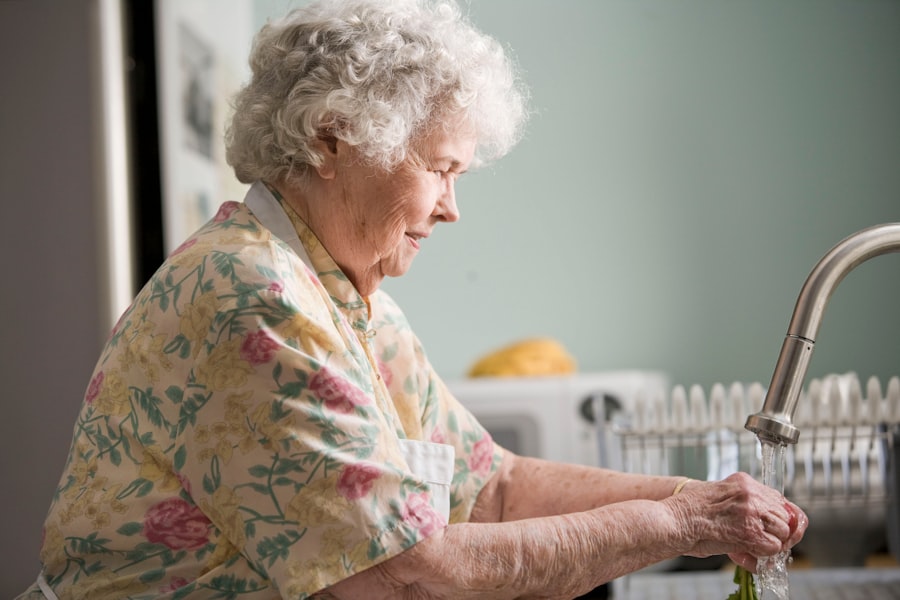
When considering physical activities suitable for seniors, it’s essential to choose options that are both enjoyable and safe. Low-impact exercises such as walking, swimming, or cycling are excellent choices that can be easily integrated into your daily routine. These activities not only promote cardiovascular health but also improve flexibility and balance, reducing the risk of falls—a common concern for seniors.
Strength training is another beneficial activity that you should consider incorporating into your routine. Using light weights or resistance bands can help build muscle mass and improve bone density, which is particularly important as you age. Additionally, activities like yoga or tai chi can enhance balance and coordination while promoting relaxation and mindfulness.
The key is to find activities that you enjoy so that staying active becomes a rewarding part of your daily life.
Importance of a Healthy Diet in Stroke Prevention
| Metrics | Data |
|---|---|
| Stroke Risk Reduction | Up to 30% lower risk with healthy diet |
| Impact on Blood Pressure | Lowered by reducing sodium and increasing potassium intake |
| Role of Fruits and Vegetables | Lower risk with higher consumption |
| Effect on Cholesterol Levels | Improved with low saturated and trans fat intake |
| Weight Management | Healthy diet helps in maintaining a healthy weight |
A healthy diet plays a pivotal role in stroke prevention for seniors. The foods you consume directly impact your overall health and can either increase or decrease your risk of stroke. A balanced diet rich in fruits, vegetables, whole grains, lean proteins, and healthy fats provides essential nutrients that support cardiovascular health.
By making conscious dietary choices, you can significantly lower your chances of experiencing a stroke. Moreover, maintaining a healthy diet helps manage other risk factors associated with strokes, such as high blood pressure and cholesterol levels. By focusing on nutrient-dense foods and minimizing processed options high in sugar and unhealthy fats, you can create a dietary pattern that promotes heart health.
It’s important to remember that what you eat today can have lasting effects on your health tomorrow; therefore, prioritizing a nutritious diet is a vital step in stroke prevention.
Foods to Include in a Senior’s Diet for Stroke Prevention
Incorporating specific foods into your diet can greatly enhance your efforts to prevent strokes. Leafy greens like spinach and kale are packed with vitamins and minerals that support heart health. Berries are another excellent choice; they are rich in antioxidants and have been shown to improve blood vessel function.
Including fatty fish such as salmon or mackerel in your meals provides omega-3 fatty acids, which are known to reduce inflammation and lower blood pressure. Whole grains should also be a staple in your diet. Foods like brown rice, quinoa, and whole-grain bread are high in fiber and can help regulate cholesterol levels.
Additionally, nuts and seeds are great sources of healthy fats and protein; they can be easily added to salads or eaten as snacks. By focusing on these nutrient-rich foods, you can create a diet that not only supports stroke prevention but also enhances your overall health.
Foods to Avoid in a Senior’s Diet for Stroke Prevention
While it’s essential to know which foods to include in your diet for stroke prevention, it’s equally important to be aware of those you should avoid. Processed foods high in trans fats and saturated fats can significantly increase your risk of heart disease and stroke. Items like fried foods, baked goods made with hydrogenated oils, and many fast-food options should be limited or eliminated from your diet.
Additionally, high-sodium foods can contribute to elevated blood pressure levels, which is a major risk factor for strokes.
Sugary beverages and snacks should also be avoided; they can lead to weight gain and increased blood sugar levels.
By steering clear of these harmful foods, you can better protect yourself against the risk of stroke.
Tips for Incorporating Exercise into a Senior’s Daily Routine
Incorporating exercise into your daily routine doesn’t have to be daunting; with a few simple strategies, you can make physical activity a regular part of your life. Start by setting realistic goals that align with your current fitness level. Whether it’s taking a short walk each day or participating in a weekly exercise class, small steps can lead to significant changes over time.
Creating a schedule can also help you stay committed to regular exercise. Designate specific times during the week for physical activity and treat them as important appointments that cannot be missed. Additionally, consider finding an exercise buddy or joining a group class; having social support can make exercising more enjoyable and motivate you to stick with it.
Remember that consistency is key; even short bouts of activity throughout the day can add up to substantial health benefits.
Importance of Regular Check-ups and Monitoring for Seniors
Regular check-ups with your healthcare provider are essential for monitoring your health as you age. These visits allow for early detection of potential issues that could increase your risk of stroke, such as high blood pressure or elevated cholesterol levels. By staying proactive about your health through routine screenings and assessments, you can address any concerns before they escalate into more serious problems.
In addition to routine check-ups, keeping track of any changes in your health is vital. If you notice symptoms such as sudden weakness or numbness on one side of your body or difficulty speaking, seek medical attention immediately. Being aware of these warning signs can save lives and prevent long-term complications associated with strokes.
Your healthcare provider can work with you to develop a personalized plan for monitoring your health and reducing your risk factors.
Strategies for Managing Stress and Anxiety in Seniors
Managing stress and anxiety is crucial for maintaining overall health and preventing strokes as you age. Chronic stress can lead to elevated blood pressure and other cardiovascular issues that increase stroke risk. You may find it helpful to explore various stress-reduction techniques such as mindfulness meditation, deep breathing exercises, or gentle yoga practices that promote relaxation.
Engaging in hobbies or activities that bring you joy can also serve as an effective way to manage stress. Whether it’s gardening, painting, or reading, dedicating time to activities you love allows you to unwind and recharge mentally. Additionally, connecting with friends or family members for social support can provide emotional relief during challenging times.
Remember that taking care of your mental health is just as important as caring for your physical well-being.
Importance of Socializing and Mental Stimulation for Senior Stroke Prevention
Socializing and engaging in mentally stimulating activities are vital components of stroke prevention for seniors. Maintaining social connections helps combat feelings of loneliness and isolation that can negatively impact mental health. Participating in community events or joining clubs allows you to meet new people while fostering meaningful relationships that enrich your life.
Mental stimulation is equally important; keeping your brain active through puzzles, reading, or learning new skills can help maintain cognitive function as you age. Engaging in activities that challenge your mind not only enhances memory but also promotes overall brain health. By prioritizing social interactions and mental engagement, you create a holistic approach to stroke prevention that addresses both physical and cognitive well-being.
Resources and Support for Seniors Looking to Prevent Stroke
As you embark on the journey toward stroke prevention, numerous resources are available to support you along the way. Local community centers often offer exercise classes tailored specifically for seniors, providing opportunities for physical activity in a safe environment. Additionally, many organizations focus on educating seniors about stroke prevention through workshops or informational sessions.
Online resources are also abundant; websites dedicated to senior health provide valuable information on nutrition, exercise programs, and mental wellness strategies tailored for older adults. Consider reaching out to healthcare professionals who specialize in geriatric care; they can offer personalized advice based on your unique health needs. Remember that seeking support from friends or family members can also enhance your efforts toward stroke prevention—together, you can create a healthier lifestyle that benefits everyone involved.
By understanding the importance of stroke prevention and taking proactive steps toward maintaining your health through diet, exercise, stress management, and social engagement, you empower yourself to live a vibrant life well into your senior years.
For seniors looking to reduce their risk of stroke, incorporating a healthy lifestyle is crucial. This includes maintaining a balanced diet, engaging in regular physical activity, and managing chronic conditions such as hypertension and diabetes. Additionally, staying informed about the latest health recommendations can be beneficial. For more comprehensive insights on stroke prevention tips tailored for seniors, you can explore this related article on Explore Senior Health. This resource provides valuable information to help seniors lead healthier lives and minimize their risk of stroke.
WATCH THIS! The Nighttime Pill That Skyrockets Senior Stroke Risk
FAQs
What is a stroke?
A stroke occurs when the blood supply to the brain is interrupted or reduced, depriving brain tissue of oxygen and nutrients. This can result in brain cell damage or death.
What are the risk factors for stroke in seniors?
Some common risk factors for stroke in seniors include high blood pressure, high cholesterol, diabetes, smoking, obesity, and a sedentary lifestyle.
What are some tips for preventing stroke in seniors?
Some tips for preventing stroke in seniors include maintaining a healthy diet, exercising regularly, managing chronic conditions such as high blood pressure and diabetes, quitting smoking, and limiting alcohol consumption.
How can seniors manage high blood pressure to prevent stroke?
Seniors can manage high blood pressure by following a low-sodium diet, exercising regularly, taking prescribed medications, and reducing stress.
What role does exercise play in stroke prevention for seniors?
Regular exercise can help seniors maintain a healthy weight, lower blood pressure, and improve overall cardiovascular health, all of which can reduce the risk of stroke.
What are some warning signs of a stroke in seniors?
Some warning signs of a stroke in seniors include sudden numbness or weakness in the face, arm, or leg, sudden confusion or trouble speaking, sudden trouble seeing in one or both eyes, sudden trouble walking, dizziness, or loss of balance.
How can seniors reduce their risk of stroke through diet?
Seniors can reduce their risk of stroke through diet by consuming a variety of fruits, vegetables, whole grains, lean proteins, and healthy fats, while limiting their intake of sodium, saturated fats, and added sugars.