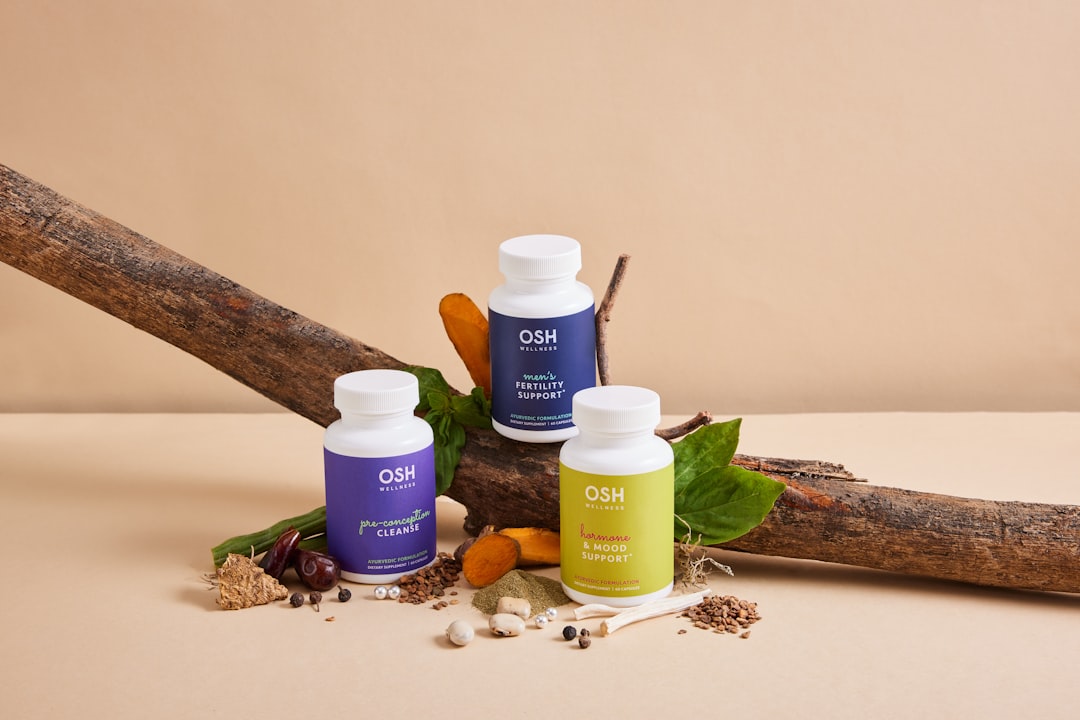
Herbal supplements have become a significant part of the health and wellness landscape, offering a natural alternative to conventional medicine. You may find yourself drawn to these products, often marketed as safe and effective solutions for various ailments. Derived from plants, these supplements can come in many forms, including capsules, teas, tinctures, and powders.
The appeal lies in their perceived natural origins and the belief that they can enhance your well-being without the side effects commonly associated with pharmaceutical drugs. However, while herbal supplements can provide benefits, it is essential to approach them with caution. The lack of rigorous scientific testing and regulation means that not all products are created equal.
You might be surprised to learn that the potency and purity of herbal supplements can vary widely between brands and batches. As you navigate this complex landscape, understanding both the potential benefits and risks associated with herbal supplements is crucial for making informed health decisions.
Key Takeaways
- Herbal supplement use is increasing rapidly, driven by interest in natural health solutions.
- Despite their popularity, herbal supplements can pose significant health risks, including liver damage.
- Liver failure linked to herbal supplements has been documented through various case studies.
- Regulatory oversight of herbal supplements is limited, leading to potential safety concerns.
- Awareness of liver damage symptoms and seeking timely medical help is crucial for users of herbal supplements.
The Growing Trend of Herbal Supplement Use
In recent years, there has been a noticeable surge in the popularity of herbal supplements. You may have noticed friends or family members incorporating these products into their daily routines, often touting their effectiveness for everything from stress relief to improved digestion. This trend is not merely anecdotal; studies indicate that millions of people are turning to herbal remedies as a primary source of health support.
The rise of social media and wellness influencers has further fueled this interest, making herbal supplements more accessible and appealing. As you explore this growing trend, it’s important to recognize the factors driving this shift. Many individuals are seeking alternatives to traditional medicine due to dissatisfaction with conventional treatments or a desire for more holistic approaches to health.
You might also be influenced by the increasing availability of information online, which can empower you to make choices about your health. However, this wealth of information can be a double-edged sword, as not all sources are reliable or scientifically backed.
The Concerns and Risks of Herbal Supplements

Despite their popularity, herbal supplements are not without concerns. You may be surprised to learn that the term “natural” does not always equate to “safe.” Many herbal products can interact with prescription medications or exacerbate existing health conditions. As you consider incorporating these supplements into your routine, it’s vital to be aware of potential side effects and interactions that could pose risks to your health.
Moreover, the lack of standardization in the herbal supplement industry raises questions about quality control. You might find that some products contain contaminants or do not contain the advertised ingredients at all. This inconsistency can lead to ineffective treatment or even harmful consequences.
As you weigh the benefits against the risks, it’s essential to conduct thorough research and consult healthcare professionals before making any decisions regarding herbal supplements.
Understanding Liver Failure
| Metric | Description | Normal Range | Significance in Liver Failure |
|---|---|---|---|
| Serum Bilirubin | Measures total bilirubin in blood | 0.1 – 1.2 mg/dL | Elevated levels indicate impaired liver clearance and cholestasis |
| Alanine Aminotransferase (ALT) | Enzyme found in liver cells | 7 – 56 U/L | High levels suggest liver cell injury |
| Aspartate Aminotransferase (AST) | Enzyme found in liver and other tissues | 10 – 40 U/L | Elevated in liver damage; AST/ALT ratio helps differentiate causes |
| Prothrombin Time (PT) | Measures blood clotting time | 11 – 13.5 seconds | Prolonged PT indicates impaired liver synthesis of clotting factors |
| Albumin | Major plasma protein synthesized by liver | 3.5 – 5.0 g/dL | Low levels reflect decreased liver synthetic function |
| Ammonia | Waste product normally cleared by liver | 15 – 45 µmol/L | Elevated in liver failure, contributing to hepatic encephalopathy |
| Ascites Volume | Fluid accumulation in abdomen | None (0 mL) | Presence indicates portal hypertension and liver decompensation |
| MELD Score | Model for End-Stage Liver Disease score | 6 – 40 (higher worse) | Predicts severity and mortality risk in liver failure |
Liver failure is a serious medical condition that occurs when the liver loses its ability to function effectively. You may not realize that the liver plays a crucial role in various bodily functions, including detoxification, metabolism, and nutrient storage. When the liver is compromised, it can lead to a cascade of health issues that affect your overall well-being.
Understanding liver failure is essential for recognizing its symptoms and potential causes. There are two primary types of liver failure: acute and chronic. Acute liver failure can develop rapidly, often within days or weeks, while chronic liver failure occurs gradually over months or years.
You might be surprised to learn that various factors can contribute to liver failure, including viral infections, excessive alcohol consumption, and certain medications. As you delve deeper into this topic, it becomes clear that maintaining liver health is vital for your overall health.
The Link Between Herbal Supplements and Liver Failure
As you explore the relationship between herbal supplements and liver failure, it’s essential to recognize that not all herbal products pose a risk. However, certain supplements have been linked to liver damage in some individuals. You may find it alarming that some popular herbal remedies have been associated with cases of acute liver failure, raising questions about their safety and efficacy.
Research has shown that specific compounds found in certain herbs can be hepatotoxic, meaning they can cause damage to liver cells. For instance, some traditional remedies used for weight loss or detoxification have been implicated in liver injury. As you consider using herbal supplements, it’s crucial to be aware of these potential risks and to stay informed about which products may pose a threat to your liver health.
Case Studies of Liver Failure Linked to Herbal Supplements
Real-life case studies provide valuable insights into the potential dangers of herbal supplements. You may find it eye-opening to learn about individuals who have experienced severe liver damage after using seemingly harmless herbal products.
These case studies highlight the importance of vigilance when using herbal supplements. You might be surprised by how quickly liver damage can occur, often without warning signs until significant harm has been done. As you read about these experiences, it becomes clear that understanding the risks associated with specific herbs is essential for protecting your health.
Common Herbal Supplements Associated with Liver Failure
Certain herbal supplements have garnered attention for their potential link to liver failure. You may have heard of products like kava kava, which has been associated with severe liver injury despite its popularity as an anxiety remedy. Similarly, other herbs such as comfrey and chaparral have been implicated in cases of hepatotoxicity.
As you consider your options for herbal supplementation, it’s crucial to be aware of these specific products and their potential risks. Additionally, some dietary supplements marketed for weight loss or detoxification may contain undisclosed ingredients that can harm your liver. You might be surprised to learn that even well-known brands can sometimes include harmful substances in their formulations.
As you navigate the world of herbal supplements, staying informed about which products are associated with liver damage can help you make safer choices.
Regulatory Oversight of Herbal Supplements
The regulatory landscape surrounding herbal supplements is complex and often lacks the stringent oversight found in pharmaceutical industries. You may find it concerning that in many countries, including the United States, herbal supplements are classified as dietary supplements rather than drugs. This classification means they do not undergo the same rigorous testing for safety and efficacy before reaching consumers.
As a result, you might encounter products on store shelves that make bold claims without substantial scientific backing. The lack of regulation can lead to inconsistencies in quality and safety among different brands and formulations. Understanding this regulatory environment is crucial for making informed decisions about which herbal supplements to trust and use.
Signs and Symptoms of Liver Damage from Herbal Supplements
Recognizing the signs and symptoms of liver damage is vital for early intervention and treatment. You may experience symptoms such as fatigue, jaundice (yellowing of the skin and eyes), abdominal pain, or dark urine if your liver is compromised due to herbal supplement use. These symptoms can often be mistaken for other conditions, making it essential to pay attention to any changes in your health.
If you suspect that an herbal supplement may be affecting your liver health, it’s crucial to seek medical advice promptly. Early detection can significantly improve outcomes and prevent further damage. As you become more aware of these symptoms, you’ll be better equipped to take action if you experience any concerning changes in your health.
Seeking Medical Help for Liver Damage from Herbal Supplements
If you suspect that you may be experiencing liver damage due to herbal supplement use, seeking medical help should be your top priority. You might feel apprehensive about discussing your supplement use with a healthcare professional; however, being open about your habits is essential for accurate diagnosis and treatment. Your doctor can perform tests to assess liver function and determine whether your symptoms are related to herbal supplementation.
In some cases, discontinuing the use of the offending supplement may lead to improvement in liver function over time. However, depending on the severity of the damage, additional medical interventions may be necessary. As you navigate this process, remember that early intervention is key to protecting your health and preventing long-term complications.
Alternatives to Herbal Supplements for Health and Wellness
If you’re concerned about the risks associated with herbal supplements but still want to support your health and wellness journey, there are plenty of alternatives available.
Incorporating fruits, vegetables, whole grains, lean proteins, and healthy fats into your meals can help promote overall well-being.
Additionally, lifestyle changes such as regular exercise, stress management techniques like yoga or meditation, and adequate sleep can significantly impact your health without relying on supplements. As you explore these alternatives, remember that achieving optimal health is a holistic process that encompasses various aspects of your life beyond just supplementation. In conclusion, while herbal supplements can offer benefits for some individuals, it’s essential to approach them with caution due to potential risks such as liver damage.
By staying informed about the concerns surrounding these products and considering alternative approaches to health and wellness, you can make choices that prioritize your well-being while minimizing risks.
Herbal supplements have gained popularity for their perceived health benefits, but some can pose serious risks, including liver failure. For more information on this critical issue, you can read the article on the potential dangers of herbal supplements and their impact on liver health. Check it out here: Herbal Supplements and Liver Failure.
FAQs
What are herbal supplements that can cause liver failure?
Herbal supplements that can cause liver failure are natural products derived from plants that have been linked to liver toxicity. Some commonly reported herbs include kava, comfrey, chaparral, and certain types of green tea extracts when taken in high doses or for prolonged periods.
How do herbal supplements cause liver failure?
Herbal supplements can cause liver failure by inducing liver cell damage through toxic compounds, allergic reactions, or by interfering with liver metabolism. This damage can lead to inflammation, liver enzyme elevation, and in severe cases, acute liver failure.
Are all herbal supplements harmful to the liver?
No, not all herbal supplements are harmful to the liver. Many are safe when used appropriately. However, some herbs contain compounds that can be toxic to the liver, especially if taken in large amounts, combined with other medications, or used by individuals with pre-existing liver conditions.
Who is at risk of liver failure from herbal supplements?
Individuals at higher risk include those with pre-existing liver disease, those taking multiple medications, people who consume alcohol heavily, and those who use herbal supplements in excessive doses or for extended periods without medical supervision.
How can I prevent liver damage from herbal supplements?
To prevent liver damage, use herbal supplements cautiously, follow recommended dosages, consult healthcare professionals before starting any new supplement, avoid combining multiple supplements, and discontinue use if you experience symptoms like jaundice, fatigue, or abdominal pain.
What are the symptoms of liver failure caused by herbal supplements?
Symptoms may include jaundice (yellowing of the skin and eyes), fatigue, nausea, vomiting, abdominal pain, dark urine, pale stools, and confusion. If you experience these symptoms after taking herbal supplements, seek medical attention immediately.
Can liver damage from herbal supplements be reversed?
In some cases, liver damage caused by herbal supplements can be reversed if detected early and the supplement is discontinued promptly. However, severe liver failure may require medical interventions such as hospitalization or liver transplantation.
Are herbal supplements regulated for safety?
Herbal supplements are regulated differently than pharmaceutical drugs in many countries. They often do not require pre-market approval for safety and efficacy, which means the risk of liver toxicity may not be fully evaluated before products reach consumers.
Should I inform my doctor about herbal supplement use?
Yes, it is important to inform your healthcare provider about any herbal supplements you are taking to ensure safe management of your health and to avoid potential interactions or liver toxicity.
Where can I find reliable information about the safety of herbal supplements?
Reliable information can be found through healthcare professionals, government health agencies such as the FDA or NIH, and reputable medical websites. Always verify the source of information before using herbal supplements.