Your liver plays a crucial role in maintaining your overall health, acting as a filter for toxins, processing nutrients, and producing essential proteins. Given its importance, it’s vital to understand how various supplements can impact liver function. As you navigate the world of dietary supplements, you may find yourself wondering about their effects on your liver health.
While many people turn to supplements to enhance their well-being, it’s essential to recognize that not all supplements are created equal, and some can pose risks to your liver.
However, this trend has also led to an increase in reports of liver damage associated with certain supplements.
Understanding the relationship between liver health and the supplements you choose is paramount. By educating yourself on the potential risks and benefits, you can make informed decisions that support your liver and overall health.
Key Takeaways
- Some supplements can negatively affect liver health, making awareness crucial.
- Recognizing symptoms like jaundice or fatigue helps identify potential liver damage early.
- Proper dosage and timing are essential to minimize liver risks from supplements.
- Regular medical monitoring and liver function tests ensure safe supplement use.
- Lifestyle changes and alternative supplements can support liver health effectively.
Common Supplements and Their Potential Impact on the Liver
As you explore the vast array of supplements available, you may encounter several that are commonly associated with liver health. Milk thistle, for instance, is often touted for its liver-protective properties. This herb contains silymarin, a compound believed to have antioxidant effects that may help protect liver cells from damage.
While many people take milk thistle with the hope of enhancing liver function, it’s essential to approach it with caution and be aware of individual responses. Another supplement that has gained attention is N-acetylcysteine (NAC), known for its role in replenishing glutathione levels in the body. Glutathione is a powerful antioxidant that plays a significant role in detoxification processes within the liver.
Some studies suggest that NAC may help mitigate liver damage caused by certain toxins or medications. However, while these supplements may offer potential benefits, it’s crucial to consider their effects on your unique physiology and any underlying health conditions you may have.
Signs and Symptoms of Liver Damage from Supplements
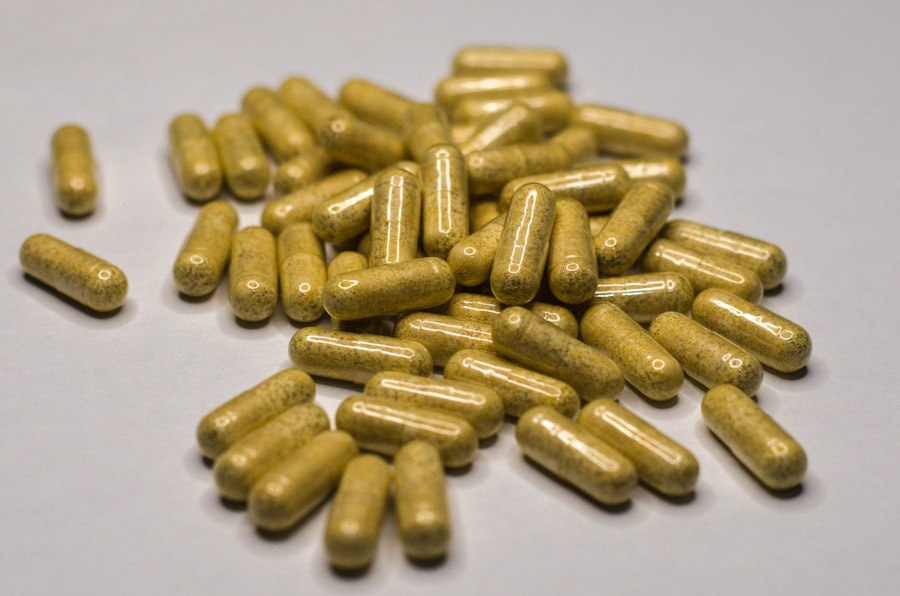
As you incorporate supplements into your routine, it’s vital to remain vigilant for any signs of liver damage. Symptoms can vary widely but may include fatigue, jaundice (yellowing of the skin and eyes), abdominal pain, and dark urine. If you notice any of these symptoms after starting a new supplement regimen, it’s essential to take them seriously and consult a healthcare professional.
In some cases, liver damage may not present obvious symptoms until significant harm has occurred. This makes it all the more important for you to be proactive in monitoring your health. Regular check-ups and blood tests can help detect any changes in liver function before they escalate into more severe issues.
Risk Factors for Liver Damage from Supplements
| Risk Factor | Description | Impact on Liver | Examples |
|---|---|---|---|
| High Dosage | Consuming supplements in doses higher than recommended | Increases liver toxicity and risk of damage | Excessive Vitamin A, Niacin |
| Prolonged Use | Long-term consumption without breaks | Leads to cumulative liver stress and injury | Continuous use of anabolic steroids |
| Pre-existing Liver Conditions | Existing liver diseases or impaired liver function | Heightens susceptibility to supplement-induced damage | Hepatitis, fatty liver disease |
| Contaminated Supplements | Supplements containing undisclosed or harmful substances | Can cause acute liver injury or failure | Supplements with heavy metals or adulterants |
| Herbal Ingredients | Use of certain herbs known for hepatotoxicity | May cause liver inflammation or damage | Kava, comfrey, chaparral |
| Drug Interactions | Concurrent use with medications metabolized by the liver | Increases risk of liver enzyme elevation and damage | St. John’s Wort with prescription drugs |
| Genetic Factors | Individual genetic predisposition affecting metabolism | Variable risk of liver toxicity from supplements | Polymorphisms in liver enzyme genes |
Understanding the risk factors associated with liver damage from supplements is crucial for your safety. Certain individuals may be more susceptible to adverse effects due to pre-existing conditions or lifestyle choices. For example, if you have a history of liver disease or consume alcohol regularly, your risk of experiencing negative effects from supplements may be heightened.
Additionally, age can play a role in how your body processes supplements. Older adults may have diminished liver function or be taking multiple medications that could interact with supplements. It’s essential to consider these factors when deciding which supplements to take and to consult with a healthcare provider who can help assess your individual risk profile.
The Importance of Proper Dosage and Timing of Supplements
When it comes to supplements, more is not always better. You should pay close attention to the recommended dosages and timing for each supplement you take. Overdosing on certain vitamins or minerals can lead to toxicity and potentially harm your liver.
For instance, excessive intake of vitamin A or iron can result in serious health complications. Timing also matters; some supplements are best absorbed when taken with food, while others may be more effective on an empty stomach. Understanding how to optimize the timing and dosage of your supplements can enhance their benefits while minimizing risks.
Always read labels carefully and consider consulting a healthcare professional for personalized advice tailored to your specific needs.
How to Safely Monitor Liver Health While Taking Supplements

Monitoring your liver health while taking supplements is an essential practice that can help you catch potential issues early on. Regular blood tests can provide valuable insights into your liver function by measuring enzymes such as ALT and AST, which can indicate inflammation or damage. If you’re starting a new supplement regimen, consider scheduling follow-up tests after a few weeks to assess how your body is responding.
In addition to blood tests, being mindful of any changes in how you feel is crucial. Keep a journal documenting any new symptoms or changes in energy levels, digestion, or overall well-being. This information can be invaluable when discussing your health with a healthcare provider.
By taking an active role in monitoring your liver health, you empower yourself to make informed decisions about your supplement use.
Seeking Medical Advice and Testing for Liver Function
If you have concerns about how supplements may be affecting your liver health, seeking medical advice is a wise step. A healthcare professional can provide guidance based on your medical history, current medications, and lifestyle factors. They may recommend specific tests to evaluate your liver function and help determine whether any adjustments to your supplement regimen are necessary.
Don’t hesitate to discuss any symptoms you’re experiencing or any concerns you have about potential interactions between supplements and medications. Open communication with your healthcare provider ensures that you receive personalized care tailored to your unique situation. Remember that proactive management of your health is key to preventing complications down the line.
Alternative Supplements and Lifestyle Changes for Liver Health
If you’re looking for ways to support your liver health without relying solely on traditional supplements, consider exploring alternative options and lifestyle changes. Incorporating foods rich in antioxidants—such as fruits, vegetables, nuts, and whole grains—can provide essential nutrients that promote liver function. Additionally, staying hydrated by drinking plenty of water helps facilitate detoxification processes within the body.
Regular physical activity is another powerful tool for maintaining liver health. Exercise not only helps manage weight but also improves circulation and supports metabolic processes that benefit the liver. You might also want to explore stress-reduction techniques such as yoga or meditation, as chronic stress can negatively impact overall health, including liver function.
Understanding the Role of the Liver in Processing Supplements
To fully appreciate how supplements affect your body, it’s essential to understand the role of the liver in processing these substances. The liver acts as a metabolic hub, breaking down nutrients from food and supplements into forms that the body can use or eliminate. This process involves various enzymes that facilitate chemical reactions necessary for detoxification.
When you take a supplement, it enters your bloodstream and is transported to the liver for processing. Depending on the composition of the supplement and your individual metabolism, this can either support or hinder liver function. Being aware of how your body interacts with different substances can help you make informed choices about which supplements are right for you.
Case Studies and Research on Liver Damage from Supplements
Numerous case studies highlight the potential risks associated with certain dietary supplements and their impact on liver health. For instance, reports have emerged linking high doses of herbal products like kava and green tea extract to acute liver injury in some individuals. These cases underscore the importance of understanding not only the benefits but also the potential dangers associated with specific supplements.
Research continues to evolve in this area, shedding light on how various factors—such as dosage, duration of use, and individual susceptibility—contribute to the risk of liver damage from supplements. Staying informed about emerging studies can help you make educated decisions regarding your supplement use and prioritize your liver health.
Conclusion and Recommendations for Safe Supplement Use
In conclusion, while dietary supplements can offer potential benefits for overall health, it’s crucial to approach them with caution—especially concerning liver health. By understanding the common supplements available, recognizing signs of liver damage, and being aware of risk factors, you empower yourself to make informed choices. Always prioritize proper dosage and timing when taking supplements, and don’t hesitate to seek medical advice if you have concerns about their impact on your liver function.
Regular monitoring through blood tests can help catch any issues early on. Additionally, consider incorporating alternative lifestyle changes that support liver health alongside any supplement regimen. Ultimately, knowledge is power when it comes to maintaining your well-being.
By staying informed about how supplements interact with your body and prioritizing your liver health, you can navigate the world of dietary supplements safely and effectively.
If you’re concerned about whether your supplements might be harming your liver, it’s essential to stay informed about the potential risks associated with various dietary supplements. A related article that provides valuable insights on this topic can be found at Explore Senior Health. This resource discusses the impact of certain supplements on liver health and offers guidance on how to choose safer options.
FAQs
Can dietary supplements cause liver damage?
Yes, certain dietary supplements have been associated with liver damage, especially when taken in high doses or for prolonged periods. Ingredients like green tea extract, kava, and anabolic steroids are known to potentially harm the liver.
What are the symptoms of liver damage from supplements?
Symptoms may include fatigue, nausea, abdominal pain, jaundice (yellowing of the skin or eyes), dark urine, and unexplained itching. If you experience these symptoms after taking supplements, consult a healthcare professional promptly.
How can I tell if my supplements are affecting my liver?
Regular liver function tests conducted by a healthcare provider can help detect liver injury. If you suspect your supplements are causing issues, stop taking them and seek medical advice for appropriate testing.
Are all supplements safe for the liver?
No, not all supplements are safe for the liver. While many are harmless when used as directed, some contain ingredients that can be toxic to the liver, especially in large amounts or when combined with other medications.
Can natural or herbal supplements harm the liver?
Yes, natural or herbal supplements can also cause liver damage. “Natural” does not always mean safe, and some herbs have been linked to liver toxicity.
What should I do before starting a new supplement?
Consult with a healthcare professional, especially if you have pre-existing liver conditions or are taking other medications. They can help assess the safety and necessity of the supplement.
Is it safe to take multiple supplements at once?
Taking multiple supplements can increase the risk of liver damage due to potential interactions and cumulative effects. Always discuss with a healthcare provider before combining supplements.
How can I protect my liver while taking supplements?
Use supplements only as directed, avoid excessive doses, choose reputable brands, and have regular medical check-ups to monitor liver health.
Can stopping supplements reverse liver damage?
In some cases, stopping the offending supplement can lead to improvement or reversal of liver damage, especially if detected early. However, severe damage may be irreversible.
Are liver function tests necessary if I take supplements?
If you regularly take supplements known to affect the liver or have symptoms suggestive of liver injury, periodic liver function tests are advisable to monitor liver health.