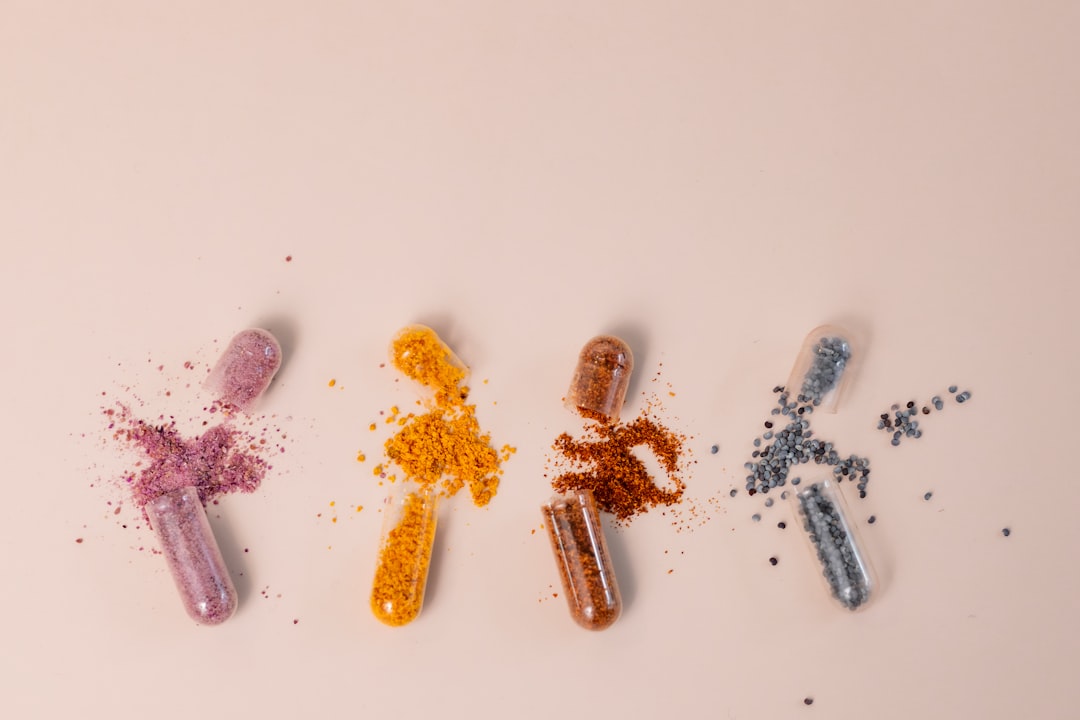
As you reach the milestone of 60 years, your body undergoes a myriad of changes that can affect your overall health and well-being. The aging process often brings about a decline in the efficiency of nutrient absorption, making it increasingly important to consider how you can support your body through dietary supplements. While a balanced diet remains the cornerstone of good health, supplements can play a crucial role in filling nutritional gaps that may arise as you age.
Understanding which supplements are beneficial for you can empower you to make informed choices that enhance your quality of life. Navigating the world of supplements can be overwhelming, especially with the plethora of options available on the market. Each supplement claims to offer unique benefits, but not all are necessary or effective for everyone.
As you explore this topic, it’s essential to focus on your individual health needs and consult with healthcare professionals who can guide you in selecting the right supplements tailored to your lifestyle and health conditions. This article will delve into various supplements that may be beneficial for individuals over 60, providing insights into their importance and how they can contribute to your overall health.
Key Takeaways
- Nutritional needs change after 60, making certain supplements important for health maintenance.
- Calcium, Vitamin D, and Vitamin B12 are commonly recommended to support bone health and energy levels.
- Omega-3 fatty acids and probiotics aid in heart health and digestive function, respectively.
- Coenzyme Q10 and herbal supplements may offer additional benefits but require careful consideration.
- Always consult a healthcare professional before starting any supplement regimen to ensure safety and effectiveness.
Understanding the Changing Nutritional Needs
As you age, your body’s nutritional requirements evolve significantly. Factors such as hormonal changes, decreased metabolism, and alterations in digestion can impact how your body processes nutrients. For instance, you may find that you require fewer calories than before, but your need for certain vitamins and minerals may actually increase.
This paradox can make it challenging to meet your nutritional needs solely through diet, highlighting the potential benefits of supplements. Moreover, certain health conditions that become more prevalent with age—such as osteoporosis, heart disease, and cognitive decline—can further complicate your nutritional landscape. You might find that specific nutrients become critical in managing these conditions.
For example, calcium and vitamin D are essential for bone health, while omega-3 fatty acids can support heart function. Understanding these changing nutritional needs is the first step in determining which supplements could be beneficial for you as you navigate this new chapter of life.
Calcium and Vitamin D Supplements

Calcium and vitamin D are two essential nutrients that play a pivotal role in maintaining bone health, particularly as you age. Osteoporosis, a condition characterized by weakened bones and an increased risk of fractures, becomes a significant concern for many individuals over 60. While dietary sources of calcium—such as dairy products, leafy greens, and fortified foods—are important, they may not always provide sufficient amounts to meet your needs.
This is where calcium supplements can come into play. Vitamin D is equally crucial because it aids in calcium absorption and helps maintain bone density. Unfortunately, many people do not get enough vitamin D from sunlight or food sources alone.
As you consider supplementation, it’s important to choose the right forms and dosages based on your individual health status. Consulting with a healthcare professional can help you determine whether you need additional calcium and vitamin D and what the appropriate amounts would be for your specific situation.
Iron Supplements
| Metric | Value | Unit | Notes |
|---|---|---|---|
| Recommended Daily Allowance (RDA) for Adults | 8-18 | mg | Varies by age, sex, and pregnancy status |
| Common Dosage in Supplements | 30-65 | mg | Typically ferrous sulfate or ferrous gluconate |
| Absorption Rate | 10-15 | % | Depends on iron form and presence of enhancers/inhibitors |
| Half-life in Blood | 12-24 | hours | Varies with iron status and supplement type |
| Common Side Effects | Nausea, Constipation, Dark stools | N/A | May affect compliance |
| Upper Intake Level (Adults) | 45 | mg/day | Excess intake can cause toxicity |
Iron is another vital nutrient that often requires attention as you age. While iron deficiency is commonly associated with younger populations, older adults can also experience low iron levels due to various factors such as chronic diseases or dietary restrictions. If you find yourself feeling fatigued or weak, it may be worth evaluating your iron intake.
Iron supplements can help restore healthy levels, but it’s essential to approach this with caution. Excessive iron intake can lead to toxicity and other health issues, so it’s crucial to have your iron levels tested before starting any supplementation. If you do require iron supplements, consider discussing with your healthcare provider the best type for you—whether it’s ferrous sulfate or another form—and how to incorporate it safely into your routine.
Balancing iron levels can significantly enhance your energy levels and overall vitality.
Vitamin B12 Supplements
Vitamin B12 is another nutrient that often warrants attention for those over 60. This vitamin is essential for nerve function, red blood cell formation, and DNA synthesis. As you age, the ability to absorb vitamin B12 from food diminishes due to decreased stomach acid production and other digestive changes.
Consequently, many older adults find themselves at risk for deficiency. If you experience symptoms such as fatigue, weakness, or cognitive difficulties, it may be time to evaluate your B12 levels. Supplementation can be an effective way to ensure adequate intake, especially if you follow a vegetarian or vegan diet where B12 sources are limited.
You might consider sublingual tablets or injections if absorption is a concern; however, consulting with a healthcare professional will help determine the best approach for your specific needs.
Omega-3 Fatty Acid Supplements

Omega-3 fatty acids are renowned for their numerous health benefits, particularly for heart and brain health. As you age, maintaining cardiovascular health becomes increasingly important, and omega-3s can play a significant role in reducing inflammation and supporting heart function. These essential fats are primarily found in fatty fish like salmon and mackerel but can also be obtained through plant-based sources like flaxseeds and walnuts.
If you find it challenging to incorporate enough omega-3-rich foods into your diet, omega-3 supplements may be a viable option. Fish oil capsules or algae-based supplements can provide the necessary fatty acids without the need for increased fish consumption. However, it’s essential to choose high-quality supplements that are free from contaminants like heavy metals.
Discussing your omega-3 needs with a healthcare provider can help ensure that you’re making informed choices that align with your health goals.
Probiotics and Digestive Enzyme Supplements
Digestive health often takes a hit as you age due to changes in gut flora and digestive enzyme production.
Probiotics—beneficial bacteria that promote gut health—can be an effective way to restore balance in your digestive system.
These supplements come in various forms, including capsules, powders, and fermented foods. In addition to probiotics, digestive enzyme supplements can aid in breaking down food more efficiently, alleviating discomfort associated with digestion. If you find that certain foods cause distress or if you have been diagnosed with conditions like lactose intolerance or irritable bowel syndrome (IBS), these supplements may provide relief.
As always, consulting with a healthcare professional will help tailor these options to your specific digestive needs.
Coenzyme Q10 Supplements
Coenzyme Q10 (CoQ10) is a powerful antioxidant that plays a crucial role in energy production within cells. As you age, natural levels of CoQ10 tend to decline, which can impact energy levels and overall vitality. Many individuals over 60 report feeling more fatigued or lacking energy; supplementing with CoQ10 may help combat these feelings by supporting cellular energy production.
Research suggests that CoQ10 may also have cardiovascular benefits by improving heart function and reducing oxidative stress. If you’re considering adding CoQ10 to your supplement regimen, it’s advisable to discuss this with your healthcare provider to determine the appropriate dosage and form—whether it’s ubiquinone or ubiquinol—based on your individual health status.
Multivitamins
Multivitamins can serve as a convenient way to cover a broad spectrum of nutritional bases as you age. While they should not replace a balanced diet rich in whole foods, multivitamins can help fill gaps in nutrient intake that may arise due to dietary restrictions or changes in appetite. When selecting a multivitamin, look for formulations specifically designed for seniors; these often contain adjusted levels of vitamins and minerals tailored to meet the unique needs of older adults.
However, it’s important to remember that not all multivitamins are created equal. Some may contain excessive amounts of certain nutrients that could lead to toxicity if taken long-term. Consulting with a healthcare professional can help ensure that you choose a multivitamin that complements your dietary habits without exceeding recommended daily allowances.
Herbal Supplements
Herbal supplements have gained popularity among older adults seeking natural remedies for various health concerns. From turmeric for its anti-inflammatory properties to ginkgo biloba for cognitive support, herbal options abound. However, while many herbs offer potential benefits, they also come with risks and interactions that must be considered.
They can help guide you toward safe options that align with any medications you may be taking or specific health conditions you may have.
Consulting with a Healthcare Professional
As you explore the world of supplements after 60, remember that individual needs vary widely based on factors such as lifestyle, diet, medical history, and existing health conditions. While supplements can offer significant benefits in supporting your health during this stage of life, they should not be viewed as a one-size-fits-all solution. Consulting with a healthcare professional is paramount before starting any new supplement regimen.
They can provide personalized recommendations based on comprehensive assessments of your nutritional status and health goals. By working together with a knowledgeable provider, you can create a tailored approach that enhances your well-being and helps you thrive in this vibrant chapter of life.
As we age, it’s important to reassess our supplement intake to ensure we’re supporting our health effectively. For those over 60, certain supplements may no longer be beneficial and could even pose risks. To learn more about which supplements to consider stopping, check out this informative article on senior health: Supplements to Stop Taking After 60.
FAQs
What supplements should people consider stopping after age 60?
Some supplements that may be reconsidered after age 60 include high-dose vitamin A, certain iron supplements (unless prescribed for deficiency), and some herbal supplements that can interact with medications. It’s important to consult a healthcare provider before stopping or starting any supplement.
Why might some supplements be unnecessary or harmful after 60?
As people age, their nutritional needs and metabolism change. Some supplements taken in excess can lead to toxicity or interfere with medications. For example, excess vitamin A can cause bone loss, and unnecessary iron supplementation can increase oxidative stress if iron levels are already adequate.
Are there supplements that are generally recommended for people over 60?
Yes, common supplements recommended for older adults include vitamin D, calcium, and vitamin B12, as these nutrients are often less efficiently absorbed with age. However, supplementation should be personalized based on individual health status and blood tests.
Should I stop taking supplements without consulting a doctor?
No. It is important to consult a healthcare professional before stopping any supplements, especially if they were prescribed or recommended based on specific health conditions or deficiencies.
Can supplements interact with medications commonly used by people over 60?
Yes. Many supplements can interact with prescription medications, potentially reducing their effectiveness or causing adverse effects. For example, St. John’s Wort can interfere with blood thinners, and high doses of vitamin E may increase bleeding risk.
How can I determine which supplements I need after 60?
The best approach is to have a healthcare provider evaluate your diet, lifestyle, and blood work to identify any deficiencies or health risks. They can then recommend appropriate supplements tailored to your needs.
Is it better to get nutrients from food rather than supplements after 60?
Generally, obtaining nutrients from a balanced diet is preferred because foods provide a complex mix of nutrients and other beneficial compounds. Supplements can be useful when dietary intake is insufficient or specific deficiencies exist.
Are there risks associated with continuing to take certain supplements after 60?
Yes. Some supplements can accumulate to toxic levels or cause side effects in older adults. For example, excessive vitamin A can lead to liver damage, and too much iron can cause gastrointestinal issues and oxidative damage.
How often should supplement needs be reassessed after age 60?
Supplement needs should be reassessed regularly, ideally during annual health check-ups or when there are changes in health status, medications, or diet. This helps ensure supplementation remains appropriate and safe.