
In today’s health-conscious society, the use of dietary supplements has surged dramatically. You may find yourself surrounded by a plethora of options, from vitamins and minerals to herbal extracts and protein powders. The allure of these products often lies in their promise to enhance your well-being, boost your energy levels, or even help you achieve your fitness goals.
However, as you navigate this vast landscape of supplements, it is crucial to approach them with a discerning eye. Understanding the potential benefits and risks associated with supplement use can empower you to make informed decisions that align with your health objectives. As you consider incorporating supplements into your routine, it’s essential to recognize that not all supplements are created equal.
While some may offer genuine health benefits, others can pose significant risks, especially if taken without proper guidance. The marketing surrounding these products can be misleading, often exaggerating their effectiveness while downplaying potential side effects.
This article will delve into various supplements, exploring their risks and benefits to help you make informed choices.
Key Takeaways
- Supplements can pose health risks if not used properly or without medical advice.
- Excessive calcium and vitamin D intake may lead to harmful side effects.
- Iron supplements can be dangerous for individuals without iron deficiency.
- Herbal and weight loss supplements are not always safe and may cause adverse reactions.
- Informed decisions and consulting healthcare professionals are crucial before taking any supplements.
Understanding the Risks of Taking Certain Supplements
When you think about taking supplements, it’s easy to assume that they are inherently safe because they are marketed as natural or beneficial. However, the reality is that many supplements can carry risks that you might not be aware of. For instance, the lack of regulation in the supplement industry means that the quality and purity of these products can vary significantly.
Some supplements may contain harmful contaminants or inaccurate dosages, which can lead to adverse health effects. As you consider adding supplements to your regimen, it’s essential to be aware of these potential pitfalls. Moreover, certain supplements can interact negatively with medications you may already be taking.
This interaction can diminish the effectiveness of your prescribed treatments or even lead to dangerous side effects. For example, if you are on blood thinners, taking vitamin E or fish oil could increase your risk of bleeding. It’s crucial to communicate openly with your healthcare provider about any supplements you are considering to ensure they won’t interfere with your health plan.
By understanding these risks, you can make more informed decisions about which supplements are right for you.
Calcium Supplements: Are They Doing More Harm Than Good?
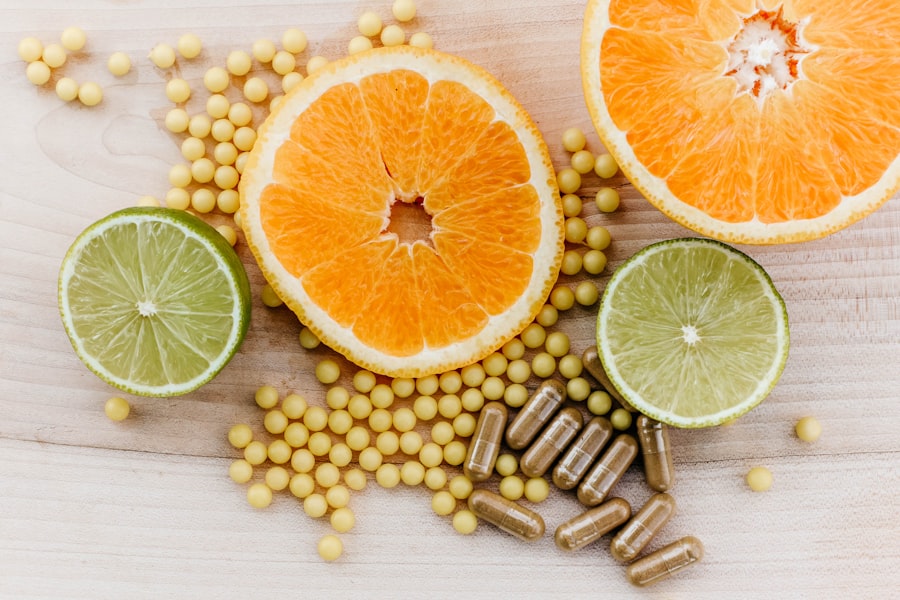
Calcium is often touted as a vital nutrient for maintaining strong bones and preventing osteoporosis. As you age, the importance of calcium becomes even more pronounced, leading many individuals to turn to calcium supplements for support. However, recent studies have raised questions about whether these supplements are truly beneficial or if they might be doing more harm than good.
Research has suggested that excessive calcium intake from supplements may be linked to an increased risk of heart disease and kidney stones. As you weigh the pros and cons of calcium supplementation, it’s essential to consider dietary sources of calcium as a primary option. Foods such as dairy products, leafy greens, and fortified foods can provide adequate amounts of calcium without the potential risks associated with high-dose supplements.
If you do choose to take a calcium supplement, it’s wise to do so under the guidance of a healthcare professional who can help determine the appropriate dosage for your individual needs. By prioritizing a balanced diet rich in natural sources of calcium, you may be able to support your bone health without exposing yourself to unnecessary risks.
The Dangers of Iron Supplements for Certain Individuals
| Risk Factor | Potential Danger | At-Risk Individuals | Recommended Precaution |
|---|---|---|---|
| Iron Overload | Organ damage (liver, heart, pancreas) | Individuals with Hemochromatosis or genetic predisposition | Avoid iron supplements unless prescribed; regular blood tests |
| Gastrointestinal Issues | Nausea, constipation, abdominal pain | People with sensitive stomachs or gastrointestinal disorders | Take supplements with food; consider lower doses or alternative forms |
| Iron Toxicity | Acute poisoning, especially in children | Young children accidentally ingesting supplements | Keep supplements out of reach; use child-proof containers |
| Interactions with Medications | Reduced effectiveness of certain drugs (e.g., antibiotics, thyroid meds) | Individuals on specific prescription medications | Consult healthcare provider before starting supplements |
| Excessive Iron Intake | Increased risk of infections and oxidative stress | Individuals without iron deficiency or anemia | Only take supplements if iron deficiency is confirmed by blood tests |
Iron is another essential nutrient that plays a critical role in various bodily functions, including oxygen transport and energy production. However, iron supplementation is not without its dangers, particularly for individuals who do not have an iron deficiency. If you are considering taking iron supplements, it’s crucial to understand that excess iron can lead to toxicity and serious health issues.
Conditions such as hemochromatosis, a genetic disorder that causes excessive iron absorption, can be exacerbated by unnecessary supplementation. Before starting an iron supplement regimen, it’s advisable to undergo testing to determine your iron levels. If you find that you are deficient, your healthcare provider can recommend an appropriate dosage tailored to your needs.
On the other hand, if your iron levels are normal or elevated, taking iron supplements could lead to complications such as liver damage or gastrointestinal distress. By being proactive about understanding your body’s specific needs, you can avoid the potential dangers associated with iron supplementation.
Vitamin D: When Too Much of a Good Thing Becomes Harmful
Vitamin D is often hailed as a miracle nutrient due to its role in bone health and immune function. Many people turn to vitamin D supplements, especially in regions with limited sunlight exposure. While adequate levels of vitamin D are essential for overall health, it’s important to recognize that excessive intake can lead to toxicity.
Symptoms of vitamin D toxicity include nausea, vomiting, weakness, and serious complications such as kidney damage. As you consider vitamin D supplementation, it’s wise to first assess your current levels through a blood test. If you find that you are deficient, your healthcare provider can recommend an appropriate dosage that minimizes the risk of toxicity while still providing the benefits you seek.
Additionally, incorporating natural sources of vitamin D into your diet—such as fatty fish, fortified foods, and egg yolks—can help maintain healthy levels without relying solely on supplements. By being mindful of your vitamin D intake, you can enjoy its benefits while avoiding the pitfalls of overconsumption.
The Potential Risks of Taking Multivitamins
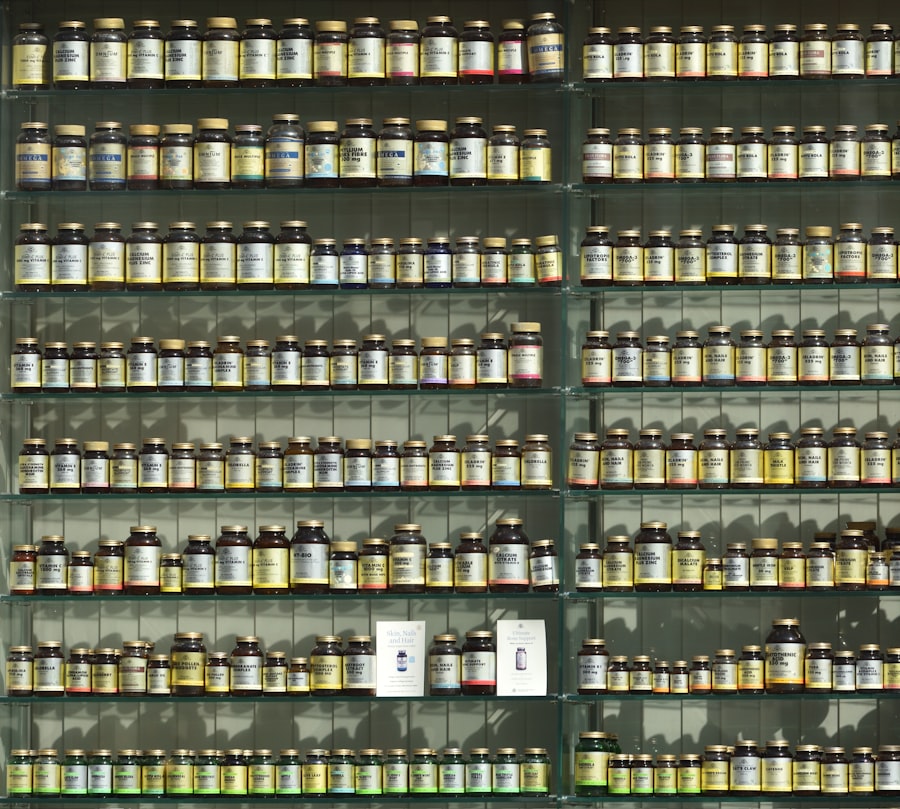
Multivitamins are often marketed as a convenient way to fill nutritional gaps in your diet. However, while they may seem harmless at first glance, there are potential risks associated with their use that you should consider. For one, many multivitamins contain high doses of certain vitamins and minerals that can lead to toxicity if taken over an extended period.
For example, excessive intake of fat-soluble vitamins like A, D, E, and K can accumulate in the body and cause adverse effects. Moreover, relying on multivitamins as a substitute for a balanced diet can lead to nutritional imbalances. Whole foods provide a complex array of nutrients that work synergistically in ways that isolated vitamins cannot replicate.
Instead of defaulting to multivitamins for nutritional support, focus on consuming a diverse range of whole foods rich in vitamins and minerals. If you feel that you need additional support beyond your diet, consult with a healthcare professional who can guide you toward safe and effective supplementation tailored to your individual needs.
The Truth About Fish Oil Supplements and Their Potential Risks
Fish oil supplements have gained popularity for their omega-3 fatty acids, which are believed to support heart health and reduce inflammation. However, while these benefits are well-documented, there are also potential risks associated with fish oil supplementation that warrant consideration. For instance, high doses of fish oil can increase the risk of bleeding and may interact with blood-thinning medications.
Additionally, concerns about contamination with heavy metals and toxins in fish oil products have raised questions about their safety. If you’re considering adding fish oil supplements to your routine, it’s essential to choose high-quality products from reputable brands that undergo third-party testing for purity and potency. Alternatively, incorporating whole food sources of omega-3s into your diet—such as fatty fish like salmon or plant-based sources like flaxseeds—can provide similar benefits without the risks associated with supplementation.
By being informed about both the advantages and potential dangers of fish oil supplements, you can make choices that align with your health goals.
Herbal Supplements: Are They Really Safe?
Herbal supplements have long been used in traditional medicine systems around the world for their purported health benefits. However, just because something is natural does not mean it is safe for everyone. As you explore herbal options for enhancing your well-being, it’s crucial to understand that herbal supplements can interact with medications and may cause side effects in some individuals.
For example, St. John’s Wort is known for its antidepressant properties but can interfere with various medications by affecting liver enzymes. Additionally, the quality and potency of herbal supplements can vary widely between brands and products due to a lack of regulation in the industry.
Some herbal products may contain contaminants or not contain the active ingredients they claim to have.
Creatine and Bodybuilding Supplements: Potential Risks and Side Effects
Creatine is a popular supplement among athletes and bodybuilders seeking enhanced performance and muscle growth. While research supports its effectiveness in improving strength and exercise capacity, it’s important to be aware of potential risks associated with its use. Some individuals may experience gastrointestinal discomfort or cramping when taking creatine supplements.
Additionally, there are concerns about long-term effects on kidney function in those with pre-existing kidney conditions. If you’re considering creatine supplementation as part of your fitness regimen, it’s advisable to consult with a healthcare professional or a registered dietitian who can help assess whether it’s appropriate for you based on your health status and fitness goals. Moreover, focusing on proper hydration and following recommended dosages can help mitigate some potential side effects associated with creatine use.
The Risks of Taking Weight Loss Supplements
In a society where weight loss is often equated with success and happiness, weight loss supplements have become increasingly popular among those seeking quick results. However, many weight loss supplements come with significant risks that should not be overlooked. Some products may contain stimulants that can lead to increased heart rate and blood pressure or even more severe cardiovascular issues.
Additionally, many weight loss supplements lack scientific evidence supporting their effectiveness. Before resorting to weight loss supplements as a solution for achieving your goals, consider adopting healthier lifestyle changes such as balanced nutrition and regular physical activity instead. These approaches not only promote sustainable weight loss but also contribute positively to overall well-being without exposing yourself to the potential dangers associated with unregulated weight loss products.
Making Informed Decisions About Supplement Use
As you navigate the complex world of dietary supplements, it’s essential to approach them with caution and awareness. While some supplements may offer genuine benefits when used appropriately, others carry risks that could outweigh their advantages. By educating yourself about the specific supplements you’re considering—understanding their potential interactions with medications and recognizing when they might be unnecessary—you empower yourself to make informed decisions about your health.
Ultimately, prioritizing a balanced diet rich in whole foods should be your first line of defense against nutritional deficiencies. Supplements should complement—not replace—healthy eating habits and lifestyle choices. Consulting with healthcare professionals can provide valuable insights tailored to your individual needs and help ensure that any supplementation aligns with your overall health goals.
By taking these steps toward informed decision-making regarding supplement use, you set yourself on a path toward better health and well-being.
If you’re considering which supplements to stop taking, it’s essential to stay informed about their potential effects on your health. A related article that provides valuable insights on this topic can be found at Explore Senior Health. This resource discusses various supplements and their implications, helping you make informed decisions about your health regimen.
FAQs
Which supplements are commonly recommended to stop taking?
Supplements such as high-dose vitamin A, excessive iron, and certain herbal supplements like kava or comfrey are often recommended to be stopped due to potential toxicity or adverse effects. It is important to consult a healthcare professional before discontinuing any supplement.
Can taking too many supplements be harmful?
Yes, taking excessive amounts of supplements can lead to toxicity, nutrient imbalances, and adverse health effects. For example, too much vitamin D can cause calcium buildup, and excess iron can damage organs. Always follow recommended dosages and consult a healthcare provider.
Should I stop taking supplements if I experience side effects?
If you experience side effects such as nausea, headaches, or allergic reactions after taking a supplement, it is advisable to stop taking it and consult a healthcare professional for guidance.
Are there supplements that interact negatively with medications?
Yes, some supplements can interact with prescription medications, reducing their effectiveness or causing harmful effects. For example, St. John’s Wort can interfere with antidepressants and birth control pills. Always inform your healthcare provider about any supplements you are taking.
Is it necessary to stop supplements before surgery?
Certain supplements, especially those that affect blood clotting like fish oil, vitamin E, and ginkgo biloba, should be stopped before surgery to reduce the risk of bleeding. Consult your surgeon or healthcare provider for specific instructions.
Can I stop taking supplements abruptly?
In most cases, stopping supplements abruptly is safe, but some supplements, like those containing caffeine or certain herbs, may cause withdrawal symptoms. It is best to consult a healthcare professional before stopping any supplement.
How do I know if I should stop taking a supplement?
You should consider stopping a supplement if you experience adverse effects, if your healthcare provider advises it, or if you no longer have a deficiency or health condition that requires supplementation. Regular medical check-ups and blood tests can help determine this.