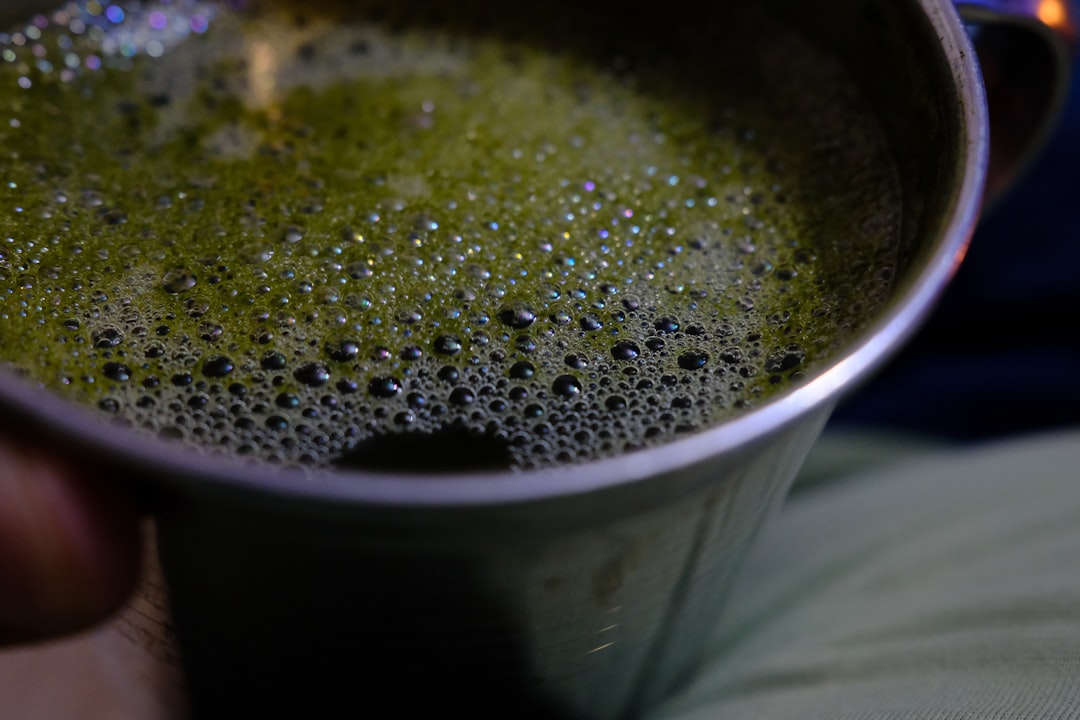
Green tea extract has gained significant attention in recent years, particularly among health enthusiasts and those seeking natural remedies. Derived from the leaves of the Camellia sinensis plant, green tea extract is rich in antioxidants, particularly catechins, which are believed to contribute to its numerous health benefits. You may have encountered green tea extract in various forms, including capsules, powders, and liquid extracts, each promising a range of advantages from weight loss to improved mental clarity.
As you delve into the world of green tea extract, it’s essential to understand not only its potential benefits but also the risks associated with its consumption. The popularity of green tea extract can be attributed to its long-standing history in traditional medicine, particularly in Asian cultures. For centuries, people have consumed green tea for its purported health benefits, which include enhanced metabolism and improved overall well-being.
In modern times, scientific research has begun to validate some of these claims, leading to an increased interest in green tea extract as a dietary supplement. As you explore this topic further, you will discover the various ways green tea extract can impact your health, both positively and negatively.
Key Takeaways
- Green tea extract offers various health benefits but requires careful dosage to avoid risks.
- High doses of green tea extract can cause liver damage and cardiovascular problems.
- It may lead to anxiety and insomnia, especially when consumed in excess.
- Green tea extract can interact negatively with certain medications and is not recommended during pregnancy or breastfeeding.
- Quality and regulation of supplements vary, so choosing reputable products is essential.
Potential Health Benefits of Green Tea Extract
One of the most compelling reasons you might consider incorporating green tea extract into your routine is its potential health benefits. Research suggests that the antioxidants found in green tea extract can help combat oxidative stress in the body, which is linked to various chronic diseases. By neutralizing free radicals, these antioxidants may reduce the risk of conditions such as heart disease and certain types of cancer.
Additionally, you may find that green tea extract can support weight management efforts by boosting metabolism and promoting fat oxidation, making it a popular choice among those looking to shed extra pounds. Moreover, green tea extract has been associated with improved brain function. The presence of L-theanine, an amino acid found in green tea, may enhance cognitive performance and promote relaxation without causing drowsiness.
This unique combination can help you stay focused and alert throughout the day. Furthermore, some studies suggest that regular consumption of green tea extract may lower the risk of neurodegenerative diseases like Alzheimer’s and Parkinson’s by protecting brain cells from damage. As you consider adding this supplement to your regimen, it’s essential to weigh these potential benefits against any risks involved.
Recommended Dosage of Green Tea Extract
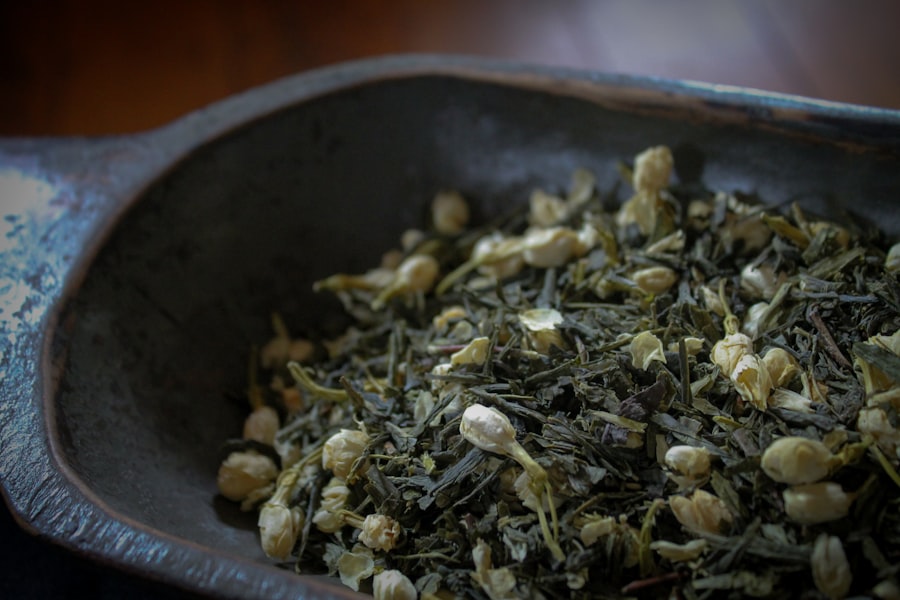
When it comes to incorporating green tea extract into your daily routine, understanding the recommended dosage is crucial for maximizing its benefits while minimizing potential side effects. Generally, a typical dosage ranges from 250 to 500 milligrams per day, depending on the concentration of catechins in the extract. It’s important to note that individual responses may vary based on factors such as age, weight, and overall health.
Therefore, you should consult with a healthcare professional before starting any new supplement regimen to determine the appropriate dosage for your specific needs. In addition to considering the dosage, you should also pay attention to the timing of your intake. Some individuals find that taking green tea extract on an empty stomach enhances its absorption and effectiveness.
However, if you experience any gastrointestinal discomfort, you might want to take it with food instead. As you navigate your journey with green tea extract, keeping a journal of your experiences can help you identify what works best for you and allow you to adjust your dosage or timing as needed.
Dangers of High Dose Green Tea Extract
| Risk Factor | Potential Health Impact | Reported Symptoms | Severity | Notes |
|---|---|---|---|---|
| Liver Toxicity | Hepatotoxicity leading to liver damage or failure | Jaundice, fatigue, abdominal pain, elevated liver enzymes | High | Cases reported with high doses of green tea extract supplements |
| Gastrointestinal Issues | Nausea, vomiting, diarrhea, stomach upset | Abdominal discomfort, diarrhea, nausea | Moderate | Common with excessive intake |
| Cardiovascular Effects | Increased heart rate, blood pressure changes | Palpitations, hypertension | Moderate | May interact with stimulants or medications |
| Neurological Effects | Headaches, dizziness, insomnia | Restlessness, sleep disturbances | Low to Moderate | Due to caffeine content in extracts |
| Drug Interactions | Altered metabolism of medications | Variable depending on medication | Variable | May affect blood thinners, stimulants, and others |
While green tea extract offers numerous health benefits, it’s essential to be aware of the dangers associated with high doses. Excessive consumption can lead to adverse effects that may outweigh the positive aspects of the supplement. One of the primary concerns is the potential for liver toxicity.
High doses of green tea extract can strain your liver, leading to symptoms such as jaundice, abdominal pain, and fatigue. It’s crucial to adhere to recommended dosages and consult with a healthcare professional if you have any pre-existing liver conditions or concerns. Another danger of high doses is the risk of experiencing negative side effects related to caffeine content.
Green tea naturally contains caffeine, which can lead to symptoms such as jitteriness, increased heart rate, and insomnia when consumed in excess. If you are sensitive to caffeine or consume other sources of caffeine throughout the day, it’s wise to monitor your total intake carefully. By being mindful of your dosage and understanding the potential dangers associated with high doses of green tea extract, you can enjoy its benefits while minimizing risks.
Liver Damage
One of the most serious concerns regarding high doses of green tea extract is the potential for liver damage. The liver plays a vital role in detoxifying your body and metabolizing various substances, including supplements like green tea extract. When taken in excessive amounts, certain compounds found in concentrated forms of green tea can overwhelm your liver’s capacity to process them effectively.
This can lead to liver inflammation or even acute liver failure in extreme cases. Symptoms of liver damage may not be immediately apparent but can manifest as fatigue, nausea, abdominal pain, or jaundice (yellowing of the skin and eyes). If you notice any unusual symptoms after starting a high-dose regimen of green tea extract, it’s crucial to seek medical attention promptly.
Regular monitoring of liver function through blood tests may also be advisable if you plan on using high doses over an extended period. By being aware of these risks and taking appropriate precautions, you can protect your liver health while still reaping the benefits of green tea extract.
Cardiovascular Issues
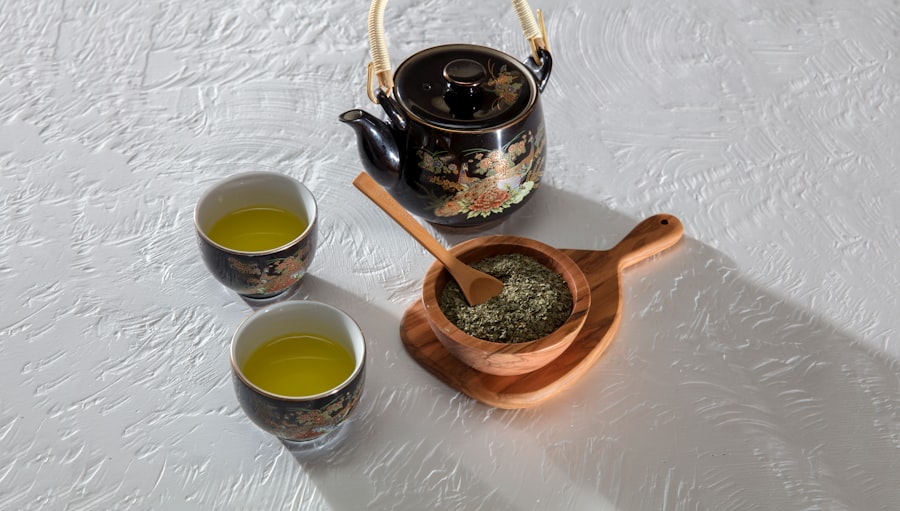
In addition to liver damage, high doses of green tea extract may pose risks related to cardiovascular health. While moderate consumption has been linked to improved heart health due to its antioxidant properties and ability to lower cholesterol levels, excessive intake can lead to complications. For instance, high doses may cause an increase in heart rate or blood pressure due to their caffeine content.
If you have pre-existing cardiovascular conditions or are sensitive to stimulants, it’s essential to approach green tea extract with caution. Moreover, some studies have suggested that excessive consumption could lead to arrhythmias or irregular heartbeats in susceptible individuals. If you experience palpitations or other unusual heart sensations after taking high doses of green tea extract, it’s crucial to consult with a healthcare professional immediately.
By being mindful of your cardiovascular health and adhering to recommended dosages, you can enjoy the benefits of green tea extract without compromising your heart’s well-being.
Anxiety and Insomnia
Another potential risk associated with high doses of green tea extract is the exacerbation of anxiety and insomnia symptoms. While moderate amounts can promote relaxation due to L-theanine’s calming effects, excessive caffeine intake from concentrated extracts can lead to heightened anxiety levels and difficulty sleeping. If you are prone to anxiety disorders or have trouble sleeping, it’s wise to monitor your intake carefully and consider opting for lower doses or decaffeinated versions.
Additionally, establishing a consistent routine around your supplement intake can help mitigate these effects. For instance, taking green tea extract earlier in the day rather than close to bedtime can help prevent sleep disturbances while still allowing you to enjoy its benefits during waking hours.
Interactions with Medications
As with any supplement, it’s essential to consider potential interactions between green tea extract and medications you may be taking. Certain compounds in green tea can affect how your body metabolizes various drugs, potentially leading to increased side effects or reduced effectiveness. For example, if you are on blood thinners or anticoagulants like warfarin, consuming high doses of green tea extract could interfere with their action and increase your risk of bleeding.
Additionally, some medications used for anxiety or depression may interact negatively with caffeine-containing supplements like green tea extract. If you’re currently taking any prescription medications or over-the-counter drugs, it’s crucial to consult with your healthcare provider before adding green tea extract to your regimen. They can help assess potential interactions and guide you on safe usage based on your individual health profile.
Pregnancy and Breastfeeding Risks
If you are pregnant or breastfeeding, it’s essential to approach green tea extract with caution due to potential risks associated with its consumption during these critical periods. While moderate consumption of regular green tea is generally considered safe during pregnancy, concentrated forms like extracts may contain higher levels of caffeine and other compounds that could pose risks for both mother and baby. High caffeine intake during pregnancy has been linked to low birth weight and other complications.
Furthermore, there is limited research on the safety of green tea extract during breastfeeding. Some compounds in green tea may pass into breast milk and affect your baby’s development or behavior. If you’re pregnant or nursing and considering using green tea extract as a supplement, it’s vital to discuss this decision with your healthcare provider first.
They can help you weigh the potential benefits against any risks involved and recommend safer alternatives if necessary.
Quality and Regulation of Green Tea Extract Supplements
As you explore the world of green tea extract supplements, it’s crucial to consider the quality and regulation surrounding these products. Unlike prescription medications, dietary supplements are not as strictly regulated by authorities like the FDA in many countries. This lack of oversight means that not all products on the market are created equal; some may contain lower concentrations of active ingredients than advertised or even harmful contaminants.
To ensure you’re choosing a high-quality product, look for supplements that have undergone third-party testing for purity and potency.
Additionally, researching brands and reading customer reviews can help guide you toward reputable options that prioritize quality over profit.
Conclusion and Recommendations
In conclusion, while green tea extract offers numerous potential health benefits ranging from improved metabolism to enhanced cognitive function, it’s essential to approach its use with caution. Understanding recommended dosages and being aware of potential risks—such as liver damage, cardiovascular issues, anxiety exacerbation, medication interactions, and pregnancy-related concerns—can help you make informed decisions about incorporating this supplement into your routine. Before starting any new supplement regimen involving green tea extract or any other product, consulting with a healthcare professional is always advisable.
They can provide personalized guidance based on your individual health needs and circumstances. By prioritizing quality products and adhering to recommended dosages while remaining vigilant about any adverse effects you may experience along the way, you can enjoy the benefits of green tea extract safely and effectively.
High doses of green tea extract have been associated with various health risks, including liver toxicity and gastrointestinal issues. For a deeper understanding of these dangers, you can refer to a related article on senior health that discusses the potential side effects of herbal supplements, including green tea extract. To read more, visit Explore Senior Health.
FAQs
What are the potential dangers of high dose green tea extract?
High dose green tea extract can cause liver toxicity, gastrointestinal issues, and in rare cases, severe liver damage. It may also lead to increased heart rate, insomnia, and interactions with certain medications.
How much green tea extract is considered a high dose?
A high dose typically refers to consuming more than 800 mg of green tea extract per day, especially when taken in concentrated supplement form. However, sensitivity varies among individuals.
Can green tea extract cause liver damage?
Yes, excessive intake of green tea extract has been linked to liver injury in some cases. The risk is higher with high doses and prolonged use.
Are there any symptoms to watch for if taking green tea extract?
Symptoms of adverse effects may include nausea, abdominal pain, jaundice (yellowing of the skin or eyes), fatigue, and dark urine, which could indicate liver problems.
Is it safe to take green tea extract supplements daily?
Moderate doses are generally safe for most people, but high doses or long-term use should be approached with caution and under medical supervision.
Who should avoid taking high dose green tea extract?
Individuals with liver disease, pregnant or breastfeeding women, and those taking certain medications (like blood thinners or stimulants) should avoid high dose green tea extract.
Can green tea extract interact with medications?
Yes, green tea extract can interact with blood thinners, stimulant drugs, and certain chemotherapy agents, potentially altering their effectiveness or increasing side effects.
What should I do if I experience side effects from green tea extract?
If you experience symptoms such as abdominal pain, jaundice, or severe nausea, stop taking the supplement immediately and consult a healthcare professional.
Is green tea extract safer than drinking green tea?
Drinking green tea in moderate amounts is generally safe and less likely to cause adverse effects compared to concentrated green tea extract supplements.
How can I minimize the risks when using green tea extract?
Use the lowest effective dose, avoid prolonged high-dose use, consult a healthcare provider before starting supplements, and monitor for any adverse symptoms.