
Curcumin, the active compound found in turmeric, has gained significant attention for its potential health benefits, particularly in the realms of inflammation and chronic disease management. As you explore the world of natural supplements, you may find yourself drawn to curcumin for its promising properties. However, if you are currently taking blood thinners, it is crucial to understand how curcumin may interact with these medications.
The relationship between curcumin and blood thinners is complex and warrants careful consideration, as it can have implications for your health and well-being. In this article, you will delve into the intricacies of curcumin, its health benefits, and the mechanisms of blood thinners. You will also learn about the potential interactions between curcumin and these medications, the associated risks, and how to navigate this landscape safely.
By the end of this exploration, you will be better equipped to make informed decisions regarding the use of curcumin in conjunction with blood thinners.
Key Takeaways
- Curcumin, known for its anti-inflammatory benefits, may interact with blood thinners by affecting blood clotting.
- Blood thinners work by preventing clot formation, and combining them with curcumin can increase bleeding risk.
- It is important to consult healthcare providers before using curcumin alongside blood thinners to ensure safety.
- Monitoring health regularly is crucial when combining curcumin with blood thinners to detect any adverse effects early.
- Alternative treatments for inflammation and clotting should be considered if curcumin poses risks in conjunction with blood thinners.
Understanding Curcumin and its Health Benefits
Curcumin is a polyphenolic compound that gives turmeric its vibrant yellow color. It has been used for centuries in traditional medicine, particularly in Ayurvedic practices, due to its anti-inflammatory and antioxidant properties. As you consider incorporating curcumin into your routine, you may be intrigued by its potential benefits for various health conditions.
Research suggests that curcumin may help alleviate symptoms of arthritis, support cardiovascular health, and even exhibit anticancer properties. Moreover, curcumin’s ability to modulate inflammatory pathways makes it a popular choice for those seeking natural remedies for chronic inflammation. If you are dealing with conditions such as joint pain or digestive issues, curcumin may offer a complementary approach to your treatment plan.
What are Blood Thinners and How Do They Work?

Blood thinners, or anticoagulants, are medications designed to reduce the blood’s ability to clot. They play a critical role in preventing serious conditions such as stroke, heart attack, and deep vein thrombosis. If you are prescribed blood thinners, understanding how they work is vital for your health management.
These medications function by inhibiting specific proteins in the blood that are responsible for clot formation, thereby promoting smoother blood flow. Common blood thinners include warfarin, rivaroxaban, and apixaban. Each of these medications operates through different mechanisms but ultimately aims to reduce the risk of clot-related complications.
As you navigate your treatment plan, it is essential to be aware of how various substances, including dietary supplements like curcumin, may influence the effectiveness of these medications.
The Potential Interaction Between Curcumin and Blood Thinners
| Metric | Curcumin Effect | Blood Thinner Effect | Potential Interaction | Clinical Implication |
|---|---|---|---|---|
| Platelet Aggregation | Inhibits platelet aggregation | Inhibits platelet aggregation | Synergistic inhibition may increase bleeding risk | Increased risk of bleeding complications |
| Prothrombin Time (PT) | May prolong PT slightly | Prolongs PT to prevent clotting | Potential additive effect on PT prolongation | Need for close monitoring of PT/INR levels |
| Cytochrome P450 Enzymes | Inhibits CYP3A4 and CYP2C9 | Metabolized by CYP enzymes | May increase blood thinner plasma levels | Increased anticoagulant effect and bleeding risk |
| Warfarin Interaction | May enhance warfarin effect | Vitamin K antagonist | Increased INR and bleeding risk | Requires dose adjustment and monitoring |
| Heparin Interaction | Minimal direct interaction reported | Enhances antithrombin III activity | Low risk of interaction | Standard monitoring recommended |
The interaction between curcumin and blood thinners is an area of growing interest among researchers and healthcare professionals. Curcumin has been shown to possess antiplatelet properties, which means it can inhibit platelet aggregation—the process that leads to clot formation. While this may seem beneficial in some contexts, it raises concerns when combined with blood-thinning medications.
If you are taking blood thinners, the addition of curcumin could potentially enhance the effects of these drugs, leading to an increased risk of bleeding complications. This interaction underscores the importance of understanding how curcumin may alter your body’s response to anticoagulants. As you consider adding curcumin to your regimen, it is crucial to weigh the potential benefits against the risks associated with this combination.
Risks and Side Effects of Combining Curcumin and Blood Thinners
While curcumin is generally regarded as safe for most individuals when consumed in moderate amounts, combining it with blood thinners can pose certain risks. If you are on anticoagulant therapy, you may be at an increased risk for bleeding events if you introduce curcumin into your routine without proper guidance. Symptoms such as unusual bruising, prolonged bleeding from cuts, or blood in urine or stool should not be taken lightly.
Additionally, high doses of curcumin or concentrated supplements may exacerbate these risks further. It is essential to approach curcumin supplementation with caution and awareness of your current health status and medication regimen. By understanding these potential side effects, you can make more informed choices about your health.
How to Safely Use Curcumin When Taking Blood Thinners
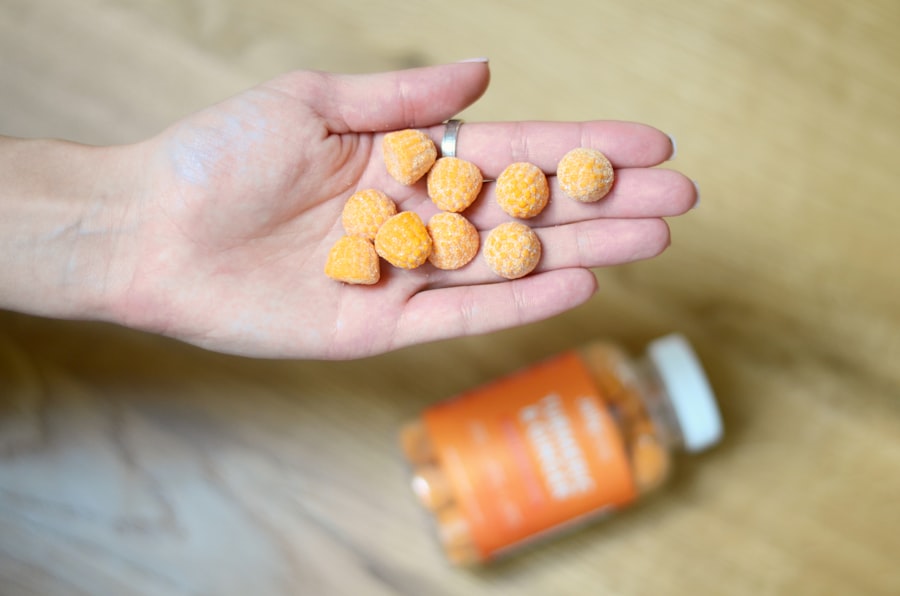
If you are considering using curcumin while on blood thinners, it is essential to do so safely and thoughtfully. Start by discussing your interest in curcumin with your healthcare provider. They can help assess your individual situation and determine whether incorporating curcumin into your routine is appropriate for you.
If your healthcare provider approves the use of curcumin, consider starting with low doses and monitoring your body’s response closely. It may also be beneficial to choose high-quality curcumin supplements that have been tested for purity and potency. Additionally, maintaining a balanced diet rich in whole foods can support your overall health while minimizing potential interactions with medications.
Alternative Options for Managing Inflammation and Blood Clotting
If you find that curcumin is not suitable for your situation due to its interaction with blood thinners, there are alternative options available for managing inflammation and promoting healthy blood flow. Omega-3 fatty acids, found in fish oil supplements or fatty fish like salmon, have been shown to have anti-inflammatory properties and may help reduce the risk of clotting. Other natural anti-inflammatory agents include ginger and garlic, both of which can be easily incorporated into your diet.
Additionally, maintaining a healthy lifestyle through regular exercise and a balanced diet can significantly impact inflammation levels in your body. By exploring these alternatives, you can find effective ways to support your health without compromising your safety.
Consulting with Your Healthcare Provider Before Using Curcumin
Before making any changes to your supplement regimen or introducing new substances like curcumin while on blood thinners, consulting with your healthcare provider is paramount. They can provide personalized advice based on your medical history, current medications, and overall health status. Open communication with your healthcare team ensures that you receive comprehensive care tailored to your needs.
Your healthcare provider may also recommend specific tests or monitoring strategies to assess how well your body is responding to both the blood thinners and any new supplements you choose to incorporate. This proactive approach can help mitigate risks and ensure that you remain on track with your health goals.
Monitoring Your Health While Using Curcumin and Blood Thinners
If you decide to proceed with using curcumin alongside blood thinners under the guidance of your healthcare provider, regular monitoring of your health becomes essential. Keep track of any changes in your body or symptoms that may arise during this period. This includes noting any unusual bruising or bleeding tendencies that could indicate an adverse reaction.
Additionally, routine blood tests may be necessary to evaluate how well your anticoagulant therapy is working in conjunction with curcumin supplementation. By staying vigilant about your health status and maintaining open lines of communication with your healthcare team, you can navigate this complex landscape more effectively.
Research and Studies on Curcumin and Blood Thinner Interaction
The scientific community continues to explore the interaction between curcumin and blood thinners through various studies and clinical trials. Research has indicated that while curcumin possesses beneficial properties for inflammation and overall health, its effects on coagulation pathways require further investigation. Some studies suggest that curcumin may enhance the effects of certain anticoagulants; however, more comprehensive research is needed to establish definitive conclusions.
As new findings emerge in this field, staying informed about the latest research can empower you to make educated decisions regarding your health choices. Engaging with reputable sources of information will help you navigate the complexities surrounding curcumin use while on blood thinners.
Conclusion and Final Thoughts on Using Curcumin with Blood Thinners
In conclusion, while curcumin offers a range of potential health benefits, its interaction with blood thinners necessitates careful consideration. If you are currently taking anticoagulant medications, it is crucial to consult with your healthcare provider before introducing curcumin into your routine. By understanding the risks associated with this combination and monitoring your health closely, you can make informed decisions that prioritize both safety and well-being.
Ultimately, whether you choose to incorporate curcumin or explore alternative options for managing inflammation and promoting healthy blood flow, maintaining open communication with your healthcare team will be key to achieving optimal health outcomes. Your journey toward wellness is unique; by arming yourself with knowledge and seeking professional guidance, you can navigate this path confidently.
Curcumin, a compound found in turmeric, has gained attention for its potential health benefits, including its effects on inflammation and blood thinning. However, individuals taking blood thinners should be cautious, as curcumin may enhance the effects of these medications, leading to an increased risk of bleeding. For more information on this topic, you can read the related article on senior health at Explore Senior Health.
FAQs
What is curcumin?
Curcumin is a natural compound found in turmeric, a spice commonly used in cooking and traditional medicine. It is known for its anti-inflammatory and antioxidant properties.
What are blood thinners?
Blood thinners, also known as anticoagulants, are medications that help prevent blood clots by reducing the blood’s ability to clot. They are commonly prescribed to individuals at risk of stroke, heart attack, or other clot-related conditions.
Can curcumin interact with blood thinners?
Yes, curcumin can interact with blood thinners. It may enhance the effects of these medications, increasing the risk of bleeding. This is because curcumin has mild blood-thinning properties itself.
Which blood thinners are most likely to interact with curcumin?
Curcumin may interact with common blood thinners such as warfarin, aspirin, clopidogrel, and newer anticoagulants like rivaroxaban and apixaban.
What are the potential risks of combining curcumin with blood thinners?
The main risk is an increased chance of bleeding or bruising, which can be serious in some cases. This includes internal bleeding or prolonged bleeding from cuts.
Should I stop taking curcumin if I am on blood thinners?
You should not stop or start any supplement without consulting your healthcare provider. If you are on blood thinners, discuss the use of curcumin with your doctor to ensure it is safe for you.
How can I safely use curcumin if I am taking blood thinners?
If approved by your healthcare provider, use curcumin in moderation and have your blood clotting parameters monitored regularly to detect any changes early.
Are there any signs of bleeding I should watch for when taking curcumin with blood thinners?
Yes, signs include unusual bruising, prolonged bleeding from cuts, blood in urine or stool, nosebleeds, or coughing up blood. Seek medical attention if you experience any of these symptoms.
Is curcumin safe for everyone?
While generally safe for most people when used in typical dietary amounts, curcumin supplements may not be safe for individuals on blood thinners or those with bleeding disorders without medical supervision.
Can curcumin affect blood clotting tests?
Yes, curcumin may affect blood clotting tests such as INR (International Normalized Ratio), which are used to monitor blood thinner therapy. This is why regular monitoring is important if you use both.