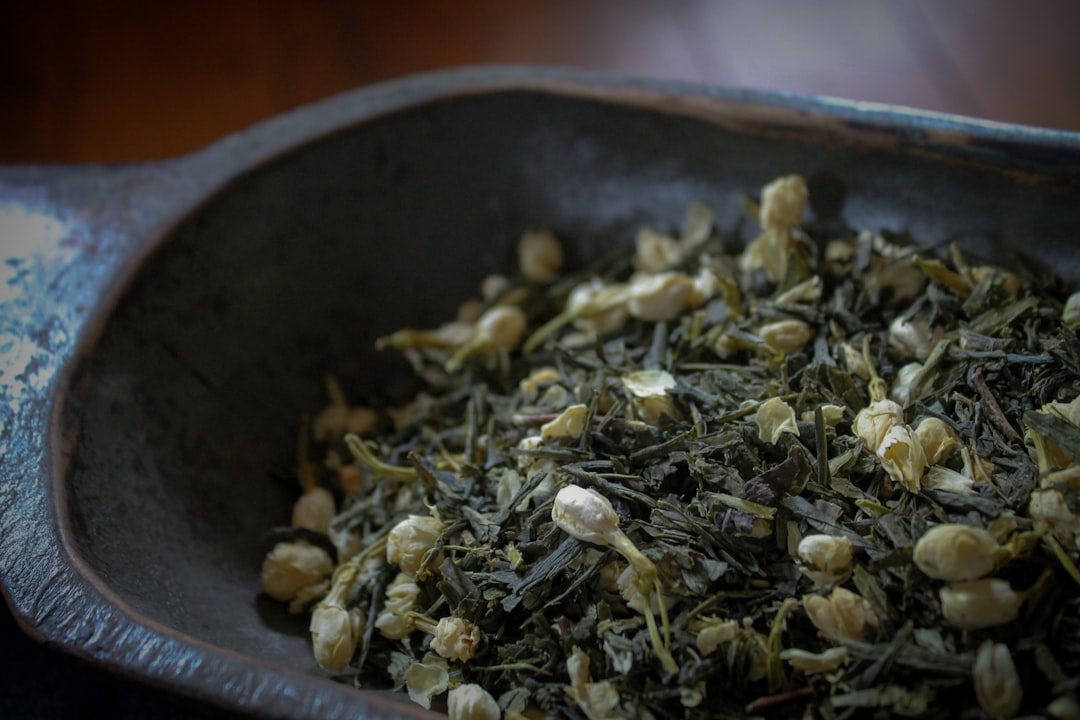
Green tea extract, particularly its key component epigallocatechin gallate (EGCG), has garnered significant attention in recent years for its purported health benefits. As you delve into the world of dietary supplements, you may find that EGCG is often touted as a powerful antioxidant with a range of potential health advantages. Derived from the leaves of the Camellia sinensis plant, green tea has been consumed for centuries, particularly in Asian cultures, where it is celebrated not only for its flavor but also for its medicinal properties.
The extraction process concentrates the beneficial compounds, making EGCG a popular choice among health enthusiasts.
This polyphenol is believed to play a crucial role in combating oxidative stress and inflammation in the body.
With a growing body of research supporting its efficacy, many individuals are turning to EGCG supplements as a means to enhance their overall health. However, while the potential benefits are enticing, it is equally important to consider the possible downsides and interactions that may arise from its use.
Key Takeaways
- Green Tea Extract EGCG offers various potential health benefits but also carries risks if overconsumed.
- Excessive intake of EGCG can lead to liver damage, heart health issues, and increased anxiety or insomnia.
- EGCG may interact negatively with certain medications, necessitating caution and medical consultation.
- Allergic reactions and concerns during pregnancy highlight the need for careful use of green tea extract supplements.
- Safe use recommendations emphasize moderation and awareness of individual health conditions to avoid adverse effects.
Potential Health Benefits of Green Tea Extract EGCG
The potential health benefits of green tea extract EGCG are vast and varied, making it a subject of interest for many. One of the most well-documented advantages is its role in weight management. Research suggests that EGCG can boost metabolism and promote fat oxidation, which may aid in weight loss efforts.
If you are looking to shed a few pounds or maintain a healthy weight, incorporating green tea extract into your routine could be a beneficial strategy. Additionally, some studies indicate that EGCG may help regulate blood sugar levels, making it a potential ally for those managing diabetes or insulin sensitivity. Beyond weight management, EGCG has been linked to improved cardiovascular health.
The antioxidant properties of this compound may help reduce LDL cholesterol levels and improve overall heart function. If you are concerned about your heart health, you might find comfort in knowing that regular consumption of green tea extract could contribute to a healthier cardiovascular system. Furthermore, there is emerging evidence suggesting that EGCG may have neuroprotective effects, potentially lowering the risk of neurodegenerative diseases such as Alzheimer’s and Parkinson’s.
This makes it an appealing option for those looking to support cognitive function as they age.
The Risks and Dangers of Green Tea Extract EGCG
While the potential benefits of green tea extract EGCG are compelling, it is crucial to approach its use with caution. Like any supplement, there are risks and dangers associated with its consumption that you should be aware of. One significant concern is the possibility of overconsumption leading to adverse effects.
High doses of EGCG can result in gastrointestinal issues such as nausea, diarrhea, and stomach cramps. If you decide to incorporate green tea extract into your regimen, it’s wise to start with a lower dose and monitor how your body responds. Another risk associated with green tea extract is its potential impact on liver health.
Some studies have reported cases of liver damage linked to excessive intake of concentrated green tea extracts. If you have pre-existing liver conditions or are taking medications that affect liver function, it’s essential to consult with a healthcare professional before adding EGCG to your routine. Understanding these risks can help you make informed decisions about your health and wellness journey.
Overconsumption of Green Tea Extract EGCG
| Metric | Value | Unit | Notes |
|---|---|---|---|
| Safe Daily Intake | 300 | mg EGCG/day | Recommended upper limit for most adults |
| Reported Toxic Dose | 800 | mg EGCG/day | Associated with liver toxicity in some cases |
| Half-life of EGCG | 3-5 | hours | Time EGCG remains active in the bloodstream |
| Common EGCG Content in Green Tea Extract Supplements | 50-150 | mg per capsule | Varies by product |
| Reported Cases of Liver Injury | ~50 | cases | Linked to high-dose green tea extract consumption |
| Symptoms of Overconsumption | N/A | N/A | Headache, nausea, abdominal pain, elevated liver enzymes |
Overconsumption of green tea extract EGCG can lead to a range of unpleasant side effects that may deter you from continuing its use. As previously mentioned, gastrointestinal discomfort is one of the most common issues reported by individuals who take high doses of this supplement. You might experience symptoms such as bloating, gas, or even more severe reactions like vomiting if your body cannot tolerate the concentrated form of EGCG.
It’s important to listen to your body and adjust your intake accordingly. In addition to digestive issues, overconsumption can also lead to more serious health concerns. Some individuals have reported experiencing headaches, dizziness, or even heart palpitations after taking excessive amounts of green tea extract.
These symptoms can be alarming and may prompt you to reconsider your supplement choices. To avoid these adverse effects, it’s advisable to adhere to recommended dosages and consult with a healthcare provider if you have any concerns about your intake.
Interactions with Medications
When considering the addition of green tea extract EGCG to your daily routine, it’s vital to be aware of potential interactions with medications you may be taking. Certain medications can interact negatively with EGCG, leading to reduced efficacy or increased side effects. For instance, if you are on blood thinners such as warfarin or aspirin, the anticoagulant properties of EGCG could enhance the effects of these medications, increasing your risk of bleeding.
It’s crucial to discuss any new supplements with your healthcare provider to ensure they won’t interfere with your current treatment plan. Moreover, some medications used for managing anxiety or depression may also interact with green tea extract. The stimulating effects of caffeine found in green tea could exacerbate symptoms for individuals taking these medications.
If you are currently on any prescription drugs or over-the-counter medications, it’s essential to conduct thorough research and consult with a healthcare professional before introducing EGCG into your regimen.
Liver Damage and Toxicity
One of the more serious concerns surrounding green tea extract EGCG is its potential for liver damage and toxicity. While moderate consumption is generally considered safe for most individuals, high doses can lead to hepatotoxicity in some cases. If you have pre-existing liver conditions or consume alcohol regularly, you may be at an increased risk for adverse effects related to liver function.
Symptoms of liver damage can include jaundice (yellowing of the skin and eyes), dark urine, fatigue, and abdominal pain. To mitigate these risks, it’s essential to monitor your intake and be mindful of any changes in your health after starting green tea extract.
Understanding the potential for liver damage can help you make informed decisions about your health and ensure that you use green tea extract safely.
Heart Health Concerns
While green tea extract EGCG is often praised for its cardiovascular benefits, there are also heart health concerns associated with its use that you should consider. Some studies suggest that high doses of EGCG may lead to irregular heart rhythms or palpitations in certain individuals. If you have a history of heart conditions or arrhythmias, it’s essential to approach green tea extract with caution and consult with a healthcare professional before incorporating it into your routine.
Additionally, while moderate consumption may support heart health by improving cholesterol levels and reducing inflammation, excessive intake could negate these benefits and lead to adverse cardiovascular effects. It’s crucial to strike a balance when using supplements like green tea extract and ensure that you are not overdoing it in pursuit of better heart health.
Potential for Increased Anxiety and Insomnia
Another aspect worth considering when using green tea extract EGCG is its potential impact on mental health. The caffeine content in green tea can lead to increased anxiety levels in some individuals, particularly if consumed in large quantities or if you are sensitive to caffeine. If you find yourself feeling jittery or anxious after taking green tea extract, it may be worth reevaluating your dosage or considering an alternative supplement without caffeine.
Moreover, the stimulating effects of caffeine can also interfere with sleep patterns, leading to insomnia or disrupted sleep cycles. If you struggle with sleep issues or anxiety disorders, it’s essential to be mindful of when you take green tea extract and how much you consume. Opting for decaffeinated versions or limiting intake later in the day can help mitigate these potential side effects.
Allergic Reactions to Green Tea Extract EGCG
While allergic reactions to green tea extract EGCG are relatively rare, they can occur and should not be overlooked. If you have a known allergy to other plants in the Camellia family or have experienced allergic reactions to herbal supplements in the past, it’s essential to approach green tea extract with caution. Symptoms of an allergic reaction can range from mild skin irritations such as rashes or hives to more severe reactions like difficulty breathing or swelling of the face and throat.
If you experience any signs of an allergic reaction after taking green tea extract, it’s crucial to seek medical attention immediately. Being aware of your body’s responses and understanding the potential for allergies can help ensure that your experience with green tea extract is safe and beneficial.
Pregnancy and Green Tea Extract EGCG
If you are pregnant or planning to become pregnant, it’s vital to consider the implications of consuming green tea extract EGCG during this time. While moderate consumption of regular green tea is generally considered safe during pregnancy due to its lower caffeine content compared to coffee, concentrated extracts may pose additional risks due to their higher levels of caffeine and other compounds. Research on the safety of green tea extract during pregnancy is limited; therefore, it’s advisable to err on the side of caution and consult with your healthcare provider before using any supplements containing EGCG while pregnant.
Ensuring the safety of both you and your baby should always be a top priority when considering dietary changes during this critical time.
Conclusion and Recommendations for Safe Use of Green Tea Extract EGCG
In conclusion, while green tea extract EGCG offers numerous potential health benefits ranging from weight management to improved cardiovascular health, it is essential to approach its use with caution. Understanding the risks associated with overconsumption, medication interactions, liver damage, heart health concerns, anxiety levels, allergic reactions, and pregnancy considerations will empower you to make informed decisions about incorporating this supplement into your routine. To ensure safe use of green tea extract EGCG, consider starting with lower doses and gradually increasing as tolerated while monitoring your body’s response.
Always consult with a healthcare professional before beginning any new supplement regimen—especially if you have pre-existing health conditions or are taking medications. By being proactive about your health choices and staying informed about both the benefits and risks associated with green tea extract EGCG, you can enjoy its advantages while minimizing potential downsides.
While green tea extract, particularly its active component EGCG, is often praised for its health benefits, it is important to be aware of potential dangers associated with its consumption. For a deeper understanding of these risks, you can refer to the article on senior health, which discusses various aspects of dietary supplements and their effects on older adults. For more information, visit this article.
FAQs
What is EGCG in green tea extract?
EGCG stands for epigallocatechin gallate, which is a type of catechin found in green tea. It is known for its antioxidant properties and is often extracted for use in supplements.
Are there any dangers associated with consuming green tea extract EGCG?
Yes, high doses of EGCG, especially from supplements, can cause side effects such as liver toxicity, stomach upset, and in rare cases, more severe liver damage. It is important to use green tea extract products as directed and consult a healthcare professional before starting supplementation.
Can drinking green tea cause EGCG-related health issues?
Drinking moderate amounts of green tea is generally considered safe and unlikely to cause EGCG-related health problems. Most concerns arise from concentrated green tea extract supplements rather than brewed tea.
Who should avoid taking green tea extract EGCG supplements?
Individuals with liver conditions, pregnant or breastfeeding women, and those taking certain medications should avoid or consult a healthcare provider before using green tea extract supplements due to potential interactions and risks.
What are the symptoms of EGCG toxicity?
Symptoms of EGCG toxicity may include nausea, vomiting, abdominal pain, fatigue, and jaundice. If any of these symptoms occur after taking green tea extract, medical attention should be sought immediately.
How can I safely consume green tea extract EGCG?
To safely consume EGCG, follow recommended dosages on supplement labels, avoid taking on an empty stomach, and consult a healthcare professional, especially if you have pre-existing health conditions or are taking other medications.
Is green tea extract EGCG regulated by health authorities?
Green tea extract supplements are regulated as dietary supplements in many countries, which means they are not subject to the same rigorous testing as pharmaceutical drugs. Consumers should choose products from reputable manufacturers and be cautious of exaggerated health claims.