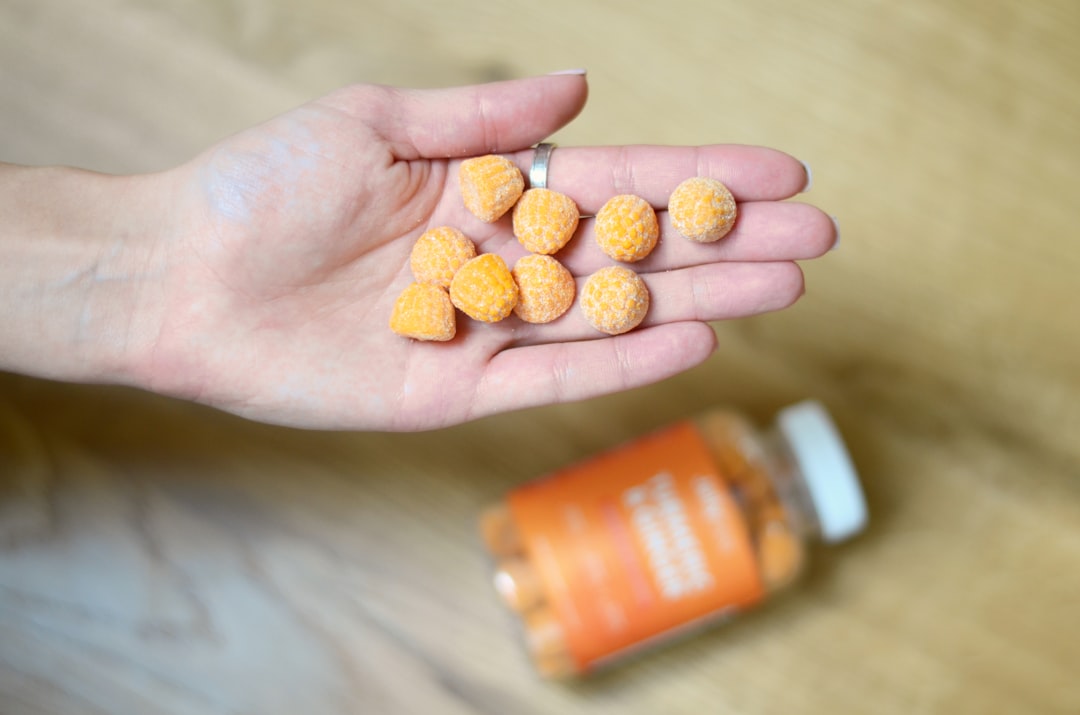
Turmeric, a vibrant yellow spice derived from the root of the Curcuma longa plant, has been a staple in traditional medicine for centuries. Its active compound, curcumin, is primarily responsible for its health-promoting properties. You may have encountered turmeric in various culinary dishes, particularly in Indian cuisine, where it adds both flavor and color.
However, its significance extends far beyond the kitchen. In recent years, turmeric curcumin has gained immense popularity in the wellness community, touted for its potential anti-inflammatory and antioxidant effects. As you delve into the world of turmeric curcumin, you will discover a wealth of information regarding its benefits, risks, and the importance of proper dosage.
The allure of turmeric curcumin lies not only in its historical use but also in the growing body of scientific research that supports its therapeutic potential. You might be intrigued to learn that curcumin has been studied for its role in managing various health conditions, from arthritis to cardiovascular diseases. As you explore this fascinating subject, it is essential to understand both the benefits and the potential drawbacks of high-dose turmeric curcumin supplementation.
This knowledge will empower you to make informed decisions about incorporating this powerful spice into your health regimen.
Key Takeaways
- Turmeric curcumin offers various health benefits but requires careful dosage consideration.
- High doses of turmeric curcumin may cause side effects like gastrointestinal issues and allergic reactions.
- It can interact with certain medications and affect blood clotting, posing risks for some individuals.
- Liver health may be impacted by excessive turmeric curcumin intake.
- Consulting a healthcare professional is essential before using high-dose turmeric curcumin supplements.
The Potential Benefits of Turmeric Curcumin
When considering the potential benefits of turmeric curcumin, you may find it helpful to focus on its most well-documented properties. One of the most significant advantages is its anti-inflammatory effect. Chronic inflammation is linked to numerous health issues, including heart disease, diabetes, and even cancer.
By incorporating turmeric curcumin into your diet or supplement routine, you may help combat inflammation at a cellular level. Research suggests that curcumin can inhibit various inflammatory pathways, making it a promising candidate for those seeking natural ways to reduce inflammation. In addition to its anti-inflammatory properties, turmeric curcumin is also recognized for its antioxidant capabilities.
Antioxidants play a crucial role in neutralizing free radicals—unstable molecules that can cause oxidative stress and damage cells. By consuming turmeric curcumin, you may enhance your body’s ability to fight oxidative stress, potentially lowering your risk of chronic diseases. Furthermore, some studies indicate that curcumin may support brain health by promoting the production of brain-derived neurotrophic factor (BDNF), a protein linked to improved cognitive function and a reduced risk of neurodegenerative diseases.
Understanding High-Dose Turmeric Curcumin

As you consider incorporating turmeric curcumin into your health routine, it’s essential to understand what constitutes a high dose. While there is no universally accepted definition, high-dose turmeric curcumin typically refers to amounts exceeding 1,000 milligrams per day. Many supplements on the market contain concentrated forms of curcumin designed to deliver these higher doses effectively.
You may be curious about why some individuals opt for high doses rather than standard dietary amounts found in food. The rationale behind high-dose supplementation often stems from the desire to achieve more pronounced health benefits. For instance, individuals dealing with chronic pain or inflammatory conditions may seek higher doses to experience relief more quickly and effectively.
However, it’s crucial to recognize that while higher doses may offer enhanced benefits for some, they can also come with increased risks and side effects. As you navigate this landscape, understanding the balance between dosage and efficacy will be vital in determining what works best for you.
Potential Risks and Side Effects of High-Dose Turmeric Curcumin
| Potential Risk / Side Effect | Description | Severity | Notes |
|---|---|---|---|
| Gastrointestinal Issues | Nausea, diarrhea, stomach upset, and acid reflux | Moderate | More common with high doses; taking with food may reduce symptoms |
| Blood Thinning | Increased risk of bleeding due to anticoagulant effects | Severe | Should be avoided or used cautiously with blood-thinning medications |
| Allergic Reactions | Skin rash, itching, or swelling in sensitive individuals | Variable | Rare but possible; discontinue use if symptoms occur |
| Gallbladder Problems | May worsen gallstones or bile duct obstruction | Severe | Not recommended for individuals with gallbladder disease |
| Lowered Blood Sugar | Potential hypoglycemia when combined with diabetes medications | Moderate | Monitor blood sugar levels closely if diabetic |
| Iron Absorption Interference | May reduce absorption of dietary iron | Mild | Consider timing turmeric intake away from iron-rich meals or supplements |
| Drug Interactions | May interact with medications metabolized by the liver | Variable | Consult healthcare provider before combining with prescription drugs |
While turmeric curcumin is generally considered safe for most people when consumed in moderation, high doses can lead to various side effects that you should be aware of. One common issue associated with high-dose turmeric curcumin is gastrointestinal discomfort. Some individuals report experiencing symptoms such as nausea, diarrhea, or an upset stomach after taking large amounts of curcumin.
If you have a sensitive digestive system or a history of gastrointestinal issues, it may be wise to start with lower doses and gradually increase as tolerated. Another potential risk of high-dose turmeric curcumin is its impact on liver health. Although curcumin is often praised for its liver-protective properties, excessive intake can paradoxically lead to liver toxicity in some cases.
This is particularly concerning if you have pre-existing liver conditions or are taking medications that affect liver function. As you consider high-dose supplementation, it’s essential to weigh these risks against the potential benefits and monitor your body’s response closely.
Interactions with Medications and Health Conditions
As you explore the world of high-dose turmeric curcumin, it’s crucial to consider how it may interact with medications and existing health conditions. Curcumin has been shown to affect the metabolism of certain drugs by inhibiting specific enzymes in the liver responsible for drug breakdown. This interaction can lead to altered drug levels in your system, potentially increasing the risk of side effects or reducing the effectiveness of your medications.
If you’re currently taking prescription medications—especially blood thinners or medications for diabetes—it’s essential to consult with your healthcare provider before adding high-dose turmeric curcumin to your regimen. Additionally, if you have underlying health conditions such as gallbladder disease or diabetes, you should approach high-dose turmeric curcumin with caution. While some studies suggest that curcumin may help manage blood sugar levels and support gallbladder function, excessive intake could exacerbate certain conditions or interfere with treatment plans.
By discussing your health history and current medications with a healthcare professional, you can make informed decisions about whether high-dose turmeric curcumin is appropriate for you.
The Importance of Consulting a Healthcare Professional
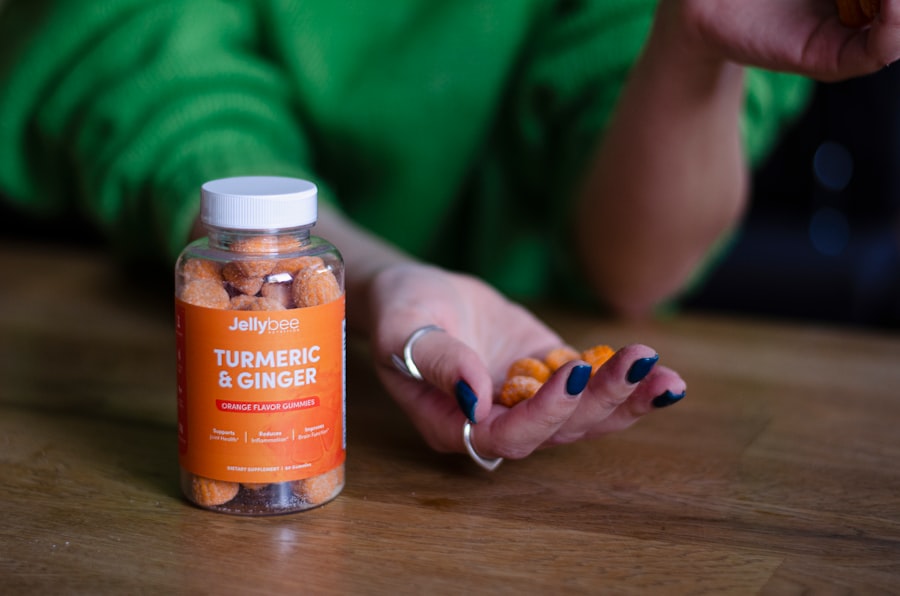
Before embarking on any new supplement regimen—especially one involving high doses—consulting a healthcare professional is paramount. Your doctor or a qualified nutritionist can provide personalized guidance based on your unique health profile and needs. They can help you determine whether high-dose turmeric curcumin is suitable for you and recommend appropriate dosages based on your specific circumstances.
Moreover, a healthcare professional can monitor your progress and any potential side effects that may arise from high-dose supplementation. This oversight is particularly important if you’re managing chronic health conditions or taking multiple medications. By working closely with a healthcare provider, you can ensure that your approach to turmeric curcumin is safe and effective while maximizing its potential benefits.
Possible Allergic Reactions to High-Dose Turmeric Curcumin
While allergic reactions to turmeric are relatively rare, they can occur in some individuals. If you’re considering high-dose turmeric curcumin supplementation, it’s essential to be aware of the signs of an allergic reaction. Symptoms may include skin rashes, itching, swelling, or difficulty breathing.
If you experience any of these symptoms after taking turmeric curcumin, it’s crucial to seek medical attention immediately. If you have a known allergy to ginger or other plants in the Zingiberaceae family, you should exercise caution when using turmeric curcumin. Allergic reactions can vary in severity from mild to life-threatening, so being vigilant about any adverse reactions is essential as you explore this supplement.
The Impact on Liver Health
As previously mentioned, while turmeric curcumin has been associated with liver protection in moderate amounts, high doses can pose risks to liver health. The liver plays a critical role in metabolizing substances in your body, including medications and supplements like curcumin. Excessive intake may overwhelm the liver’s capacity to process these compounds effectively.
If you’re considering high-dose turmeric curcumin for its purported liver benefits, it’s essential to approach it cautiously.
If you have pre-existing liver conditions or are at risk for liver disease, discussing your plans with a healthcare professional is vital before starting high-dose supplementation.
The Risk of Gastrointestinal Issues
Gastrointestinal issues are among the most commonly reported side effects associated with high-dose turmeric curcumin supplementation. You may experience symptoms such as bloating, gas, diarrhea, or stomach cramps if you take large amounts without gradually acclimating your body to it. These symptoms can be particularly bothersome if you’re already prone to digestive issues.
To minimize gastrointestinal discomfort while using high-dose turmeric curcumin, consider starting with lower doses and gradually increasing them over time as your body adjusts. Additionally, taking turmeric curcumin with food may help reduce the likelihood of digestive upset. Listening to your body and adjusting your intake accordingly will be key in finding a balance that works for you.
Potential Effects on Blood Clotting
Another important consideration when using high-dose turmeric curcumin is its potential effect on blood clotting. Curcumin has been shown to possess anticoagulant properties, which means it may help prevent blood clots from forming. While this can be beneficial for some individuals—particularly those at risk for cardiovascular issues—it can pose risks for others.
If you’re taking blood-thinning medications or have a bleeding disorder, it’s crucial to consult with your healthcare provider before incorporating high-dose turmeric curcumin into your routine. The combination could increase the risk of excessive bleeding or bruising, which could have serious consequences for your health.
Balancing the Benefits and Risks of High-Dose Turmeric Curcumin
In conclusion, while high-dose turmeric curcumin offers numerous potential benefits—from anti-inflammatory effects to antioxidant support—it’s essential to approach supplementation with caution. Understanding the risks associated with high doses is crucial for making informed decisions about your health. By consulting with healthcare professionals and monitoring your body’s response, you can strike a balance between reaping the rewards of this powerful spice and minimizing potential side effects.
As you navigate the world of turmeric curcumin supplementation, remember that individual responses can vary significantly based on factors such as genetics, existing health conditions, and concurrent medications. By staying informed and proactive about your health choices, you can harness the power of turmeric curcumin while safeguarding your well-being.
Recent studies have raised concerns about the potential risks associated with high doses of turmeric curcumin, particularly in older adults. For a deeper understanding of these risks and their implications, you can refer to the article available at Explore Senior Health. This resource provides valuable insights into the effects of turmeric curcumin and offers guidance on safe consumption levels.
FAQs
What is turmeric curcumin?
Turmeric curcumin is the active compound found in turmeric, a spice commonly used in cooking and traditional medicine. Curcumin is known for its anti-inflammatory and antioxidant properties.
What are the common uses of turmeric curcumin?
Turmeric curcumin is often used as a dietary supplement to support joint health, reduce inflammation, improve digestion, and promote overall wellness.
What constitutes a high dose of turmeric curcumin?
A high dose of turmeric curcumin typically refers to amounts exceeding 1,000 to 2,000 milligrams per day, although exact thresholds can vary depending on the formulation and individual tolerance.
What are the potential risks of taking high doses of turmeric curcumin?
High doses of turmeric curcumin may cause side effects such as gastrointestinal upset, nausea, diarrhea, increased risk of bleeding, and interactions with certain medications like blood thinners.
Can high doses of turmeric curcumin affect liver function?
There have been rare reports of liver toxicity associated with very high doses of turmeric curcumin supplements, especially when taken for prolonged periods or combined with other substances.
Is turmeric curcumin safe for everyone?
While generally safe for most people at recommended doses, turmeric curcumin supplements may not be suitable for pregnant or breastfeeding women, individuals with gallbladder problems, or those on certain medications without medical advice.
How can I minimize the risks when taking turmeric curcumin supplements?
To minimize risks, it is advisable to follow recommended dosages, consult a healthcare professional before starting supplementation, especially if you have underlying health conditions or are taking other medications.
Are there any known drug interactions with turmeric curcumin?
Yes, turmeric curcumin can interact with blood thinners, diabetes medications, and drugs that reduce stomach acid, potentially altering their effectiveness or increasing side effects.
What should I do if I experience side effects from high doses of turmeric curcumin?
If you experience adverse effects such as stomach pain, bleeding, or allergic reactions, discontinue use and consult a healthcare provider promptly.
Is it better to get curcumin from turmeric spice or supplements?
Turmeric spice contains lower amounts of curcumin compared to supplements. Supplements provide concentrated doses but carry a higher risk of side effects if taken in excess. Using turmeric in food is generally considered safe.