
Vitamin A is an essential nutrient that plays a crucial role in maintaining various bodily functions, including vision, immune response, and skin health. However, while it is vital for your well-being, excessive intake can lead to toxicity, a condition that can have serious health implications. Vitamin A toxicity occurs when you consume more than the recommended amount of this vitamin over an extended period.
This can happen through dietary sources, but it is more commonly associated with high-dose supplements. Understanding the balance between adequate intake and potential toxicity is essential for maintaining optimal health, especially as you age. As you delve deeper into the topic of vitamin A toxicity, it becomes clear that the body stores this fat-soluble vitamin in the liver.
Unlike water-soluble vitamins, which are excreted through urine when consumed in excess, vitamin A can accumulate to toxic levels. This accumulation can lead to a range of health issues, making it crucial for you to be aware of your vitamin A intake. The symptoms of toxicity can vary widely, and recognizing them early can help prevent more severe complications.
Key Takeaways
- Vitamin A toxicity can cause serious symptoms and is a concern especially for older adults.
- Older adults have specific risk factors that increase their susceptibility to vitamin A toxicity.
- Maintaining the recommended daily allowance of vitamin A is crucial for older adults’ health.
- Excessive intake from supplements poses potential dangers and should be carefully managed.
- Prevention, monitoring, and appropriate treatment are key to balancing vitamin A levels in older adults.
Symptoms and Signs of Vitamin A Toxicity
The symptoms of vitamin A toxicity can manifest in various ways, often making it challenging to identify the issue without proper knowledge. Early signs may include headaches, dizziness, and nausea. You might also experience fatigue or irritability, which can easily be mistaken for other health problems.
As the toxicity progresses, more severe symptoms may arise, such as blurred vision, bone pain, and even skin changes like peeling or dryness. These symptoms can significantly impact your quality of life and should not be ignored. In more severe cases of vitamin A toxicity, you may experience neurological symptoms such as confusion or difficulty concentrating.
This can be particularly concerning for older adults, as cognitive decline is already a risk factor in this age group. Additionally, liver damage is a potential consequence of prolonged high intake of vitamin A, leading to jaundice and other serious health issues. Being aware of these symptoms is vital for you to take action promptly and seek medical advice if necessary.
Risk Factors for Vitamin A Toxicity in Older Adults
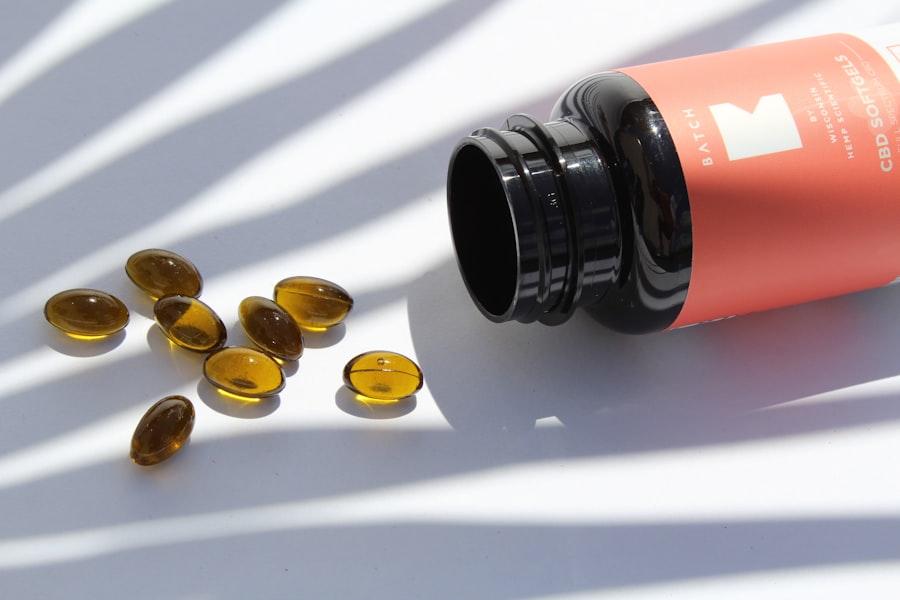
Older adults are particularly vulnerable to vitamin A toxicity due to several factors that can influence their nutritional status and metabolism. One significant risk factor is the use of dietary supplements. Many older individuals take multivitamins or specific vitamin A supplements to address perceived deficiencies or support overall health.
However, without proper guidance from healthcare professionals, it is easy to exceed the recommended daily allowance, leading to toxicity. Another contributing factor is the potential for impaired liver function in older adults. The liver plays a crucial role in metabolizing and storing vitamin A, and any decline in its function can lead to an increased risk of toxicity.
Additionally, older adults may have dietary habits that include high consumption of liver products or fortified foods rich in vitamin A, further compounding the risk. Understanding these factors can help you make informed decisions about your vitamin A intake and seek appropriate guidance from healthcare providers.
The Role of Vitamin A in Older Adults’ Health
| Metric | Value/Range | Significance | Notes |
|---|---|---|---|
| Recommended Dietary Allowance (RDA) for Vitamin A | 900 mcg/day (men), 700 mcg/day (women) | Maintains adequate vitamin A levels for older adults | Values may vary slightly by country and health guidelines |
| Serum Retinol Levels | 20-50 µg/dL | Indicator of vitamin A status in the body | Levels below 20 µg/dL may indicate deficiency |
| Prevalence of Vitamin A Deficiency in Older Adults | 5-15% (varies by region) | Risk factor for impaired vision and immune function | Higher prevalence in low-income or malnourished populations |
| Impact on Vision Health | Reduced night blindness risk by 30-50% | Vitamin A supports retinal function and prevents xerophthalmia | Important for maintaining quality of life in older adults |
| Immune Function Enhancement | Improved response to infections by 20-40% | Vitamin A modulates immune responses and reduces inflammation | May reduce severity and duration of respiratory infections |
| Upper Intake Level (UL) | 3000 mcg/day | Threshold to avoid toxicity in older adults | Excess intake can lead to hypervitaminosis A symptoms |
Despite the risks associated with excessive intake, vitamin A remains an essential nutrient for older adults. It plays a vital role in maintaining vision, particularly in low-light conditions, by supporting the health of the retina. As you age, the risk of vision-related issues increases, making adequate vitamin A intake crucial for preserving eye health.
Vitamin A also contributes to skin health by promoting cell turnover and repair. As you age, your skin naturally becomes thinner and less resilient; adequate levels of vitamin A can help mitigate some of these changes.
Additionally, this nutrient plays a role in bone health by influencing the activity of osteoblasts and osteoclasts, cells responsible for bone formation and resorption. Therefore, maintaining a balanced intake of vitamin A is essential for supporting overall health as you navigate the aging process.
Recommended Daily Allowance of Vitamin A for Older Adults
The recommended daily allowance (RDA) for vitamin A varies based on age and gender. For older adults, the RDA is set at 900 micrograms (mcg) for men and 700 mcg for women. It is important for you to be aware of these guidelines to ensure that you are meeting your nutritional needs without exceeding safe limits.
Consuming too much vitamin A can lead to toxicity, while not getting enough can result in deficiencies that may compromise your health. To achieve the recommended intake without risking toxicity, focus on obtaining vitamin A from a balanced diet rather than relying solely on supplements. Whole foods provide a range of nutrients that work synergistically to support your health.
By being mindful of your dietary choices and understanding the RDA for your age group, you can strike a balance that promotes optimal well-being.
Sources of Vitamin A in the Diet

Vitamin A can be found in two primary forms: preformed vitamin A (retinol) and provitamin A carotenoids. Preformed vitamin A is found in animal products such as liver, fish oils, eggs, and dairy products. On the other hand, provitamin A carotenoids are found in plant-based foods like carrots, sweet potatoes, spinach, and kale.
As you consider your dietary sources of vitamin A, it’s essential to incorporate a variety of these foods to ensure you are meeting your nutritional needs. Incorporating colorful fruits and vegetables into your meals not only enhances your vitamin A intake but also provides additional health benefits through other vitamins and minerals. For instance, carrots are rich in beta-carotene, which your body converts into retinol as needed.
By focusing on whole food sources rather than supplements, you can enjoy a diverse diet that supports overall health while minimizing the risk of toxicity.
Potential Dangers of Vitamin A Supplements in Older Adults
While supplements can be beneficial for addressing specific deficiencies or health concerns, they also pose risks when it comes to vitamin A intake in older adults. Many multivitamins contain high doses of vitamin A that may exceed the recommended daily allowance when combined with dietary sources.
It’s essential for you to consult with a healthcare professional before starting any supplement regimen to ensure it aligns with your individual health needs. Moreover, certain medical conditions or medications may interact with vitamin A metabolism, further complicating the safe use of supplements. For example, individuals with liver disease or those taking medications that affect liver function should exercise caution when considering vitamin A supplementation.
Being aware of these potential dangers allows you to make informed decisions about your health and avoid unnecessary risks associated with excessive vitamin A intake.
Preventing Vitamin A Toxicity in Older Adults
Preventing vitamin A toxicity involves a combination of dietary awareness and regular monitoring of your nutritional status. Start by focusing on whole food sources rich in vitamin A while being cautious about portion sizes—especially when consuming animal products like liver that are particularly high in this nutrient. It’s also wise to limit the use of high-dose supplements unless specifically recommended by a healthcare provider.
Regular check-ups with your healthcare professional can help monitor your overall health and nutritional status. They may recommend blood tests to assess your vitamin levels and ensure they fall within safe ranges. By staying proactive about your health and seeking guidance when needed, you can significantly reduce the risk of developing vitamin A toxicity as you age.
Monitoring Vitamin A Levels in Older Adults
Monitoring your vitamin A levels is an essential aspect of maintaining optimal health as you age. Regular check-ups with your healthcare provider can help identify any potential deficiencies or excesses before they lead to serious complications. Blood tests can measure retinol levels and provide insight into how well your body is managing this vital nutrient.
If you are taking supplements or have dietary habits that may lead to excessive intake, discussing these factors with your healthcare provider is crucial. They can help you determine whether adjustments are necessary based on your individual health profile and lifestyle factors. By staying informed about your vitamin A levels and making necessary adjustments, you can support your overall well-being effectively.
Treatment for Vitamin A Toxicity in Older Adults
If you suspect that you or someone you know may be experiencing symptoms of vitamin A toxicity, seeking medical attention promptly is essential. Treatment typically involves discontinuing any high-dose supplements and adjusting dietary intake to reduce vitamin A consumption. In mild cases, simply reducing intake may resolve symptoms over time.
In more severe cases where significant toxicity has occurred, medical intervention may be necessary. This could involve hospitalization for monitoring and supportive care to manage symptoms effectively. Your healthcare provider will guide you through the appropriate steps based on the severity of the condition and any underlying health issues that may be present.
Balancing Vitamin A Intake for Optimal Health in Older Adults
In conclusion, achieving a balance in vitamin A intake is vital for maintaining optimal health as you age. While this nutrient plays essential roles in vision, immune function, and skin health, excessive consumption can lead to toxicity with serious consequences. By understanding the recommended daily allowance and focusing on whole food sources rather than high-dose supplements, you can minimize risks while ensuring adequate intake.
Regular monitoring of your nutritional status and open communication with healthcare providers will empower you to make informed decisions about your health. By prioritizing a balanced diet rich in fruits and vegetables alongside appropriate supplementation when necessary, you can enjoy the benefits of vitamin A without compromising your well-being as an older adult.
Vitamin A toxicity is a significant concern for older adults, as excessive intake can lead to serious health issues. For more information on this topic, you can read the article on senior health at Explore Senior Health, which discusses the importance of maintaining a balanced diet and the potential risks associated with high doses of vitamin A.
FAQs
What is vitamin A toxicity?
Vitamin A toxicity, also known as hypervitaminosis A, occurs when there is an excessive accumulation of vitamin A in the body, leading to harmful effects. It can result from consuming high doses of vitamin A supplements or certain medications over a prolonged period.
Why are older adults at risk for vitamin A toxicity?
Older adults may be at increased risk for vitamin A toxicity due to factors such as decreased liver function, use of multiple supplements or medications containing vitamin A, and changes in metabolism that affect vitamin absorption and storage.
What are the symptoms of vitamin A toxicity in older adults?
Symptoms can include nausea, headache, dizziness, blurred vision, bone pain, skin changes, and in severe cases, liver damage or increased intracranial pressure. Chronic toxicity may also lead to osteoporosis or fractures.
How is vitamin A toxicity diagnosed?
Diagnosis is typically based on clinical symptoms, medical history, and blood tests measuring vitamin A levels. Healthcare providers may also assess liver function and other related parameters.
Can vitamin A toxicity be treated?
Yes, treatment involves stopping vitamin A intake and managing symptoms. In severe cases, hospitalization may be required. Recovery depends on the extent of toxicity and any organ damage.
How can older adults prevent vitamin A toxicity?
Prevention includes avoiding excessive use of vitamin A supplements, following recommended dietary allowances, and consulting healthcare providers before starting any new supplements, especially if taking multiple medications.
Is vitamin A toxicity caused by diet alone?
Vitamin A toxicity from diet alone is rare because the body regulates absorption from food sources. Toxicity is more commonly linked to high-dose supplements or medications containing vitamin A.
What is the recommended daily allowance of vitamin A for older adults?
The recommended daily allowance (RDA) for vitamin A varies by age and sex but generally ranges from 700 to 900 micrograms (mcg) of retinol activity equivalents (RAE) per day for adults over 50. It is important to adhere to these guidelines to avoid toxicity.
Are there different forms of vitamin A that affect toxicity risk?
Yes, preformed vitamin A (retinol and retinyl esters) found in animal products and supplements is more likely to cause toxicity than provitamin A carotenoids found in plant-based foods, which the body converts to vitamin A as needed.
Should older adults get their vitamin A levels tested regularly?
Routine testing is not generally necessary unless there are symptoms of toxicity or a history of high vitamin A intake. Healthcare providers may recommend testing if there is concern about vitamin A status.