
The 14 Day Medication Reset Plan is designed to help you reassess your current medication regimen and its impact on your overall health. This structured approach allows you to take a step back and evaluate the necessity and effectiveness of the medications you are currently taking. By committing to a two-week period of reflection and adjustment, you can gain valuable insights into how these substances affect your body and mind.
This reset is not merely about stopping medications; it’s about understanding their role in your life and determining if they are still serving your best interests. During this two-week period, you will have the opportunity to observe how your body responds without certain medications. This can lead to a clearer understanding of your health needs and may even reveal underlying issues that were previously masked by medication.
The goal is to empower you to make informed decisions about your health, ensuring that any medication you choose to continue is truly beneficial. It’s essential to approach this plan with an open mind and a willingness to engage in self-reflection, as the insights gained can be transformative.
Key Takeaways
- The 14 Day Medication Reset Plan helps safely reduce or pause medications under professional guidance.
- Preparing adequately and following a daily guide can ease withdrawal symptoms and improve outcomes.
- Incorporating healthy habits and monitoring progress are crucial for long-term health maintenance.
- Consulting healthcare professionals ensures personalized adjustments and management of side effects.
- Success stories highlight the plan’s effectiveness and encourage commitment to the reset process.
Benefits of a Medication Reset
Engaging in a 14 Day Medication Reset can yield numerous benefits for your physical and mental well-being. One of the most significant advantages is the potential for increased clarity regarding your health. By temporarily discontinuing certain medications, you may discover how they were affecting your mood, energy levels, or overall quality of life.
This newfound awareness can help you make more informed choices about which medications to continue, adjust, or discontinue altogether. Additionally, a medication reset can lead to improved communication with your healthcare provider. As you gather insights about how your body reacts without specific medications, you will be better equipped to discuss your experiences during follow-up appointments.
This dialogue can foster a more collaborative relationship with your healthcare team, allowing for tailored treatment plans that align with your evolving health needs. Ultimately, the reset can serve as a catalyst for positive change, encouraging you to take an active role in managing your health.
Preparing for the 14 Day Medication Reset
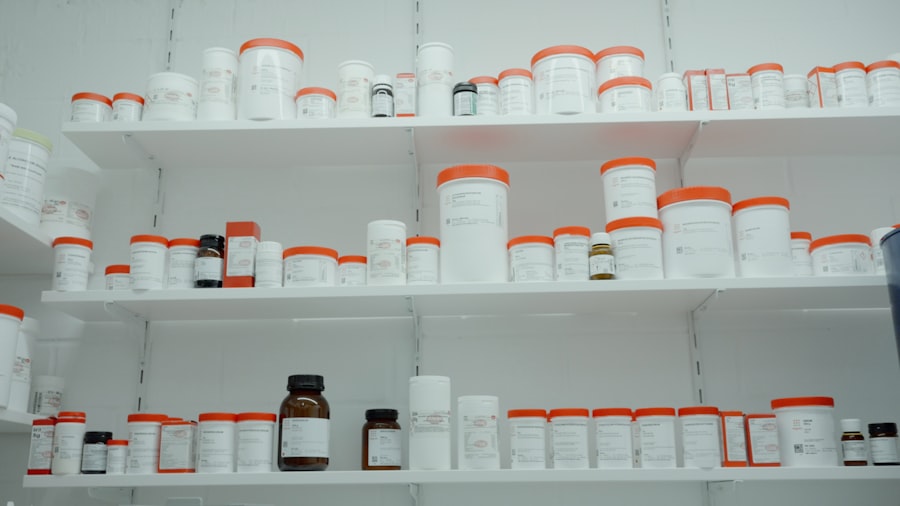
Preparation is key when embarking on the 14 Day Medication Reset. Start by reviewing all the medications you are currently taking, including over-the-counter drugs and supplements. Make a comprehensive list that includes dosages and the reasons for taking each medication.
This inventory will serve as a reference point throughout the reset process and help you identify which medications you might consider pausing. Next, it’s crucial to establish a support system before you begin the reset. Inform family members or close friends about your plan so they can provide encouragement and understanding during this period.
You may also want to consider joining online forums or support groups where others are undertaking similar journeys. Having a network of support can make a significant difference in how you navigate this experience, providing motivation and accountability as you work through the challenges that may arise.
Day-to-Day Guide to the Medication Reset
As you embark on your 14 Day Medication Reset, it’s helpful to have a day-to-day guide to keep you on track. Begin by setting clear intentions for each day, focusing on what you hope to achieve through this process. You might want to keep a journal where you can document your thoughts, feelings, and any physical changes you notice as the days progress.
This reflective practice can enhance your self-awareness and provide valuable insights into your health journey. Each day, take time to engage in activities that promote relaxation and well-being. Whether it’s practicing mindfulness meditation, going for a walk in nature, or engaging in creative hobbies, these activities can help alleviate any stress or anxiety that may arise during the reset.
Remember that this period is not just about abstaining from medication; it’s also an opportunity to cultivate healthier habits that support your overall well-being.
Tips for Managing Medication Withdrawal Symptoms
| Day | Medication | Dosage | Time | Notes |
|---|---|---|---|---|
| 1 | Medication A | 10 mg | Morning | Start with low dose |
| 2 | Medication A | 10 mg | Morning | Monitor side effects |
| 3 | Medication A | 20 mg | Morning | Increase dose |
| 4 | Medication B | 5 mg | Evening | Introduce new medication |
| 5 | Medication A | 20 mg | Morning | Maintain dose |
| 6 | Medication B | 5 mg | Evening | Monitor response |
| 7 | Medication A | 20 mg | Morning | Maintain dose |
| 8 | Medication B | 10 mg | Evening | Increase dose |
| 9 | Medication A | 20 mg | Morning | Maintain dose |
| 10 | Medication B | 10 mg | Evening | Maintain dose |
| 11 | Medication A | 10 mg | Morning | Begin tapering |
| 12 | Medication B | 5 mg | Evening | Begin tapering |
| 13 | Medication A | 5 mg | Morning | Continue tapering |
| 14 | None | 0 mg | — | Medication reset complete |
As you navigate the 14 Day Medication Reset, it’s essential to be prepared for potential withdrawal symptoms that may arise from discontinuing certain medications. These symptoms can vary widely depending on the type of medication and individual factors, so it’s crucial to approach this phase with care. One effective strategy is to stay hydrated and maintain a balanced diet rich in nutrients.
Proper nutrition can help mitigate some withdrawal symptoms and support your body as it adjusts. Additionally, consider incorporating gentle physical activity into your daily routine. Exercise has been shown to boost mood and alleviate feelings of anxiety or depression that may surface during withdrawal.
Whether it’s yoga, walking, or light stretching, find an activity that resonates with you and commit to doing it regularly throughout the reset period. Remember that self-care is paramount during this time; prioritize rest and relaxation as needed.
Incorporating Healthy Habits into Your Routine
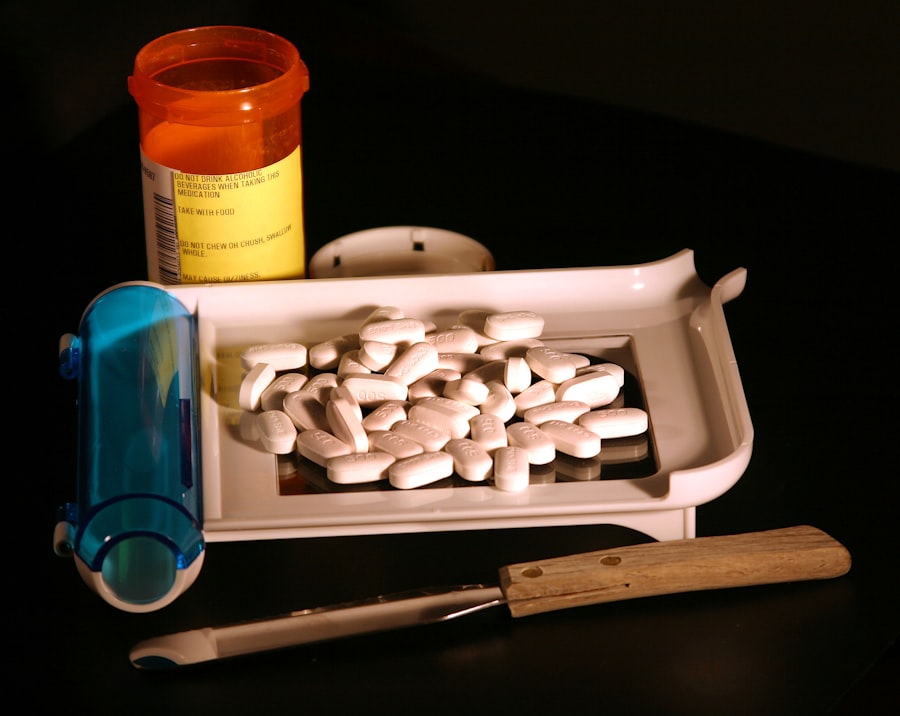
The 14 Day Medication Reset is an excellent opportunity to incorporate healthy habits into your daily routine. As you step away from certain medications, consider replacing them with lifestyle changes that promote well-being. For instance, focus on establishing a consistent sleep schedule that allows for adequate rest each night.
Quality sleep is vital for both physical and mental health, so prioritize creating a calming bedtime routine that helps signal to your body that it’s time to wind down. In addition to sleep hygiene, explore ways to enhance your nutrition. Experiment with cooking new recipes that emphasize whole foods, such as fruits, vegetables, lean proteins, and whole grains.
Not only will this nourish your body during the reset, but it can also be an enjoyable way to engage with food in a positive manner. By making these healthy choices part of your daily routine, you’ll be setting yourself up for long-term success beyond the reset period.
Monitoring Your Progress and Adjusting as Needed
Throughout the 14 Day Medication Reset, monitoring your progress is essential for understanding how this experience is impacting your health. Keep track of any changes in mood, energy levels, or physical symptoms in your journal. This documentation will provide valuable insights into how your body is responding without certain medications and can help inform future decisions regarding your treatment plan.
If you find that certain withdrawal symptoms become overwhelming or unmanageable, don’t hesitate to adjust your approach. It’s important to listen to your body and recognize when something isn’t working for you. This might mean reintroducing a medication under the guidance of a healthcare professional or modifying other aspects of your routine to better support your well-being.
Managing Medication Side Effects
As you progress through the 14 Day Medication Reset, it’s crucial to remain vigilant about managing any side effects that may arise from discontinuing medications. Some individuals may experience heightened anxiety or mood fluctuations during this time; therefore, having coping strategies in place is essential. Techniques such as deep breathing exercises or grounding practices can help alleviate feelings of discomfort when they arise.
Additionally, consider exploring alternative therapies that may provide relief from side effects without relying on medication. Practices such as acupuncture, aromatherapy, or herbal supplements may offer supportive benefits during this transition period. However, always consult with a healthcare professional before trying new therapies to ensure they align with your overall health goals.
Consulting with a Healthcare Professional
Consulting with a healthcare professional is an integral part of the 14 Day Medication Reset process. Before initiating any changes to your medication regimen, it’s essential to have an open dialogue with your doctor or pharmacist about your intentions. They can provide valuable guidance on which medications may be appropriate to pause and offer insights into potential withdrawal symptoms based on your specific situation.
Throughout the reset period, maintain communication with your healthcare provider regarding any challenges or concerns that arise. They can help monitor your progress and make recommendations tailored to your needs. This collaborative approach ensures that you are supported every step of the way as you navigate this transformative experience.
Long-Term Strategies for Maintaining Health
As you complete the 14 Day Medication Reset, it’s important to think about long-term strategies for maintaining health moving forward. Consider establishing regular check-ins with yourself regarding how you feel physically and emotionally without certain medications. This self-assessment will help you stay attuned to any changes in your health and allow for timely adjustments if needed.
Incorporating ongoing healthy habits into your lifestyle will also play a crucial role in sustaining well-being over time. Continue prioritizing nutritious meals, regular exercise, and adequate sleep as foundational elements of your daily routine. Additionally, consider exploring mindfulness practices or stress-reduction techniques that resonate with you; these tools can help manage any future challenges that may arise.
Success Stories and Testimonials from Participants
Hearing success stories from others who have undertaken the 14 Day Medication Reset can be incredibly inspiring as you embark on this journey yourself. Many individuals have reported profound transformations in their health after reassessing their medication regimens. For some, discontinuing unnecessary medications led to increased energy levels and improved mental clarity; others found relief from side effects they had previously accepted as part of their daily lives.
These testimonials often highlight the importance of self-advocacy in healthcare decisions.
As you move through your own reset experience, remember that you are not alone; countless others have walked this path before you and emerged stronger on the other side.
In conclusion, embarking on a 14 Day Medication Reset can be a transformative experience that empowers you to take control of your health journey. By understanding the process, preparing adequately, and incorporating healthy habits into your routine, you can navigate this period with confidence and clarity. Remember to consult with healthcare professionals along the way and monitor your progress diligently; these steps will ensure that you emerge from the reset feeling empowered and informed about your health choices moving forward.
If you’re considering a 14-day medication reset plan to optimize your health, you might find it helpful to read more about the importance of medication management in older adults. For additional insights, check out this related article on senior health: Explore Senior Health. This resource provides valuable information on how to effectively manage medications and improve overall well-being.
🚨 WATCH THIS IF YOU TAKE ANY “PM” PILLS AFTER 60
FAQs
What is a 14 day medication reset plan?
A 14 day medication reset plan is a structured approach designed to help individuals safely adjust, reduce, or discontinue certain medications over a two-week period under medical supervision.
Who should consider a 14 day medication reset plan?
Individuals who are experiencing side effects, tolerance, or dependency on certain medications, or those advised by their healthcare provider to reassess their medication regimen, may consider a 14 day medication reset plan.
Is it safe to stop medications abruptly during the reset plan?
No, it is generally not safe to stop medications abruptly. The 14 day medication reset plan involves gradual tapering or adjustments as recommended by a healthcare professional to minimize withdrawal symptoms and health risks.
Can I do a 14 day medication reset plan without consulting a doctor?
No, it is important to consult a healthcare provider before starting any medication reset plan to ensure it is appropriate and safe based on your medical history and current health status.
What types of medications are commonly involved in a medication reset plan?
Medications that may be involved include certain antidepressants, benzodiazepines, pain medications, and other drugs that can cause dependence or tolerance, but the specific medications vary depending on individual circumstances.
What are the potential benefits of a 14 day medication reset plan?
Potential benefits include reduced side effects, decreased medication tolerance, improved effectiveness of medications, and better overall management of health conditions.
Are there any risks associated with a 14 day medication reset plan?
Yes, risks can include withdrawal symptoms, return of original symptoms, or adverse reactions. These risks are minimized when the plan is supervised by a healthcare professional.
How is progress monitored during the 14 day medication reset plan?
Progress is typically monitored through regular check-ins with a healthcare provider, symptom tracking, and possibly laboratory tests to ensure safety and effectiveness.
Can lifestyle changes support a 14 day medication reset plan?
Yes, lifestyle changes such as proper diet, exercise, stress management, and adequate sleep can support the medication reset process and overall health.
What should I do if I experience severe side effects during the reset plan?
If severe side effects occur, contact your healthcare provider immediately for guidance and possible adjustments to the plan.