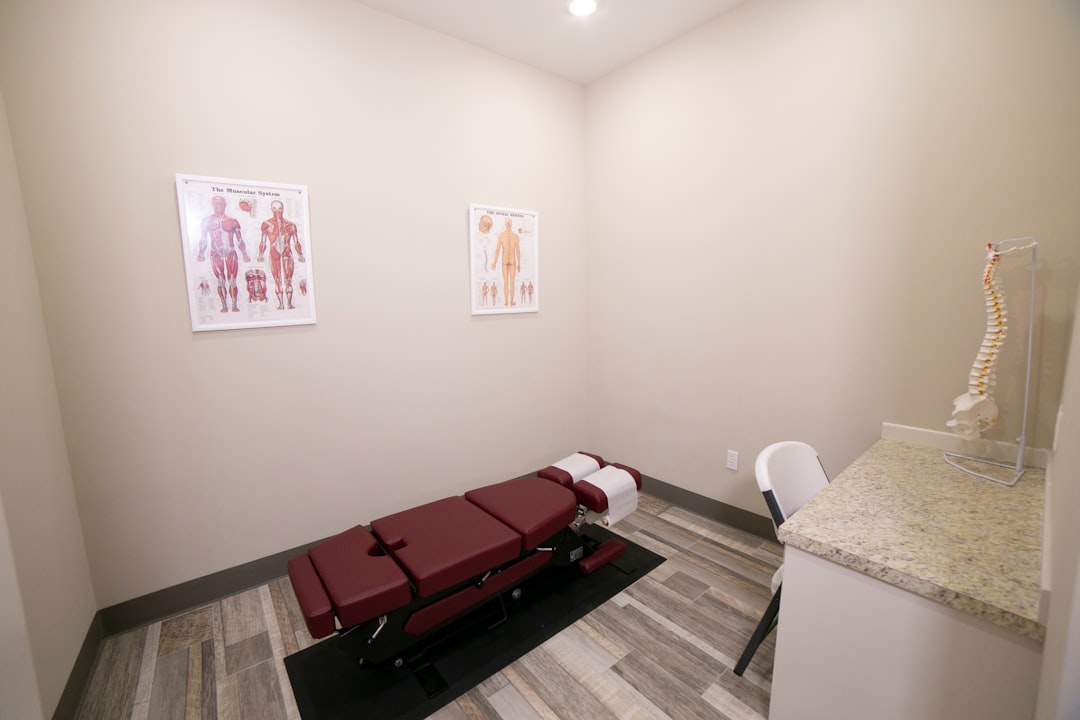
Overactive bladder (OAB) is a condition that affects millions of individuals worldwide, often leading to significant disruptions in daily life. If you find yourself experiencing a sudden, uncontrollable urge to urinate, you may be grappling with this condition. OAB is characterized not only by frequent urination but also by the potential for involuntary leakage, which can be both embarrassing and distressing.
Understanding the nuances of OAB is crucial for managing its symptoms effectively and regaining control over your bladder. The condition can manifest in various ways, and it is essential to recognize that it is not merely a natural part of aging. While it is more common among older adults, OAB can affect individuals of all ages.
Factors such as neurological disorders, diabetes, and even certain medications can contribute to the development of this condition. By acknowledging the complexities of OAB, you can take the first step toward seeking appropriate treatment and support.
Key Takeaways
- Overactive bladder is characterized by sudden urges and frequent urination, often caused by muscle or nerve issues.
- Pelvic floor therapy strengthens pelvic muscles, providing an effective non-invasive treatment for overactive bladder.
- Therapy involves exercises, biofeedback, and lifestyle adjustments to improve bladder control.
- Combining pelvic floor therapy with other treatments can enhance symptom relief and overall bladder health.
- Long-term management includes ongoing exercises, lifestyle changes, and regular monitoring to maintain bladder function.
Symptoms and Causes of Overactive Bladder
The symptoms of overactive bladder can vary from person to person, but they typically include a frequent need to urinate, urgency, and sometimes incontinence. You may find yourself rushing to the bathroom more often than you’d like, which can lead to anxiety about social situations or even affect your work life. The urgency associated with OAB can be overwhelming, making it difficult to engage in activities without worrying about finding a restroom.
Understanding the causes of OAB is equally important. Various factors can contribute to this condition, including bladder muscle dysfunction, nerve damage, or even lifestyle choices. For instance, excessive caffeine or alcohol consumption can irritate the bladder and exacerbate symptoms.
Additionally, certain medical conditions such as urinary tract infections or prostate issues in men can also lead to overactive bladder symptoms. By identifying potential triggers in your life, you can work towards managing your symptoms more effectively.
Pelvic Floor Therapy: An Effective Treatment Option

Pelvic floor therapy has emerged as a highly effective treatment option for individuals dealing with overactive bladder. This specialized form of therapy focuses on strengthening the muscles that support the bladder and pelvic organs. If you are struggling with OAB, you may find that pelvic floor therapy offers a non-invasive approach to alleviating your symptoms.
It empowers you to take control of your body and improve your quality of life. One of the key benefits of pelvic floor therapy is that it addresses the root causes of OAB rather than just masking the symptoms. By working with a trained therapist, you can learn techniques to strengthen your pelvic floor muscles, improve bladder control, and reduce urgency.
This holistic approach not only helps with immediate symptoms but also promotes long-term health and well-being.
How Pelvic Floor Therapy Works
Pelvic floor therapy works by targeting the muscles that play a crucial role in bladder control. These muscles can become weak or dysfunctional due to various factors such as childbirth, aging, or even prolonged sitting. During therapy sessions, you will engage in exercises designed to strengthen these muscles and improve their coordination.
Your therapist may also incorporate biofeedback techniques to help you better understand how your pelvic floor functions.
You will learn how to engage your pelvic floor muscles effectively during daily activities, which can significantly reduce the frequency and urgency of urination.
By understanding how your body works and implementing these techniques, you can regain confidence in your bladder control.
Finding a Pelvic Floor Therapist
| Metric | Value | Unit | Notes |
|---|---|---|---|
| Success Rate | 70-80 | % | Percentage of patients reporting symptom improvement |
| Average Treatment Duration | 8-12 | weeks | Typical length of pelvic floor therapy program |
| Sessions per Week | 1-2 | sessions | Recommended frequency of therapy sessions |
| Reduction in Urgency Episodes | 50-60 | % | Average decrease in urgency episodes after therapy |
| Reduction in Incontinence Episodes | 40-50 | % | Average decrease in incontinence episodes after therapy |
| Patient Adherence Rate | 75 | % | Percentage of patients completing the therapy program |
| Improvement in Quality of Life Scores | 30-40 | % | Increase in validated QoL questionnaire scores |
Finding a qualified pelvic floor therapist is an essential step in your journey toward managing overactive bladder symptoms. You may want to start by consulting with your primary care physician or a urologist who can provide recommendations based on your specific needs. It’s important to seek out a therapist who specializes in pelvic health and has experience working with individuals suffering from OAB.
When searching for a therapist, consider their credentials and approach to treatment. You may want to inquire about their training in pelvic floor rehabilitation and whether they utilize evidence-based practices. Additionally, reading reviews or seeking referrals from others who have undergone similar treatments can help you make an informed decision.
Remember that finding the right therapist is crucial for your comfort and success in therapy.
What to Expect During Pelvic Floor Therapy
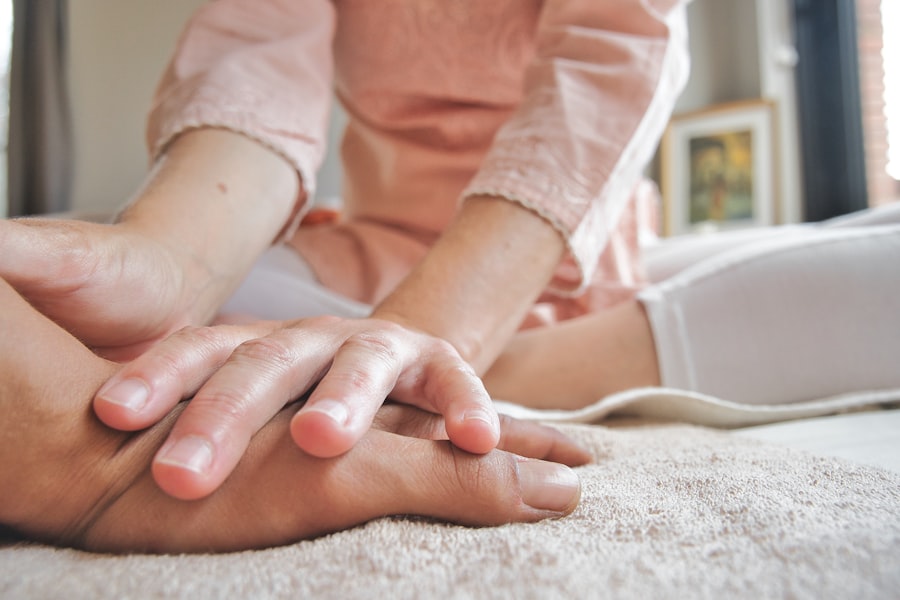
As you embark on pelvic floor therapy, it’s natural to have questions about what to expect during your sessions. Typically, your first appointment will involve a thorough assessment of your symptoms and medical history. Your therapist will ask about your lifestyle, any previous treatments you’ve tried, and specific concerns related to your overactive bladder.
Once the assessment is complete, your therapist will develop a personalized treatment plan tailored to your needs. Sessions may include a combination of exercises, education on bladder health, and relaxation techniques. You might also engage in discussions about lifestyle modifications that can complement your therapy.
Throughout this process, open communication with your therapist is vital; don’t hesitate to voice any concerns or ask questions as they arise.
Pelvic Floor Exercises for Overactive Bladder
Pelvic floor exercises are at the heart of pelvic floor therapy for overactive bladder. One of the most well-known exercises is Kegel exercises, which involve contracting and relaxing the pelvic floor muscles. To perform Kegels effectively, you should first identify the right muscles by trying to stop urination midstream; these are the muscles you’ll be working on strengthening.
In addition to Kegels, there are other exercises that can enhance pelvic floor strength and coordination. For instance, bridge lifts and squats can engage the pelvic muscles while also promoting overall core stability. Your therapist will guide you through these exercises and help you develop a routine that fits into your lifestyle.
Consistency is key; regular practice will yield the best results in managing your overactive bladder symptoms.
Lifestyle Changes to Support Pelvic Floor Therapy
In conjunction with pelvic floor therapy, making certain lifestyle changes can significantly enhance your treatment outcomes. You may want to start by evaluating your fluid intake; while staying hydrated is essential, excessive consumption of caffeine or alcohol can irritate the bladder and worsen symptoms. Consider reducing these substances gradually and observe how your body responds.
Incorporating regular physical activity into your routine can also support pelvic floor health. Engaging in low-impact exercises such as walking or swimming not only strengthens your core but also promotes overall well-being. Additionally, maintaining a healthy weight can alleviate pressure on the bladder and pelvic region.
By adopting these lifestyle changes alongside therapy, you create a comprehensive approach to managing overactive bladder effectively.
Combining Pelvic Floor Therapy with Other Treatments
While pelvic floor therapy is an effective standalone treatment for overactive bladder, it can also be beneficial when combined with other therapeutic options. Depending on the severity of your symptoms, your healthcare provider may recommend additional treatments such as medications or behavioral therapies. These approaches can work synergistically with pelvic floor therapy to provide more comprehensive relief.
For instance, certain medications may help reduce urgency and frequency while you work on strengthening your pelvic floor muscles through therapy. Behavioral therapies such as bladder training can also complement your efforts by teaching you techniques to gradually increase the time between bathroom visits. By exploring a multi-faceted approach to treatment, you increase your chances of achieving lasting relief from overactive bladder symptoms.
Monitoring Progress and Adjusting Therapy
As you progress through pelvic floor therapy for overactive bladder, monitoring your improvements is essential for ensuring that you are on the right track. Regular check-ins with your therapist will allow you to discuss any changes in symptoms or challenges you may be facing during treatment. This ongoing dialogue is crucial for tailoring your therapy plan as needed.
Your therapist may use various assessment tools to gauge your progress objectively. These could include questionnaires about symptom severity or even physical assessments of muscle strength and coordination. Based on this feedback, adjustments can be made to your exercise regimen or overall treatment plan to ensure optimal results.
Long-Term Management of Overactive Bladder with Pelvic Floor Therapy
Long-term management of overactive bladder often requires a commitment to ongoing pelvic floor therapy and lifestyle adjustments. While many individuals experience significant improvements during their treatment journey, it’s important to recognize that maintaining these gains requires continued effort. Regular practice of pelvic floor exercises and adherence to lifestyle changes will help sustain the benefits you’ve achieved.
Additionally, staying informed about new research and treatment options related to overactive bladder can empower you in managing this condition effectively over time. Engaging with support groups or online communities can also provide encouragement and shared experiences from others facing similar challenges. By taking an active role in your health journey, you can navigate the complexities of overactive bladder with confidence and resilience.
In conclusion, understanding overactive bladder and exploring effective treatment options like pelvic floor therapy can significantly improve your quality of life.
Pelvic floor therapy can be an effective treatment for individuals suffering from overactive bladder, helping to strengthen the muscles that control urination and improve overall bladder function. For more information on related health topics, you can visit this informative article on senior health at Explore Senior Health. This resource provides valuable insights into various conditions and therapies that can enhance the quality of life for seniors.
🚨 WATCH THIS IF YOU TAKE ANY “PM” PILLS AFTER 60
FAQs
What is pelvic floor therapy?
Pelvic floor therapy is a type of physical therapy that focuses on strengthening and improving the function of the pelvic floor muscles. These muscles support the bladder, uterus, and rectum and play a key role in bladder control.
How does pelvic floor therapy help with overactive bladder?
Pelvic floor therapy helps manage overactive bladder by teaching exercises and techniques to strengthen the pelvic floor muscles, improve bladder control, reduce urgency, and decrease urinary frequency and leakage.
Who can benefit from pelvic floor therapy for overactive bladder?
Individuals experiencing symptoms of overactive bladder, such as frequent urination, urgency, and urge incontinence, may benefit from pelvic floor therapy. It is often recommended for both men and women before considering surgical or medication options.
What techniques are used in pelvic floor therapy?
Common techniques include pelvic floor muscle exercises (Kegels), biofeedback, bladder training, electrical stimulation, and lifestyle modifications to improve bladder habits and muscle coordination.
Is pelvic floor therapy safe?
Yes, pelvic floor therapy is generally safe when performed under the guidance of a trained pelvic floor physical therapist. It is a non-invasive treatment option with minimal risks.
How long does pelvic floor therapy take to show results?
Results vary by individual, but many people notice improvement in symptoms within 6 to 12 weeks of consistent therapy and exercises.
Do I need a referral to see a pelvic floor therapist?
In many cases, a referral from a healthcare provider is recommended or required, but some therapists accept self-referrals depending on local regulations and insurance policies.
Can pelvic floor therapy be combined with other treatments for overactive bladder?
Yes, pelvic floor therapy can be used alongside medications, lifestyle changes, and behavioral therapies to provide a comprehensive approach to managing overactive bladder symptoms.
Are there any side effects of pelvic floor therapy?
Side effects are rare but may include temporary muscle soreness or discomfort. It is important to follow the therapist’s instructions to avoid overexertion.
How do I find a qualified pelvic floor therapist?
You can find a qualified pelvic floor therapist through referrals from your healthcare provider, professional physical therapy associations, or specialized clinics focusing on pelvic health.