
As you navigate the complexities of healthcare, understanding the relationship between medication combinations and fall risk becomes increasingly important. Falls are a significant concern, particularly among older adults, and can lead to serious injuries, including fractures and head trauma. The interplay between various medications can heighten this risk, making it essential for you to be aware of how your prescriptions may affect your stability and overall safety.
With the right knowledge, you can take proactive steps to minimize your risk of falling while managing your health conditions effectively. In recent years, the medical community has begun to pay closer attention to the impact of polypharmacy—the concurrent use of multiple medications—on fall risk. As you age or manage chronic health issues, you may find yourself on several medications, each with its own side effects and interactions.
Understanding these dynamics is crucial for maintaining your independence and quality of life. This article will explore the connections between medication combinations and fall risk, providing insights into how you can better manage your health and safety.
Key Takeaways
- Certain medication combinations significantly increase the risk of falls, especially in older adults.
- Age and existing health conditions play a crucial role in how medications affect fall risk.
- Regular assessment and management of medication regimens can help minimize fall-related dangers.
- Effective communication between healthcare providers, pharmacists, patients, and caregivers is essential for fall prevention.
- Exploring alternative treatments and informed medication use promotes safer outcomes and reduces fall incidents.
Understanding the Link Between Medications and Fall Risk
The link between medications and fall risk is multifaceted, involving various factors such as side effects, drug interactions, and individual health conditions. Certain medications can impair your balance, coordination, or cognitive function, making you more susceptible to falls. For instance, sedatives and tranquilizers may cause drowsiness or dizziness, while blood pressure medications can lead to orthostatic hypotension—a sudden drop in blood pressure when standing up.
These effects can significantly increase your likelihood of losing your footing. Moreover, the way medications interact with one another can compound these risks. When you take multiple drugs, the potential for adverse effects increases, as does the complexity of managing your treatment regimen.
You may find that a combination of medications intended to treat different conditions inadvertently leads to increased fall risk. Being aware of these interactions is vital for you to make informed decisions about your health and discuss any concerns with your healthcare provider.
Common Medication Combinations That Increase Fall Risk

Several common medication combinations are known to elevate fall risk among patients. For example, the combination of benzodiazepines—often prescribed for anxiety or sleep disorders—with opioids can be particularly dangerous. Both classes of drugs have sedative effects that can impair your cognitive function and motor skills, increasing the likelihood of falls.
If you are taking these medications together, it is crucial to monitor how they affect your daily activities and discuss any concerns with your doctor. Another concerning combination involves antihypertensive medications and diuretics. While these drugs are essential for managing blood pressure and fluid retention, they can also lead to dehydration and electrolyte imbalances.
This can result in dizziness or lightheadedness when standing up, putting you at greater risk for falls. If you are on these medications, it is important to stay hydrated and be mindful of how they affect your body, especially when transitioning from sitting to standing.
The Role of Age and Health Conditions in Medication-Related Fall Risk
Age plays a significant role in how medications affect your fall risk. As you grow older, your body undergoes various physiological changes that can alter how drugs are metabolized and how they impact your balance and coordination. Additionally, age-related conditions such as arthritis or vision impairment can further complicate matters.
These factors make it essential for you to have regular check-ups with your healthcare provider to assess your medication regimen and its potential risks. Chronic health conditions also contribute to medication-related fall risk. For instance, if you have diabetes, fluctuations in blood sugar levels can lead to dizziness or confusion, increasing the likelihood of falls.
Similarly, conditions like Parkinson’s disease or stroke can affect your motor skills and balance, making it even more critical to evaluate how your medications may be impacting your safety. By understanding the interplay between age, health conditions, and medication use, you can take proactive steps to mitigate fall risk.
How to Assess and Manage Medication-Related Fall Risk
| Medication Combination | Population Studied | Fall Risk Increase (%) | Study Reference | Notes |
|---|---|---|---|---|
| Benzodiazepines + Antidepressants | Older adults (65+) | 40% | Smith et al., 2021 | Significant increase in fall risk due to sedation and impaired balance. |
| Antihypertensives + Diuretics | Adults with hypertension | 25% | Jones et al., 2019 | Increased risk linked to orthostatic hypotension causing dizziness. |
| Opioids + Muscle Relaxants | Chronic pain patients | 35% | Lee et al., 2020 | Combination leads to increased sedation and impaired motor function. |
| Antipsychotics + Antidepressants | Psychiatric patients | 30% | Garcia et al., 2018 | Higher fall risk due to combined CNS depressant effects. |
| Polypharmacy (5+ CNS-active drugs) | Older adults (70+) | 60% | Nguyen et al., 2022 | Greatest risk observed with multiple CNS depressants. |
Assessing medication-related fall risk involves a comprehensive evaluation of your current medications, health status, and lifestyle factors. You should start by keeping a detailed list of all the medications you take, including over-the-counter drugs and supplements. This list will serve as a valuable tool when discussing your treatment plan with healthcare providers.
They can help identify any potentially harmful combinations or side effects that may increase your fall risk. Managing this risk requires a collaborative approach between you and your healthcare team. Regular medication reviews are essential for ensuring that each drug you take is necessary and effective while minimizing potential side effects.
Your doctor may suggest alternative medications or dosages that pose less risk for falls. Additionally, incorporating physical therapy or balance training into your routine can help strengthen your muscles and improve coordination, further reducing your chances of falling.
Alternative Treatment Options to Reduce Fall Risk
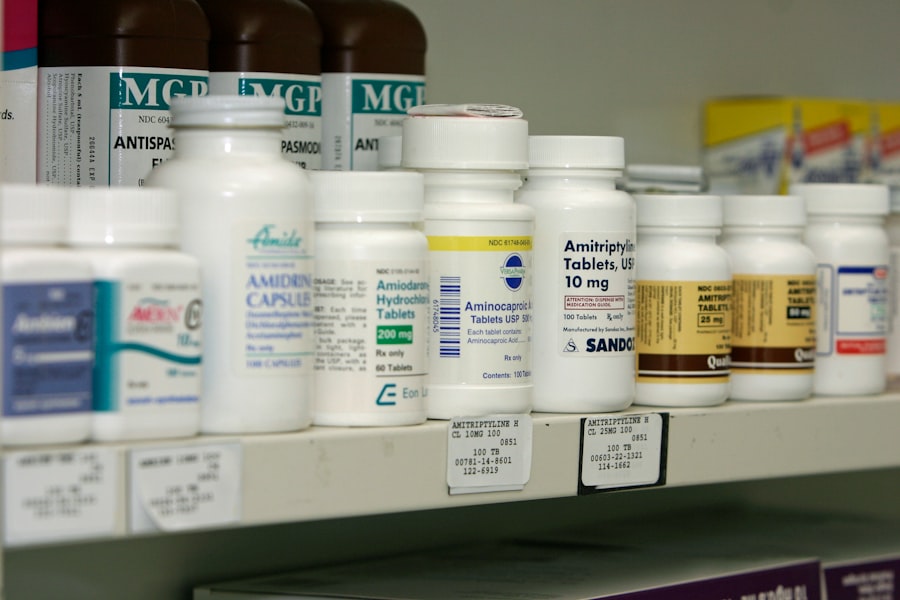
Exploring alternative treatment options can be an effective way to reduce fall risk while managing your health conditions. For instance, if you are taking medications for anxiety or depression, consider discussing non-pharmacological therapies such as cognitive-behavioral therapy (CBT) or mindfulness practices with your healthcare provider. These approaches can help alleviate symptoms without the sedative side effects associated with many medications.
Additionally, lifestyle modifications can play a significant role in reducing fall risk. Engaging in regular physical activity tailored to your abilities can enhance strength and balance. Activities like tai chi or yoga not only improve physical stability but also promote mental well-being.
Furthermore, ensuring that your living environment is safe—by removing tripping hazards and improving lighting—can significantly decrease the likelihood of falls.
Tips for Patients and Caregivers to Prevent Falls Related to Medications
As a patient or caregiver, there are several practical steps you can take to prevent falls related to medications. First and foremost, always follow the prescribed dosage and schedule for each medication. Skipping doses or taking more than directed can lead to unpredictable side effects that increase fall risk.
If you experience any new symptoms after starting a medication, report them to your healthcare provider immediately. Creating a safe home environment is equally important in preventing falls. Ensure that walkways are clear of clutter, rugs are secured or removed, and adequate lighting is provided in all areas of the home.
Installing grab bars in bathrooms and using non-slip mats can also enhance safety. Additionally, consider using assistive devices such as walkers or canes if recommended by a healthcare professional; these tools can provide extra support as you move around.
The Importance of Communication Between Healthcare Providers and Patients
Effective communication between you and your healthcare providers is crucial for managing medication-related fall risk. Be open about any concerns you have regarding your medications or their side effects. This dialogue allows your healthcare team to make informed decisions about your treatment plan and adjust it as necessary to prioritize your safety.
Moreover, don’t hesitate to ask questions about new prescriptions or changes in dosage. Understanding how each medication works and its potential side effects empowers you to take an active role in managing your health. Encourage family members or caregivers to participate in these discussions as well; their insights can provide additional context that may help healthcare providers tailor their recommendations more effectively.
The Role of Pharmacists in Identifying and Addressing Medication-Related Fall Risk
Pharmacists play a vital role in identifying and addressing medication-related fall risk. They are often the last line of defense before you leave the pharmacy with a new prescription in hand.
When picking up medications, take advantage of this opportunity by discussing any concerns with your pharmacist. Additionally, pharmacists can provide valuable information on how to take medications safely and effectively. They may suggest alternatives or adjustments based on their knowledge of your health history and current medications.
By collaborating with pharmacists as part of your healthcare team, you can enhance your understanding of how to manage your medications while minimizing fall risk.
Research and Studies on Medication Combinations and Fall Risk
Research on medication combinations and their impact on fall risk continues to evolve, shedding light on this critical issue in healthcare. Numerous studies have demonstrated that polypharmacy significantly increases the likelihood of falls among older adults. For instance, a study published in a leading geriatric journal found that patients taking five or more medications were at a substantially higher risk for falls compared to those on fewer drugs.
Ongoing research aims to identify specific medication classes that pose the greatest risks when combined with others. This information is invaluable for both healthcare providers and patients as it helps inform safer prescribing practices.
Promoting Safe Medication Use to Reduce Fall Risk
In conclusion, promoting safe medication use is essential for reducing fall risk among patients of all ages but especially among older adults who may be more vulnerable due to age-related changes and chronic health conditions. By understanding the link between medication combinations and fall risk, assessing individual health needs, and maintaining open communication with healthcare providers, you can take proactive steps toward safeguarding yourself against falls. As you navigate the complexities of managing multiple medications, remember that knowledge is power.
Stay informed about potential risks associated with your prescriptions and explore alternative treatment options when appropriate. By prioritizing safety in medication management, you not only enhance your well-being but also maintain your independence and quality of life for years to come.
Research has shown that certain medication combinations can significantly increase the risk of falls among older adults. For more information on this topic, you can read the article on medication management and fall prevention at