
Asthma is a chronic respiratory condition that affects millions of people worldwide. If you have asthma, you may already be aware that various environmental factors can exacerbate your symptoms. Among these, fragrances are often overlooked but can be significant triggers.
Understanding how fragrances impact your respiratory health is crucial for managing your condition effectively. Fragrance triggers can come from a variety of sources, including personal care products, household cleaners, and even scented candles. By recognizing these triggers, you can take proactive steps to minimize their impact on your asthma.
Fragrances are complex mixtures of chemicals, and their effects can vary from person to person. For some, even a faint scent can lead to wheezing, coughing, or shortness of breath. This sensitivity is often due to the volatile organic compounds (VOCs) found in many scented products.
These compounds can irritate the airways and lead to inflammation, making it essential for you to identify and understand your specific triggers. By doing so, you empower yourself to create a healthier living environment and reduce the likelihood of asthma flare-ups.
Key Takeaways
- Fragrances can trigger asthma symptoms by irritating the airways and causing inflammation.
- Common triggers include perfumes, scented candles, air fresheners, and cleaning products.
- Identifying and avoiding these triggers in your environment is key to managing asthma.
- Creating a fragrance-free space and choosing fragrance-free products help reduce exposure.
- Communicating your fragrance sensitivities and seeking medical advice are important for effective asthma control.
Common Fragrance Triggers for Asthma
When it comes to fragrance triggers, there are several common culprits that you should be aware of. Perfumes and colognes are perhaps the most obvious offenders. These products often contain a cocktail of synthetic chemicals designed to create appealing scents, but they can also provoke asthma symptoms in sensitive individuals.
If you find yourself struggling to breathe in the presence of strong perfumes, it may be time to reconsider your exposure to these products. Household cleaning products are another significant source of fragrance triggers. Many popular brands add artificial scents to their cleaners, making them smell fresh and inviting.
However, these fragrances can release harmful VOCs into the air, which can irritate your lungs and exacerbate asthma symptoms. Similarly, air fresheners and scented candles may seem harmless but can contribute to poor indoor air quality. Being aware of these common fragrance triggers allows you to make informed choices about the products you use in your home and personal care routine.
Identifying Fragrance Triggers in Your Environment
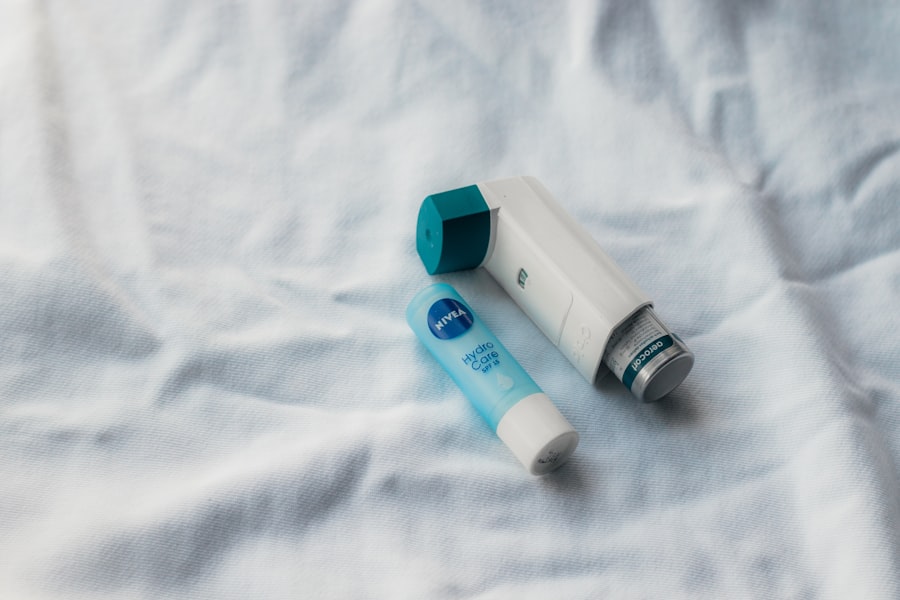
To effectively manage your asthma, it’s essential to identify the fragrance triggers present in your environment. Start by taking a close look at the products you use daily. This includes everything from laundry detergents and fabric softeners to personal care items like shampoos and lotions.
Many of these products contain added fragrances that could be affecting your respiratory health.
In addition to personal care products, pay attention to the spaces you frequent.
Workplaces, schools, and public transportation can all expose you to various fragrances that may worsen your asthma. If you notice that your symptoms worsen in certain environments, take note of the specific scents present. This awareness will help you pinpoint potential triggers and advocate for changes in those spaces if necessary.
How Fragrances Can Affect Asthma Symptoms
Fragrances can have a profound impact on asthma symptoms, often leading to increased discomfort and difficulty breathing. When you inhale scented products containing VOCs, your airways may become inflamed, resulting in symptoms such as coughing, wheezing, or chest tightness. This reaction occurs because your body perceives these chemicals as irritants, triggering an inflammatory response that can make it challenging for you to breathe normally.
Moreover, fragrances can also lead to psychological stress, which may further exacerbate asthma symptoms. The anxiety of being in an environment filled with strong scents can create a cycle of stress and respiratory distress. Understanding this connection between fragrances and asthma symptoms is vital for managing your condition effectively.
Tips for Avoiding Fragrance Triggers
| Fragrance Trigger | Common Sources | Impact on Asthma | Prevalence (%) | Recommended Precautions |
|---|---|---|---|---|
| Perfumes and Colognes | Personal care products, scented sprays | Can cause airway inflammation and bronchoconstriction | 40-60% | Avoid use in enclosed spaces, opt for fragrance-free products |
| Air Fresheners | Plug-ins, sprays, scented candles | Trigger asthma attacks by irritating airways | 30-50% | Use unscented or natural alternatives, ensure good ventilation |
| Cleaning Products | Detergents, disinfectants with fragrances | May induce coughing and wheezing | 25-45% | Choose fragrance-free cleaners, wear masks during use |
| Cosmetics | Lotions, shampoos, deodorants | Can provoke asthma symptoms in sensitive individuals | 15-35% | Use hypoallergenic and fragrance-free options |
| Smoke from Scented Products | Incense, scented candles | Smoke particles exacerbate asthma symptoms | 20-40% | Limit exposure, use in well-ventilated areas |
Avoiding fragrance triggers requires a proactive approach and a commitment to making healthier choices in your daily life. One effective strategy is to read labels carefully when shopping for personal care or cleaning products. Look for items labeled as “fragrance-free” or “unscented,” as these are less likely to contain harmful chemicals that could trigger your asthma symptoms.
Additionally, consider opting for natural alternatives that use essential oils or plant-based ingredients instead of synthetic fragrances. Another practical tip is to communicate your needs with those around you. If you’re attending a social event or spending time with friends or family, don’t hesitate to express your concerns about fragrances.
Most people will be understanding and willing to accommodate your needs if they know about your condition. By fostering open communication about fragrance sensitivities, you create a more supportive environment for yourself and others who may also be affected.
Creating a Fragrance-Free Environment
Creating a fragrance-free environment is essential for managing asthma effectively. Start by decluttering your living space of any scented products that could trigger your symptoms. This includes removing air fresheners, scented candles, and heavily perfumed cleaning supplies from your home.
Instead, opt for natural cleaning solutions like vinegar or baking soda that are effective without the added fragrances. In addition to removing scented products, consider improving ventilation in your home. Open windows when weather permits to allow fresh air circulation and reduce indoor pollutants.
Using an air purifier with a HEPA filter can also help remove airborne irritants, including fragrance particles, from your living space. By taking these steps, you create a healthier atmosphere that supports better respiratory health.
Communicating with Others About Fragrance Triggers
Effective communication is key when it comes to managing fragrance triggers in social situations or shared spaces. It’s important to educate those around you about your sensitivity to fragrances and how they can impact your health. When discussing this topic with friends or family, approach the conversation with understanding and empathy.
Explain how certain scents can trigger asthma symptoms and emphasize that it’s not just a personal preference but a health concern. In workplace settings or public spaces, consider advocating for fragrance-free policies if they don’t already exist. Many organizations are becoming more aware of the impact of fragrances on individuals with respiratory conditions and may be willing to implement changes for the benefit of all employees or patrons.
By fostering an open dialogue about fragrance sensitivities, you contribute to creating a more inclusive environment for everyone.
Choosing Fragrance-Free Products
Choosing fragrance-free products is one of the most effective ways to manage asthma triggers in your daily life. When shopping for personal care items like lotions, shampoos, or deodorants, prioritize brands that specifically advertise themselves as fragrance-free or hypoallergenic. These products are formulated without added scents that could irritate your airways.
In addition to personal care items, consider the cleaning products you use in your home. Many brands now offer fragrance-free versions of their popular cleaners that are just as effective without the added irritants. By making conscious choices about the products you bring into your home, you significantly reduce the risk of encountering fragrance-related asthma triggers.
Managing Asthma Symptoms When Exposed to Fragrances
Despite your best efforts to avoid fragrance triggers, there may be times when you find yourself exposed to scents that provoke your asthma symptoms. In such situations, having a plan in place can help you manage your symptoms effectively. First and foremost, ensure that you always carry your rescue inhaler or any prescribed medication with you when venturing into environments where fragrances may be present.
If you begin experiencing symptoms like wheezing or shortness of breath after exposure to fragrances, try to remove yourself from the situation as quickly as possible. Find fresh air or a well-ventilated area where you can breathe more easily. Additionally, practicing deep breathing exercises can help calm your respiratory system during an asthma attack triggered by fragrances.
Seeking Medical Help for Fragrance-Related Asthma Symptoms
If you find that fragrance exposure consistently leads to severe asthma symptoms despite taking preventive measures, it may be time to consult with a healthcare professional. Your doctor can help assess the severity of your condition and recommend appropriate treatment options tailored to your needs. They may suggest adjustments to your medication regimen or provide additional strategies for managing exposure to fragrances.
In some cases, referral to an allergist may be beneficial for further evaluation of specific sensitivities or allergies related to fragrances. Understanding the underlying causes of your asthma symptoms can empower you with knowledge and tools necessary for better management of your condition.
Taking Control of Asthma Fragrance Triggers
Taking control of asthma fragrance triggers is an essential aspect of managing your respiratory health effectively. By understanding how fragrances affect your body and identifying common triggers in your environment, you empower yourself to make informed choices about the products you use and the spaces you inhabit. Communicating openly with others about your sensitivities fosters a supportive atmosphere while creating a fragrance-free environment enhances your overall well-being.
Remember that managing asthma is an ongoing process that requires vigilance and adaptability. By implementing strategies such as choosing fragrance-free products and seeking medical advice when necessary, you can significantly reduce the impact of fragrances on your asthma symptoms. Ultimately, taking proactive steps allows you to lead a healthier life while minimizing the risks associated with fragrance exposure.
Asthma can be significantly affected by various environmental triggers, including fragrances found in everyday products. For a deeper understanding of how these triggers can impact respiratory health, you can read more in the article on senior health at Explore Senior Health. This resource provides valuable insights into managing asthma and avoiding common irritants.
WATCH THIS! 🫁 The Household “Fresh Scent” That Is Quietly Destroying Your Lungs and Memory
FAQs
What are fragrance triggers in relation to asthma?
Fragrance triggers refer to scented products or airborne chemicals that can provoke asthma symptoms or attacks in sensitive individuals. These include perfumes, air fresheners, scented candles, and cleaning products with strong odors.
How do fragrances trigger asthma symptoms?
Fragrances can irritate the airways and cause inflammation, leading to tightening of the muscles around the airways, increased mucus production, and difficulty breathing. This reaction can trigger coughing, wheezing, shortness of breath, and chest tightness.
Are all fragrances harmful to people with asthma?
Not all fragrances affect everyone with asthma, but many individuals are sensitive to certain scents or chemicals found in fragranced products. Sensitivity varies from person to person, so some may experience symptoms while others do not.
What types of products commonly contain asthma fragrance triggers?
Common products include perfumes, colognes, scented lotions, deodorants, air fresheners, scented candles, cleaning sprays, laundry detergents, and personal care products with added fragrances.
How can people with asthma avoid fragrance triggers?
To reduce exposure, individuals can use fragrance-free or hypoallergenic products, avoid areas where scented products are heavily used, ventilate indoor spaces well, and communicate their sensitivities to friends, family, and coworkers.
Can natural or essential oils also trigger asthma symptoms?
Yes, some natural or essential oils can also act as asthma triggers. Although they are natural, their strong scents and chemical components can irritate the airways in sensitive individuals.
Is there a way to test if a fragrance triggers asthma symptoms?
People can monitor their symptoms when exposed to specific fragrances and consult with a healthcare provider or allergist. In some cases, controlled exposure tests or allergy testing may help identify specific triggers.
What should someone do if they experience an asthma attack triggered by fragrance?
They should follow their asthma action plan, use their prescribed rescue inhaler, move to fresh air, and seek emergency medical help if symptoms do not improve quickly or worsen.