
When you think about your bedroom, you might envision a cozy retreat where you can unwind and recharge. However, the air quality in this personal sanctuary plays a crucial role in your overall health and well-being. Poor air quality can lead to a range of issues, from allergies and respiratory problems to disrupted sleep patterns.
You may not realize it, but the air you breathe while you sleep can significantly impact your physical and mental health. By prioritizing the quality of the air in your bedroom, you can create a healthier environment that promotes better sleep and enhances your quality of life. Moreover, the bedroom is often a space where you spend a significant amount of time, making it essential to ensure that the air is clean and free from pollutants.
The importance of good air quality extends beyond just comfort; it can influence your mood, energy levels, and even cognitive function. When you breathe in clean air, your body can function optimally, allowing you to wake up feeling refreshed and ready to tackle the day ahead. Therefore, understanding the importance of bedroom air quality is the first step toward creating a healthier living space.
Key Takeaways
- Good bedroom air quality is essential for healthy sleep and overall well-being.
- Common bedroom pollutants include dust, pet dander, mold, and volatile organic compounds (VOCs).
- Using the right air purifier and natural methods can significantly improve indoor air quality.
- Regular cleaning, decluttering, and proper ventilation help maintain a fresh and allergen-free environment.
- Monitoring air quality and choosing hypoallergenic bedding and chemical-free products support a healthier bedroom atmosphere.
Identifying Common Air Pollutants in the Bedroom
To improve the air quality in your bedroom, it’s essential to identify the common pollutants that may be lurking in your space. One of the most prevalent culprits is dust mites, microscopic creatures that thrive in bedding and upholstery. These tiny pests feed on dead skin cells and can trigger allergic reactions, leading to sneezing, coughing, and other respiratory issues.
You might not see them, but their presence can significantly affect your comfort and health. Another common pollutant is volatile organic compounds (VOCs), which are emitted by various household products such as paints, cleaning supplies, and even furniture. These chemicals can contribute to headaches, dizziness, and long-term health problems if inhaled over time.
Additionally, mold spores can be a significant concern, especially in humid environments. Mold thrives in damp areas and can release spores into the air, causing allergic reactions and respiratory issues. By being aware of these common air pollutants, you can take proactive steps to minimize their presence in your bedroom.
Choosing the Right Air Purifier for Your Bedroom
Investing in an air purifier can be one of the most effective ways to enhance the air quality in your bedroom. However, with so many options available on the market, selecting the right one for your needs can feel overwhelming.
For instance, if you’re particularly concerned about allergens like dust mites or pet dander, look for a purifier equipped with a HEPA filter, which is designed to capture particles as small as 0.3 microns. Additionally, pay attention to the Clean Air Delivery Rate (CADR) rating of the purifier. This rating indicates how effectively the unit can remove specific pollutants from the air.
A higher CADR means better performance in filtering out dust, smoke, or pollen. You should also consider noise levels; some purifiers operate quietly while others may produce noticeable sounds that could disrupt your sleep. By carefully evaluating these factors, you can choose an air purifier that not only fits your bedroom size but also meets your specific air quality needs.
Implementing Natural Ways to Improve Air Quality
In addition to using an air purifier, there are several natural methods you can implement to enhance the air quality in your bedroom. One effective approach is to introduce indoor plants that are known for their air-purifying properties. Plants like spider plants, peace lilies, and snake plants can absorb toxins and release oxygen, creating a fresher atmosphere.
Not only do they improve air quality, but they also add a touch of nature to your space, promoting relaxation and tranquility. Another natural method involves ensuring proper ventilation in your bedroom. Opening windows regularly allows fresh air to circulate while helping to reduce indoor pollutants.
If outdoor air quality permits, consider letting in a breeze during cooler parts of the day or using exhaust fans to expel stale air. Additionally, incorporating natural materials into your decor—such as organic cotton bedding or wooden furniture—can help minimize exposure to harmful chemicals often found in synthetic materials. By embracing these natural solutions, you can create a healthier sleeping environment without relying solely on technology.
Keeping Bedroom Clutter to a Minimum
| Metric | Recommended Range | Impact on Sleep Quality | Measurement Unit |
|---|---|---|---|
| Carbon Dioxide (CO2) Levels | 400 – 1000 ppm | High levels can cause drowsiness and reduce sleep quality | ppm (parts per million) |
| Temperature | 60°F – 67°F (15.5°C – 19.5°C) | Optimal temperature promotes deeper and more restful sleep | °F / °C |
| Humidity | 30% – 50% | Maintains comfort and prevents respiratory irritation | Relative Humidity (%) |
| Particulate Matter (PM2.5) | < 12 µg/m³ | Lower levels reduce respiratory issues and improve sleep | µg/m³ (micrograms per cubic meter) |
| Volatile Organic Compounds (VOCs) | < 0.5 mg/m³ | Lower VOCs reduce irritation and improve sleep quality | mg/m³ (milligrams per cubic meter) |
| Noise Level | < 30 dB | Lower noise levels promote uninterrupted sleep | Decibels (dB) |
A cluttered bedroom not only creates visual chaos but can also contribute to poor air quality. Dust and allergens tend to accumulate on surfaces that are cluttered with items such as clothes, books, and decorative pieces. By keeping your bedroom organized and minimizing clutter, you can significantly reduce dust buildup and improve airflow throughout the space.
Consider implementing storage solutions that allow you to neatly store items out of sight while maintaining easy access when needed. Additionally, decluttering your bedroom can have psychological benefits as well. A tidy space promotes a sense of calm and order, which can help you relax more effectively at bedtime.
You might find that taking just a few minutes each day to tidy up can lead to a more peaceful environment conducive to restful sleep. By prioritizing organization and cleanliness in your bedroom, you create an atmosphere that supports both physical health and mental well-being.
Selecting the Best Bedding for Allergen Control

When it comes to improving bedroom air quality, selecting the right bedding is crucial for allergen control. Opting for hypoallergenic materials can significantly reduce your exposure to dust mites and other allergens that may be present in traditional bedding options. Look for pillows and mattresses made from materials such as latex or memory foam that are less likely to harbor allergens compared to conventional options filled with down or synthetic fibers.
Additionally, consider investing in allergen-proof mattress and pillow covers that create a barrier against dust mites and other irritants. These protective covers are designed to trap allergens within the bedding while preventing them from escaping into the air you breathe. Regularly washing your bedding in hot water can also help eliminate dust mites and other allergens that accumulate over time.
By making informed choices about your bedding materials and maintenance practices, you can create a healthier sleep environment that minimizes allergen exposure.
Maintaining Proper Humidity Levels in the Bedroom
Humidity levels play a significant role in indoor air quality and overall comfort in your bedroom. Ideally, indoor humidity should be maintained between 30% and 50%. High humidity levels can promote mold growth and dust mite proliferation, while low humidity can lead to dry skin and respiratory discomfort.
To maintain optimal humidity levels, consider using a hygrometer to monitor moisture levels in your space. If you find that humidity levels are consistently high, using a dehumidifier can help remove excess moisture from the air. Conversely, if your bedroom tends to be too dry—especially during winter months—using a humidifier can add moisture back into the environment.
Additionally, incorporating houseplants that thrive in humid conditions can help regulate moisture levels naturally. By actively managing humidity levels in your bedroom, you create a more comfortable atmosphere that supports better sleep and overall health.
Cleaning and Ventilating Your Bedroom Regularly
Regular cleaning and ventilation are essential components of maintaining good air quality in your bedroom. Dusting surfaces such as shelves, nightstands, and baseboards helps prevent allergens from accumulating over time.
In addition to cleaning, proper ventilation is key to ensuring fresh air circulation throughout your space. Open windows whenever possible to allow outdoor air to flow in while stale indoor air escapes. If outdoor conditions aren’t favorable for open windows—due to pollution or allergens—consider using an exhaust fan or an air exchange system designed for indoor spaces.
By committing to regular cleaning routines and ensuring adequate ventilation, you create an environment that promotes better air quality and overall well-being.
Avoiding Harmful Chemicals in Bedroom Products
Many everyday products found in bedrooms contain harmful chemicals that can negatively impact indoor air quality. From cleaning supplies to personal care items like lotions and perfumes, these products often release volatile organic compounds (VOCs) into the air. To minimize exposure to these harmful substances, opt for natural or eco-friendly alternatives whenever possible.
For instance, consider using non-toxic cleaning products made from natural ingredients such as vinegar or baking soda instead of conventional cleaners laden with harsh chemicals. Additionally, be mindful of the materials used in furniture and decor; choosing items made from solid wood rather than particleboard or MDF can help reduce exposure to formaldehyde—a common VOC found in many manufactured products. By consciously selecting products that prioritize health over convenience or aesthetics, you contribute positively to the overall air quality in your bedroom.
Creating a Bedroom Sleep Environment Conducive to Clean Air
Designing a sleep environment conducive to clean air involves more than just choosing the right products; it also requires thoughtful consideration of layout and decor choices. Start by positioning your bed away from windows or sources of outdoor pollution whenever possible—this helps minimize exposure to allergens or irritants that may enter through open windows. Incorporating natural materials into your decor—such as organic cotton curtains or bamboo blinds—can further enhance indoor air quality while creating a calming atmosphere conducive to restful sleep.
Additionally, consider using essential oils known for their calming properties—such as lavender or chamomile—in a diffuser before bedtime; these scents not only promote relaxation but may also help purify the air naturally.
Monitoring and Testing Bedroom Air Quality
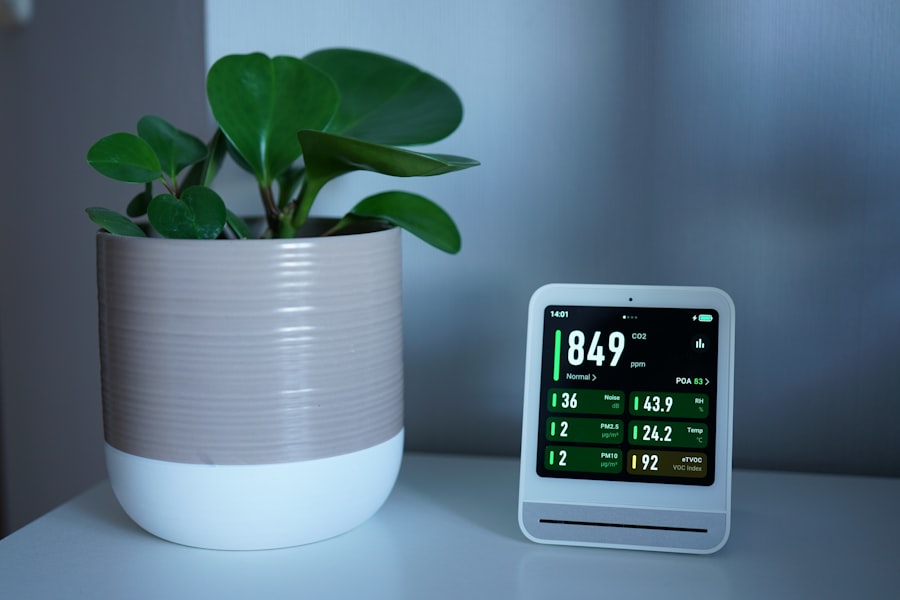
To ensure that you’re effectively maintaining good air quality in your bedroom over time, consider monitoring and testing it regularly. Investing in an indoor air quality monitor allows you to track levels of common pollutants such as particulate matter (PM), VOCs, carbon dioxide (CO2), and humidity levels within your space. By keeping an eye on these metrics regularly—especially after implementing changes like new bedding or cleaning routines—you’ll gain valuable insights into how different factors affect indoor air quality over time.
If you notice persistent issues despite taking proactive measures—such as elevated pollutant levels—it may be worth consulting with an indoor environmental professional who can provide tailored recommendations based on specific concerns within your unique living space. In conclusion, prioritizing bedroom air quality is essential for creating a healthy sleep environment that supports overall well-being. By understanding common pollutants present in bedrooms and implementing strategies such as choosing appropriate bedding materials or utilizing natural methods for improvement—you empower yourself with knowledge that leads toward better health outcomes over time!
Improving bedroom air quality is essential for a good night’s sleep, as it can significantly impact overall health and well-being. For more insights on how to enhance your sleeping environment, you can read this informative article on senior health and wellness at Explore Senior Health. This resource provides valuable tips on maintaining optimal air quality in your bedroom, which can lead to better sleep quality and improved health outcomes.
WATCH THIS! 🫁 The Household “Fresh Scent” That Is Quietly Destroying Your Lungs and Memory
FAQs
Why is bedroom air quality important for sleep?
Good bedroom air quality is essential for restful sleep because it ensures adequate oxygen levels and reduces exposure to pollutants and allergens that can disrupt breathing and cause discomfort during the night.
What factors affect air quality in the bedroom?
Several factors influence bedroom air quality, including ventilation, presence of dust, mold, pet dander, indoor pollutants from cleaning products or furniture, humidity levels, and outdoor air pollution entering the room.
How can poor air quality impact sleep?
Poor air quality can lead to respiratory issues, allergies, and irritation of the eyes, nose, and throat, which may cause frequent awakenings, difficulty falling asleep, and reduced overall sleep quality.
What are some ways to improve bedroom air quality?
Improving bedroom air quality can be achieved by regularly cleaning and dusting, using air purifiers with HEPA filters, ensuring proper ventilation, controlling humidity with a dehumidifier or humidifier, and avoiding smoking or using strong chemicals indoors.
Is it better to keep windows open or closed while sleeping?
Keeping windows open can improve ventilation and air quality by allowing fresh air to circulate, but it depends on outdoor air pollution levels and weather conditions. In areas with high pollution or allergens, it may be better to keep windows closed and use air purifiers.
Can indoor plants improve bedroom air quality?
Some indoor plants can help improve air quality by absorbing certain pollutants and increasing oxygen levels, but their overall impact is limited. Proper ventilation and air filtration are more effective methods.
How does humidity affect bedroom air quality and sleep?
Maintaining optimal humidity levels (around 30-50%) helps prevent mold growth and dust mites, which can worsen allergies and respiratory problems, thereby promoting better sleep quality.
Should I use an air purifier in my bedroom?
Using an air purifier with a HEPA filter can effectively reduce airborne allergens, dust, and pollutants, improving air quality and potentially enhancing sleep quality, especially for individuals with allergies or asthma.